
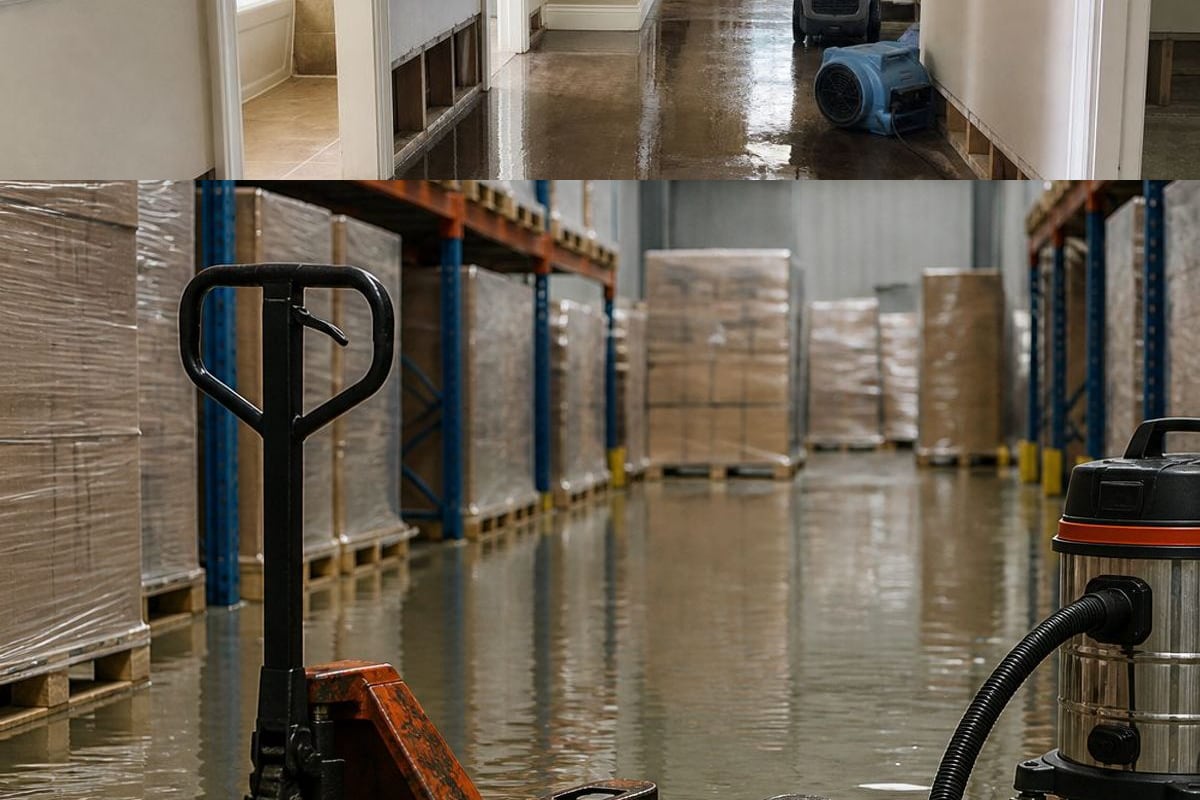
Every fall, Los Angeles homeowners face the same quiet gamble. The sun is still out, the hills are still gold and dry, and it is easy to assume the roof, gutters, and plumbing will hold up fine when the rain finally arrives. Most years they do. Then one atmospheric river storm parks over the region for three days, and the gutter nobody cleaned since spring sends water straight into a wall cavity.
This checklist treats storm preparation as what it actually is: a whole-property water management system. Your roof, your grading, and your interior plumbing are not separate projects. They are one system, and a weak link in any of them is where water gets in.
Why California's Winter Storms Put Homes and Businesses at Risk
California's winter storms cause water damage mainly through three mechanisms working together: intense short-burst rainfall overwhelming aging drainage systems, wind stripping away roofing and siding that would otherwise keep water out, and property owners underestimating risk because dry summers create a false sense of security. Understanding all three helps explain why prevention matters more here than in regions with steadier year-round rain.
Atmospheric Rivers and Heavy Rainfall Events
An atmospheric river is a long, narrow band of concentrated moisture in the atmosphere that can carry as much water as a large river and release it over a short period when it makes landfall. California's wettest winter storms are almost always atmospheric river events. Unlike a steady drizzle, an atmospheric river can drop several inches of rain in a single day, which is exactly the kind of rainfall volume that exposes weak gutters, undersized drains, and poor grading.
Aging Roofs, Clogged Gutters, and Poor Grading
Los Angeles has a large stock of older homes, many built decades before current roofing and drainage standards. A roof that is showing its age, gutters that collected a summer's worth of leaves and dust, and grading that slopes toward the house instead of away from it are the three most common physical failure points during a heavy storm. Gutter, Downspout, and Grading Maintenance Guide for Property Owners covers each of these in more depth.
Wind Damage to Trees, Fences, and Roofing
Wind is the part of a winter storm that often gets less attention than rain, but it does real damage on its own. Gusts that accompany atmospheric river storms can loosen roof flashing, peel back shingles, and drop tree limbs onto roofs or power lines. A roof that survives the rain can still fail structurally if wind has already compromised its seal.
Signs Your Property Isn't Ready for Storm Season
A property that is not storm ready usually shows warning signs months before the first major rain, visible in the roof, the drainage around the foundation, and the seals around windows and doors. Catching these signs in September or October, before the rainy season, gives you time to fix them instead of discovering them mid-storm.
Roof and Attic Warning Signs
Look for missing or curling shingles, granules collecting in gutters, daylight visible through the attic roof deck, and any existing water stains on attic wood or insulation. A roof over 15 years old deserves a closer look even without visible damage, since flashing and seals degrade well before shingles look obviously worn.
Drainage and Foundation Warning Signs
Watch for water pooling near the foundation after a light rain, damp or musty crawl space smells, and visible cracks in exterior stucco or foundation walls. These are signs that water is already finding its way toward the structure instead of away from it. If your property has a basement or below-grade space, Sump Pump Maintenance and Failure Signs Every Property Owner Should Know is worth reading alongside this checklist.
Window, Door, and Seal Warning Signs
Check for cracked or missing caulk around window frames, daylight visible around door thresholds, and drafts that suggest a broken seal. Failed exterior seals are a common source of slow water intrusion during wind-driven rain, even when the roof and gutters are in good shape.
The Complete Pre-Storm Property Checklist
The most effective way to prepare a property for California's rainy season is to work through roof, drainage, exterior seals, and interior plumbing systematically rather than addressing only the most visible issue. Use this checklist in early fall, before the first significant storm.
Roof, Gutter, and Downspout Preparation
- Clear gutters and downspouts of leaves, debris, and granules
- Inspect roof flashing around chimneys, vents, and skylights for gaps
- Replace any missing, cracked, or curling shingles
- Trim tree branches that overhang the roofline
- Confirm downspouts direct water at least several feet from the foundation
See Gutter, Downspout, and Grading Maintenance Guide for Property Owners for a complete breakdown of cleaning frequency and downspout placement.
Grading, Drainage, and Landscaping
- Check that soil slopes away from the foundation on all sides
- Clear storm drains and yard drains of leaves and debris
- Fill low spots in the yard that collect standing water
- Confirm any French drains or area drains are flowing freely
Windows, Doors, and Exterior Seals
- Recaulk gaps around window and door frames
- Replace worn weatherstripping on exterior doors
- Check garage door seals, since garages are a common wind-driven water entry point
- Inspect exterior wall penetrations, such as dryer vents and hose bibs, for gaps
Interior Shutoffs and Appliance Supply Lines
Interior plumbing failures cause just as much storm-season water damage as the storm itself, particularly when a property is empty during evacuation or vacation and a hose failure goes unnoticed for days.
###### Water Heater and Washing Machine Hoses
Inspect water heater connections and washing machine hoses for cracks, bulging, or rust at the fittings before the rainy season starts, since these are two of the most common sources of appliance-related water damage in any season. Appliance Hose and Supply-Line Inspection Checklist walks through the full appliance-by-appliance inspection process.
###### Locating Your Main Water Shutoff Valve
Every household member should know how to find and operate the main water shutoff valve before an emergency, not during one. How to Find and Use Your Main Water Shutoff Valve explains exactly where to look based on your foundation type and how to test the valve safely.
Building an Emergency Supply Kit and Family Communication Plan
A basic emergency kit and a simple communication plan matter as much as physical property prep, since multi-day power outages and localized flooding are realistic outcomes of a major atmospheric river storm in Southern California. Preparing both takes an afternoon and meaningfully reduces stress if a storm does cause disruption.
Essential Supplies for Multi-Day Power Outages
Stock a few days of water and shelf-stable food, flashlights and batteries, a battery-powered or hand-crank radio, a basic first aid kit, and a portable phone charger. If anyone in the household depends on refrigerated medication or medical equipment, plan for that need specifically rather than assuming general supplies will cover it.
Communication and Evacuation Planning
Agree on an out-of-area contact everyone can reach if local phone lines are congested, and identify at least two evacuation routes in case one road floods or closes. For rental properties, share this plan with tenants directly, since renters in Los Angeles often have less built-in awareness of a property's flood or drainage history than the owner does.
Reviewing Insurance Coverage and Documenting Your Property Before a Storm
Reviewing your insurance policy before storm season, not after a loss, is the single best way to avoid an unpleasant coverage surprise. Take the time to understand what your policy covers, what it excludes, and how claims are valued, since this information is far easier to absorb calmly in October than during a stressful claim in January.
What Standard Homeowners and Commercial Policies Do and Don't Cover
Standard homeowners and commercial policies generally cover sudden, storm-driven water intrusion, such as wind-driven rain entering through a damaged roof. They typically exclude flood damage, which is defined as rising water from an external source and requires separate flood insurance. Gradual leaks that a reasonable property owner should have caught and fixed are also commonly excluded or limited.
It also helps to understand how your policy pays for a loss. Replacement cost value, or RCV, pays what it actually costs to replace damaged property with new materials at current prices. Actual cash value, or ACV, subtracts depreciation for the item's age and condition before paying out. Knowing which one your policy uses changes what you can realistically expect to receive after a claim, and it is worth confirming this detail with your insurer before you need it.
Pre-Loss Photo and Video Documentation
Walk through your property with your phone and record video of every room, closet, and major system, including the roof if you can safely access it. Store this documentation somewhere other than your home, such as cloud storage or email, so it survives even if the property itself is damaged. This single habit consistently makes storm-related insurance claims faster and less contentious.
How Much Does Storm Preparation Cost?
Storm preparation costs vary widely depending on your property's size, roof age, and how much deferred maintenance you're addressing at once, ranging from a few hours of DIY labor and basic supplies to a more significant investment in roof repair or drainage correction. [details pending verification]
[details pending verification] Ranges by Service Type
Gutter cleaning, minor roof repair, grading correction, and shutoff valve service each carry different cost profiles. [details pending verification] Contact LA Water Damage at request a callback for a property-specific assessment based on your roof condition, drainage layout, and plumbing age.
Cost of Prevention vs. Cost of Water Damage Repair
Preventive maintenance, like gutter cleaning and roof inspection, is almost always less expensive than repairing water damage after it happens. Water that soaks into drywall, insulation, and flooring often requires extraction, drying equipment, and material replacement, plus the risk of mold growth if the moisture isn't caught quickly. Treating prevention as an annual line item rather than an optional expense is one of the more financially sound decisions a property owner can make.
DIY vs. Professional Storm Preparation
Many storm preparation tasks are safe for property owners to handle themselves, while others involve height, electrical risk, or structural judgment that call for a licensed professional. Deciding correctly between the two protects both your property and your safety.
| Task | DIY Feasible | Professional Recommended | Safety Note |
|---|---|---|---|
| Gutter cleaning, single story | Yes | Optional | Use a stable ladder on level ground |
| Gutter cleaning, multi-story or steep roof | No | Yes | Fall risk increases significantly with height |
| Recaulking windows and doors | Yes | Optional | Low risk, straightforward task |
| Roof flashing repair | Limited | Yes | Requires roof access and material knowledge |
| Grading correction | Limited | Yes | Often requires equipment and drainage expertise |
| Appliance hose replacement | Yes | Optional | Shut off water supply before starting |
| Main shutoff valve repair | No | Yes | Corroded or stuck valves risk injury and flooding |
Tasks Property Owners Can Safely Handle
Gutter cleaning on a single-story home, recaulking windows and doors, trimming low tree branches, and inspecting and replacing appliance hoses are all reasonable DIY tasks for most property owners with basic tools and normal mobility.
When to Call a Licensed Contractor or Restoration Professional
Roof flashing repair, grading correction that requires regrading soil or installing drainage, multi-story gutter work, and any shutoff valve that is stuck or corroded are best left to a licensed contractor. [details pending verification]
Common Mistakes California Property Owners Make Before Storm Season
The most common mistake is treating storm preparation as a once-a-year task instead of a two-season cycle that includes both a pre-rain-season inspection and a post-storm reassessment. Other frequent mistakes include cleaning gutters but never checking the grading that the gutters drain into, assuming a newer roof means no inspection is needed, and forgetting appliance supply lines entirely because they are indoors and feel unrelated to storm risk. Properties that sit vacant for stretches, including many LA rentals between tenants, are especially vulnerable, since a small leak can run undetected for days.
Staying Safe During an Active Storm
If a storm is actively affecting your property, prioritize physical safety over property protection, since standing water near electrical systems and structural instability from saturated materials both carry real injury risk. Property damage can be repaired. Physical safety cannot be undone.
Electrical Safety Around Standing Water
Never enter a room with visible standing water near outlets, appliances, or an electrical panel. If you can safely reach the breaker panel without stepping in or near water, shut off power to the affected area. If you cannot reach it safely, leave the area and contact a licensed electrician or emergency services rather than taking the risk yourself.
Structural Safety Warning Signs (sagging ceilings, bowing walls)
A sagging ceiling, a bowing wall, or a door or window that suddenly won't close properly can indicate the structure has absorbed enough water to be under stress. Leave the affected area immediately if you notice any of these signs, and treat the space as off limits until a professional has assessed it.
What to Do Immediately After a Storm Causes Water Damage
The moment you discover storm-related water damage, focus on three things in order: safety, documentation, and mitigation, meaning the steps that stop the damage from getting worse before full repairs can begin. Acting in this order protects both your health and your insurance claim.
First 24 Hours: Safety, Documentation, Mitigation
Confirm the area is safe to enter, then photograph and video the damage before moving or removing anything. Begin mitigation only if it's safe, such as removing standing water or moving unaffected belongings out of the wet area. Mitigation is different from remediation. Mitigation means stopping active damage from spreading, like extracting water and starting to dry the space. Remediation is the fuller repair process afterward, which may include removing damaged materials and rebuilding.
When to Call LA Water Damage for Emergency Water Extraction
Call a water extraction professional as soon as it's safe to do so, since standing water that sits for more than a day or two creates real conditions for mold growth, and the drying window matters more than most property owners expect. [details pending verification]
Storm Preparation for Greater Los Angeles and Southern California Properties
Greater Los Angeles faces a specific version of California's winter storm risk shaped by older housing stock, a long dry season that hides drainage problems, and aging infrastructure across the region. LADWP's water system includes a significant share of mains over 80 years old, which is part of the region's broader capital improvement planning, and it is a reminder that infrastructure age isn't just a homeowner issue, it's a citywide one. Los Angeles is also a renter-majority city, which means storm preparation conversations often need to happen between landlords and tenants rather than assumed as a single owner's responsibility. And because Southern California's dry season stretches for months, gutters, grading, and roof seals that would show stress quickly in a wetter climate can go unnoticed here until the first big atmospheric river storm arrives.
Frequently Asked Questions
How often should I inspect my roof before storm season?
Inspect your roof at least once a year, ideally in early fall before California's winter rain season begins. If your roof is over 15 years old or you notice missing shingles, granule loss, or previous leaks, schedule a professional inspection every six months instead.
Can a small roof leak turn into major water damage?
Yes. A small leak that seems minor during light rain can worsen quickly during a sustained atmospheric river event, allowing water to soak insulation, drywall, and framing. Left unaddressed, this creates conditions for mold growth within 24 to 48 hours.
Does homeowners insurance cover storm-related water damage in California?
Coverage varies by policy and cause of loss. Sudden, storm-driven water intrusion is often covered, while gradual leaks or flood-related damage frequently are not. Review your specific policy language and consider flood insurance separately, since standard homeowners policies typically exclude flood.
What is the most common cause of storm-related property damage in Los Angeles?
Clogged gutters, poor grading, and aging roof flashing are among the most common contributors, since they allow rainfall from atmospheric river storms to pool against the structure or enter through the roofline rather than draining away.
Should I turn off electricity if my property is flooding?
Only if you can safely reach the breaker panel without standing in or near water. Never touch electrical panels, outlets, or appliances while standing in water. If you cannot reach the panel safely, evacuate the area and contact a licensed electrician or emergency services. [details pending verification]
How much does storm preparation typically cost?
Costs vary widely depending on property size, roof condition, and scope of work. [details pending verification] Contact LA Water Damage at request a callback for a property-specific assessment.
What should I do first if a storm causes flooding inside my home?
Prioritize safety first: avoid electrical hazards, document the damage with photos and video, and begin removing standing water only if it's safe to do so. Then contact your insurer and a water damage restoration professional promptly to limit secondary damage like mold.
Do commercial properties need different storm preparation than homes?
Yes. Commercial properties often have larger roof systems, more complex drainage, and tenant coordination needs. Owners should also confirm business interruption coverage and have a documented emergency communication plan for tenants and staff.
Get Storm-Ready — Contact LA Water Damage
No amount of preparation guarantees a storm-free winter, and it's worth being honest about that. Some damage happens even to well-maintained properties during a severe atmospheric river event. What preparation does is reduce the odds, limit the damage when something does go wrong, and put you in a much stronger position with your insurer if you need to file a claim.
If a storm has already caused water damage to your Greater Los Angeles home or business, LA Water Damage can help with emergency water extraction and drying. Call request a callback or visit contact form to reach our team.
---