
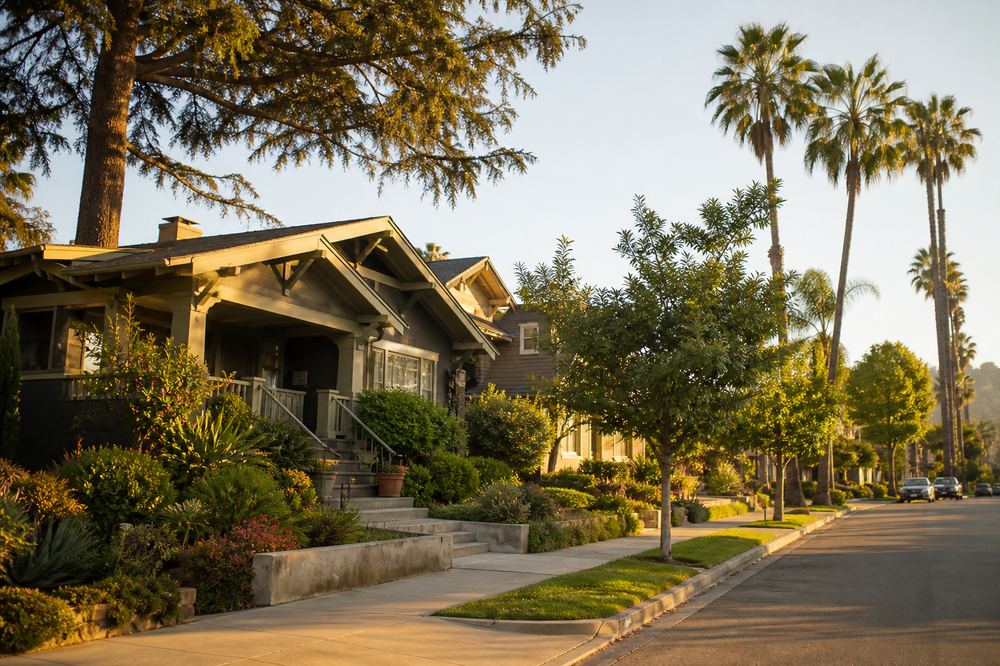
A supply line can fail in one room while water travels beneath flooring, through wall cavities, or into the level below. In a large, varied property market, the first visible damage rarely tells the whole story.
Use this page to present Water Damage Los Angeles’s verified water and flood restoration services in Los Angeles. Retain sewage, fire/smoke, and mold copy only for services the company genuinely provides in this location and can support with accurate business information.
Properties in Los Angeles may include a wide range of residential, commercial, hospitality, multifamily, and industrial properties. Each setting changes the access plan, material decisions, occupant protections, documentation, and sequence of work.
The most important priority is clear scoping across different building types and careful documentation of every affected area. A restoration contractor should explain what is urgent, what must be measured, what may require a licensed specialty trade, and what evidence will confirm that the work is complete.
What to Do Before Help Arrives
- Keep people away from electrical, structural, fire, sewage, and contamination hazards.
- Stop the source only when it can be done safely.
- Photograph visible damage before moving or discarding items when conditions allow.
- Avoid aggressive demolition or cleaning before the loss is assessed.
- Contact Water Damage Los Angeles to confirm service for the Los Angeles address and damage type.
Emergency Property Damage Restoration in Los Angeles
Emergency restoration in Los Angeles begins with safety, source control, and stabilization. The objective is to stop preventable damage, define the affected area, and create safe conditions for extraction, cleaning, drying, or temporary protection.
The right first steps depend on the loss. Standing water near electrical systems, sewage contamination, unstable fire damage, and active leaks require different controls. Water Damage Los Angeles should publish only verified availability and response claims for Los Angeles.
Emergency Water Damage Restoration
When water is active or was discovered recently, isolate the source only when it is safe, keep people away from electrical hazards, and document visible conditions. The Los Angeles response should then identify water migration, extract recoverable water, protect unaffected areas, and begin a measured drying plan.
Emergency Flood Cleanup
When water is active or was discovered recently, isolate the source only when it is safe, keep people away from electrical hazards, and document visible conditions. The Los Angeles response should then identify water migration, extract recoverable water, protect unaffected areas, and begin a measured drying plan.
Emergency Sewage Cleanup
Restrict access and stop contributing water use when appropriate. Wastewater can affect flooring, wall bases, contents, and adjoining spaces, so controlled extraction, removal routes, protective measures, cleaning, drying, and plumbing or sewer coordination should be planned together.
Emergency Fire and Smoke Cleanup
Wait for official clearance before entry. After clearance, the immediate priorities may include securing openings, addressing water from fire suppression, protecting contents, documenting soot and heat damage, and preventing residues from being spread by uncontrolled movement or cleaning.
Water and Flood Damage Restoration
Water and flood restoration in Los Angeles should address both visible water and moisture held inside building materials. Extraction removes recoverable water. Drying, dehumidification, monitoring, cleaning, and repair planning address what remains.
The plan should reflect large and varied service territory, mixed property uses, managed buildings, and losses that may involve more than one trade. Equipment and demolition decisions should be based on site conditions rather than a one-size-fits-all setup.
Water Extraction and Removal
Extraction removes standing and recoverable liquid so detailed cleaning and drying can begin. Equipment selection depends on water depth, flooring, access, total affected area, and the path the water traveled.
Flood Damage Cleanup
Flood cleanup should treat the source and contamination level as unknown until assessed. The Los Angeles plan may require water removal, debris handling, selective material removal, cleaning, drying, and coordination with drainage, roofing, plumbing, or exterior-repair trades.
Water and Flood Mitigation
Flood cleanup should treat the source and contamination level as unknown until assessed. The Los Angeles plan may require water removal, debris handling, selective material removal, cleaning, drying, and coordination with drainage, roofing, plumbing, or exterior-repair trades.
Structural Drying and Dehumidification
Structural drying uses planned air movement, dehumidification, temperature control, and repeated moisture readings. Equipment should be adjusted as conditions change. A surface that feels dry is not proof that the subfloor, wall cavity, insulation, or framing has reached an acceptable condition.
Moisture Inspection and Leak Detection
Moisture inspection helps determine where water moved beyond the visible area. In Los Angeles properties, this may include adjacent rooms, shared walls, ceilings below, cabinet bases, floor assemblies, common areas, or multiple units. Findings should guide access and equipment decisions.
Water Damage Repair and Restoration
Repairs should begin after the source is controlled, contaminated materials are addressed, and affected areas are dry enough for reconstruction. The repair scope may include drywall, insulation, trim, flooring, cabinets, ceilings, coatings, or coordination with licensed specialty trades.
Water Damage Problems We Handle
Water damage in Los Angeles may begin with plumbing, appliances, roofing, drainage, weather, or building-envelope failures. The visible stain or puddle does not always show where the water entered or how far it traveled.
A complete assessment should identify the source, map moisture in adjacent materials, classify contamination concerns, and separate urgent mitigation from permanent source repair.
Burst Pipe Water Damage
Pipe and supply-line failures can release water rapidly or leak slowly inside walls and cabinets. After the plumbing problem is isolated, inspect the surrounding flooring, wall cavities, ceilings, lower levels, and neighboring units before assuming the damage is limited to the point of failure.
Roof Leak Water Damage
Roof, exterior, and storm intrusion can enter at one point and appear somewhere else after following framing or sloped surfaces. Interior drying should be coordinated with permanent correction of the roof, flashing, opening, drainage, or exterior condition that allowed water into the Los Angeles property.
Appliance Leak Cleanup
Dishwashers, refrigerators, washing machines, water heaters, sinks, toilets, and other fixtures can leak beneath cabinets or finished flooring. Inspection may require safe appliance movement, access to connections, and checks in adjacent rooms or the level below.
Kitchen and Bathroom Flooding
Kitchens and bathrooms contain supply lines, drains, fixtures, appliances, cabinetry, waterproofed areas, and layered flooring. Water can remain hidden beneath fixed components, so the scope should account for cabinet bases, subflooring, wall cavities, and ceilings below.
Basement and Lower-Level Flooding
Lower-level flooding may involve plumbing, drainage, groundwater, sump systems, foundation entry, or sewage. Before removal begins, evaluate electrical safety, contamination, water depth, stored contents, ventilation, and any structural pressure concerns.
Storm Water Intrusion
Roof, exterior, and storm intrusion can enter at one point and appear somewhere else after following framing or sloped surfaces. Interior drying should be coordinated with permanent correction of the roof, flashing, opening, drainage, or exterior condition that allowed water into the Los Angeles property.
Water Seepage and Hidden Moisture
Recurring dampness, mineral deposits, peeling coatings, musty odor, or staining near a wall-floor joint may indicate seepage or concealed moisture. Drying the interior finish is not a permanent solution when drainage, waterproofing, plumbing, or building-envelope defects remain.
EDITORIAL CONTROL: Retain this section only if Water Damage Los Angeles genuinely offers the service in Los Angeles. Otherwise delete the section and remove related internal links.
Sewage Backup Cleanup and Restoration
Sewage damage requires controlled removal, contamination management, cleaning, drying, and repair. Keep people and pets away from affected areas and avoid direct contact with wastewater or contaminated materials.
For a Los Angeles property, the scope may involve plumbing or sewer coordination, extraction, removal of materials that cannot be restored, disinfection, odor treatment, moisture control, and documentation.
Sewage Removal and Extraction
This service element should be adapted to the conditions found at the Los Angeles property. The published copy should explain what Water Damage Los Angeles actually performs, what may require another licensed trade, and how the work is verified.
Contaminated Material Removal
Porous materials that absorbed sewage may not be suitable for cleaning and reuse. Material decisions should consider contamination, exposure time, physical damage, accessibility, and whether the material can be safely cleaned and dried.
Cleaning, Disinfection and Odor Control
After bulk contamination and damaged materials are removed, remaining surfaces require detailed cleaning using methods appropriate to the materials and loss. The area should remain controlled until cleaning, drying, and waste handling are complete.
Sewage Damage Repair
Repairs should begin after the source is controlled, contaminated materials are addressed, and affected areas are dry enough for reconstruction. The repair scope may include drywall, insulation, trim, flooring, cabinets, ceilings, coatings, or coordination with licensed specialty trades.
EDITORIAL CONTROL: Retain this section only if Water Damage Los Angeles genuinely offers the service in Los Angeles. Otherwise delete the section and remove related internal links.
Fire and Smoke Damage Restoration
Fire restoration begins only after authorized officials allow entry. The damage may include heat, smoke, soot, firefighting water, open building areas, damaged utilities, and affected contents.
A restoration plan in Los Angeles should stabilize the property, document conditions, remove water when present, evaluate residues, test cleaning methods, control odor sources, and define structural repairs.
Smoke and Soot Cleanup
Smoke and soot residues vary by the materials burned and the conditions of the fire. Cleaning methods should be tested before broad application because aggressive wiping or the wrong chemistry can smear residue, damage finishes, or drive contamination deeper into porous surfaces.
Water Removal After Fire Suppression
Water used during suppression can migrate well beyond the burned area. Restoration should address extraction, moisture mapping, drying, and contaminated debris while coordinating these tasks with fire-scene safety, structural assessment, and residue cleanup.
Odor Treatment
Odor treatment should follow source removal and cleaning. Fragrance alone does not correct sewage residue, smoke deposits, or damp materials. Persistent odor can signal that contaminated debris, residue, or moisture remains in an inaccessible area.
Structural Fire Damage Repair
Repairs should begin after the source is controlled, contaminated materials are addressed, and affected areas are dry enough for reconstruction. The repair scope may include drywall, insulation, trim, flooring, cabinets, ceilings, coatings, or coordination with licensed specialty trades.
EDITORIAL CONTROL: Retain this section only if Water Damage Los Angeles genuinely offers the service in Los Angeles. Otherwise delete the section and remove related internal links.
Mold Inspection and Remediation
Mold remediation in Los Angeles starts with moisture control. Removing visible growth without correcting the leak, condensation, or humidity condition leaves the cause in place.
The project scope should define affected materials, containment needs, removal and cleaning methods, drying targets, occupant protections, and the form of final verification required.
Mold Inspection and Moisture Assessment
Moisture inspection helps determine where water moved beyond the visible area. In Los Angeles properties, this may include adjacent rooms, shared walls, ceilings below, cabinet bases, floor assemblies, common areas, or multiple units. Findings should guide access and equipment decisions.
Mold Remediation and Removal
Mold remediation combines moisture correction, controlled removal of affected porous materials when necessary, detailed cleaning, drying, waste handling, and final assessment. Cosmetic coating should not replace removal or cleaning of active growth.
Mold Prevention After Water Damage
Mold prevention after a water loss depends on rapid source control, extraction, drying, humidity reduction, cleaning, and verification before finishes are closed. Antimicrobial products do not replace complete moisture correction.
Residential and Commercial Mold Services
This service element should be adapted to the conditions found at the Los Angeles property. The published copy should explain what Water Damage Los Angeles actually performs, what may require another licensed trade, and how the work is verified.
Residential Restoration Services
Residential restoration in Los Angeles must protect more than building materials. The plan may also need to account for occupants, pets, personal contents, access, temporary living arrangements, neighboring units, and property-management requirements.
Water Damage Los Angeles can tailor the published service description to the residential property types it genuinely serves, including a wide range of residential, commercial, hospitality, multifamily, and industrial properties.
Houses and Condominiums
Restoration in a house may affect living areas, bedrooms, garages, attics, crawl spaces, contents, and essential utilities. The plan should separate safe occupied areas from work zones and explain whether temporary relocation or specialty-trade coordination may be needed.
Apartments and Multifamily Properties
Apartment, condominium, loft, and multifamily losses often involve shared walls, ceilings, plumbing, common areas, or multiple owners and occupants. Moisture mapping, access authority, unit-by-unit documentation, and communication with management are central to the Los Angeles response.
Rental and Managed Properties
Managed-property restoration benefits from a single documented communication path. The scope should identify affected units, responsible contacts, access windows, resident notices, approvals, photographs, daily updates, and the records required for ownership or insurance review.
Commercial Restoration Services
Commercial restoration in Los Angeles should combine sound technical work with operational planning. Safety and proper mitigation come first, but access, tenants, customers, equipment, inventory, security, and business continuity also influence the scope.
The most effective plan identifies critical areas, establishes work zones, documents affected assets, and coordinates the sequence with authorized property representatives.
Offices and Retail Properties
Office and professional-property restoration should protect employees, records, equipment, confidential areas, and scheduled operations. Access controls, work-zone separation, after-hours sequencing, and coordination with building management may reduce disruption.
Restaurants and Hospitality Properties
Retail, restaurant, food-service, and nightlife properties have customer areas, stock, equipment, finishes, and operating schedules that can complicate restoration. The plan should define safe closure zones, cleaning boundaries, contents handling, and the approvals required before reopening.
Warehouses and Industrial Facilities
Restoration in a house may affect living areas, bedrooms, garages, attics, crawl spaces, contents, and essential utilities. The plan should separate safe occupied areas from work zones and explain whether temporary relocation or specialty-trade coordination may be needed.
Multifamily and Property-Management Portfolios
Apartment, condominium, loft, and multifamily losses often involve shared walls, ceilings, plumbing, common areas, or multiple owners and occupants. Moisture mapping, access authority, unit-by-unit documentation, and communication with management are central to the Los Angeles response.
Our Property Restoration Process
A reliable restoration process moves from assessment to stabilization, cleanup, drying, repair, and final documentation. The order may change when utilities, contamination, structural concerns, or specialty trades affect the work.
For Los Angeles projects, the process should remain documented and measurable so the owner or property representative understands what has been completed and what comes next.
Initial Damage Assessment
The initial assessment records the source, affected areas, material conditions, contamination or residue, utility concerns, access restrictions, and immediate actions. In Los Angeles, this is also when the team should identify property representatives and any occupied or critical areas.
Emergency Mitigation
Mitigation limits additional damage while the full restoration scope is developed. In Los Angeles, that may include source control, temporary protection, extraction, containment, contents relocation, selective material removal, or environmental control around occupied areas.
Extraction and Contaminant Removal
This service element should be adapted to the conditions found at the Los Angeles property. The published copy should explain what Water Damage Los Angeles actually performs, what may require another licensed trade, and how the work is verified.
Structural Drying
Structural drying uses planned air movement, dehumidification, temperature control, and repeated moisture readings. Equipment should be adjusted as conditions change. A surface that feels dry is not proof that the subfloor, wall cavity, insulation, or framing has reached an acceptable condition.
Cleaning and Sanitization
Cleaning methods should reflect the source and affected materials. Sanitization or disinfection may be appropriate for some losses, but cleaning, source removal, material evaluation, drying, and correct dwell times remain essential parts of the process.
Repairs and Final Documentation
Repairs should begin after the source is controlled, contaminated materials are addressed, and affected areas are dry enough for reconstruction. The repair scope may include drywall, insulation, trim, flooring, cabinets, ceilings, coatings, or coordination with licensed specialty trades.
Restoration Costs and Insurance Documentation
Restoration cost in Los Angeles depends on the cause, affected area, contamination level, materials, contents, access, equipment, labor, specialty trades, and repair requirements. A responsible estimate follows inspection and scope development.
Insurance coverage is determined by the policy and carrier, not the restoration contractor. The contractor can support the process with photographs, measurements, moisture records, estimates, invoices, and clear descriptions of completed work.
Factors That Affect Restoration Cost
Cost is influenced by the source, affected square footage, contamination, materials, contents, access, containment, equipment, labor, demolition, specialty trades, permits, and reconstruction. Exact pricing should follow inspection rather than a generic online range.
Damage Documentation and Estimates
Documentation should identify affected rooms or units, visible conditions, material decisions, contents, measurements, equipment, work completed, and unresolved repairs. Consistent records support ownership, property management, and insurance communication.
Communicating With an Insurance Carrier
The property owner remains responsible for understanding policy coverage, deductibles, exclusions, and claim duties. The restoration company can provide factual project records and estimates, but should not promise coverage or claim to represent the insurer unless legally authorized.
Areas We Serve in Los Angeles
Publish only neighborhoods and nearby communities that Water Damage Los Angeles genuinely serves from its actual operating footprint. Do not imply an office, route, response time, or local credential that cannot be verified.
For address-level availability in Los Angeles, direct visitors to call Request a call or use /contact/.
Verified Los Angeles Neighborhoods
This service element should be adapted to the conditions found at the Los Angeles property. The published copy should explain what Water Damage Los Angeles actually performs, what may require another licensed trade, and how the work is verified.
Nearby Communities Within Our Service Area
List only adjacent cities or communities that fall inside the actual service territory. Each nearby location link should lead to a useful city hub rather than a thin doorway page.
Confirming Service for Your Address
Invite visitors to confirm service for the exact address, property type, and damage category. Use Request a call and /contact/, and avoid publishing a guaranteed response time unless the business can consistently substantiate it.
Frequently Asked Questions About Restoration in Los Angeles
What should I do first after discovering property damage in Los Angeles?
Protect people first. Avoid standing water near electricity, stay away from sewage, and do not enter a fire-damaged structure until officials allow it. Stop the source only when safe, document visible conditions, and contact the appropriate restoration or emergency professional.
How is the restoration scope determined?
The scope should follow an on-site assessment of the source, affected rooms, materials, contents, contamination, utilities, access, and repair needs. Hidden moisture, shared building systems, or conditions behind finishes can change the scope after work begins.
Can the property remain occupied during restoration?
It depends on safety, utilities, contamination, noise, equipment, access, and whether work areas can be separated. Sewage, major fire damage, extensive mold, or unsafe electrical and structural conditions may require occupants to remain away.
Can restoration be phased around business operations?
Often, when conditions allow. Phasing may separate critical operations from affected areas, but safety, contamination controls, utilities, and proper drying or cleaning must remain the priority.
How are multiple units or floors documented?
The project record should separate each affected unit, floor, common area, and source path. Moisture maps, photographs, material decisions, access notes, and daily updates help ownership and management track the work accurately.
How long does restoration take?
There is no reliable universal timeline. The cause, affected materials, contamination, drying or cleaning progress, specialty trades, permits, contents, and reconstruction all influence the schedule. A responsible provider should update the timeline as verified conditions change.
What affects restoration cost?
The main factors include affected area, source, contamination, material type, contents, access, equipment, labor, demolition, repair complexity, finish matching, and specialty-trade requirements. Inspection is normally required before an accurate estimate can be prepared.
Will the restoration company work with my insurance carrier?
A restoration contractor can provide photographs, measurements, estimates, invoices, moisture records, and factual descriptions of work. Coverage decisions remain with the policy and carrier. Do not rely on a contractor who guarantees coverage before the carrier reviews the claim.
Does Water Damage Los Angeles serve every neighborhood in Los Angeles?
Publish only verified coverage. Ask customers to confirm the exact address and service need by calling Request a call or using /contact/. Do not imply an office, neighborhood presence, or response time that the business cannot substantiate.
Request Property Damage Restoration in Los Angeles
Contact Water Damage Los Angeles to request water, flood, sewage, fire, smoke, or mold restoration in Los Angeles. Share the property address, damage source, when the problem began, areas affected, safety concerns, contamination, and access instructions.
Call: Request a call Request service: /contact/
Editorial Internal Link Recommendations
- /services/water-flood-restoration/
- /services/sewage-cleanup-restoration/
- /services/fire-smoke-damage-restoration/
- /services/mold-inspection-remediation/
- /services/emergency-restoration/
- /services/commercial-restoration/
- /insurance-information/
- /contact/
- /locations/los-angeles/
Local Proof to Add Before Publication
- Verified Los Angeles neighborhoods and nearby communities actually served
- Real project photographs with permission
- Property types and loss categories supported by completed work
- Verified licensing, certifications, insurance, and trade affiliations
- Genuine reviews or case-study outcomes with approval
- Actual operating hours and substantiated response expectations
Featured services for Los Angeles
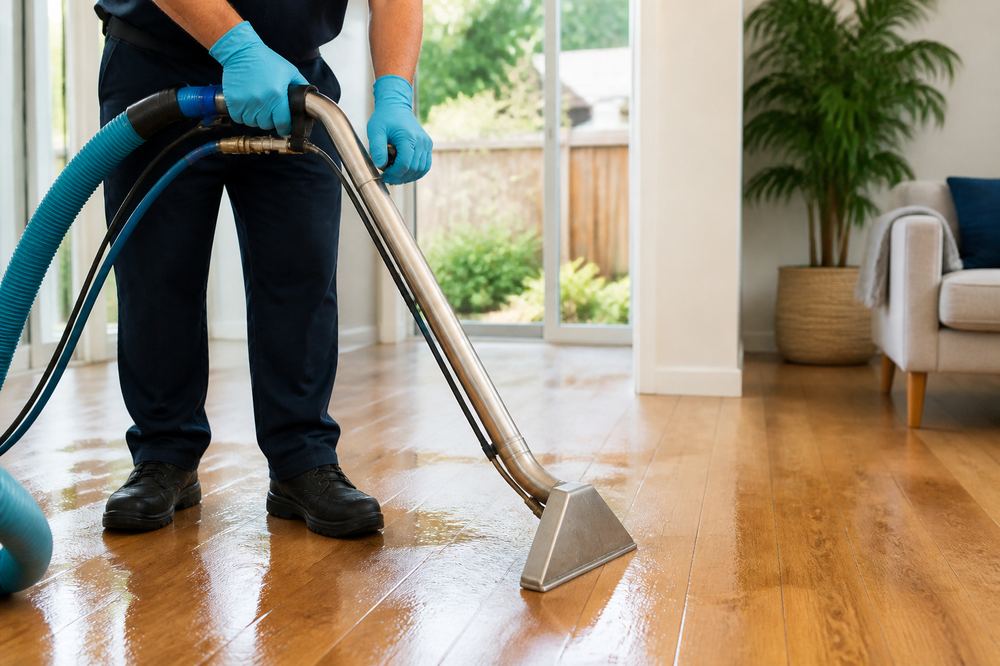
Emergency Water Damage Restoration
Assessment, water removal, controlled drying and restoration planning after an unexpected water event.
Water Extraction and Removal
Removal of standing or trapped water using methods selected for the affected property and materials.
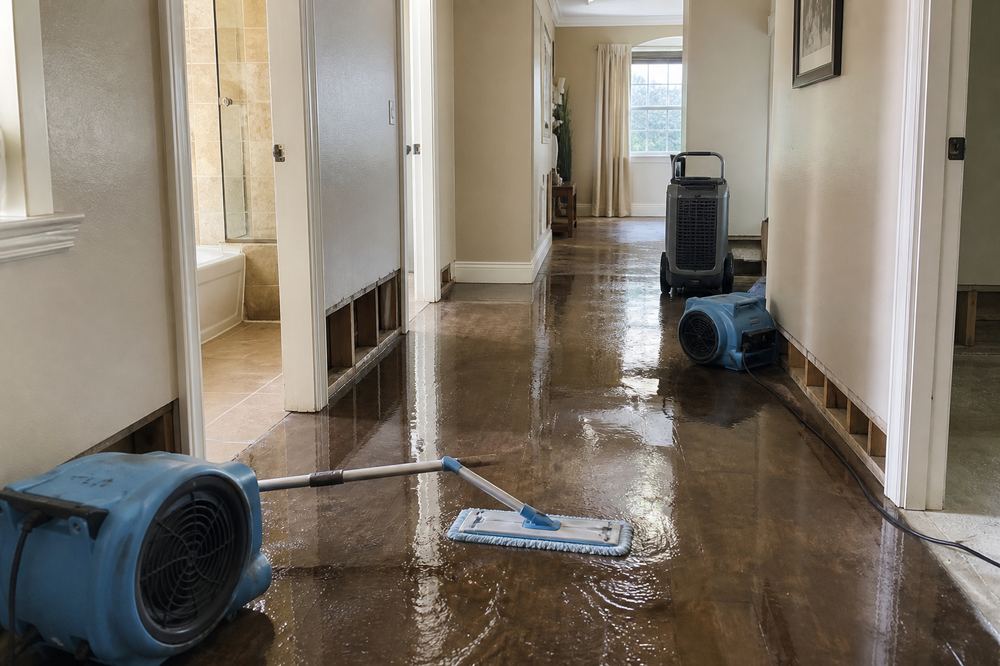
Flood Damage Cleanup
Cleanup and drying support after indoor flooding, stormwater intrusion or property drainage failures.
Sewage Backup Cleanup
Containment and cleanup for potentially contaminated water from drains, toilets or sewer backups.