
Water Damage Restoration covers the full recovery sequence, from assessment and mitigation through cleaning, material replacement, repairs, and final verification. A professional assessment should identify the source, affected materials, contamination or residue concerns, access limitations, and the work required before the property can return to normal use.
What this service typically includes
- source and safety assessment
- water extraction
- moisture mapping
- material evaluation
- structural drying and dehumidification
- cleaning and repair planning
- repair scope development
- finish restoration and closeout documentation
Common causes
- plumbing supply failures
- appliance or fixture leaks
- roof and exterior intrusion
- stormwater or drainage problems
- overflowing fixtures
- water used during fire suppression
Signs to watch for
- standing water or damp materials
- warped flooring or swollen trim
- stains, peeling paint, or sagging finishes
- musty odor or persistent humidity
- moisture in adjacent rooms or lower levels
Typical process
- Assess. Confirm safe access, identify the source, and document affected areas.
- Control. Stop or isolate ongoing water and coordinate the correct trade.
- Extract. Remove standing and recoverable water.
- Evaluate. Decide what can be dried, cleaned, or must be removed.
- Dry. Use planned air movement, dehumidification, and monitoring.
- Restore. Clean, repair, and verify the area before closeout.
Where it applies
This service can be adapted for homes, apartments, offices, retail spaces, hospitality properties, warehouses, and managed buildings. Residential work often requires contents protection and occupant communication. Commercial work may add tenant coordination, security, reporting, after-hours access, and phased reopening. State only the property types the business genuinely serves.
Cost factors
- size of the affected area
- source and duration of the damage
- materials and contents involved
- access, containment, and equipment needs
- specialty-trade or reconstruction requirements
- finish matching, permits, and reconstruction
A reliable estimate follows an inspection. Avoid a universal price that ignores source, affected area, material condition, contamination, access, labor, equipment, disposal, specialty trades, and reconstruction.
FAQ
Does restoration include reconstruction?
It can. Confirm whether the contractor performs repairs directly or coordinates separate licensed trades.
What affects the project timeline?
The source, affected materials, contamination, access, drying or cleaning progress, and repair requirements all influence timing.
What should be documented?
Photograph visible conditions, record dates and affected areas, keep invoices, and preserve required insurance or property-management communications.
Related services
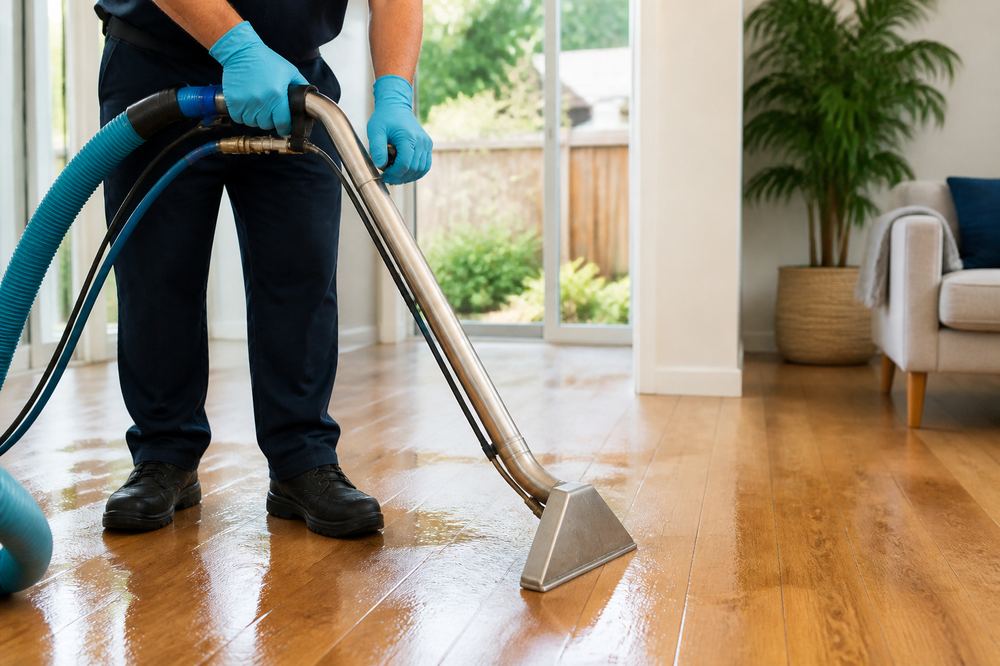
Emergency Water Damage Restoration
Assessment, water removal, controlled drying and restoration planning after an unexpected water event.
Water Extraction and Removal
Removal of standing or trapped water using methods selected for the affected property and materials.
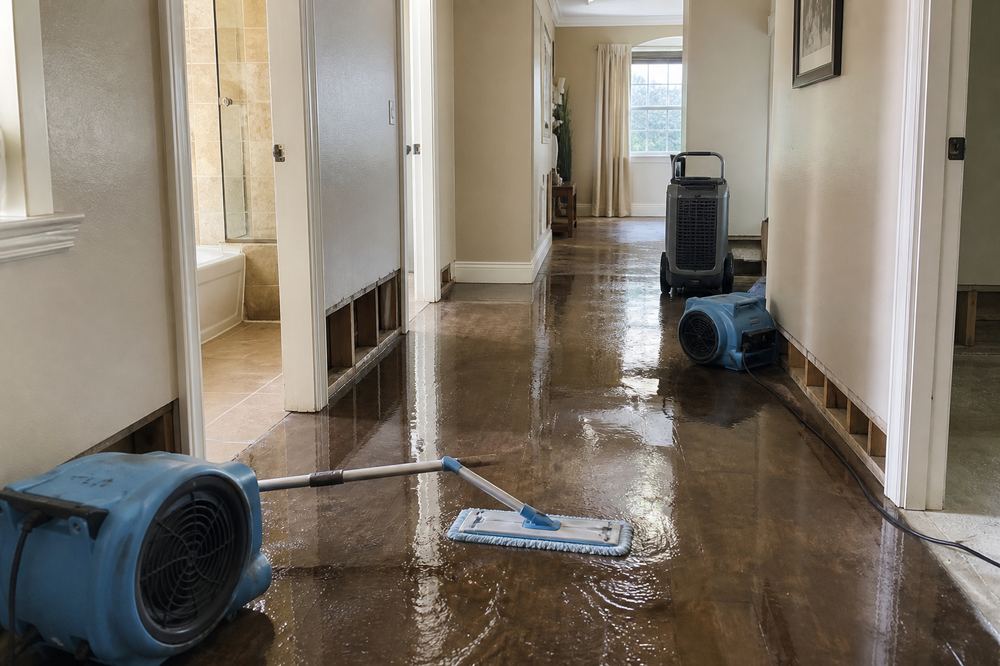
Flood Damage Cleanup
Cleanup and drying support after indoor flooding, stormwater intrusion or property drainage failures.
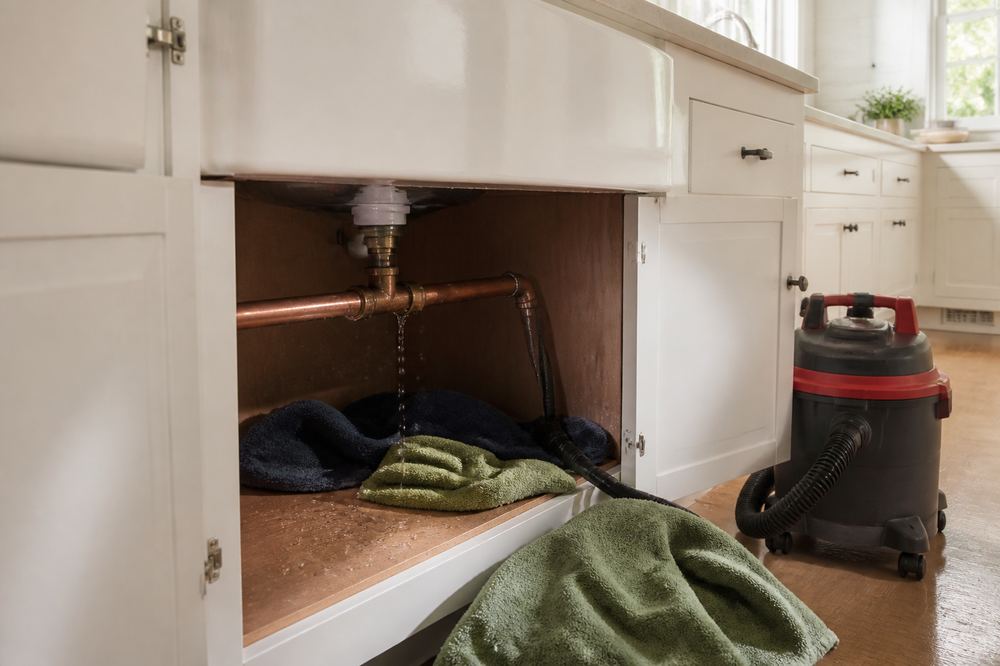
Burst Pipe Water Damage
Water removal and drying after a failed or damaged plumbing line.