
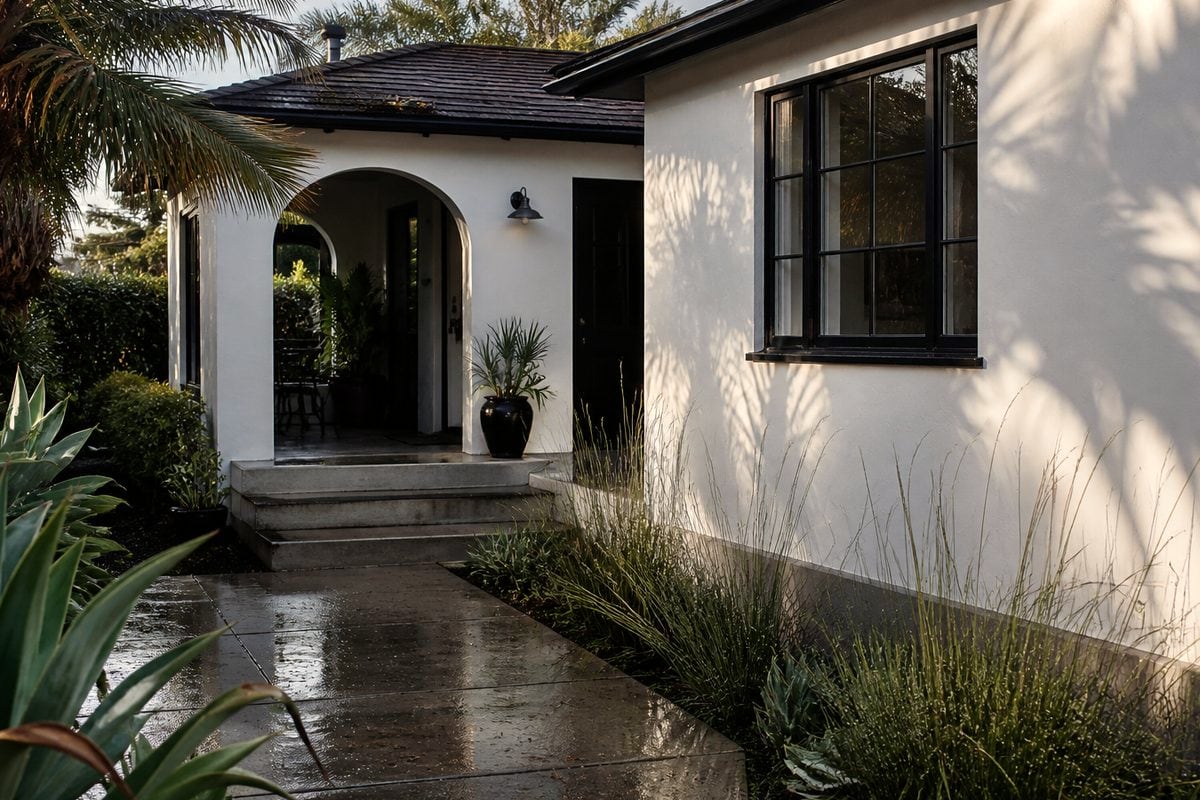
Storm cleanup guides written for hurricane country don't translate well to Los Angeles. This region's storm risk looks different: atmospheric river storms that dump intense rain in short bursts, flash flooding in low-lying areas and along the concrete channels of the LA River watershed, and, in hillside and canyon communities near recent burn areas, elevated runoff and debris-flow risk during heavy rain. This guide covers storm flood cleanup the way it actually plays out here, from the safety checks before you start to the specific stages of getting a home clean and dry again.
Los Angeles doesn't get storms often, and that's part of what makes them dangerous. Drainage systems, roofing, and grading built for a mostly dry climate get tested hard during a handful of intense rain events each winter rather than facing steady rainfall year round. That means storm damage here often catches homeowners off guard in ways it wouldn't in a region where heavy rain is routine.
What Safety Steps Come Before Storm Cleanup Begins?
Before any cleanup starts, confirm the structure is safe to be in and that you're protected from contact with potentially contaminated storm water. Skipping this step is the most common and most dangerous storm cleanup mistake.
Checking for Structural and Electrical Hazards
Look for sagging ceilings, buckled walls, or any sign the storm compromised the structure before you go further inside. Check the roofline and exterior walls from outside first if it's safe to do so, since visible exterior damage often signals interior damage you haven't seen yet. Avoid any area with visible water near an active electrical source, and if you're unsure, treat power as on until a professional or your utility confirms otherwise. This applies to garages, basements, and crawl spaces just as much as living areas, since those spaces often flood first and get checked last.
Personal Protective Equipment
Waterproof gloves, rubber boots, and eye protection are the baseline for storm cleanup, since storm floodwater picks up soil, debris, and sometimes chemical runoff on its way into a home. For larger or visibly contaminated flooding, professional-grade protective equipment and containment are generally recommended over DIY cleanup.
How to Document Storm Damage Before You Start Cleaning
Photograph and video every affected area and damaged item before you remove or discard anything, since this record supports your insurance claim and gives any restoration team a clear picture of pre-cleanup conditions.
- Wide shots of each affected room, plus close-ups of specific damage
- Water line marks on walls or furniture, which help establish how high water rose
- Exterior damage, including roofing, gutters, and grading issues that may have contributed to the flooding
- A written or photographed inventory of damaged belongings, including approximate value where you can estimate it
- Notes on the approximate storm date and how water entered the home, since insurers typically ask for this early in a claim
This documentation step often gets skipped in the rush to start cleaning, but it's worth the extra twenty minutes. It protects your claim and gives you leverage if a coverage question comes up later.
How Storm Flood Cleanup Works, Step by Step
Storm flood cleanup generally moves through five stages, from initial airflow and safety through final structural drying, and skipping or rushing any one of them is where most storm cleanup problems start.
Stage 1: Air Out and Ventilate
Open windows and doors where weather allows and get airflow moving through affected rooms as soon as it's safe, which starts reducing humidity before equipment even arrives. If outdoor humidity is high, as it often is along the coast during the marine layer season, this step matters less than getting mechanical drying equipment running as soon as possible.
Stage 2: Move Out Damaged Belongings
Remove wet furniture, rugs, and other belongings from affected rooms so the space can be assessed and dried without obstruction, setting aside anything you're unsure about for a closer look later rather than making a rushed decision to discard it.
Stage 3: Tear Out Unsalvageable Materials
Saturated drywall, carpet padding, and insulation that stayed wet too long typically need to come out, since drying them in place rarely resolves the underlying moisture and mold risk. This step often feels like the most drastic one, and it's a reasonable moment to ask a restoration professional to explain exactly why a given material can't be saved rather than simply removed as a precaution.
Stage 4: Clean Out and Disinfect
Surfaces exposed to storm water, especially water that may have picked up soil, debris, or runoff from streets and hillsides, get cleaned and disinfected before drying continues, addressing the contamination piece that separates storm cleanup from a simple indoor leak.
Stage 5: Dry Out the Structure
Air movers and dehumidifiers run until moisture readings in the walls, flooring, and subfloor return to normal, which is the step most DIY cleanups cut short. Surface-dry is not the same as structurally dry, and the gap between the two is where hidden moisture and, eventually, mold tend to develop. For a closer look at professional-grade extraction and drying, see Flood Damage vs Water Damage: What Is the Difference?.
Common Storm Cleanup Mistakes to Avoid
The gap between a storm cleanup that goes well and one that turns into a mold problem months later usually comes down to a few avoidable mistakes.
- Re-entering the home before confirming it's structurally and electrically safe
- Delaying water extraction while dealing with other storm aftermath, which quietly burns through the 24 to 48 hour window before mold risk climbs
- Skipping photo documentation before starting cleanup, which can complicate an insurance claim later
- Drying materials only on the surface instead of fully, which leaves hidden moisture behind walls and under flooring
- Painting or covering a water-stained area without addressing the moisture underneath, a shortcut that hides a problem rather than solving it
- Assuming a small, contained-looking leak couldn't possibly have reached wall cavities or subflooring without checking
How Soon Mold Can Start After a Storm Flood
Mold can begin developing within 24 to 48 hours after water exposure when moisture, warmth, and an organic surface are present, the same timeline that applies to any water damage event. That's why fast extraction and drying after storm-related flooding matter as much as the initial cleanup itself. Can Water Damage Cause Mold? What Los Angeles Homeowners Need to Know covers the full timeline and warning signs in detail.
How to Prevent Storm Flood Damage in the Future
A handful of maintenance steps meaningfully reduce storm flood risk for Los Angeles properties, particularly ahead of the November through March rainy season.
- Clean gutters and downspouts before the rainy season starts, ideally in early fall before the first storm
- Grade soil and landscaping so water drains away from the foundation instead of pooling against it
- Install a sump pump in flood-prone basements, crawl spaces, or low-lying areas of the property
- Address hillside erosion control if your property sits below a slope, especially near a recent burn area, where vegetation loss increases runoff for several rainy seasons
- Inspect roofing and flashing annually for wear that heavy rain will find, since small gaps that never leaked during a light drizzle can fail under a heavier storm
- Keep an emergency kit with basic protective equipment, a flashlight, and your insurance policy information somewhere easy to grab
None of this eliminates storm risk entirely. Los Angeles will always get a handful of intense rain events each winter. But consistent maintenance meaningfully reduces how much water actually makes it inside when that rain arrives.
When to Call a Professional Storm Cleanup Company
A handful of situations turn storm cleanup from a DIY weekend project into a job that needs professional equipment and expertise right away.
- Standing water covering more than a small, contained area
- Water that entered from outside the home, storm runoff, or rising water
- Any visible structural damage or electrical hazard
- Contaminated or foul-smelling water
- Uncertainty about how much moisture reached wall cavities or subflooring
Price gouging and rushed, overpriced contractors are a real concern after any major storm event, and it's a fair worry, not an overreaction. A legitimate restoration company should be willing to explain its process, answer direct questions about scope, and avoid pressuring you into decisions on the spot. Take the time to ask questions even in an urgent situation.
Call request a callback for a professional assessment before storm damage turns into a longer-term problem.
Frequently Asked Questions About Storm Flood Cleanup
How soon does mold start growing after a storm flood?
Mold can begin developing within 24 to 48 hours after water exposure when moisture, warmth, and an organic surface are present. That's why fast extraction and drying after any storm-related flooding matter as much as the initial cleanup itself.
What PPE do I need for storm cleanup?
Basic protective equipment typically includes waterproof gloves, rubber boots, and eye protection, since storm floodwater can carry contaminants. For larger or contaminated flooding, professional-grade protective equipment and containment are generally recommended.
Do I need to photograph damage before I start cleanup?
Yes. Photograph and video all affected areas and damaged belongings before removing or discarding anything. This documentation supports your insurance claim and gives a professional restoration team a clear record of pre-cleanup conditions.
Can I paint over mold instead of removing it?
No. Painting over mold does not eliminate it and can allow it to keep growing beneath the surface. Mold needs to be properly removed and the underlying moisture source addressed first.
Is it safe to clean up storm damage myself?
Minor surface cleanup with proper safety gear can often be handled on your own. Larger volumes of standing water, contaminated water, or storm damage affecting structural materials typically call for professional assessment and cleanup.
What are the most common storm cleanup mistakes?
Common mistakes include re-entering before confirming safety, delaying water extraction, skipping documentation, and drying materials incompletely, which can allow hidden moisture and mold to develop later.
Get Storm Flood Cleanup Help in Los Angeles
Storm season in Los Angeles moves fast, and so should storm cleanup. LA Water Damage handles storm flood cleanup across Greater Los Angeles, from initial extraction through full structural drying and repair. [details pending verification]
Call request a callback or visit contact form for storm flood cleanup help.
---