
A flooded house forces a dozen decisions at once, and getting the order right matters. Safety comes first, documentation comes second, water removal comes third, and professional help comes in whenever the situation exceeds what you can safely handle alone. This guide walks through each step in the order that actually protects your family, your home, and your insurance claim.
It's worth naming the two anxieties most homeowners feel in this moment, because they shape the decisions ahead. One is cost. Restoration, repairs, and possibly replacing belongings add up fast, and most people have no real sense of what any of it costs until they're in the middle of it. The other is trust. Post-disaster situations attract opportunistic contractors along with legitimate ones, and knowing how to vet a restoration company matters as much as knowing how to remove water. Keep both in mind as you work through the steps below.
Step 1: Put Safety First
Before you touch anything, confirm the space is physically safe to enter, since floodwater combined with electrical systems and structural stress creates real hazards that aren't always visible.
Shut Off Power, Gas, and Water
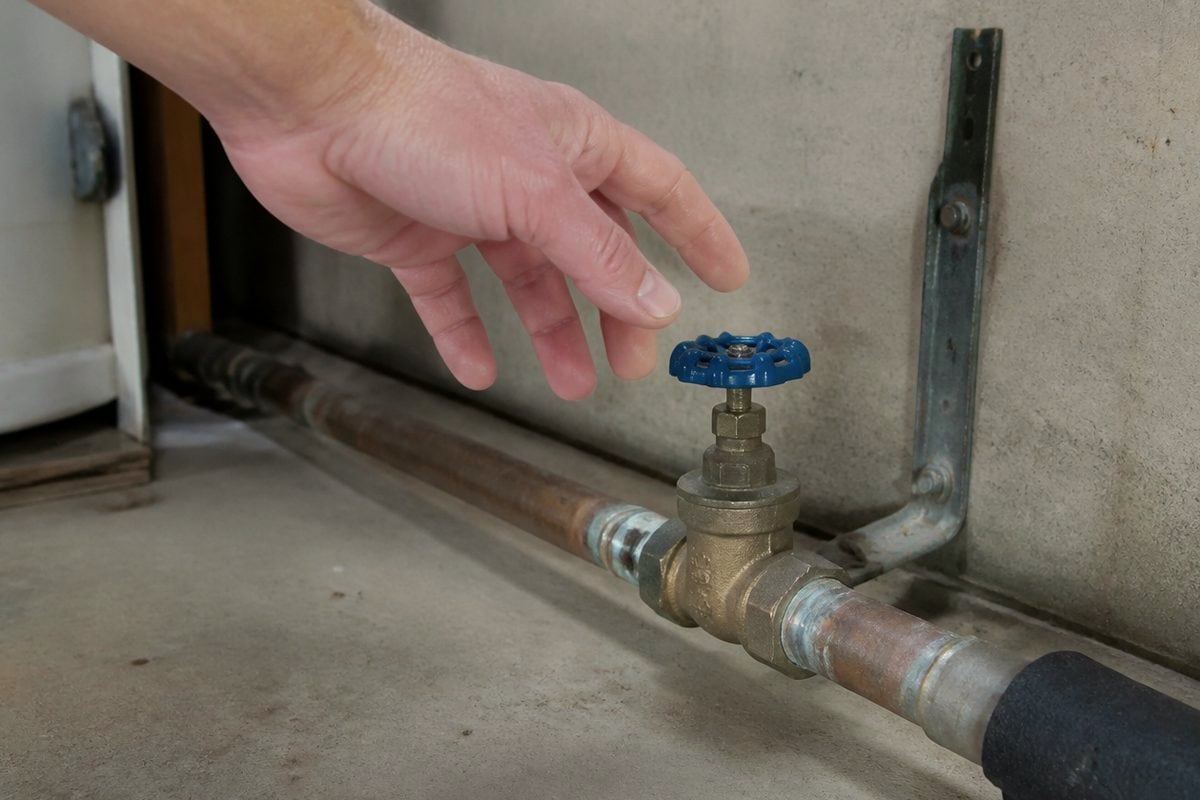
If it's safe to reach your electrical panel without stepping through water, shut off power to affected areas. Shut off the gas supply if you smell gas or suspect a leak, and shut off the water supply at the main if the flood is from a plumbing failure. If reaching any of these safely isn't possible, don't attempt it. Wait for a professional or your utility provider instead, since the risk of electrocution or a gas-related incident outweighs the cost of a short delay.
Wear Protective Equipment
Waterproof boots, gloves, and eye protection reduce your risk of contact with contaminated water, sharp debris, or chemical residue that floodwater can carry into a home. This matters even for water that looks clean, since floodwater picks up whatever it travels through before it reaches your door.
Know When It's Not Safe to Enter
Don't enter if you see standing water near an active electrical source, visible structural damage like sagging ceilings or buckled walls, or floodwater that appears contaminated with sewage or chemicals. A strong chemical or sewage odor is itself a signal to stay out until the situation is assessed. When in doubt, wait for a professional or emergency responder to confirm it's safe.
Step 2: Document the Damage for Insurance
Photograph and video everything before you move, remove, or dispose of a single item, since that documentation is the foundation of your insurance claim.
Photos and Video Before You Touch Anything
Walk through every affected room and capture wide shots of the damage along with close-ups of specific items, water lines on walls, and any visible structural issues.
What to Note for Your Insurance Claim
- The date and approximate time the flooding started
- The suspected source of the water
- A room-by-room inventory of damaged belongings, with approximate value where you can estimate it
- Any temporary repairs you make, since insurers generally expect reasonable steps to prevent further damage
- Contact information for your insurance provider and your claim number once assigned
Step 3: Remove Standing Water and Begin Drying
Once it's safe and documented, removing standing water quickly is the single most effective thing you can do to limit long-term damage and mold risk.
Removing Water Safely
A wet vacuum works for smaller amounts of standing water. A sump pump or professional-grade pump is usually necessary for larger volumes, and even a strong household wet vacuum can take hours to clear what industrial equipment removes in a fraction of the time. For any significant flooding, DIY water removal has real limits, both in equipment capacity and in how quickly it can realistically be done, and every hour water sits is an hour closer to the 24 to 48 hour window when mold risk climbs sharply.
Salvaging What You Can
Move undamaged or lightly affected items to a dry area immediately, ideally somewhere with airflow rather than a closed closet. Non-porous items like plastic, glass, and metal usually clean up well with basic cleaning and disinfecting. Porous items that have been soaked for an extended period, such as carpet padding, particleboard furniture, or upholstered items, are often not salvageable, since they hold moisture deep inside their structure in a way that's difficult to fully dry. Sentimental items like photos, documents, and family heirlooms deserve extra care and, in many cases, specialized drying rather than a quick toss in the trash.
Starting the Drying Process
Open windows if outdoor humidity is lower than indoor humidity, run fans and air movers, and use a dehumidifier if you have access to one. This buys time, but it rarely replaces the drying capacity of professional equipment for anything beyond a small, contained area. Water Damage Restoration Services covers what that professional-grade drying process looks like in detail.
Step 4: Call a Professional Restoration Company
For any flood beyond a minor, quickly contained spill, calling a professional restoration company early protects both the structure and your health, since delayed extraction and drying is the single biggest driver of mold growth and structural damage. [details pending verification]
What to Expect From Professional Flood Restoration
A restoration company typically starts with an assessment of the water category and the extent of damage, then moves into extraction, drying, and cleanup based on what that assessment finds.
Water Extraction and Structural Drying
Industrial pumps and wet vacuums remove standing water far faster than consumer equipment, and commercial-grade air movers and dehumidifiers dry structural materials, walls, and subflooring more thoroughly than a household fan setup can. Moisture meters and, in many cases, thermal imaging confirm when materials are actually dry rather than just dry to the touch, since the difference between the two is exactly where hidden mold problems start.
Cleaning, Disinfecting, and Repairs
Once the structure is dry, affected surfaces are cleaned and disinfected, and any materials that couldn't be salvaged are removed before repairs begin, closing the loop between damage and a livable space again. A straightforward explanation of what's being replaced versus repaired, and why, is a reasonable thing to ask for at this stage. It also helps address a common worry after any disaster response: whether every recommended step is actually necessary or whether some of it is upselling. A transparent restoration company should be able to explain that distinction clearly.
If your home has taken on water, call request a callback to get a professional assessment started.
How Long Does It Take a House to Dry Out After a Flood?
Drying time varies significantly and depends on how much water was involved, which materials were affected, ambient humidity, and how quickly extraction and drying equipment were deployed. There's no single fixed number that applies to every flood.
A small, contained leak dried with prompt professional equipment moves faster than a whole-room flood involving saturated drywall and subflooring. Los Angeles's dry climate for most of the year can actually work in a homeowner's favor here, since low ambient humidity outside a rainy-season storm event helps materials release moisture faster than they would in a consistently humid region. A professional assessment of your specific situation, using moisture meters rather than guesswork, gives a far more accurate estimate than any general rule of thumb.
How to Prevent Future Flooding
Reducing future flood risk usually comes down to a handful of maintenance items that are easy to overlook until after the first flood happens.
- Clear gutters and downspouts regularly, especially before the rainy season, since a single clogged gutter can send water straight down a wall instead of away from the house
- Grade soil around the foundation so water flows away from the house rather than pooling against it
- Install a sump pump in areas prone to water intrusion, particularly homes with a basement, crawl space, or known low point
- Inspect and maintain aging supply lines, especially in homes with older galvanized or cast iron plumbing that's more likely to fail without warning
- Check roof flashing and seals annually, particularly before Los Angeles's rainy season, when a full season of dry heat can leave sealants brittle
- Know your home's water shutoff location before you need it, so a future leak doesn't cost extra minutes while you search for the valve
Frequently Asked Questions About House Flood Cleanup
Is it safe to enter my house after a flood?
Only after confirming power, gas, and water utilities are safely shut off and there's no visible structural damage, standing electrical hazard, or contaminated water. If in doubt, wait for a professional or emergency responder to confirm it's safe first.
What should I do first after my house floods?
Prioritize safety by shutting off utilities and avoiding contact with standing water, then document the damage with photos and video before removing anything, so you have a clear record for your insurance claim.
How long does it take a house to dry out after a flood?
Drying time varies significantly based on how much water was involved, the materials affected, humidity levels, and how quickly extraction and drying equipment are deployed. Professional assessment gives the most accurate estimate for your specific situation.
Can I clean up flood damage myself?
Minor water intrusion may be manageable with proper safety gear and equipment. Larger floods, contaminated water, or water that has been standing for more than a day or two typically require professional extraction and drying to prevent mold and structural issues, a risk covered in more depth in Can Water Damage Cause Mold? What Los Angeles Homeowners Need to Know.
Does homeowners insurance cover flood cleanup?
Coverage depends on your specific policy and the source of the water. Confirm details directly with your insurance provider, since standard homeowners policies often treat flooding differently than an internal water leak. Flood Damage vs Water Damage: What Is the Difference? explains that distinction in full.
What can be salvaged after a house flood?
It depends on the material and how long it was wet. Non-porous items often clean up well, while porous materials like carpet padding or drywall that stayed wet too long may need to be removed. A professional can assess what's salvageable.
Get Emergency Flood Cleanup Help in Los Angeles
A flooded house is stressful enough without guessing at the right order of operations. LA Water Damage provides emergency flood cleanup and restoration across Greater Los Angeles, from initial water extraction through final repairs. [details pending verification]
Call request a callback or visit contact form for immediate flood cleanup assistance.
---