
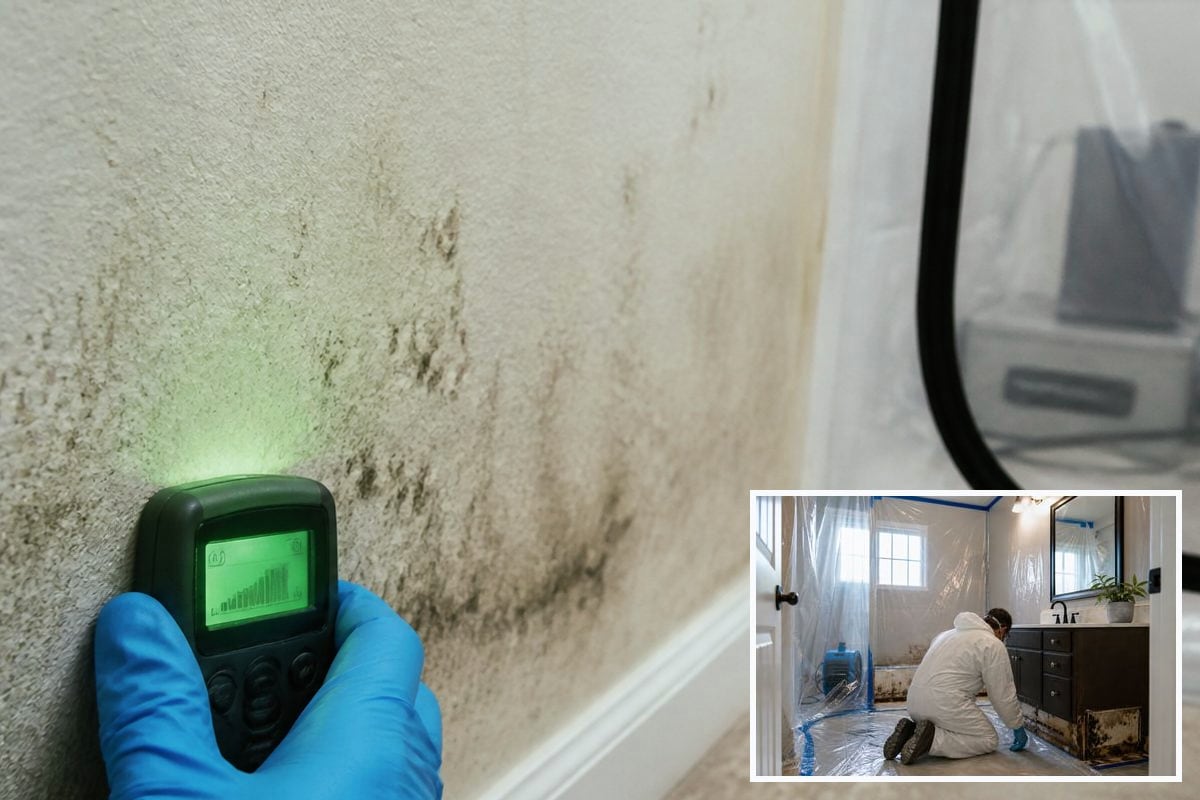
Most homeowners picture mold starting with a dramatic flood. In reality, it usually starts quietly, with air that stays a little too damp for a little too long. Indoor humidity, not standing water, is the condition that lets mold take hold in the average Los Angeles home. Once you understand what humidity level actually triggers mold growth and where moisture hides in a house, prevention becomes a lot less mysterious and a lot more manageable.
This guide walks through the science of humidity and mold, how to measure it correctly, room-by-room prevention steps, and when a humidity problem has crossed the line from a DIY fix to a job for a professional.
Why Indoor Humidity Is the Real Cause of Household Mold
Mold growth depends on moisture in the air and on surfaces, not just visible water. Chronic high humidity feeds mold just as effectively as a leaking pipe, which is why homes with no obvious water damage can still develop a serious mold problem.
What Mold Actually Needs to Grow (Moisture, Food Source, Oxygen, Temperature)
Mold spores are present in almost every indoor and outdoor environment. They only become a problem when four conditions line up: moisture, a food source, oxygen, and a moderate temperature. Drywall paper, wood framing, dust, and carpet backing all count as food sources, which means most homes already have plenty of material mold can use. Oxygen and moderate indoor temperatures are present in nearly every occupied room. That leaves moisture as the one variable a homeowner can actually control, which is why humidity management is the center of any real mold prevention strategy.
What Humidity Percentage Causes Mold? (The 30–50% RH Rule)
Mold typically begins establishing itself when indoor relative humidity stays above 60 percent for extended periods. Relative humidity, or RH, is the percentage of moisture the air is holding compared to the maximum it could hold at that temperature. The EPA and most building scientists recommend keeping indoor RH between 30 and 50 percent year-round. Below 30 percent, homes can feel dry and uncomfortable. Above 60 percent, materials like wood trim, wallpaper glue, and carpet padding can hold enough moisture to support mold colonization within one to two days.
Signs Your Home's Humidity Is Already a Problem
The clearest signs of a humidity problem are condensation on windows or pipes, a persistent musty odor, and visible discoloration on walls, ceilings, or grout. If you notice more than one of these at the same time, humidity is likely already elevated beyond a safe range.
Visible Signs (Condensation, Musty Odor, Discoloration)
Condensation on the inside of windows, especially in the morning, is one of the earliest and most reliable indicators of excess indoor humidity. A musty smell, even a faint one, often shows up before any visible mold does because it comes from microbial volatile organic compounds released as mold begins to grow. Dark spotting on ceiling corners, closet walls, or bathroom grout lines is a later-stage sign that moisture has already been present long enough for colonization to start.
Hidden Signs (Behind Walls, Under Flooring, in Crawl Spaces and Attics)
Not every humidity problem announces itself visibly. Peeling paint, a slightly warped baseboard, or a wall that feels cool and slightly damp to the touch can indicate moisture trapped behind drywall. Attics and crawl spaces are especially prone to hidden mold because they're rarely inspected and often poorly ventilated. If you notice a musty smell with no obvious visible source, it's worth checking these hidden spaces before assuming the problem isn't there.
How to Measure and Monitor Indoor Humidity
The only reliable way to know your home's actual humidity level is to measure it with a hygrometer, a small device that reads relative humidity the way a thermometer reads temperature. Guessing based on how the air "feels" is not accurate enough to catch a developing problem early.
Using a Hygrometer Correctly
A basic digital hygrometer costs relatively little and gives an immediate RH reading. Place one in each area of concern, since humidity can vary significantly by room, and check readings at different times of day, since cooking, showering, and laundry all cause temporary spikes. A single high reading isn't necessarily alarming. A reading that stays above 60 percent for hours at a time, day after day, is the pattern that actually matters.
Ideal Humidity Ranges by Room
Different rooms have different realistic humidity targets because of how they're used. The table below gives general target ranges for a typical Los Angeles home.
| Room | Ideal RH Range | Why It Differs |
|---|---|---|
| Living areas / bedrooms | 30–50% | Standard comfort and mold-prevention range |
| Bathrooms (between uses) | 30–50%, spikes during showers are normal | Ventilation should return RH to baseline within 20–30 minutes |
| Kitchen | 30–50%, spikes during cooking are normal | Exhaust ventilation should clear steam quickly |
| Crawl spaces | Under 55%, ideally with a vapor barrier | Ground moisture makes crawl spaces naturally more humid |
| Attics | Under 55%, dependent on ventilation | Poor attic ventilation traps heat and moisture together |
Room-by-Room Humidity and Mold Prevention Steps
Different rooms create moisture in different ways, so the most effective prevention plan treats each space according to its actual risk factors rather than applying one generic rule to the whole house.
Bathrooms and Showers
- Run the exhaust fan during every shower and for at least 20 minutes afterward
- Squeegee shower walls and glass after each use to reduce standing moisture
- Fix a running or dripping faucet immediately rather than waiting
- Inspect grout and caulk twice a year and reseal at the first sign of cracking
- Leave the bathroom door open after showering to allow moisture to disperse
Kitchens and Laundry Rooms
- Use the range hood or exhaust fan every time you cook with steam or boiling water
- Vent the dryer directly outside, never into an attic, crawl space, or garage
- Check the dryer vent for lint buildup at least once a year, since a blocked vent traps moisture indoors
- Wipe down counters and backsplashes near the sink regularly to prevent standing water
Basements, Crawl Spaces and Attics
- Install a vapor barrier over exposed crawl space soil to block ground moisture
- Ensure attic vents are not blocked by insulation, which is a common and easily missed mistake
- Check for gaps around plumbing or wiring penetrations where humid outdoor air can enter
- Consider a dedicated dehumidifier in a crawl space that consistently reads above 55 percent RH
Bedrooms and Closets
- Avoid placing furniture flush against exterior walls, which restricts airflow and traps moisture
- Use closet vents or leave doors slightly ajar in closets built against exterior walls
- Keep houseplants, which release moisture through transpiration, away from poorly ventilated corners
- Air out linen closets and shoe storage periodically, especially in homes near the coast
HVAC, Ventilation and Dehumidifier Best Practices
Your HVAC system, meaning your home's heating, ventilation, and air conditioning system, plays a bigger role in humidity control than most homeowners realize, and neglecting it is one of the most common causes of a slow humidity creep.
Furnace Humidifier Maintenance
Some furnaces have a built-in humidifier meant to add moisture during dry winter months. If yours is left running through the wetter parts of the year, or its settings are simply forgotten, it can push indoor humidity well past the ideal range. Check the humidifier's setting seasonally and turn it off entirely if your home doesn't need added moisture.
HVAC and Duct Inspection Schedule
Leaky or poorly insulated ductwork, especially in an attic, can introduce warm humid air into the system or create condensation inside the ducts themselves. Have ducts inspected during routine HVAC service, and address any insulation gaps or leaks promptly since they're a common hidden humidity source.
Choosing a Dehumidifier: What Actually Matters
Dehumidifier shopping gets confusing fast, but a few specifications matter more than the marketing copy. Capacity, measured in pints removed per day, should be sized to the square footage and baseline humidity of the space, not just picked at random. A built-in humidistat lets the unit run only when needed rather than constantly. Continuous drainage options save you from emptying a tank daily in a genuinely humid space like a crawl space. It's worth being direct here: a small portable unit rated for a bedroom will not meaningfully dry out a whole basement, no matter how long you run it.
Exhaust Fans and Mechanical Ventilation
Bathroom and kitchen exhaust fans only work if they vent to the outside, not just into an attic space. If your home's fans seem underpowered, check the fan's CFM rating, which measures cubic feet of air moved per minute, against the room's square footage. An undersized fan will run constantly without meaningfully reducing humidity.
Exterior and Structural Moisture Sources
Even a home with excellent interior habits can develop a mold problem if moisture is entering from outside, which is why an honest assessment has to include the building envelope, not just daily habits.
Roof, Flashing and Gutter Maintenance
Roof flashing, the metal strips sealing joints around chimneys, vents, and skylights, is one of the most common points of water entry when it deteriorates. Clean gutters twice a year, more often if you have overhanging trees, and confirm downspouts direct water at least several feet away from the foundation.
Foundation Grading and Drainage
The ground around your home should slope away from the foundation, not toward it. Improper grading pushes water against foundation walls, where it can seep into crawl spaces or lower-level rooms over time. This is a frequently overlooked cause of chronic basement or crawl space humidity.
Window and Door Seals
Deteriorated weatherstripping and cracked caulk around windows and doors let humid outdoor air infiltrate, particularly during Southern California's marine-layer mornings. Inspect and replace seals every couple of years, sooner in coastal areas where salt air accelerates wear.
What to Do After a Flood, Storm or Plumbing Leak
Fast, thorough drying after any water event is the single most effective mold-prevention action you can take, because mold does not need days to establish itself once materials are wet.
###### Emergency Drying Timeline (Why the First 24–48 Hours Matter)
Materials should be dried within 24 to 48 hours of water exposure to prevent mold colonization, according to both EPA and restoration industry guidance. Beyond that window, wet drywall, carpet, and wood framing become significantly more likely to support mold growth, even after the surface looks dry. This is one reason quick water extraction and structural drying matters more than it might seem in the moment. Drain and Sewer Backup Prevention Checklist for Los Angeles Homeowners
California and Los Angeles Climate Considerations
Los Angeles's climate is more varied than its reputation for sunshine suggests, and that variation directly affects indoor humidity risk depending on where in the region a home sits.
Coastal Marine-Layer Humidity vs. Inland Dry Heat
Neighborhoods closer to the coast regularly experience marine-layer humidity, the thick morning cloud cover that rolls in off the Pacific and can keep outdoor and indoor humidity elevated well into the late morning. Inland communities, by contrast, deal with dry heat for much of the year, which lowers mold risk but raises other concerns like cracked caulk and shrinking wood trim. A home's prevention priorities should reflect which of these patterns it actually experiences, not a one-size-fits-all assumption about Southern California weather.
Older LA Housing Stock and ADU Conversion Risks
A large share of Los Angeles's housing stock predates modern vapor-barrier and ventilation standards, and many garages and basements have been converted into accessory dwelling units, or ADUs, without always addressing the moisture-control upgrades a full living space requires. If you're converting or renting an ADU, it's worth confirming ventilation and vapor-barrier work was actually done, not just assumed. Water-Damage Prevention for Vacant Properties in Los Angeles
Mold Cleanup: What You Can Safely Do Yourself vs. When to Call a Professional
Small, isolated mold patches can often be handled safely by a homeowner, while larger or recurring mold problems generally call for a qualified remediation professional.
DIY Cleanup Guidelines for Small Areas (Under 10 Sq. Ft.)
The EPA notes that mold-affected areas smaller than roughly 10 square feet, about a 3-foot by 3-foot patch, can often be cleaned by a homeowner using water and detergent or a labeled mold-cleaning product, followed by thorough drying. The material has to actually dry out afterward, or the mold is likely to return within weeks.
Safety Precautions and Protective Equipment
Wear gloves, an N95 respirator or better, and eye protection when cleaning any mold, even a small patch. Ventilate the area with an open window and, if possible, seal off the space from the rest of the home with plastic sheeting to avoid spreading spores during cleanup.
###### Health and Safety Note on Mold Exposure (Consult a Physician for Symptoms)
Mold exposure can trigger allergy-like symptoms, respiratory irritation, or worse reactions in people with asthma, compromised immune systems, or existing respiratory conditions. If anyone in the household experiences ongoing symptoms that seem connected to a mold issue, consult a physician rather than trying to self-diagnose.
Signs You Need Professional Mold Remediation
Call a professional if mold covers an area larger than about 10 square feet, if it keeps returning after cleaning, if it resulted from contaminated water such as a sewage backup, or if it's growing inside HVAC ductwork. Mold in these situations is difficult to fully remove without specialized equipment and containment procedures. Water Category and Class Explained: Understanding IICRC S500 Water Damage Standards
How LA Water Damage Helps With Humidity-Related Mold Prevention and Remediation
Inspection and Moisture-Mapping Services
[details pending verification]
Certifications and Standards We Follow
[details pending verification]
Service Area
[details pending verification]
Frequently Asked Questions About Humidity and Mold Prevention
What humidity level is considered too high for preventing mold?
Most experts, including the EPA, recommend keeping indoor relative humidity below 60 percent, ideally between 30 and 50 percent. Above that range, moisture accumulates on surfaces and inside materials fast enough for mold spores to establish colonies within 24 to 48 hours in the right conditions.
Can mold grow even if I don't see standing water?
Yes. Mold only needs moisture in the air or in a material, not standing water. Chronic high humidity, condensation on windows or pipes, and poor ventilation can feed mold growth just as effectively as a visible leak, often in hidden spots like behind drywall or under flooring.
How do I know if my home already has a hidden humidity or mold problem?
Watch for a persistent musty odor, unexplained allergy or respiratory symptoms at home, condensation on windows or ducts, and discoloration on walls or ceilings. If you suspect hidden mold behind a wall or under flooring, a moisture inspection is safer than guessing.
Is it safe to clean mold myself?
The EPA notes small areas, under roughly 10 square feet, can often be cleaned by a homeowner using proper protective equipment and ventilation. Larger areas, mold from sewage-contaminated water, or mold affecting anyone with respiratory conditions should be handled by a qualified remediation professional. [details pending verification]
Do air conditioners help prevent mold?
Air conditioning can reduce indoor humidity as a side effect of cooling, but an oversized or poorly maintained AC unit can actually increase humidity problems by short-cycling before it removes enough moisture. Regular HVAC maintenance and, where needed, a dedicated dehumidifier are more reliable controls.
Does Los Angeles' dry climate mean I don't need to worry about mold?
No. While much of the LA basin is drier than the humid Southeast, coastal marine-layer moisture, poor ventilation, plumbing leaks, and older housing stock still create localized humidity problems capable of supporting mold growth indoors, regardless of the outdoor climate.
How quickly should I dry out a leak or flood to prevent mold?
Industry and EPA guidance both point to drying materials within 24 to 48 hours of water exposure to prevent mold colonization. Beyond that window, the likelihood of mold establishing itself in wet drywall, carpet, or wood framing rises sharply.
Get a Humidity and Mold Risk Assessment
Humidity problems are far easier and less expensive to correct before they turn into a mold remediation project. If you've noticed condensation, musty odors, or discoloration that concerns you, a professional moisture inspection can tell you exactly where the problem is coming from and how serious it actually is.
Contact LA Water Damage
Call request a callback or visit contact form to schedule a humidity and mold risk assessment.
---