
Winter's rain has passed, the hills are still green, and your roof and gutters just spent months absorbing whatever the season threw at them. Spring is the window most Los Angeles homeowners skip entirely, and it's exactly when a thirty-minute walk around your property can catch a problem before it becomes a claim.
Why Spring Is a Key Season for Water-Damage Prevention in Los Angeles
Spring matters for water-damage prevention in Los Angeles because it falls right after the rainy season ends and before the dry summer months begin, giving you a clear window to catch and fix damage before it's tested again by the next winter. Greater Los Angeles typically sees its heaviest rainfall between December and March, often in intense atmospheric-river storms rather than steady drizzle. That kind of rain stresses roofing, gutters, and drainage systems in ways that don't always show visible damage right away.
Checking your property in spring, while everything is still fresh in your memory and before months of dry weather mask small leaks, gives you the best chance to catch problems while they're still cheap and simple to fix.
Roof and Gutter Checklist
Your roof and gutters need a spring check because winter rain is the single most common cause of roof-related water intrusion, and small issues like lifted shingles or clogged gutters often go unnoticed until the next storm makes them worse.
- Walk the perimeter of your home and look for granules collecting in gutters or on the ground, a sign of shingle wear
- Check gutters and downspouts for debris, sagging, or pulling away from the roofline
- Look for water stains on interior ceilings, especially near chimneys, skylights, or roof valleys
- Confirm downspouts direct water at least several feet away from your foundation
What a Professional Roof Inspection Covers
A professional roof inspection typically checks flashing around chimneys and vents, the condition of underlayment where visible, and any areas where shingles have lifted or cracked from age or storm exposure. Multi-story or steep roofs are best left to a professional rather than inspected from a ladder yourself.
Signs of Roof and Gutter Damage to Watch For
Watch for sagging gutter sections, visible daylight through roof boards in an attic, water stains on fascia boards, or standing water near your foundation after a storm. Any of these are reasonable triggers to call in a professional rather than wait for the next rainy season.
Plumbing and Appliance Checklist
Plumbing and appliance failures cause a large share of preventable water damage inside Los Angeles homes, and most of the highest-risk points, water heaters, supply lines, and appliance hoses, take only minutes to check each spring.
Water Heater Inspection
Look for rust, corrosion, or moisture around the base of your water heater, and check the age of the unit against its manufacturer-recommended service life. A slow leak at the base is one of the most common sources of unnoticed water damage in a garage or utility closet.
Washing Machine and Dishwasher Hose Checks
Inspect rubber supply hoses on washing machines and dishwashers for bulging, cracking, or brittleness, and consider replacing rubber hoses with braided stainless steel versions, which hold up significantly longer under constant water pressure.
Under-Sink and Toilet Supply Line Checks
Open every cabinet under a sink and check supply lines and shutoff valves for corrosion, moisture, or slow drips. Do the same at every toilet, checking the supply line and the wax ring area at the base for any sign of moisture.
Drainage and Foundation Checklist
Drainage and foundation checks matter in spring because water that pooled near your home during winter rain can quietly saturate soil and stress your foundation long after the storms themselves are over.
Grading and Downspout Drainage
Check that the ground slopes away from your foundation on all sides, and confirm downspout extensions actually carry water away from the house rather than dumping it right against the foundation wall. Proper site drainage is one of the simplest, most overlooked prevention steps a homeowner can take. General stormwater management guidance from resources like California's State Water Resources Control Board offers useful background on managing runoff responsibly, though specific property grading is a job for a contractor if you spot a problem.
Foundation and Crawlspace Inspection
Look for cracks in foundation walls, damp or musty smells in a crawlspace, and any standing water that lingered after the last rain. Crawlspaces are easy to forget about and are also where slow leaks tend to go unnoticed the longest.
Irrigation and Exterior Checklist
Irrigation and exterior fixtures deserve their own spring check because Los Angeles homeowners rely on sprinkler systems far more heavily than homeowners in wetter climates, and a leaking irrigation line can saturate soil against your foundation just as effectively as a storm can.
Sprinkler and Irrigation Leak Checks
Run each irrigation zone and watch for pooling water, spraying at broken heads, or unusually soggy patches near your home's foundation. A sprinkler head aimed too close to the house is a simple, common problem worth adjusting immediately.
Exterior Faucet and Hose Bib Inspection
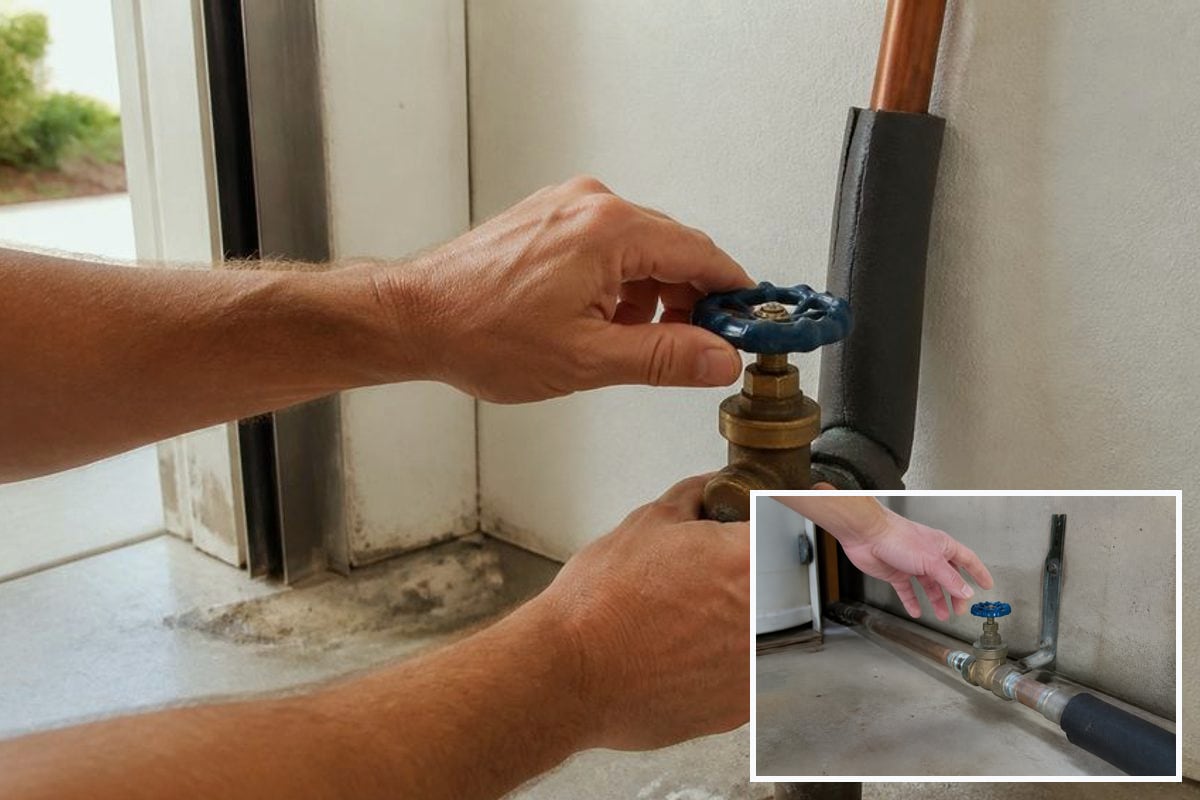
Check outdoor faucets and hose bibs for drips, and inspect the area behind them for water damage to exterior siding or stucco, which can trap moisture against the wall for months before anyone notices.
DIY Tasks vs. When to Call a Professional
Most exterior spring checklist items are safe for homeowners to do themselves, while roof access, suspected foundation issues, or any active leak are better handled by a professional. Checking hose connections, running sprinkler zones, and doing a visual gutter check from the ground are all reasonable DIY tasks. Climbing onto a roof, diagnosing a foundation crack, or investigating a musty crawlspace smell are situations where professional judgment is worth the cost.
What to Do If You Find Water Damage During Your Inspection
If you find water damage during your spring inspection, address the source first if it's safe to do so, document what you see with photos, and contact a restoration professional promptly, since standing moisture can lead to mold growth within 24 to 48 hours.
- Stop the water source if you can safely do so, such as shutting off a supply valve
- Photograph the damage before you touch or move anything
- Note when you first noticed it and how extensive it appears
- Contact a water damage restoration professional to assess the situation
How LA Water Damage Can Help With Spring Prevention and Repairs
LA Water Damage helps Greater Los Angeles homeowners catch and fix water damage risks before they become emergencies, from a small roof leak found during a spring inspection to fully documented repairs after storm damage. Every assessment follows a documented process, starting at [details pending verification], with [details pending verification] once you reach out. Schedule a spring inspection: request a callback / contact form.
For homeowners thinking about the other end of the calendar, Winter Pipe-Freeze Prevention Guide for Los Angeles Properties covers the seasonal risks worth watching for once fall arrives.
Frequently Asked Questions About Spring Water-Damage Prevention
What is the best time of year to inspect my home for water damage risks in Los Angeles?
Spring, right after the winter rainy season and before the dry summer months, is an ideal window to catch roof, gutter, and drainage issues caused by winter rain before they worsen. It also gives you time to fix problems before the next rainy season returns.
How often should I check my water heater for leaks?
A quick visual check every few months, plus a more thorough inspection each spring, can catch corrosion, rust, or slow leaks before they cause significant damage. Most water heaters also have a manufacturer-recommended service interval worth following.
Can sprinkler and irrigation systems cause water damage to my foundation?
Yes. A leaking irrigation line or a sprinkler head aimed too close to your home's foundation can saturate soil near the structure over time, contributing to foundation moisture issues. Checking irrigation lines each spring is a simple, often-overlooked prevention step.
What are signs my gutters are contributing to water damage risk?
Watch for gutters pulling away from the roofline, visible sagging, water stains on the fascia board, or water pooling near your foundation after rain. Clogged or damaged gutters can direct water toward your home instead of away from it.
Do I need a professional inspection or can I do a spring checklist myself?
Many items, like checking hose connections and visually inspecting gutters, are reasonable for homeowners to do themselves. Roof inspections, especially on steep or multi-story homes, and any signs of active leaks are better handled by a professional.
What should I do if I find water damage during my spring inspection?
Address the water source first if it's safe to do so, then document the damage with photos and contact a restoration professional promptly, since standing moisture can lead to mold growth within 24 to 48 hours. [details pending verification] for emergency response.
A half hour with this checklist is a small trade against months of dealing with a claim. If anything on your walk-through looks off, LA Water Damage is a call away at request a callback or contact form.
---