
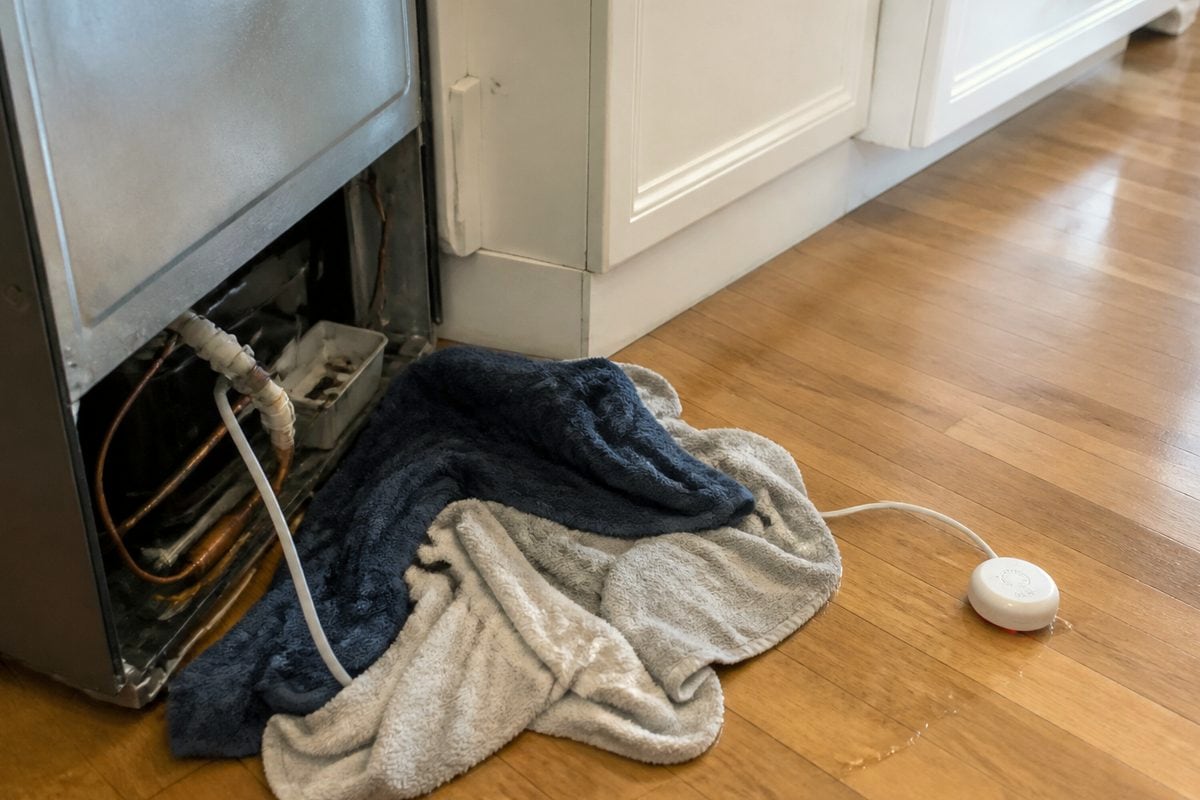
Most water damage doesn't start with a dramatic flood. It starts with a supply line that's been slowly weeping behind a washing machine for weeks, a roof flashing that let a little rain through during last winter's storms, or a water heater that finally gave out after years of quiet corrosion. By the time it's visible, the damage is often already bigger than it looks.
Understanding what actually causes water damage, and where in a home it tends to start, makes it much easier to catch problems early instead of discovering them after they've spread into subfloors and walls. This guide covers the most common causes, the rooms and spaces where damage typically originates, and prevention steps that don't require a renovation budget.
What Counts as Water Damage?
Water damage covers any unwanted water intrusion into a structure, and the restoration industry classifies it by contamination level because that classification determines how the cleanup is handled. A clean supply line leak is treated very differently than a sewage backup, even though both are technically water damage.
Clean Water, Gray Water, and Black Water
Category 1, or clean water, comes from a source like a supply line or overflowing sink and starts out sanitary, though it can degrade if left standing. Category 2, or gray water, contains some contamination, such as water from a washing machine or dishwasher discharge. Category 3, or black water, is grossly contaminated, including sewage backups and flood water from outside the home. Gray and black water situations carry real health risks and generally call for professional assessment rather than DIY cleanup, since contamination level isn't always obvious just by looking at the water.
The Most Common Causes of Water Damage
The most common causes of residential water damage include plumbing failures, appliance malfunctions, roof leaks, HVAC issues, sump pump failures, sewage backups, weather events, window and door leaks, and simple human error. No single cause accounts for every loss, and which one is most likely in your home depends heavily on its age, location, and maintenance history.
Plumbing Leaks and Burst Pipes
Plumbing failures, from slow supply line leaks to full burst pipes, are consistently one of the most cited causes of residential water damage across the restoration industry. Aging galvanized or cast iron pipes, common in older Los Angeles housing stock built before the 1960s, are more prone to corrosion-related failures than newer copper or PEX plumbing. `Burst Pipe Water Damage: Immediate Steps and the Restoration Process` covers what to do the moment a pipe fails.
Appliance Malfunctions
Washing machines, water heaters, dishwashers, and refrigerators with ice makers all rely on supply lines and hoses that degrade over time, and a single worn connection can release a significant amount of water before anyone notices. `Appliance Leak Cleanup Guide` breaks down appliance-by-appliance risk and what to do when one fails.
Roof Leaks and Clogged Gutters
Damaged shingles, failed flashing, and gutters clogged with debris let water past the roofline and into attic insulation, ceilings, and eventually framing if left unaddressed. Los Angeles winter storm season, driven by atmospheric river weather patterns, tends to expose roof vulnerabilities that stayed hidden during the dry months. `Roof Leak Water Damage: What Gets Damaged First?` explains exactly how that damage progresses once water gets past the roof.
HVAC Condensation and Drain Line Clogs
Air conditioning units produce condensation that's supposed to drain away safely, but a clogged condensate line can back up and slowly saturate the surrounding drywall, ceiling, or flooring without any obvious sign until staining appears. This is an easy cause to overlook because it has nothing to do with plumbing at all.
Sump Pump Failure and Basement Seepage
Sump pump failure, whether from a power outage, mechanical wear, or a pump that simply wasn't sized for the job, allows groundwater or storm runoff to accumulate in basements and crawl spaces. This cause is less common in much of Los Angeles than in regions with true basements, but it still applies to properties with below-grade spaces or crawl spaces near hillside drainage paths.
Sewage Backups
Sewage backups happen when a main line clogs or a municipal sewer system becomes overwhelmed, pushing contaminated water back into the home through drains. This is a category 3 black water situation and calls for professional handling due to the health risk involved.
Weather Events and Storm Damage
Heavy rain, wind-driven water intrusion, and flooding from Los Angeles's atmospheric river storm systems can overwhelm drainage, damage roofing, and push water into homes through points of entry that never leak in normal conditions. Properties near hillside runoff areas or with older drainage infrastructure face elevated risk during these storm windows.
Leaking Windows and Doors
Failed caulking, worn weatherstripping, or improperly flashed window and door installations let water seep in during wind-driven rain, often around frames rather than through the glass itself. This is a slow, easy-to-miss cause that tends to show up as staining on interior walls near windows.
Human Error
Leaving a tub running, forgetting to reconnect a washing machine hose properly, or accidentally leaving a hose bib open are all avoidable causes that account for a real share of residential water losses. These are frustrating precisely because they're preventable with a moment of attention.
Where in the Home Water Damage Most Often Starts
Water damage most often starts in bathrooms, kitchens, basements, crawl spaces, and attics, since these are the areas where plumbing, appliances, and roofing are concentrated. Knowing where to look first makes early detection much more realistic.
Bathrooms and Kitchens
Bathrooms and kitchens concentrate more plumbing connections and water-using appliances per square foot than any other part of the home, from toilet supply lines to dishwasher hoses to under-sink shutoff valves. That density of connections is exactly why these rooms account for a large share of residential water losses.
Basements, Crawl Spaces, and Attics
Basements and crawl spaces are vulnerable to groundwater intrusion and sump pump failure, while attics take the brunt of roof leaks before anyone notices water lower in the home. All three spaces share one trait that makes them risky: they're rarely inspected regularly, so a slow leak can run for weeks before anyone sees it.
Warning Signs You Shouldn't Ignore
Discoloration on ceilings or walls, a persistent musty odor, warped or buckling flooring, and peeling or bubbling paint are all signs that water is present or has been present recently. None of these signs should be written off as cosmetic, even when they seem minor.
A soft spot in flooring, unexplained increases in your water bill, or condensation on windows that wasn't there before are worth investigating too. Catching these signs early is almost always cheaper and less disruptive than waiting until damage is visible from across the room. If you notice any of these, an inspection can determine what's actually happening before it gets worse.
How to Prevent Common Causes of Water Damage
Regular maintenance catches most of the causes above before they turn into full losses. Inspect supply lines and hoses behind washing machines, dishwashers, and refrigerators at least once or twice a year, and replace any hose that shows cracking or bulging rather than waiting for it to fail.
Clean gutters seasonally, especially before Los Angeles's winter storm season, and have your roof inspected periodically for damaged shingles or failing flashing. Know where your main water shutoff valve is and make sure everyone in the household does too, since that knowledge saves critical time during an active leak. Consider installing water leak detectors near high-risk appliances and under sinks, since these devices can alert you to a slow leak long before it's visible. Have your water heater inspected periodically, since most units have a limited service life and failure risk increases with age. None of this requires major investment, just consistent attention on a schedule.
What Water Damage Typically Costs to Address
Cost depends heavily on the extent of water spread, which materials were affected, and whether flooring, drywall, or cabinetry needs replacement rather than just drying. There's no honest single number that applies across different properties and different causes, which is why generic online price lists are worth taking with skepticism.
A property assessment is the only reliable way to get project-specific figures. Contact request a callback for an evaluation, and expect starting costs to be discussed as [details pending verification] once your specific situation has been assessed.
When to Call a Professional Water Damage Company
Standing water anywhere in the home, water damage affecting more than a small, contained area, any sign of category 2 or 3 contaminated water, or a musty odor developing after a leak are all situations that call for professional mitigation rather than DIY cleanup. Waiting to see if it dries on its own is one of the most common mistakes homeowners make.
Mold risk increases the longer materials stay wet, and once mold is present, the project often becomes more complex and more expensive than it would have been with a prompt response. If you're unsure whether your situation qualifies, call request a callback and describe what you're seeing. A professional can help you figure out next steps even before a crew is dispatched.
Frequently Asked Questions About Water Damage Causes
What is the single most common cause of water damage in homes?
Plumbing failures, including leaking and burst pipes, are consistently cited across the industry as one of the leading causes of residential water damage, alongside appliance malfunctions and roof leaks. The exact leading cause can vary by property age, climate, and maintenance history.
Can small leaks really cause serious damage?
Yes. Slow, hidden leaks behind walls or under appliances can go unnoticed for weeks or months, allowing moisture to spread into subfloors, drywall, and framing before any visible sign appears, which is why routine inspection matters.
Does homeowners insurance cover water damage?
Coverage depends on the cause. Sudden, accidental events like a burst pipe are often covered, while damage from long-term neglect or flooding typically is not, or requires separate flood coverage. Review your specific policy or contact request a callback for guidance.
How can I tell if water damage is old or recent?
Recent water damage often shows wet or dark staining with a musty smell, while older damage may show dried discoloration, warping, or visible mold growth. A professional inspection can help determine timing and extent more precisely.
Are older homes more prone to water damage?
Aging plumbing, roofing materials, and appliance connections can increase risk, since components degrade over time. Regular maintenance and periodic professional inspection help catch problems before they become major losses. This is especially relevant across Greater Los Angeles, where a large share of the housing stock predates 1960 and still relies on original clay, cast iron, or galvanized supply lines in some properties.
What should I do first if I find water damage?
Shut off the water source if applicable, avoid electrical hazards, and contact a restoration professional promptly to limit secondary damage such as mold growth. Document the damage with photos for insurance purposes.
Next Steps
Whether you've just discovered a leak or you're trying to get ahead of a potential problem before it starts, LA Water Damage works with homeowners and property managers across Greater Los Angeles. Call request a callback or visit contact form to talk through what you're seeing and what to do next.
---