
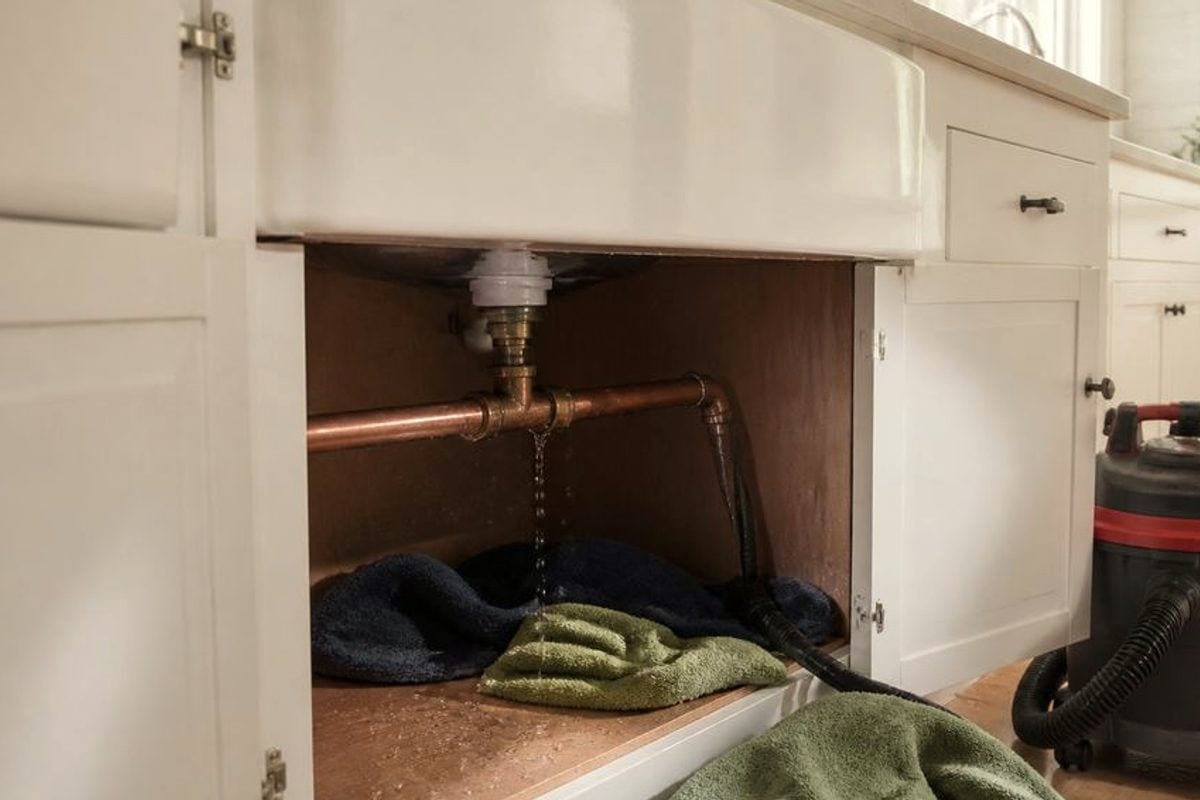
A pipe doesn't burst on a convenient day. It happens while you're at work, asleep, or out of town, and by the time you find it, water has usually already spread further than you'd expect. The first few minutes after discovering a burst pipe matter more than almost any other decision you'll make during the whole restoration process.
This guide walks through exactly what to do in those first minutes, what happens during professional cleanup and restoration, and how to handle the insurance side without getting blindsided. It also covers why burst pipes look a little different in Greater Los Angeles than they do in colder climates, since freezing isn't the driving cause here that it is elsewhere.
Why Burst Pipes Cause Damage So Quickly
Burst pipes cause damage quickly because household water lines are pressurized, so a failure releases a continuous, forceful flow rather than a slow drip. That pressurized flow can soak flooring, drywall, and furnishings within minutes, and it keeps going until someone shuts off the water source.
Unlike a leak that seeps in slowly over weeks, a burst pipe delivers a large volume of water fast, which is exactly why the first response matters so much. Every minute the water keeps flowing is more material it reaches.
What Causes Pipes to Burst?
Pipes typically burst due to age-related corrosion, sudden spikes in water pressure, physical damage from construction or settling, or in colder regions, freezing temperatures that crack pipe walls. In Greater Los Angeles, freezing is rarely the driving factor, since the climate stays mild through most of the year.
Aging galvanized and copper plumbing common in Los Angeles's pre-1960s housing stock is more prone to corrosion-related failure over time, and high water pressure from municipal supply can accelerate wear on already-weakened pipe walls. Physical stress from ground shifting or nearby construction can also crack or separate pipe joints that had been holding for years.
Immediate Steps to Take When a Pipe Bursts
The moment you discover a burst pipe, shut off the main water valve, cut power to affected areas if it's safe to do so, remove standing water and protect belongings, document the damage, and call a plumber and a water restoration company. Acting in that order, and acting quickly, limits both the water damage and any electrical hazard.
1. Shut Off the Main Water Valve
Locate your home's main water shutoff valve and turn it off immediately to stop the flow at its source. Every household should know where this valve is before an emergency happens, since searching for it while water is spreading wastes valuable time.
2. Turn Off Electricity in Affected Areas
If it's safe to reach your electrical panel without stepping into standing water, turn off power to the affected area to eliminate shock risk. If reaching the panel means walking through water, don't attempt it. Call an electrician or your utility provider instead and wait for the area to be made safe.
3. Remove Standing Water and Protect Belongings
Move furniture, electronics, and valuables out of the affected area if you can do so safely, and use towels or a wet vacuum to remove surface water from hard flooring. This limits how much material absorbs water while you wait for professional help to arrive.
4. Document the Damage for Insurance
Take photos and video of the affected area before you move or discard anything, capturing the source of the leak if visible and the extent of water spread. This documentation becomes the foundation of your insurance claim, so it's worth doing even while you're focused on cleanup.
5. Call a Plumber and a Water Restoration Company
A plumber needs to repair the actual pipe failure, while a water restoration company handles extraction, drying, and the rebuilding process. These are two different trades solving two different problems, and most burst pipe situations need both. Contact request a callback to get the restoration side started.
Drying and Cleanup After a Burst Pipe
Cleanup after a burst pipe involves removing water, drying the structure with commercial equipment, and disinfecting affected surfaces, and the scope of what's needed depends heavily on how much water spread and where it reached. Surface water and structural water require very different responses.
Water Extraction: DIY Limits and When to Call a Professional
Minor surface water on hard flooring may be manageable with towels and a wet vacuum, but water that has soaked into carpet, subfloor, or walls typically requires professional extraction and structural drying equipment. This distinction matters because DIY tools simply aren't built to pull moisture out of subfloor or wall cavities the way commercial extraction and drying equipment can. Attempting to handle a significant burst pipe loss with household tools alone often leaves hidden moisture behind, even when the visible surface looks dry.
Drying, Dehumidification, and Disinfecting
Professional drying uses commercial air movers and dehumidifiers positioned based on moisture readings, not guesswork, and the process continues until moisture levels in affected materials return to a normal range. Disinfecting surfaces that contacted the water is a standard part of this process, particularly for anything that was in contact with the flooring for an extended period.
Warning Signs of Mold After a Burst Pipe
Watch for a persistent musty odor, visible discoloration on walls or baseboards, or worsening allergy-like symptoms in the days and weeks after a burst pipe. Mold can begin developing within a fairly short window after water exposure, particularly in materials that stayed damp, so a professional inspection is worth scheduling if drying wasn't completed promptly. `Mold Inspection and Testing Services` covers what that inspection typically involves.
The Professional Restoration Process
Professional restoration after a burst pipe follows assessment, structural drying, and rebuilding, in that order, with moisture verification between each stage. This structured approach is what separates a full restoration process from a quick patch job.
Assessment and Moisture Mapping
A restoration professional documents the extent of water spread using moisture meters, mapping which materials were affected and how deeply. This moisture map becomes the baseline for tracking drying progress and later becomes part of the documentation used for insurance and for confirming when it's safe to rebuild.
Structural Drying and Monitoring
Air movers and dehumidifiers are positioned according to the moisture map, and readings are taken periodically to track progress until materials return to a normal moisture range. This monitoring step is what confirms drying is actually complete, rather than relying on how the space looks or feels.
Repairs and Reconstruction
Once drying is verified, repairs begin, which can include drywall replacement, flooring repair, and any structural work the original pipe failure made necessary. Scope here is determined by the moisture map and assessment, not a fixed formula, since every burst pipe loss spreads differently.
Documenting Damage for Your Insurance Claim
Solid documentation for a burst pipe claim includes photos and video from the start of the loss, a written scope of work from your restoration company, and moisture readings that establish when drying was verified complete. Adjusters work faster and more accurately when they have this kind of concrete record instead of a verbal summary after the fact.
Keep receipts for any temporary measures you take, like a hotel stay if the property becomes unlivable, since some policies cover additional living expenses during a covered loss. `How Insurance Handles Mitigation vs. Restoration` goes deeper into how adjusters typically evaluate water damage claims. Contact request a callback if you want help organizing documentation before you file.
Preventing Future Burst Pipes
Insulating exposed pipes in unheated spaces, having a plumber check water pressure periodically, and replacing visibly aging or corroded plumbing before it fails are the most effective ways to reduce burst pipe risk. A pressure regulator can also help if your home's water pressure runs consistently high, since excessive pressure accelerates wear on pipe joints and connections over time.
Periodic plumbing inspections are especially worthwhile in older Los Angeles homes still running original galvanized or cast iron supply lines, since these materials have a finite service life regardless of how well they've been maintained.
When to Call a Professional Restoration Company
Any burst pipe that resulted in standing water, water reaching carpet or subfloor, or water damage spreading into an adjoining room calls for a professional restoration assessment rather than DIY cleanup alone. The longer water sits, the more it spreads and the higher the mold risk becomes.
If you're not sure whether your situation qualifies, describing what you're seeing over the phone is a fast way to find out. Call request a callback for guidance on your specific property.
Frequently Asked Questions About Burst Pipes
What is the very first thing I should do when a pipe bursts?
Shut off the main water valve immediately to stop the flow, then turn off electricity to any affected areas if it's safe to reach the breaker without standing in water. These two actions limit both water spread and electrical hazard before anything else.
How quickly should I act after a pipe bursts?
Acting within minutes, not hours, matters. Water spreads fast and can begin soaking into flooring, drywall, and furnishings almost immediately, so shutting off the source and calling a professional promptly helps limit the scope of damage.
Can I clean up burst pipe water damage myself?
Minor surface water on hard flooring may be manageable with towels and a wet vacuum, but water that has soaked into carpet, subfloor, or walls typically requires professional extraction and structural drying equipment to prevent hidden moisture and mold growth.
Is burst pipe damage usually covered by insurance?
Many homeowners policies cover sudden, accidental water damage from a burst pipe, though coverage depends on the specific policy, cause, and whether the failure resulted from lack of maintenance. Review your policy or contact request a callback for guidance.
What causes pipes to burst most often?
Common causes include freezing temperatures, aging or corroded pipes, high water pressure, and physical damage to the plumbing system. In milder climates like Greater Los Angeles, aging pipe materials and pressure issues are often more relevant than freezing.
How do I know if mold is starting after a burst pipe?
Watch for a persistent musty odor, visible discoloration on walls or baseboards, or worsening allergy-like symptoms in the home. Mold can begin developing within a short window after water exposure, so a professional inspection is recommended if drying wasn't completed quickly.
Next Steps
A burst pipe is stressful, but the response process doesn't have to be confusing. LA Water Damage serves properties across Greater Los Angeles and can guide you through extraction, drying, and restoration from the first call. Reach us at request a callback or contact form for a professional assessment.
---