
Can Wet Drywall Be Saved, or Does It Need to Be Replaced?
Water hitting drywall sets off an immediate question: is this something that can be dried and repaired, or does the wall need to come out? The honest answer is that it depends on a handful of specific factors, not a single rule of thumb. This guide breaks down exactly what those factors are, how to check whether your drywall is actually wet beneath the surface, and what professional drying and repair looks like when the answer is yes.
How Water Affects Drywall
Drywall is made of gypsum sandwiched between paper facings, and both materials absorb water readily, which is why drywall reacts to moisture faster than most other building materials. What happens next depends heavily on how much water it absorbed and for how long.
Mold and Mildew Growth
The paper facing on drywall is an ideal surface for mold growth once it stays damp for more than a day or two, especially in warm conditions. Mold can develop inside wall cavities where it is not visible, which is part of why a moisture check matters even when the surface looks fine.
Swelling, Warping, and Sagging
Saturated drywall swells and can begin to sag under its own weight, particularly on ceilings where gravity works against it. Once visible warping or sagging has set in, drying alone usually will not restore the panel's original shape or strength.
Weakened Structural Integrity
Beyond cosmetic damage, water breaks down the internal bond between the gypsum core and paper facing, which can leave drywall soft, crumbly, or prone to punching through with light pressure.
How to Check Whether Your Drywall Is Wet
The most reliable way to check drywall for water is a combination of visual inspection, a physical touch test, and a moisture meter reading, since surface appearance alone can be misleading. Wet drywall does not always look wet, especially if the water intrusion happened behind the wall rather than on its visible face.
Visual and Physical Signs
Look for discoloration, bubbling paint, a soft or spongy feel when pressed gently, or a musty smell near the affected area. Discoloration that spreads outward over time, rather than staying static, usually indicates ongoing moisture rather than an old, resolved stain.
Using a Moisture Meter
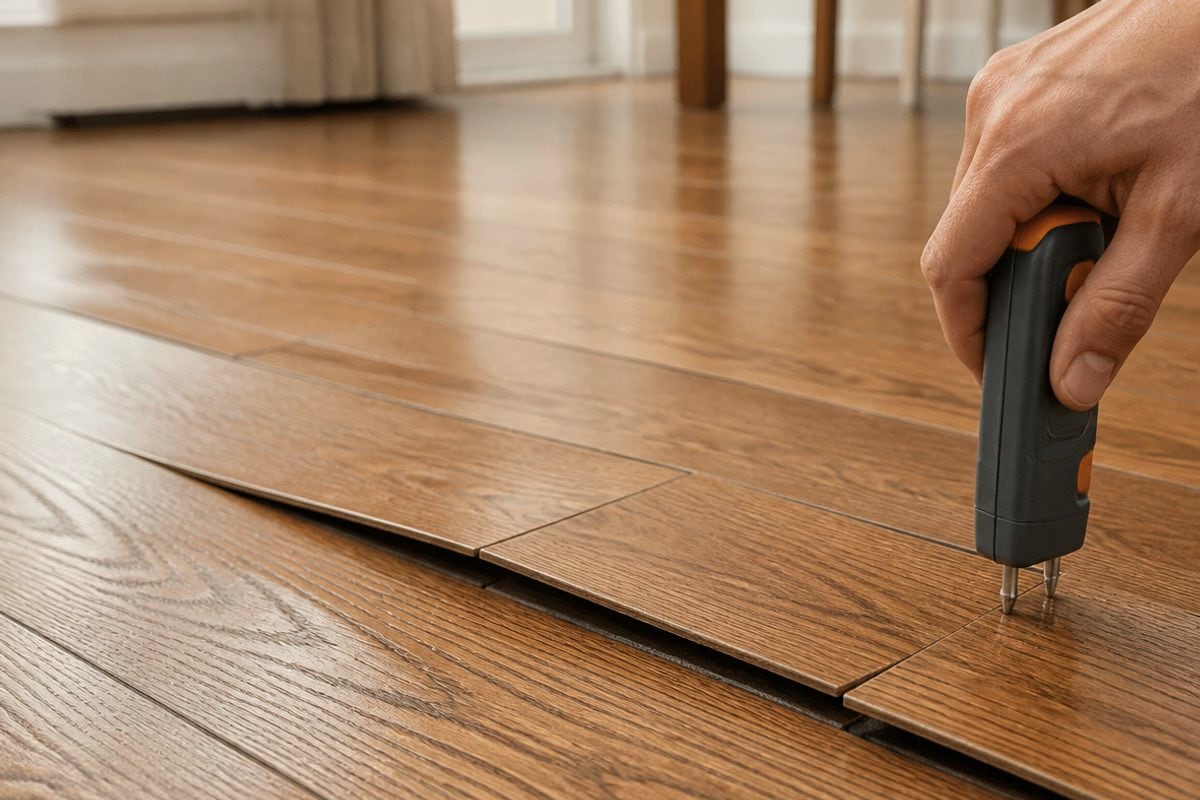
A moisture meter measures moisture content inside the wall material itself, not just what you can see or feel on the surface. This is the tool professionals rely on because hidden moisture behind drywall is common, and DIY visual checks have real limits when it comes to catching it.
Can Water-Damaged Hardwood Floors Be Saved?
What Determines If Wet Drywall Can Be Saved
Whether wet drywall can be dried and saved comes down to four factors: the type of water involved, how long the drywall stayed wet, how much of it was saturated, and the type of drywall material itself. Clean water caught and dried quickly on a small, moisture-resistant panel has a good chance of survival. Contaminated water sitting for days on standard drywall usually does not.
Type of Water Involved
Restoration professionals generally think about water in terms of category, essentially how contaminated it is. Clean water, like a supply line leak, carries the lowest health risk. Gray water, from sources like a washing machine overflow, carries moderate risk. Black water, from sewage backups or floodwater, carries the highest risk and is treated very differently from a health and remediation standpoint, even with brief exposure.
How Long the Drywall Was Wet
Drywall dried within roughly 24 to 48 hours of clean water exposure has meaningfully better odds of being saved than drywall left wet for several days. There is no universal cutoff, since humidity, airflow, and water volume all factor in, which is why a professional moisture check is more reliable than estimating based on time alone.
Extent of the Saturation
A small, isolated wet patch behaves very differently than drywall that has wicked water upward several feet or across a large wall section. Extensive saturation is more likely to require replacement simply because drying it fully, without leaving hidden damp pockets, becomes harder to guarantee.
Type of Drywall Material
Standard drywall absorbs and holds water more readily than moisture-resistant or paperless drywall variants sometimes used in bathrooms and other high-humidity areas. The type installed in the affected area affects both the odds of a successful dry-out and the repair approach.
When Wet Drywall Can Be Dried and Saved
Drywall exposed to clean water, dried promptly, and showing only minor swelling without sagging or visible mold generally has a good chance of being saved through professional drying. The panel needs to be confirmed fully dry with a moisture meter, not just surface dry, before any cosmetic repair or repainting happens.
When Wet Drywall Should Be Replaced
Drywall exposed to contaminated water, left wet for an extended period, or already showing visible mold or sagging typically needs to be removed and replaced rather than dried. This is as much a health decision as a structural one, since contaminated or mold-affected drywall poses risks that drying alone cannot resolve.
Water Damage to Carpet and Padding
How Professionals Dry and Repair Wet Drywall
Professional drywall drying follows a clear sequence: stop the water source, dry the structure with commercial equipment, remove and repair anything beyond saving, and confirm the area is mold-free before any cosmetic work begins.
Shutting Off the Water Source
Before any drying can be effective, the source of the water needs to be identified and stopped, whether that means shutting off a supply line or addressing an exterior leak point.
Structural Drying and Dehumidification
Air movers and commercial dehumidifiers are positioned to dry the wall cavity and surrounding materials, following drying principles outlined in the IICRC S500 standard. This often takes longer than it looks, since moisture trapped inside a wall cavity is not visible from the room.
Removing and Repairing Damaged Sections
Sections beyond saving are cut out and replaced, while salvageable areas are dried in place and patched once moisture readings confirm they are fully dry.
Mold Inspection Before Repainting
Before repainting or finishing any repaired section, the area should be checked for hidden mold. Painting over a water stain without addressing this can allow both the stain and any underlying mold to reappear.
What Happens If Wet Drywall Is Left Untreated?
Untreated wet drywall becomes a growing risk rather than a static one. Mold can develop inside the wall cavity within days, structural weakening can progress to the point of sagging or failure, and indoor air quality can suffer as spores spread through the room and connected HVAC pathways.
Wet Drywall in Greater Los Angeles Homes
Drywall water damage in Greater Los Angeles commonly traces back to aging supply lines, slab leaks, and the region's winter storm season. Many older homes in the area were built with plaster or lath-and-plaster wall assemblies rather than modern drywall, which respond to water differently and often require a different repair approach. [details pending verification]
Water Categories Explained (Clean, Gray, Black Water)
Frequently Asked Questions About Wet Drywall
How long can drywall stay wet before it needs to be replaced?
There's no universal cutoff, but drywall exposed to clean water and dried promptly, generally within 24 to 48 hours, has a better chance of being saved than drywall left wet for several days. The water source, humidity, and airflow all affect how quickly damage sets in, which is why a professional moisture check is more reliable than guessing based on time alone.
Can I dry wet drywall myself with fans?
Household fans can help with very minor, small-area, clean-water dampness, but they rarely dry drywall thoroughly enough to prevent hidden mold, especially inside wall cavities or behind insulation. Professional drying uses moisture meters and commercial dehumidification to confirm the wall is actually dry, not just dry to the touch.
Does wet drywall always grow mold?
Not always, but the risk increases significantly if drywall stays wet for more than a day or two, especially in warm, humid conditions. Mold can grow inside wall cavities where it isn't visible, which is why a moisture and mold check is recommended after any significant water exposure.
How do I know if water damage is behind my drywall and not just on the surface?
Signs include a soft or spongy feel when pressed, discoloration that spreads rather than staying in one spot, a musty smell, or bubbling paint. A moisture meter can detect elevated moisture levels inside the wall even when the surface looks dry.
Is it cheaper to dry drywall or replace it?
It depends on the extent of the damage. Drying and repairing a small, clean-water-affected area is often less costly than full replacement, but heavily saturated, contaminated, or mold-affected drywall usually needs to be removed and replaced for both cost-effectiveness and health reasons. [details pending verification]
Can water-stained drywall be painted over without repair?
Painting over a water stain without addressing the underlying moisture and any mold is not recommended, since the stain and any hidden mold can reappear, and trapped moisture can continue to damage the wall. The area should be confirmed dry before any cosmetic repair or repainting.
What type of water makes drywall more likely to need replacement?
Water contaminated with sewage or other contaminants, sometimes called gray or black water, generally requires drywall replacement rather than drying, due to health risks, even if the exposure was brief. Clean water sources, like a supply line leak caught quickly, are more likely to allow drying and repair.
Get Professional Drywall Water Damage Assessment From LA Water Damage
If you are unsure whether your drywall can be saved, a moisture meter reading gives you a real answer instead of a guess. LA Water Damage assesses wet drywall throughout Greater Los Angeles and explains your drying, repair, or replacement options clearly before any work begins. Our technicians are [details pending verification].
Call request a callback or visit contact form to schedule an assessment.
---