
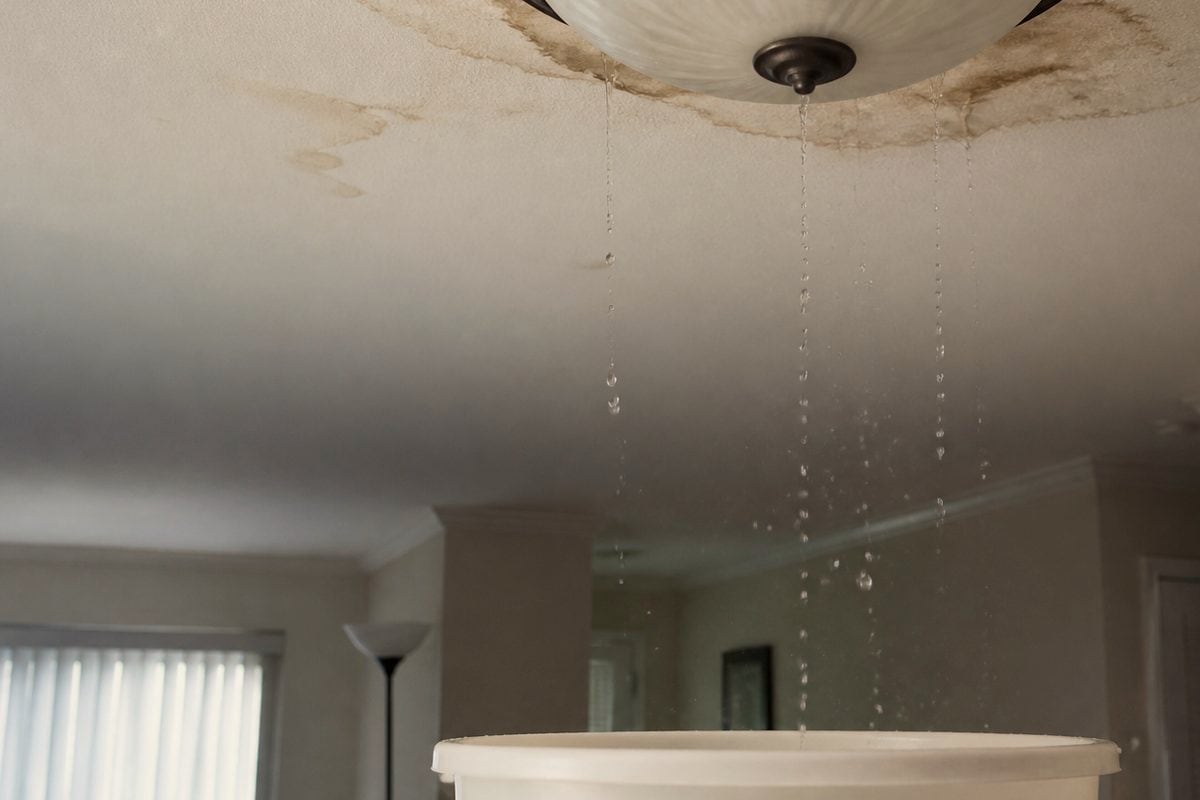
Bathrooms have more water running through them daily than any other room in your house, and they're built with the smallest margin for error when something goes wrong. A shower pan that's been leaking behind the tile for months, a toilet that overflowed once and never got fully dried out, or grout that finally failed after years of use can all turn a small bathroom into a significant repair. This guide covers the most common causes of bathroom water damage, how to tell how serious it is, how repairs work area by area, and when it's genuinely worth calling a professional instead of handling it yourself.
Common Causes of Bathroom Water Damage
The most common causes of bathroom water damage are shower and tub leaks, toilet leaks or overflows, and failed grout or caulk around tile and fixtures, often working together over time rather than as a single dramatic event.
Shower Pan and Tub Overflow Leaks
A cracked or improperly sealed shower pan can leak into the subfloor with every shower, invisibly, for months before it surfaces as a stain on the ceiling below. Tub overflows, whether from a running bath or a failed drain, add sudden volume that can quickly exceed what the bathroom floor is built to contain.
Toilet Leaks and Overflows
A worn wax ring seal at the base of the toilet can leak small amounts continuously, while a clogged toilet that overflows introduces contaminated water that needs to be treated differently than a clean supply line leak.
Grout, Caulk, and Tile Failure
Grout and caulk are the first line of defense against water getting behind tile, and both degrade with age and use. Once they crack or separate, water works its way behind the tile and into the wall or floor assembly underneath.
Ventilation and Humidity-Related Damage
Bathrooms without adequate exhaust ventilation trap humidity from every shower, and that trapped moisture condenses on cooler surfaces over time, contributing to mold growth and slow material degradation even without an actual leak. This is a common issue in older LA-area apartments and homes where bathroom fans are undersized or missing entirely.
Signs of Bathroom Water Damage
The clearest signs of bathroom water damage are soft or discolored flooring near the tub or toilet, bubbling paint or ceiling stains below the bathroom, and a musty odor that doesn't clear with normal cleaning.
Soft or Discolored Flooring Near Tub or Toilet
Flooring that feels spongy or has visible discoloration near a fixture usually means water has gotten underneath it, not just on top of it.
Peeling Paint, Bubbling Drywall, or Ceiling Stains
If the bathroom is on an upper floor, staining or bubbling on the ceiling directly below is a strong sign that water is moving through the floor structure.
Musty Odors and Visible Mold or Mildew
A persistent musty smell, dark spots in grout lines, or discoloration around the base of the toilet or tub are all indicators that moisture has been present longer than a normal shower would explain.
Health and Mold Risks From Bathroom Water Damage
Bathroom water damage that goes unaddressed increases the risk of mold growth, and while not every case leads to a health problem, mold exposure can affect indoor air quality and cause symptoms in sensitive individuals.
Mold needs moisture, an organic food source, and time. Bathrooms provide the first two by default, so ongoing water damage is one of the more reliable ways to get mold growth started, particularly behind tile or under flooring where it's easy to miss. Some people experience respiratory irritation, allergy-like symptoms, or worsened asthma with mold exposure, though individual reactions vary and this isn't a substitute for medical advice if you're experiencing symptoms. A professional inspection is the most reliable way to confirm whether hidden mold is present. Mold From Water Damage: What to Know
If you suspect mold behind your bathroom tile or under the flooring, request a callback connects you with an assessment.
How to Repair Bathroom Water Damage by Area
Bathroom water damage repair varies significantly by area, since walls, flooring, fixtures, and ceilings each have different materials, different failure points, and different signs that a repair is beyond a DIY scope.
Walls and Drywall
Surface-level moisture without mold can sometimes be dried and patched. Water that's soaked into the wall cavity or insulation behind tile usually needs the affected section removed and replaced rather than patched over.
Flooring and Subfloor
Tile itself often survives water exposure, but the subfloor beneath it may not. A subfloor that's been saturated for an extended period can warp or delaminate and typically needs replacement rather than drying in place.
Shower, Tub, and Grout
Cracked grout or caulk should be removed and replaced, not just caulked over, since trapped moisture behind old sealant defeats the purpose of resealing. A shower pan leak usually requires removing tile to access and repair the pan itself.
Ceiling
Ceiling damage below a bathroom, whether from a shower pan or a toilet overflow, needs to be traced back to its source before repair, since patching the ceiling without fixing the source guarantees the stain comes back.
When to Call a Professional vs. DIY Repair
DIY repair is reasonable for minor, surface-level moisture with no mold and a clearly identified, already-fixed source. Professional help becomes the better call once water has reached a wall cavity, subfloor, or shower pan, or if the water involved a toilet overflow.
A clean water source, like a supply line leak caught quickly, is generally lower risk to handle yourself if the exposure was brief. Water from a toilet overflow carries contamination risk and falls into a different water category that typically calls for professional cleaning and disinfection protocols, not just drying. There's no need to treat every bathroom leak as an emergency, but there's also no upside to guessing wrong about contamination. request a callback gets you a straight answer either way.
How Professional Bathroom Water Damage Restoration Works
Professional bathroom water damage restoration generally moves through inspection, extraction and drying, mold remediation if needed, and rebuild, adapted to the tight tolerances and moisture-prone materials specific to a bathroom.
Inspection and Moisture Assessment
A technician assesses how far water has traveled using a moisture meter, often checking behind tile and under flooring where damage tends to hide.
Water Extraction and Drying
Any standing water is removed first, followed by targeted drying using commercial dehumidifiers and air movers positioned for the enclosed, poorly ventilated nature of most bathrooms.
Mold Remediation
If mold is present or moisture sat long enough to create real risk, remediation addresses the affected materials directly rather than just masking the smell.
Rebuild and Fixture Reinstallation
Once the space is fully dry, damaged drywall, subfloor, or tile is replaced and fixtures are reinstalled. [details pending verification]
How to Prevent Bathroom Water Damage
- Run the exhaust fan during and for 15 to 20 minutes after every shower
- Recaulk around the tub and shower annually or at the first sign of cracking
- Replace the toilet wax ring if you notice rocking or moisture at the base
- Check shower pan and grout condition during routine home maintenance
- Install a water leak detector near the toilet and under the sink
- Address any musty smell promptly rather than masking it with cleaning products
Frequently Asked Questions About Bathroom Water Damage Restoration
What causes most bathroom water damage?
The most common sources are shower pan or tub leaks, toilet leaks or overflows, and failed grout or caulk around tile and fixtures. Poor ventilation that traps humidity over time can also contribute, especially in bathrooms without an exhaust fan.
Is water damage from a toilet overflow more dangerous than a supply line leak?
Yes, generally. A clean supply line leak is typically lower risk, known as Category 1 water, while a toilet overflow may carry contaminants, Category 2 or 3 depending on source, and often requires different cleaning and disinfection protocols. Professional assessment is recommended for any overflow involving wastewater. Category 1 vs 2 vs 3 Water: What It Means for Your Restoration
How do I know if bathroom water damage has caused mold?
Visible mold, a persistent musty odor, or discoloration on walls, ceilings, or grout are common indicators. Mold can also grow in hidden areas like behind tile or under flooring, so a professional inspection is the most reliable way to confirm hidden growth.
Can I repair water-damaged bathroom drywall myself?
Minor, surface-level moisture without mold can sometimes be dried and patched as a DIY project. If water has soaked through to the wall cavity, insulation, or subfloor, or if mold is present, professional remediation is recommended to ensure it's fully addressed.
How much does bathroom water damage restoration cost?
Costs depend heavily on the extent of damage, materials affected, and whether tile, subfloor, or drywall need replacement. [details pending verification] An on-site assessment provides the most accurate estimate.
Will homeowners insurance cover bathroom water damage?
Many policies cover sudden, accidental damage such as a burst supply line, but may exclude damage from long-term leaks, poor maintenance, or gradual seepage. Check your specific policy or contact your insurer to understand what's covered.
How long does bathroom water damage restoration take?
Timelines vary based on the extent of the damage, drying requirements, and any rebuild work needed. [details pending verification] A professional assessment will give you a project-specific estimate.
Get Bathroom Water Damage Help in Greater Los Angeles
Bathrooms don't give you a lot of room for a small problem to stay small. If you've spotted soft flooring, ceiling stains, or a musty smell that won't quit, it's worth getting an honest, in-person look before deciding whether it's a weekend project or something bigger.
LA Water Damage serves [details pending verification] throughout Greater Los Angeles. Call request a callback or visit contact form to get an assessment scheduled. [details pending verification]
---