
Attic Water Damage From a Roof Leak: Causes, Signs, and What to Do
A stain spreading across your ceiling is one of those problems that gets worse the longer you wait to look at it. Attics are the space between your roof and your living area, and because they are rarely visited, water damage there can sit undetected for weeks. This guide covers what causes attic water damage, how to tell a roof leak from simple condensation, who to call for each side of the problem, and how professional drying restores a water-damaged attic in a Los Angeles home.
What Causes Water Damage in an Attic?
Attic water damage most often comes from a compromised point in the roof itself, blocked drainage that backs water up under the roofing material, or condensation building up inside the attic due to poor ventilation. Identifying which of these applies to your home determines whether you need a roofer, a restoration company, or both.
Common causes include:
- Damaged, missing, or aging shingles that no longer shed water effectively
- Failed flashing around chimneys, vents, and skylights, which are common leak points even on roofs that otherwise look fine
- Clogged gutters and downspouts that cause water to back up and seep under roofing edges
- Ice or debris buildup that blocks proper drainage off the roof
- Poor attic ventilation that traps warm, moist air and causes condensation on the underside of the roof deck
- Roof penetrations, like satellite mounts or vent pipes, that were not sealed correctly
Roof Leaks From Damaged or Aging Shingles/Flashing
Shingles and flashing are your roof's first line of defense, and both degrade over time from sun exposure, wind, and age. A single cracked shingle or a gap in flashing around a chimney can let water in during a storm even if the rest of the roof looks intact.
Clogged Gutters and Poor Roof Drainage
When gutters fill with debris, water has nowhere to go but back up under the roof's edge. This is one of the more preventable causes of attic leaks, since regular gutter cleaning largely eliminates it.
Ventilation Problems and Attic Condensation
Attics need balanced intake and exhaust ventilation to prevent warm, moist household air from condensing on the cold underside of the roof deck in winter. Without it, condensation can mimic the appearance of a roof leak even when the roofing material itself is in good condition.
Signs You Have Water Damage in Your Attic
The clearest early sign is a discolored patch on your ceiling or upper wall that appears after or during rain. Because attic damage often shows up in the living space below before it is visible in the attic itself, ceiling stains are frequently the first clue homeowners notice.
Water Stains on Ceilings and Walls
Brown or yellow rings on drywall, especially ones that grow larger after subsequent rain events, point to an active or recurring leak above.
Damp or Compressed Insulation
Wet insulation loses its loft and its ability to insulate effectively. If you can safely view your attic, look for insulation that appears matted, discolored, or compressed compared to the surrounding areas.
Musty Odor or Visible Mold
A persistent musty smell near the attic access, or visible dark spotting on the roof deck or framing, indicates moisture has been present long enough for mold to begin developing.
Is It a Roof Leak or Attic Condensation?
A true roof leak usually appears after or during rain, follows a specific path from the roof deck downward, and often correlates with a visible exterior issue like missing shingles. Condensation, by contrast, tends to appear during cold weather regardless of rainfall, spreads more broadly across the attic rather than following one path, and points to a ventilation or insulation gap rather than a breach in the roofing material.
How to Tell the Difference
Roof leaks tend to be localized and weather-triggered, while condensation tends to be widespread and temperature-triggered. If your attic shows moisture on a clear, cold morning with no recent rain, ventilation is the more likely culprit. If moisture appears specifically during or right after storms, a roof leak is more likely. Because both can produce similar staining and mold risk, a professional inspection is the most reliable way to confirm which you are dealing with.
What to Do the Moment You Discover Attic Water Damage
The first priority is safety, not speed. Wet insulation and compromised drywall can hide fall-through hazards, and water near electrical wiring is a real shock risk, so assess carefully before moving through the space.
Immediate Safety and Containment Steps
- If you can see standing water or heavy dripping near light fixtures or wiring, avoid the area and shut off power to that circuit if you can do so safely.
- Place a container under active drips reaching your ceiling to limit further interior damage.
- Avoid walking on wet insulation or drywall, since it may not support your weight even if it looks solid.
- Photograph visible damage from a safe vantage point for insurance documentation.
- Improve airflow slightly if it is safe to do so, but do not attempt to dry a saturated attic with fans alone.
Assessing the Extent of the Damage
If you can safely view the affected area without walking on wet materials, take note of how far the staining or dampness extends. If you cannot assess it safely, wait for a professional rather than risking a fall.
Roofer or Restoration Company? Who to Call and When
Both, in most cases. A roofer repairs the actual point of failure on the roof, while a water damage restoration company like LA Water Damage addresses everything the leak affected inside the attic, including wet insulation, saturated framing, and mold risk. Calling only one usually leaves the other half of the problem unresolved. LA Water Damage handles the water damage restoration side of the process, not roof repair itself, so homeowners typically need both a roofing contractor and a restoration company to fully resolve a roof leak.
Insurance Claims for Roof Leak Water Damage
How Professionals Dry and Restore a Water-Damaged Attic
Professional attic restoration follows the same core sequence used throughout water damage restoration: find and remove standing water, dry the structure completely, and check for mold before considering the job finished. Attics add complexity because insulation and confined roof framing make hidden moisture easy to miss.
Water Extraction and Moisture Detection
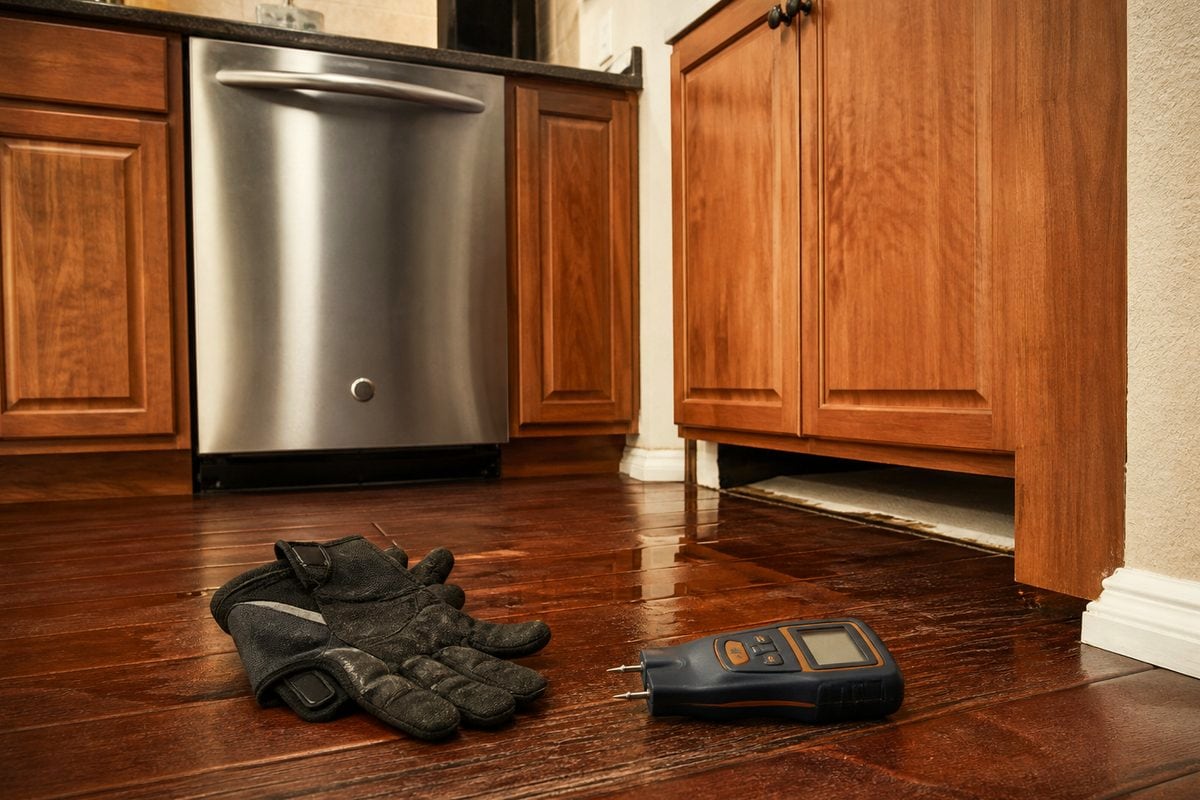
Technicians use moisture meters to check roof decking, rafters, and insulation, since water can travel well beyond the visibly wet area along framing members.
Structural Drying and Insulation Replacement
Saturated insulation, particularly blown-in insulation, often cannot be effectively dried and needs to be removed and replaced. Air movers and dehumidifiers are positioned to dry the remaining wood structure following the same principles outlined in the IICRC S500 standard used across the water restoration industry.
Mold Prevention and Air Quality Checks
Once the structure is dry, technicians check for early mold growth, since attic moisture and mold can spread into living spaces below through ceiling penetrations and shared HVAC pathways if left unaddressed.
Attic Mold From Roof Leaks
What Happens If Attic Water Damage Goes Unaddressed?
Left alone, attic water damage tends to compound rather than stay static. Wet insulation loses its effectiveness, which drives up energy costs, while sustained moisture in roof framing can lead to wood rot that weakens the structure over time. Mold growth becomes more likely the longer moisture sits, and it can spread from the attic into living spaces through ceiling penetrations and shared air pathways.
How to Prevent Future Attic Water Damage
Most attic water damage is preventable with a combination of proper ventilation and consistent roof maintenance. Addressing both reduces the risk of leaks and condensation alike.
Attic Ventilation and Insulation Best Practices
Balanced intake and exhaust ventilation, paired with adequate insulation depth, keeps attic temperature and humidity within a range that resists both condensation and ice-related drainage problems in colder climates.
Roof and Gutter Maintenance Schedule
Cleaning gutters at least twice a year, inspecting flashing around roof penetrations annually, and having a roofer address aging shingles before they fail all reduce the odds of an attic leak developing in the first place.
Attic Water Damage in Greater Los Angeles Homes
Attic leaks in Greater Los Angeles tend to spike during the region's winter storm season, when atmospheric river systems bring sustained, heavy rain between November and March. Many homes in the region also have older roofing that has not been fully inspected in years, and wildfire-adjacent areas can see debris accumulate in gutters, contributing to drainage backups that lead to leaks. [details pending verification]
Frequently Asked Questions About Attic Water Damage
How do I know if my attic leak is from the roof or condensation?
A true roof leak usually appears after or during rain, tracks along a specific path from the roof deck, and often correlates with a visible exterior issue like missing shingles. Condensation tends to appear in cold weather regardless of rain, spreads more broadly across the attic, and relates to ventilation or insulation gaps. A professional inspection can confirm which you're dealing with.
Is it safe to go into my attic after discovering water damage?
Use caution. Wet insulation, compromised ceiling drywall, and saturated framing can create fall-through hazards, and standing water near electrical wiring is a shock risk. If you can safely view the area without walking on wet insulation or drywall, document it with photos. Otherwise wait for a professional assessment.
Do I need a roofer or a water damage restoration company?
Both, usually. A roofer repairs the source of the leak, the roof itself, while a water damage restoration company like LA Water Damage addresses the interior consequences, drying wet insulation and framing, preventing mold, and restoring damaged ceilings. Addressing only one side often leaves the other problem unresolved.
How long does it take to dry a water-damaged attic?
Drying time varies with the extent of saturation, insulation type, and attic ventilation, and can range from a few days to over a week with professional dehumidification equipment. [details pending verification] Attics with blown-in insulation often take longer because trapped moisture is harder to reach.
Will insurance cover attic water damage from a roof leak?
Coverage depends on the cause and your specific policy. Sudden, accidental leaks are more commonly covered than damage from long-term neglect or lack of maintenance. Review your policy or speak with your insurance adjuster, and keep dated photos and documentation of the damage to support any claim.
Can attic water damage cause mold in the rest of my house?
Yes, if left unaddressed. Moisture and mold spores in attic insulation can spread through ceiling penetrations, HVAC returns, and shared attic space into living areas below. Prompt drying and, where needed, mold inspection are the best ways to prevent that spread.
What does attic water damage restoration typically involve?
The general process includes water extraction, moisture detection with specialized meters, structural drying with air movers and dehumidifiers, removal of damaged insulation or drywall, and a mold-prevention check. Scope varies by the extent of the damage, so an on-site assessment gives the most accurate picture.
Get Help Restoring Water Damage in Your Attic From LA Water Damage
Once a roofer has addressed the source of the leak, LA Water Damage handles drying out the attic itself, removing damaged insulation, and checking for mold before the space is considered restored. Our technicians are [details pending verification].
Call request a callback or visit contact form to schedule an assessment.
---