
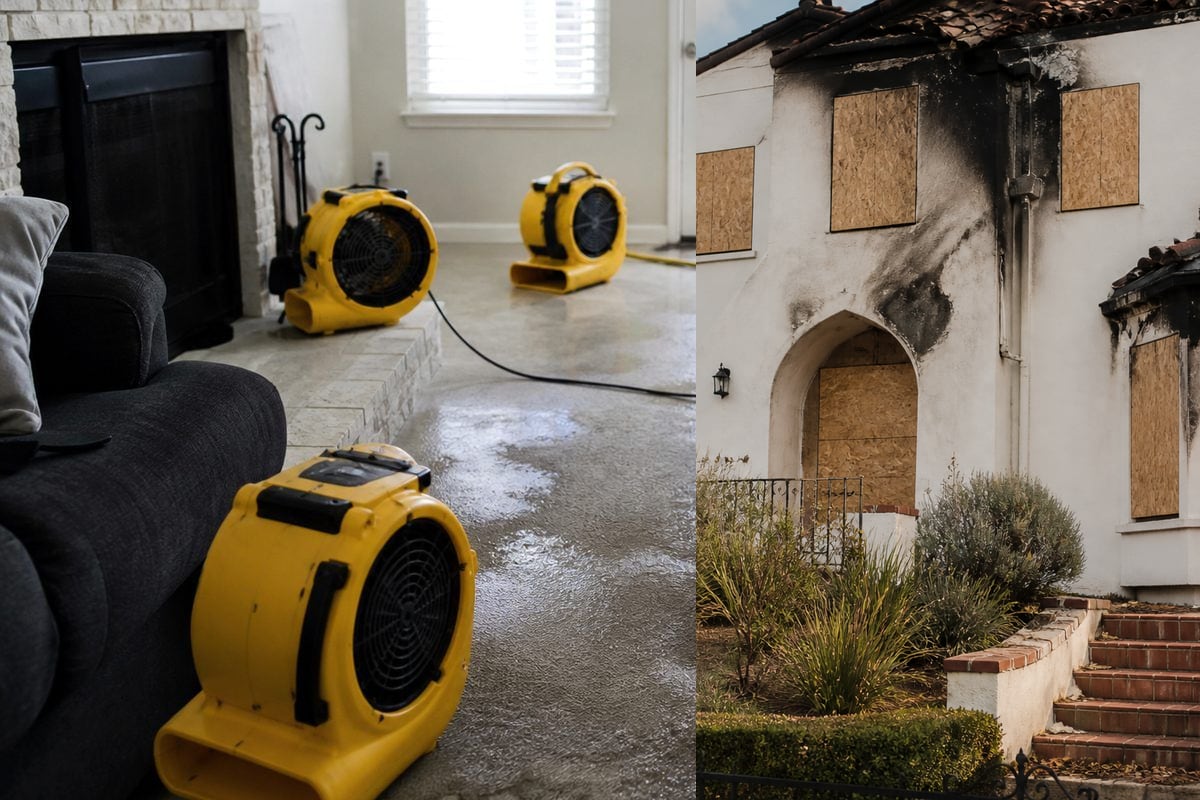
The most expensive commercial property claims rarely start as one dramatic failure. They start as a small, overlooked issue, a clogged condensate line, a hairline crack in a roof membrane, a corroded backflow device, that goes unnoticed until it becomes a six-figure repair. A consistent preventive inspection program is the difference between catching that issue at the "note it and schedule a repair" stage versus the "emergency mitigation and insurance claim" stage.
This checklist covers what a thorough commercial inspection program should include, how often each system needs attention, the highest-risk areas for water, fire, and mold damage, and the documentation practices that protect you when insurers or regulators come asking.
Why Preventive Inspections Get Skipped (And What It Actually Costs)
Preventive inspections get skipped most often because of competing operational priorities and unclear ownership, not because building owners don't understand their value, and the cost of skipping them shows up later as deferred maintenance that's far more expensive to fix.
The True Cost of Deferred Maintenance
A condensate line that gets cleared during a routine quarterly check costs a fraction of what it costs to remediate a ceiling collapse and resulting mold growth after that same line backs up unnoticed for months. Deferred maintenance doesn't reduce cost. It defers and compounds it, often converting a maintenance line item into an insurance claim.
Common Reasons Inspections Fall Through the Cracks
Inspections typically get skipped because responsibility isn't clearly assigned to one person or role, because findings from previous inspections were never tracked or acted on, or because inspection frequency simply isn't scheduled anywhere formal enough to survive staff turnover. A checklist without an assigned owner and a tracking system tends to quietly stop happening.
The Complete Commercial Property Preventive Inspection Checklist
A complete commercial inspection checklist covers eight core categories: building envelope, structural elements, HVAC and mechanical systems, electrical systems, plumbing and water-intrusion points, fire protection and life safety systems, security and access control, and interior common areas.
Building Envelope, Roof and Exterior
Check the roof membrane for cracks, blistering, or ponding water, inspect flashing around all penetrations, confirm gutters and drains are clear, and look for cracks or gaps in exterior walls, windows, and door seals that could allow water intrusion.
Structural and Foundation Elements
Look for visible cracking in foundation walls or slab, signs of settling or shifting, and any water staining that could indicate a structural moisture issue developing behind finished surfaces.
HVAC and Mechanical Systems
Inspect filters, condensate lines, and drain pans, and confirm the system is maintaining appropriate humidity levels throughout the building, since HVAC failures are one of the most common and most preventable sources of commercial water damage.
Electrical Systems
Check panels for signs of overheating, corrosion, or unauthorized modifications, confirm proper labeling, and verify clearance requirements are being maintained around panels for both safety and code compliance.
Plumbing and Water-Intrusion Risk Points
Inspect visible pipe joints, water heaters, backflow prevention devices, and any area where past leaks have occurred, since these points fail again at a disproportionately higher rate than a random section of undisturbed plumbing.
Fire Protection and Life Safety Systems
Confirm fire extinguishers are charged, tagged, and accessible, verify sprinkler systems and fire alarm panels show no fault indicators, and check that emergency exit paths remain clear and properly marked.
Security and Access Control
Test that access control systems, security cameras, and emergency lighting are functioning, and confirm that any recent tenant or staffing changes have been reflected in access permissions.
Interior and Common Areas
Walk common areas for signs of water staining on ceiling tiles, floor damage, or unusual odors that might indicate a developing problem in an area with less foot traffic or scrutiny than primary tenant spaces.
Inspection Frequency by System
Inspection frequency should match each system's actual failure risk and consequence, with visual fire-safety and leak checks happening daily or weekly, mechanical and electrical systems checked monthly or quarterly, and structural and roof assessments typically handled annually.
| Frequency | Systems / Items |
|---|---|
| Daily / Weekly | Visible leaks, fire extinguisher accessibility, common area walkthroughs |
| Monthly | HVAC filters, electrical panel visual checks, fire extinguisher gauge checks |
| Quarterly | HVAC condensate lines, backflow devices, sprinkler system checks |
| Annual / Multi-Year | Roof membrane, structural elements, full fire suppression system testing |
[details pending verification]
High-Risk Areas for Water, Fire and Mold Damage in Commercial Buildings
The highest-risk points for water, fire, and mold damage in commercial buildings are roof membranes and drainage, plumbing joints and backflow devices, HVAC condensate lines, and electrical panels, because failures in these specific points are disproportionately responsible for the most expensive claims.
| High-Risk Area | Typical Early Warning Sign |
|---|---|
| Roof membrane and drainage | Ponding water, blistering, ceiling stains below roof line |
| Plumbing joints, water heaters, backflow devices | Corrosion, minor drips, discoloration around fittings |
| HVAC condensate lines | Musty odor, ceiling tile staining near vents |
| Electrical panels | Discoloration, warm panel covers, tripped breakers |
Roof Membranes and Drainage
Roof membrane failures often start small, a seam separating slightly or a low spot collecting water, and worsen gradually until a storm event pushes the failure point past its limit. Regular roof checks, especially before Los Angeles's rainy season, catch these early.
Plumbing Joints, Water Heaters and Backflow Devices
A backflow prevention device, which stops contaminated water from flowing back into the clean water supply, needs periodic testing to confirm it's functioning correctly, and aging water heaters in commercial settings deserve the same attention as any other equipment nearing the end of its expected lifespan.
HVAC Condensate Lines and Humidity Control
Condensate lines carry the moisture HVAC systems remove from the air, and a clogged line redirects that moisture somewhere it isn't supposed to go, often into a ceiling cavity where it causes damage and mold growth long before it's visible from below.
###### Health and Safety Note on Mold and Air Quality
Mold growth in a commercial HVAC system or ceiling cavity can affect indoor air quality for an entire floor or building, not just the immediate area, which makes prompt attention to condensate line issues a genuine occupant health consideration, not just a maintenance item.
Electrical Panels and Fire Ignition Points
Electrical panels are a common ignition point for commercial fires when overheating, loose connections, or overloaded circuits go unaddressed. Regular visual checks catch warning signs before they become an active hazard.
###### Safety Note: Never Inspect Live Electrical Panels Without Qualified Personnel
Electrical panel inspection beyond a basic visual check from a safe distance should always be handled by a licensed electrician. Opening or working inside a live panel without proper qualification and equipment is a serious safety hazard.
Documentation, Insurance and Regulatory Compliance
Thorough, consistent inspection documentation supports insurance claims, demonstrates regulatory compliance, and creates a maintenance history that helps identify recurring problems before they escalate.
What Records Insurers and Inspectors Expect to See
Insurers and regulatory inspectors generally expect dated inspection records, documentation of any findings and the corrective action taken, and evidence that life safety systems in particular are on a consistent testing schedule.
OSHA and Local Fire/Building Code Considerations
OSHA-related checks commonly include emergency exit accessibility, fire extinguisher placement and inspection tags, electrical panel clearance, and general workplace hazard conditions. [details pending verification]
Digital vs. Paper Inspection Logs
Digital inspection logs make it easier to track trends over time, assign follow-up tasks, and produce records quickly if an insurer or inspector requests them. Paper logs still work but require more discipline to keep organized and accessible when needed.
Building Your Preventive Inspection Program
Assigning Roles and Responsibilities
Assign a specific person or role as the owner of each inspection category, with a clear escalation path when a finding needs professional attention beyond routine maintenance staff capability.
Choosing Between In-House Staff, Third-Party Inspectors and Software Tools
In-house staff can handle routine visual checks efficiently and know the building's history, while certain systems, particularly fire suppression testing and electrical work, typically require licensed or certified professionals regardless of who handles the rest of the program. Software tools can help track schedules and findings, but the inspection categories themselves matter more to actual damage prevention than the tool used to record them. Commercial Water Damage Claims: Documentation and Insurance Guidance
Commercial Property Inspection Considerations for Los Angeles and Southern California
Seismic and Structural Considerations
[details pending verification]
Rainy Season and Roof Drainage Readiness
Given Los Angeles's pattern of concentrated winter rainfall, sometimes arriving as intense atmospheric-river storms, a pre-rainy-season roof and drainage check is a genuinely high-value addition to an annual inspection calendar rather than an optional extra. Drain and Sewer Backup Prevention Checklist for Los Angeles Homeowners
When to Bring In a Restoration or Damage-Prevention Specialist
Signs an Inspection Finding Needs Immediate Professional Attention
Active water intrusion, suspected mold growth, any electrical warning sign, or structural concerns beyond routine wear all warrant bringing in a specialist rather than handling the finding through routine maintenance alone.
How LA Water Damage Supports Commercial Property Owners
[details pending verification]
Frequently Asked Questions About Commercial Property Preventive Inspections
What should be included in a commercial property preventive inspection checklist?
A thorough checklist covers the building envelope and roof, structural elements, HVAC and mechanical systems, electrical systems, plumbing, fire protection and life safety systems, security and access control, and interior common areas, paired with a documentation process for insurance and regulatory compliance.
How often should a commercial property be inspected?
Frequency depends on the system. Items like fire extinguishers and visible leaks warrant daily or weekly visual checks, HVAC filters and electrical panels typically need monthly or quarterly attention, and structural and roof assessments are usually annual. [details pending verification]
What are the most commonly overlooked areas in a commercial property inspection?
HVAC condensate lines and drainage, roof membrane seams, and backflow prevention devices are frequently overlooked because they're not visually obvious during a routine walkthrough, yet they're common sources of costly water damage when neglected.
Do commercial property inspections require specialized certifications?
Some inspection types, such as fire suppression system testing or electrical panel work, require licensed or certified professionals rather than general facility staff. [details pending verification] General walkthroughs can often be done in-house, but code-related and life-safety systems typically need qualified inspectors.
What OSHA-related items should be checked during a commercial inspection?
OSHA-related checks commonly include emergency exit accessibility, fire extinguisher placement and inspection tags, electrical panel clearance, and general workplace hazard conditions. [details pending verification] Requirements vary by facility type and use.
Why is documentation so important for commercial property inspections?
Detailed inspection records support insurance claims, demonstrate regulatory compliance during audits, and create a trackable maintenance history that helps identify recurring problems before they become expensive failures.
When should a commercial property owner call in a restoration specialist instead of routine maintenance staff?
Call a specialist as soon as an inspection reveals active water intrusion, suspected mold growth, fire or electrical hazard signs, or structural concerns beyond routine wear. [details pending verification] Contact LA Water Damage at request a callback for an assessment.
Schedule a Commercial Property Risk Assessment
A consistent preventive inspection program is one of the most cost-effective investments a commercial property owner can make, since the systems most likely to cause expensive claims are also the ones most likely to give early warning signs when someone is actually looking for them.
Contact LA Water Damage
Call request a callback or visit contact form to schedule a commercial property risk assessment.