
Appliances fail quietly. A washing machine hose develops a hairline crack, a water heater's tank slowly corrodes from the inside, or a refrigerator's ice maker line loosens just enough to drip behind the unit where nobody looks. By the time you notice, there's often already water in places you weren't expecting.
This guide covers which appliances cause the most water damage, how to catch a leak before it becomes a major loss, exactly what to do the moment you find one, and how to tell when DIY cleanup is enough versus when you need professional extraction and drying.
Common Appliances That Cause Leaks
Washing machines, water heaters, dishwashers, refrigerators with ice makers, and HVAC condensate lines are among the most common sources of appliance-related water damage in homes. Each one fails differently, which is worth understanding since it changes what early warning signs look like.
Washing Machines and Water Heaters
Washing machine supply hoses are under constant water pressure and can fail suddenly, sometimes releasing a large volume of water in a short time if a burst hose goes unnoticed. Water heaters tend to fail more gradually, as internal corrosion weakens the tank over years until it eventually leaks or ruptures, and units approaching or past their expected service life carry meaningfully higher risk. `Burst Pipe Water Damage: Immediate Steps and the Restoration Process` covers what to do if a supply line failure is severe enough to resemble a burst pipe.
Dishwashers, Refrigerators, and Ice Makers
Dishwashers can leak from worn door seals, a failing water inlet valve, or a cracked hose, often pooling water under cabinetry where it isn't visible right away. Refrigerators with ice makers rely on a small supply line that's easy to overlook during routine cleaning, and a loose or cracked fitting can drip steadily behind the unit for weeks before anyone checks.
HVAC Condensate Lines
Air conditioning systems produce condensation that's supposed to drain safely away, but a clogged condensate line can back up and slowly saturate nearby drywall, ceilings, or flooring, especially in homes with the air handler installed in an attic or closet space. This cause gets overlooked constantly because it has nothing to do with plumbing or a water-using appliance in the usual sense.
How to Detect an Appliance Leak Early
Early detection comes down to routine visual checks and paying attention to changes in your water bill, indoor odor, or flooring condition near appliances. Catching a leak in its early stage is almost always the difference between a quick fix and a major restoration project.
Visual Inspection Checklist
Check supply hoses behind washing machines, dishwashers, and refrigerators for cracking, bulging, or corrosion at the fittings. Look under sinks and around water heaters for pooling water, staining, or rust. Check HVAC condensate lines and drain pans for clogs or standing water. A few minutes every few months catches most problems before they escalate.
Warning Signs of a Hidden Leak
A musty odor near an appliance, warped or discolored flooring, an unexplained spike in your water bill, or visible mold on nearby cabinetry are all signs of a leak that's already been running for a while. These signs are worth investigating immediately rather than waiting to see if they get worse on their own.
Immediate Steps to Take When You Find an Appliance Leak
The moment you find an appliance leak, shut off the water supply and power to the unit, remove standing water and protect nearby belongings, document the damage, and avoid a few common mistakes that make things worse. Speed matters here just as much as it does with a burst pipe.
Shut Off the Water Supply and Power
Locate and close the appliance's dedicated shutoff valve if it has one, or shut off your home's main water valve if you can't find it quickly. If water is anywhere near an outlet or the appliance's electrical connection, avoid touching it and cut power at the breaker instead of unplugging the unit directly.
Remove Water and Protect Belongings
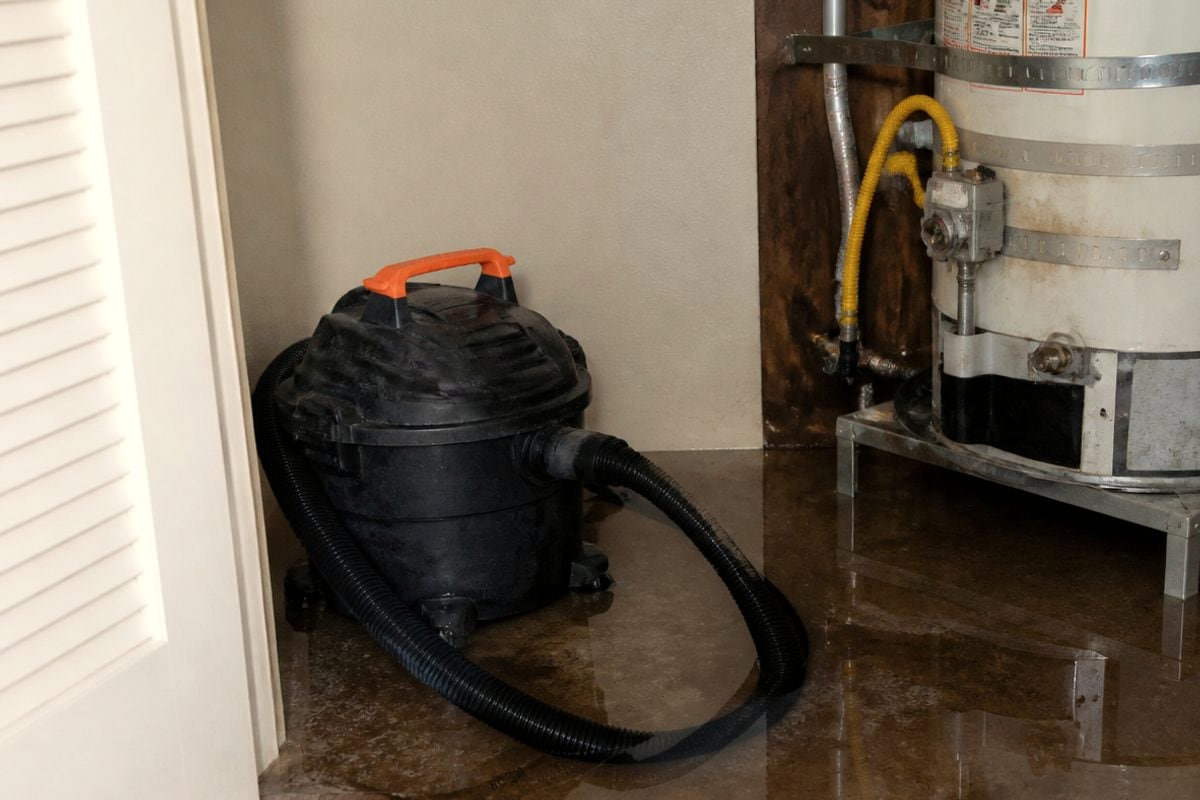
Use towels or a wet vacuum to remove surface water, and move any nearby items, especially electronics, rugs, or furniture, out of the affected area. This limits how much material has time to absorb water before help arrives.
Document the Damage
Photograph the appliance, the source of the leak if visible, and the extent of water spread before you clean up or move anything you don't have to. This documentation matters for both insurance and for helping a restoration professional understand what happened.
What Not to Do
Don't ignore a small leak assuming it will resolve itself, don't use a standard household vacuum on standing water since it isn't designed for that and can create an electrical hazard, and don't delay calling for help once water has clearly spread beyond the immediate appliance area. Each of these mistakes tends to turn a manageable situation into a bigger one.
DIY Cleanup vs. Professional Water Damage Restoration
DIY cleanup can be appropriate for small amounts of surface water on hard flooring, caught quickly and dried thoroughly, but water that's reached subfloor, cabinetry, or wall cavities generally needs professional extraction and drying equipment. This isn't about discouraging every bit of DIY response, it's about being honest about what household tools can and can't reach.
When DIY Cleanup May Be Appropriate
A small, contained leak caught within minutes, with water limited to a hard-surface floor and no sign it reached under cabinetry or flooring seams, can often be managed with towels, a wet vacuum, and a fan to finish drying the surface. Keep an eye on the area over the following days for any musty odor or discoloration that would suggest moisture got further than expected.
When to Call a Professional
Water that's spread under flooring, into cabinetry, behind appliances, or into an adjoining room calls for professional assessment, as does any leak that sat for more than a few hours before being discovered. `The Most Common Causes of Water Damage in Homes (and How to Prevent Them)` covers broader signs that a situation has moved beyond simple cleanup. Call request a callback if you're not sure which category your situation falls into.
The Professional Appliance Leak Cleanup Process
Professional appliance leak cleanup follows moisture detection, extraction and drying, and repair, with each stage confirmed before moving to the next. This mirrors the same structured approach used for other water damage causes, adapted to the tighter spaces appliances typically leak into, like under cabinetry or behind built-in units.
Moisture Detection and Assessment
A professional uses moisture meters to trace how far water spread beyond the visible area, including under flooring and into cabinetry or wall cavities near the appliance. This step often reveals more affected area than what was visible when the leak was first discovered.
Extraction and Structural Drying
Standing water is extracted and commercial air movers and dehumidifiers are positioned based on the moisture assessment, with drying tracked until affected materials return to a normal moisture range. `Emergency Mitigation vs. Full Restoration: What's the Difference and Why Both Matter` explains how this extraction and drying phase fits into the larger mitigation and restoration process.
Repair and Material Replacement
Once drying is verified, damaged flooring, cabinetry, or drywall is repaired or replaced as needed. Scope here depends entirely on what the moisture assessment found, not a fixed checklist, since one appliance leak can spread very differently than another depending on flooring type and cabinet construction. Contact request a callback for [details pending verification] on getting an assessment scheduled.
Preventing Future Appliance Leaks
Inspecting supply lines and hoses on a regular schedule, replacing rubber washing machine hoses with braided stainless steel versions before they fail, and keeping a routine maintenance schedule for your water heater all reduce appliance leak risk meaningfully. None of these steps take much time, and all of them are cheaper than the cleanup that follows a missed one.
Installing water leak detection devices near high-risk appliances, especially water heaters and washing machines, adds an extra layer of early warning that routine visual checks alone can miss. This is particularly worth considering for multifamily properties across Greater Los Angeles, where shared laundry rooms and in-unit water heaters mean an undetected leak can affect more than one unit before anyone notices. `Mitigation and Restoration for Commercial and Multifamily Properties` covers how these situations are typically handled when multiple units are involved.
Frequently Asked Questions About Appliance Leak Cleanup
Which appliances cause the most water damage?
Washing machines, water heaters, dishwashers, and refrigerators with ice makers are among the most common sources of appliance-related water damage, often due to aging supply lines, worn hoses, or valve failures. HVAC condensate lines can also cause slow, hidden leaks.
How do I know if I have a hidden appliance leak?
Signs include a musty odor near the appliance, warped or discolored flooring, an unexplained increase in your water bill, or visible mold on cabinetry. Hidden leaks behind appliances or under flooring often go unnoticed until damage is already significant.
Can I clean up an appliance leak myself?
Minor surface water on hard flooring may be manageable with towels and a wet vacuum. However, water that has spread under flooring, into cabinetry, or behind walls typically needs professional extraction and drying equipment to prevent hidden moisture and mold growth.
How much does appliance leak cleanup typically cost?
Cost depends on the extent of water spread, materials affected, and whether flooring or cabinetry needs replacement. Contact request a callback for an assessment, and avoid relying on generic online estimates, since every leak situation differs.
Does homeowners or renters insurance cover appliance leak damage?
Many policies cover sudden, accidental appliance leaks, though coverage can vary based on cause and whether the leak resulted from lack of maintenance. Review your specific policy or contact your insurer for confirmation.
How can I prevent appliance leaks in the future?
Routine supply-line and hose inspections, timely replacement of aging connections, and installing leak-detection devices near high-risk appliances can help catch problems before they cause significant damage.
What should I avoid doing after discovering an appliance leak?
Avoid ignoring a small leak, using an ungrounded electrical vacuum near standing water, or waiting to address moisture, since delayed action increases the risk of mold growth and structural damage.
Next Steps
If an appliance leak has already caused water damage in your home, or you want a professional opinion on whether cleanup is something you can handle yourself, LA Water Damage serves properties across Greater Los Angeles. Call request a callback or visit contact form to get started.