
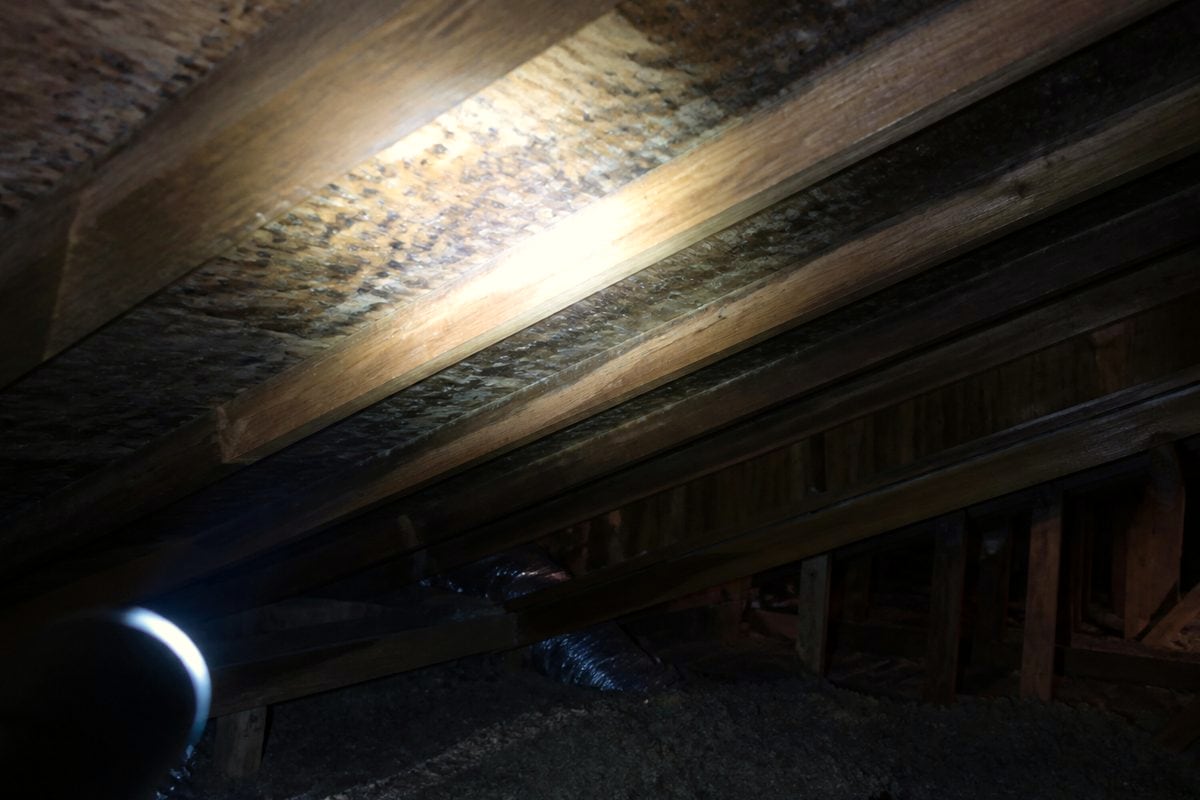
Water damage rarely announces itself politely. A supply line lets go under a kitchen sink, a washing machine hose splits, or a winter atmospheric river storm pushes rain past a roof flashing that was fine last year. Within minutes you're standing in water, and within hours you're on the phone trying to figure out who to call and what happens next.
Two terms get thrown around a lot in that moment: mitigation and restoration. They sound similar. They are not the same service, they do not happen at the same time, and confusing them is one of the most common reasons homeowners and property managers end up frustrated with how a water damage project unfolds. This guide breaks down what each phase actually covers, why the order matters, and how insurance, mold risk, and commercial properties change the picture.
What Is Emergency Mitigation?
Water mitigation is the emergency response phase that stops active water damage from getting worse. It typically includes water extraction, moisture assessment, and setting up drying equipment, and it happens in the hours immediately after a loss is discovered, before any rebuilding starts.
Think of mitigation as triage. Nobody is repainting a wall or replacing flooring yet. The goal is to remove standing water, stabilize the structure, and prevent secondary damage like mold or warped framing from taking hold while the bigger decisions get made.
What Mitigation Typically Includes
A mitigation crew generally handles water extraction with pumps and vacuums, placement of air movers and dehumidifiers, moisture readings on walls and flooring, and removal of materials that can't be salvaged, like soaked carpet padding. For storm or fire-related losses, mitigation can also include temporary tarping of a damaged roof or board-up of broken windows and doors to secure the property. None of this is cosmetic work. It's damage control, performed on a compressed timeline because standing water and trapped moisture cause more harm the longer they sit.
Signs You Need Emergency Mitigation Right Now
Standing water anywhere inside the home, water actively coming from a ceiling or wall, a burst pipe or overflowing appliance you can't stop, or a musty smell developing within a day or two of a leak are all signs mitigation needs to start immediately rather than waiting. If you're not sure whether a situation qualifies, a same-day assessment call is usually faster and cheaper than guessing wrong. Contact request a callback for guidance on whether your situation needs emergency mitigation.
What Is Full Restoration?
Full restoration is the rebuilding phase that follows mitigation, and it repairs or replaces the materials the water damaged. Where mitigation stops the bleeding, restoration puts the property back to its pre-loss condition, from drywall and flooring to trim, paint, and in some cases structural framing.
Restoration only makes sense once the structure has actually dried out and been confirmed dry with moisture readings, not just visually. Rebuilding over damp materials is one of the most common causes of repeat problems in this industry.
What Restoration Typically Includes
Depending on the extent of the loss, restoration can involve drywall removal and replacement, flooring repair or replacement, repainting, cabinetry repair, and reconstruction of any structural elements that were compromised. Scope is determined by what mitigation and the moisture assessment found, not by a fixed checklist. `The Most Common Causes of Water Damage in Homes (and How to Prevent Them)` walks through how the original cause of the loss often shapes how extensive this phase ends up being.
How Restoration Differs From Simple Repairs
A simple repair addresses a single visible problem, like patching one water-stained ceiling tile. Restoration is broader and more methodical. It follows a documented moisture map, addresses everything the water actually touched even if it isn't visible yet, and typically includes a final verification step before the project is considered closed. That distinction matters most when insurance is involved, since adjusters expect restoration scope to match documented damage, not guesswork.
Why You Usually Need Both, In Order
Most water-damaged properties need mitigation first and restoration second, because rebuilding before the structure is fully dry traps moisture behind new materials. That sequence isn't a sales pitch. It reflects how water and building materials actually behave.
Skipping straight to repairs might feel faster, but drywall, flooring, and framing all absorb water at different rates and depths. Materials that look dry on the surface can still be damp several layers in. Restoration work performed before that moisture is gone tends to trap it, which is exactly the environment mold needs to establish itself.
What Happens If You Skip Mitigation
Delaying or skipping mitigation generally allows water to spread further into subfloors, wall cavities, and framing than it would have if extraction and drying started promptly. It also raises the odds that mold begins developing before anyone even starts the restoration conversation, which can turn a straightforward repair into a more involved remediation project.
What Happens If You Delay Restoration
Once mitigation is complete and the structure is verified dry, waiting too long to start restoration mostly creates practical problems rather than moisture problems. Exposed subfloor, missing drywall, or a tarped section of roof left in place for months invites pests, further weather exposure, and general wear that widens the eventual repair scope.
Timeline: From Mitigation to Restoration
Mitigation and restoration timelines vary by the extent of water intrusion, the materials involved, and how quickly the loss was discovered, so there's no single number that applies to every property. What's consistent is the sequence: extraction and drying happen first, drying is verified with moisture readings, and only then does restoration scope get finalized and scheduled.
Properties with limited water exposure on hard flooring dry out faster than properties with water that reached carpet, subfloor, and wall cavities. A same-day response to a fresh leak generally shortens the whole process compared to water that sat for days before anyone noticed. For a specific estimate, [details pending verification] is the kind of figure a professional can only give after seeing the property in person.
Factors That Affect How Long Each Phase Takes
The square footage affected, how many building materials absorbed water, ambient humidity, airflow, and whether the source of the leak has actually been fixed all influence drying time. A property in a humid coastal marine-layer pocket of Los Angeles may take longer to dry than one further inland, simply because ambient moisture in the air works against the dehumidifiers. Restoration timelines depend on material availability, permit requirements for structural work, and the total scope agreed upon after the moisture map is complete.
How Insurance Handles Mitigation vs. Restoration
Insurance coverage for mitigation and restoration depends on your specific policy and the cause of the water loss, and coverage decisions are made by your insurer, not by the restoration company. Many policies do cover both phases when the damage is sudden and accidental, like a burst pipe, but exclusions, deductibles, and documentation requirements vary widely between carriers.
Adjusters generally want to see photo documentation from the start of the loss, a written scope of work for mitigation, moisture readings that establish when drying was verified complete, and a separate scope for restoration that matches the documented damage. Treating mitigation and restoration as two distinct line items, each with its own documentation, tends to move claims along faster than trying to bundle everything into one vague description. Contact request a callback to talk through documentation for your specific claim before either phase begins.
Why Documentation Matters for Both Phases
Photos, moisture logs, and a written scope for each phase give your adjuster something concrete to evaluate instead of relying on a verbal description after the fact. This matters even more for renters and multifamily owners in Los Angeles, where a majority of households rent rather than own, since renters insurance and building owner policies interact differently and clear documentation protects everyone's position in the claim.
How to Know Mitigation Was Done Correctly Before Restoration Begins
Mitigation is generally considered complete when moisture meter readings on affected materials return to a normal range, not simply when the space looks and feels dry. Visual dryness and actual dryness are two different things, and building over the difference is where problems start.
Before signing off on mitigation and moving to restoration, ask to see the documented moisture readings, confirm there's no lingering musty odor, and verify that any removed materials, like wet insulation or padding, were actually taken out rather than left in place. A company performing mitigation should be able to show this documentation plainly, without resistance. Ask about their [details pending verification] as part of that conversation, since a properly credentialed team should have no issue answering.
When Mold Enters the Picture
Mold can begin developing in areas that stayed wet or damp for an extended period, which is one reason mitigation speed matters so much. There's no single universal hour count that applies to every property, since temperature, humidity, and material type all affect how quickly mold can establish itself, so treat any specific number you see online with some skepticism.
If mold is discovered during mitigation or restoration, most reputable plans pause the rebuilding work to address it first, since covering over active mold growth with new drywall or flooring is not something a responsible contractor should do. A professional mold assessment can determine the scope of the problem and whether specialized remediation is needed before restoration resumes. `Mold Inspection and Testing Services` covers what that assessment process typically looks like.
Mitigation and Restoration for Commercial and Multifamily Properties
Commercial and multifamily water damage projects follow the same mitigation-then-restoration sequence as residential properties, but they add layers of coordination that single-family homes don't usually require. A hotel, apartment building, restaurant, healthcare facility, school, retail space, warehouse, or office each has its own operational constraints that shape how the work gets scheduled and performed.
An apartment building with a burst supply riser might affect multiple units at once, each with a different tenant and a different set of belongings to protect. A restaurant with a kitchen leak may need mitigation work timed around health code requirements and business hours. A healthcare facility has infection control considerations that a typical home doesn't. `Commercial and Multifamily Water Damage Restoration` goes deeper into how these property types are handled.
Working Around Occupied Units, Tenants, and Business Operations
Occupied buildings require scheduling that limits disruption, clear tenant communication about access and timelines, and sometimes phased work so parts of a property stay operational while others are being mitigated or restored. This is genuinely different from residential work, where the property is often unoccupied during the worst of the process.
Getting the Right Team Involved Early
Property managers, facility engineers, and sometimes legal or compliance staff often need to be looped in from the start of a commercial loss, not after mitigation is already underway. Early coordination tends to reduce disputes later about scope, access, and cost allocation across multiple units or tenants.
Does This Differ for Fire, Smoke, or Sewage Damage?
Fire, smoke, and sewage losses follow the same general mitigation-then-restoration structure as water damage, but each carries its own safety considerations that change what mitigation actually involves. The underlying logic, stabilize first and rebuild second, stays consistent across all of them.
Fire and Smoke Mitigation vs. Restoration
Fire and smoke mitigation focuses on stopping ongoing damage from soot, smoke odor, and any water used to extinguish the fire, along with securing the property with board-up or tarping. Restoration then addresses smoke odor removal, soot cleaning, and rebuilding damaged materials. `Fire and Smoke Damage Restoration` covers that process in more depth.
Sewage Backup Mitigation vs. Restoration
Sewage backups involve contaminated water, which the industry classifies differently than clean water losses, and mitigation for sewage damage requires specialized handling to protect health and safety. This is not a situation for DIY cleanup. A professional should assess and mitigate any sewage backup before restoration work begins. `Sewage Backup Cleanup and Restoration` explains the biohazard handling process in detail.
Common Misconceptions About Mitigation and Restoration
Several myths tend to surface around this topic. "A fan and an open window are enough to dry out a wet room" is one of the most common. In reality, surface air movement rarely reaches moisture trapped in subfloor or wall cavities the way commercial drying equipment does.
Other misconceptions worth clearing up: mitigation and restoration are the same service performed by the same crew on the same day (they're usually distinct phases, sometimes with different scheduling, even when the same company handles both). Insurance automatically covers everything related to water damage (coverage depends heavily on cause, policy language, and documentation). If the carpet looks dry, the job is basically done (appearance is not the same as a verified moisture reading). Any company that shows up fast must be legitimate (response speed alone doesn't confirm licensing, insurance, or proper technique, which is exactly why vetting matters before you sign anything).
Choosing a Professional for Mitigation vs. Restoration
Choosing a company for either phase comes down to verifiable credentials, clear documentation practices, and transparent communication rather than how urgently they promise to arrive. Ask directly about their [details pending verification], whether they work directly with insurance adjusters, and whether they handle both mitigation and restoration or only one phase.
Get a written scope of work before mitigation starts, ask how moisture readings will be documented and shared with you, and confirm in writing whether the same company will also perform restoration or if that will be a separate contract. This matters especially after a major storm event, when opportunistic operators sometimes appear in affected neighborhoods. A legitimate company will have no issue answering licensing questions directly. Reach LA Water Damage at request a callback or contact form to discuss your property.
Frequently Asked Questions About Mitigation vs. Restoration
Is water mitigation the same as water damage restoration?
No. Mitigation is the emergency first response, extracting water, drying structures, and preventing further damage. Restoration is the rebuilding phase that follows, repairing or replacing damaged materials. Most water-damaged properties need both, performed in sequence rather than combined into one step.
Can I skip mitigation and go straight to restoration?
Skipping mitigation risks trapping moisture behind newly repaired surfaces, which can lead to mold growth and repeat damage. Professionals generally recommend completing mitigation and verifying dryness before restoration work begins, even when the timeline feels inconvenient.
Does homeowners or commercial insurance cover both phases?
Coverage varies by policy and cause of loss. Many policies cover emergency mitigation and resulting restoration when the damage is sudden and accidental, but exclusions and deductibles differ. Contact request a callback to discuss documentation for your specific claim.
How long does the mitigation-to-restoration process usually take?
Timelines depend on the extent of water intrusion, materials affected, and drying conditions. A property professional can provide a project-specific estimate after an on-site assessment. Avoid relying on generic day counts from unrelated properties.
What happens if mold is found during mitigation?
If mold is discovered, many mitigation plans pause to address it before restoration proceeds, since building over active mold growth is not recommended. A professional mold inspection can determine scope and next steps.
Is the process different for commercial or multifamily properties?
Commercial and multifamily mitigation often requires coordinating around occupied units, tenants, and business operations, which residential jobs typically don't. Scheduling, access, and communication planning become bigger factors.
How do I know when mitigation is actually complete?
Professionals typically use moisture meters and monitoring equipment to confirm materials have returned to a normal moisture range before restoration begins, rather than judging by appearance alone.
Next Steps
If you're currently dealing with active water damage, or trying to figure out whether you're looking at a mitigation situation, a restoration situation, or both, LA Water Damage serves properties across Greater Los Angeles and can walk through what your specific property needs. Call request a callback or visit contact form to get a professional assessment started.
---