
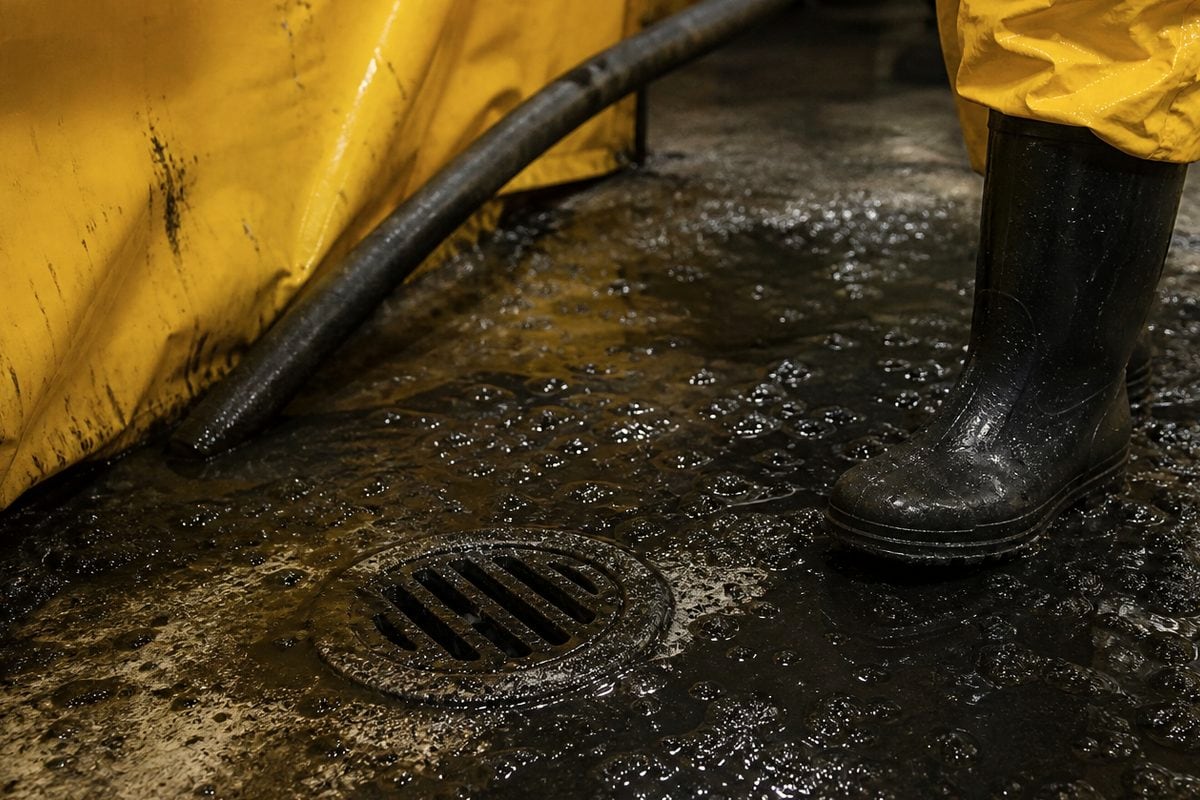
A sump pump failure can turn a manageable rain event into a flooded basement within hours, especially during the kind of heavy, sustained storms that hit Greater Los Angeles during atmospheric river season. Most sump pump failures come down to a small number of predictable causes, from power outages to worn-out motors to pumps that were never sized correctly for the job. Knowing what to do the moment you discover a failure, and understanding why it happened, can be the difference between a quick cleanup and a much bigger water damage and mold problem. This guide covers both, along with what insurance typically does and doesn't cover when a sump pump fails.
What to Do Immediately When Your Sump Pump Fails
The moment you discover a sump pump failure, avoid contact with any standing water near electrical outlets or panels, then work to stop the source and limit the damage. Acting in the right order matters more than acting fast and messy.
- Avoid stepping into standing water near outlets, cords, or electrical panels
- Shut off power to the affected area at the breaker if you can do so without entering standing water
- Try to identify why the pump failed, a tripped breaker or an obviously clogged intake are quick checks
- Move valuables, electronics, and furniture out of the affected area if it's safe to do so
- Use a wet vacuum or manual bailing for small amounts of water if you have one on hand
- Document the flooding with photos and video before you start cleanup
- Call a water damage restoration team if standing water, saturated flooring, or wet drywall is involved
Speed matters here, but safety comes first. A flooded basement isn't going anywhere in the next twenty minutes, but standing water near live electrical current is genuinely dangerous.
Why Sump Pumps Fail
Sump pumps most commonly fail due to power outages, mechanical problems, old age, incorrect sizing, or a storm simply overwhelming the system's capacity. Most failures trace back to one of these five causes.
Power Outages
Power outages stop most sump pumps because they rely on electricity to run, and that failure often happens during the exact storms that create the flooding risk in the first place. A standard sump pump with no backup power source is only as reliable as the electrical grid feeding it. This is one of the most frequently cited causes of sump pump failure across the industry, and it's also one of the more preventable ones, since a battery backup system addresses this specific failure point directly.
Mechanical Failure (Motor, Switch, Clogs)
- A worn or burned-out motor that can no longer move water
- A stuck or broken float switch that fails to trigger the pump
- A clogged intake screen or discharge line blocking water flow
- A jammed impeller from debris or sediment buildup
- A frozen or stuck check valve allowing water to flow backward into the pit
Any one of these mechanical issues can leave a sump pump technically running while doing nothing useful, which is part of why routine testing matters more than just confirming the pump has power.
Pump Age and Wear
Sump pumps have a limited working life, and they tend to fail without much warning as they near the end of that lifespan. A pump that's run for many storm seasons without replacement is simply more likely to fail at the worst possible moment. If you don't know how old your sump pump is, that uncertainty alone is a reason to have it inspected before the next major storm.
Incorrect Sizing or Installation
A sump pump that's undersized for the water volume it needs to handle will run constantly and burn out faster, or simply fail to keep up during a heavy storm. Incorrect installation, like a discharge line that isn't properly sloped or that dumps water too close to the foundation, can also undermine an otherwise functional pump. Getting the sizing and installation right the first time prevents a lot of downstream failure.
Storm Overload (Gutters, Downspouts, Heavy Rain)
During Los Angeles's rainy season, atmospheric river storms can dump a large volume of rain in a short window, overwhelming even a properly functioning sump pump system. Clogged gutters and downspouts that direct water toward the foundation instead of away from it add to the volume a sump pump has to handle. Older homes across Greater Los Angeles, some with drainage systems that predate current building standards, can be especially vulnerable during a heavy, sustained storm. A pump that handles typical rain without issue can still be overwhelmed by an unusually intense event.
What Happens If a Sump Pump Failure Goes Unaddressed
Left unaddressed, a sump pump failure can lead to structural damage, mold growth, and permanent loss of personal property, all of which get more expensive the longer standing water sits.
- Structural damage to framing, subfloor, and foundation materials from prolonged moisture exposure
- Mold growth, which can begin within roughly one to two days in humid, saturated conditions
- Damage to stored belongings, especially anything in boxes on the floor
- Damage to mechanical systems like furnaces or water heaters often located in basements
- Increasing cleanup cost the longer water sits and spreads to more materials
If mold has already started developing from a past sump pump failure, LA Water Damage's mold remediation team can assess the extent of growth before it spreads further.
Does Insurance Cover Sump Pump Failure?
Standard homeowners insurance often doesn't automatically cover sump pump failure, since many policies exclude water backup damage unless you've added a specific endorsement for it. This surprises a lot of homeowners at the exact moment they need coverage most.
A water backup or sump pump failure endorsement is a separate add-on that many insurers offer for a relatively modest premium increase, and it's worth asking about directly if your policy doesn't already include it. Coverage details, limits, and exclusions vary significantly by insurer and policy, so this is a case where checking your own declarations page or calling your agent is genuinely the only reliable answer. Does Flood Insurance Cover Cleanup and Restoration? covers the broader distinction between different types of water damage coverage, including where sump pump failure typically fits.
How to Prevent Sump Pump Failure
Preventing sump pump failure comes down to backup power, routine maintenance, and catching small problems before they become a flooded basement. Most of the common failure causes are also the most preventable ones.
Battery Backup and Alarm Systems
A battery backup system can keep a sump pump running during a power outage, directly addressing one of the most common failure points. Many backup systems also include a water level alarm that alerts you the moment water starts rising in the pit, giving you a chance to intervene before a full basement flood happens. For homes in areas prone to power outages during storms, a battery backup is one of the more worthwhile prevention investments available.
Routine Maintenance Checklist
- Test the pump every few months by pouring water into the basin and confirming it activates and drains
- Clean the intake screen and discharge line to prevent clogs
- Check the float switch for smooth, unobstructed movement
- Inspect the check valve to confirm it's preventing backflow
- Clear gutters and downspouts, especially before rainy season
- Confirm the discharge line directs water well away from the foundation
- Have the pump professionally inspected before the start of rainy season if it's more than a few years old
A few minutes of testing a couple of times a year is a lot cheaper than a flooded basement.
When to Call a Professional Water Damage Restoration Team
Call a professional water damage restoration team if your basement has standing water, saturated flooring, or wet drywall after a sump pump failure. Prompt professional assessment reduces both mold risk and structural damage.
LA Water Damage provides water damage restoration across Greater Los Angeles, including basements and crawl spaces affected by sump pump failure. A professional response typically includes:
- Water extraction from the affected area
- Moisture detection behind walls and under flooring
- Structural drying with commercial-grade equipment
- Assessment of affected belongings and materials
- Documentation to support any insurance claim you plan to file
[details pending verification] describes how LA Water Damage handles urgent calls related to basement flooding. If your sump pump has failed and you're dealing with standing water, call request a callback or visit contact form for an assessment.
Frequently Asked Questions About Sump Pump Failure
What is the most common cause of sump pump failure?
Power outages are one of the most frequently cited causes of sump pump failure, since most standard sump pumps rely on electricity and stop working the moment power is lost, often during the same storms that cause flooding.
How do I know if my sump pump has failed?
Signs include water pooling around the pump basin, a pump that runs constantly without removing water, unusual noises, or visible water in the basement despite having a working pump installed. Regular checks help catch failure early.
Does homeowners insurance cover sump pump failure?
Often not automatically. Many standard homeowners policies exclude water backup and sump pump failure unless you've added a specific water-backup or sump pump endorsement. Check your policy or contact your insurer to confirm your coverage.
Should I get a battery backup sump pump?
A battery backup system can keep a sump pump running during a power outage, which is one of the most common failure points. It's a widely recommended prevention step for homes prone to basement or crawl space flooding.
How often should I test my sump pump?
Many experts recommend testing a sump pump every few months by pouring water into the basin to confirm it activates and drains properly, along with an inspection before rainy season.
Can a clogged sump pump cause a basement flood even if the pump works?
Yes. A clogged intake screen or discharge line can prevent water from being removed even if the pump motor is functioning normally, which is why regular cleaning is part of basic maintenance.
When should I call a water damage restoration company after a sump pump failure?
If your basement has standing water, saturated flooring, or wet drywall, professional assessment is recommended promptly to reduce mold risk and structural damage. [details pending verification] to reach LA Water Damage for an assessment.
Next Steps
Sump pump failure catches most homeowners off guard, but the cleanup doesn't have to be a guessing game. If your basement has flooded in Greater Los Angeles, LA Water Damage can assess the damage and help you dry out and restore the space. Call request a callback or visit contact form.