
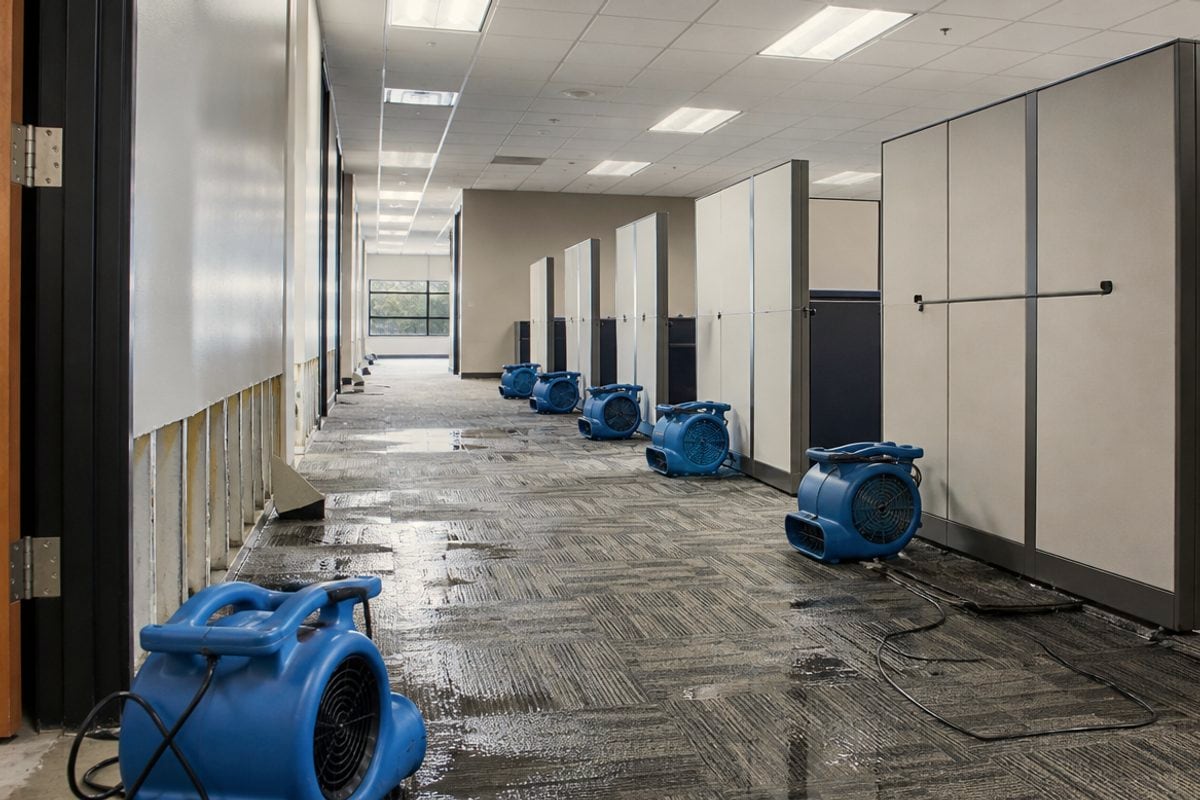
Flood insurance typically covers water extraction, structural drying, and repair of flood-damaged building materials, but the specifics depend entirely on your policy, your coverage limits, and whether the damage falls under a covered cause of loss. Many property owners find out too late that their standard homeowners policy doesn't cover flooding at all, since flood damage is commonly excluded from standard coverage. This guide walks through the difference between homeowners insurance and flood insurance, what NFIP and private flood policies typically cover, and how a restoration company fits into the claims process. None of this replaces reading your own policy or talking to your insurer directly, but it should make that conversation easier.
Flood Insurance vs. Homeowners Insurance: Why the Distinction Matters
Standard homeowners insurance and flood insurance are two separate types of coverage, and most standard homeowners policies exclude flood damage entirely. This distinction catches a lot of property owners off guard right when they need coverage most.
| Homeowners Insurance | Flood Insurance | |
|---|---|---|
| Covers flood damage | Typically excluded | Yes, this is its core purpose |
| Covers fire, theft, most water leaks | Yes | No |
| Where it comes from | Private insurer, usually bundled with mortgage | NFIP or a private flood insurance carrier |
| Required by lender | Often required generally | Often required specifically in mapped flood zones |
It's a common and understandable assumption that a general homeowners policy covers flooding, since it covers so many other types of water damage, like a burst pipe or an appliance leak. But flooding, generally defined as water entering from an external source like rising water, storm surge, or overflow, is treated differently by most insurers. That's exactly why flood insurance exists as its own product. Always confirm your specific policy's terms directly with your provider rather than assuming either way.
What Is Flood Insurance and What Does It Typically Cover?
Flood insurance typically covers direct physical damage to your building and, if you've purchased contents coverage, your belongings, up to your policy's limits. Coverage generally includes water extraction and structural repairs but excludes some categories, like temporary housing costs, in many standard policies.
NFIP
The National Flood Insurance Program, or NFIP, is a federally backed flood insurance program administered through FEMA and sold through participating insurance agents. It offers building coverage and, if purchased separately, contents coverage, both with set policy limits. NFIP is available to property owners in participating communities, whether or not the property sits in a mapped high-risk flood zone. Coverage under NFIP is fairly standardized compared to private flood insurance, which makes it easier to compare across providers, but it also means coverage limits may not fully match the value of your property or belongings in a higher-cost market like Los Angeles.
Private Flood Insurance
Private flood insurance is offered by individual insurance companies rather than the federal government, and it can sometimes offer higher coverage limits or different terms than NFIP. Pricing, availability, and coverage details vary by carrier, so comparing multiple private options alongside NFIP is worth the time if you're shopping for flood coverage. Some property owners choose private flood insurance because NFIP's coverage limits don't fully match their home's rebuild cost or their contents' value. Given ongoing conversations in California around insurance availability, including the state's FAIR Plan and reform efforts like AB 1680, it's worth checking current options rather than assuming last year's coverage landscape still applies.
Flood Insurance for Commercial Properties
Commercial property owners face similar coverage gaps as homeowners when it comes to flooding, since most commercial property policies also exclude flood damage by default. NFIP offers commercial flood insurance policies with different coverage limits than residential policies, and private commercial flood coverage is available as well. Business owners should also consider business interruption coverage separately, since standard flood policies generally don't cover lost income from a flood-related closure. For multifamily and commercial properties across Greater Los Angeles, confirming flood coverage before storm season, not during it, is the more useful order of operations.
Does Flood Insurance Cover Mold Caused by Flooding?
Mold coverage after a flood is often limited or excluded, particularly when the mold results from delayed cleanup rather than the flood itself. Insurers frequently view mold as a preventable secondary problem rather than direct flood damage.
This is one of the more common points of dispute in flood insurance claims. Acting quickly to extract water and begin drying reduces both the actual mold risk and the chance of a coverage dispute over whether the mold was preventable. If mold has already developed, LA Water Damage's mold remediation team can assess the extent of growth, which can also help support documentation for a claim, even though it doesn't guarantee coverage.
What to Do Immediately After Flood Damage (Before and During a Claim)
Right after flood damage, prioritize safety first, then documentation, then contacting your insurer, in that order. Skipping straight to cleanup before documenting damage is one of the most common mistakes that complicates a claim later.
- Make sure everyone is safe and avoid contact with standing water or damaged electrical systems
- Shut off power to affected areas if it's safe to do so
- Photograph and video all damage before moving or discarding anything
- Contact your insurance provider to begin the claims process and ask about next steps
- Take reasonable steps to prevent further damage, like covering broken windows, without starting major repairs
- Keep receipts for any temporary repairs or emergency mitigation services
- Avoid throwing away damaged items until your adjuster has reviewed them or you've documented them thoroughly
If you need emergency water extraction while you sort out your claim, professional mitigation can often begin before your adjuster's visit is scheduled.
How to Document Flood Damage for Your Insurance Claim
Thorough documentation is one of the strongest things you can do for your flood insurance claim, and it costs nothing but time. Photos, video, and a written inventory give your adjuster a clear record of what happened and what was lost.
- Photograph and video every room, focusing on water lines, damaged materials, and affected belongings
- Create a written inventory of damaged items, including approximate purchase date and value where known
- Keep any receipts, warranty information, or proof of ownership you can find
- Note the timeline, when the flooding started and when you discovered it
- Save communication with your insurer, including emails and claim numbers
- Keep a copy of everything in more than one place, digitally and on paper
What Can Be Saved After a Flood? A Room-by-Room Salvage Guide goes deeper into documenting specific items before deciding what to discard.
How a Restoration Company Supports Your Insurance Claim
A restoration company can support your flood insurance claim by documenting the scope of damage, providing detailed repair estimates, and communicating directly with your insurance carrier, though the actual coverage decision always rests with your insurer.
LA Water Damage works alongside property owners across Greater Los Angeles during the claims process, focusing on clear documentation rather than guaranteeing any particular outcome. That typically includes:
- Detailed photo and moisture documentation of the affected areas
- A written scope of loss describing what needs to be repaired or replaced
- Direct communication with your insurance adjuster when needed
- Itemized estimates that align with standard restoration industry pricing structures
No restoration company can promise your claim will be approved or promise a specific payout, and any company that does should raise a flag. What a good restoration partner can promise is thorough, accurate documentation that gives your claim the strongest possible foundation. Call request a callback or visit contact form if you're navigating a flood insurance claim right now.
Choosing a Qualified Restoration Company for Insurance-Related Work
Choosing a qualified restoration company for insurance-related flood work comes down to verifying licensing, checking their experience with insurance documentation, and getting a clear written scope before work begins.
- Confirm the company holds [details pending verification] appropriate for water damage restoration in California
- Ask how they document damage for insurance purposes and whether they've worked with your insurer before
- Get a written scope of work and itemized estimate before authorizing any repairs
- Be cautious of any company that pressures you to sign immediately or guarantees a specific claim outcome
- Ask about their process for coordinating directly with your adjuster
- Check for verifiable reviews or references rather than relying on marketing claims alone
Post-disaster price gouging and scam concerns are real, particularly after major storm events, so taking a few extra minutes to vet a company before signing anything is worth it.
Frequently Asked Questions About Flood Insurance and Restoration
Does standard homeowners insurance cover flood damage?
Typically, no. Most standard homeowners insurance policies exclude flood damage, which is why separate flood insurance, usually through the National Flood Insurance Program or a private insurer, exists. Always confirm your specific policy's terms with your insurance provider.
What does flood insurance usually cover for cleanup and restoration?
Flood insurance policies commonly cover water extraction, structural drying, and repair of flood-damaged building materials, subject to policy limits and exclusions. Coverage specifics vary by policy, so review your declarations page or ask your agent directly.
Does flood insurance cover mold that develops after a flood?
Mold coverage after a flood is often limited or excluded, particularly if the mold results from delayed cleanup. Acting quickly to dry and treat affected areas can reduce both mold risk and potential coverage disputes.
Do I need flood insurance if I'm not in a designated flood zone?
Flooding can occur outside mapped high-risk flood zones, including from heavy rain, storm drain overflow, or nearby waterways. Many property owners outside flood zones still carry flood insurance for this reason.
How soon should I document damage after a flood for insurance purposes?
Document damage as soon as it's safe to do so, ideally before you begin cleanup or discard any items. Photos, video, and a written inventory help support your claim.
Can a restoration company help with my flood insurance claim?
A restoration company can typically help document the scope of damage and communicate with your insurance carrier, though the claim decision itself rests with your insurer. [details pending verification] to ask LA Water Damage about claim documentation support.
What's the difference between NFIP and private flood insurance?
NFIP is a federally backed flood insurance program, while private flood insurance is offered by individual insurance companies and may have different coverage limits, pricing, or terms. Comparing both can help you find the right fit for your property.
Next Steps
Flood insurance is complicated enough without also managing cleanup on your own. If you're dealing with flood damage in Greater Los Angeles and need documentation support for your claim, call request a callback or visit contact form.
---