
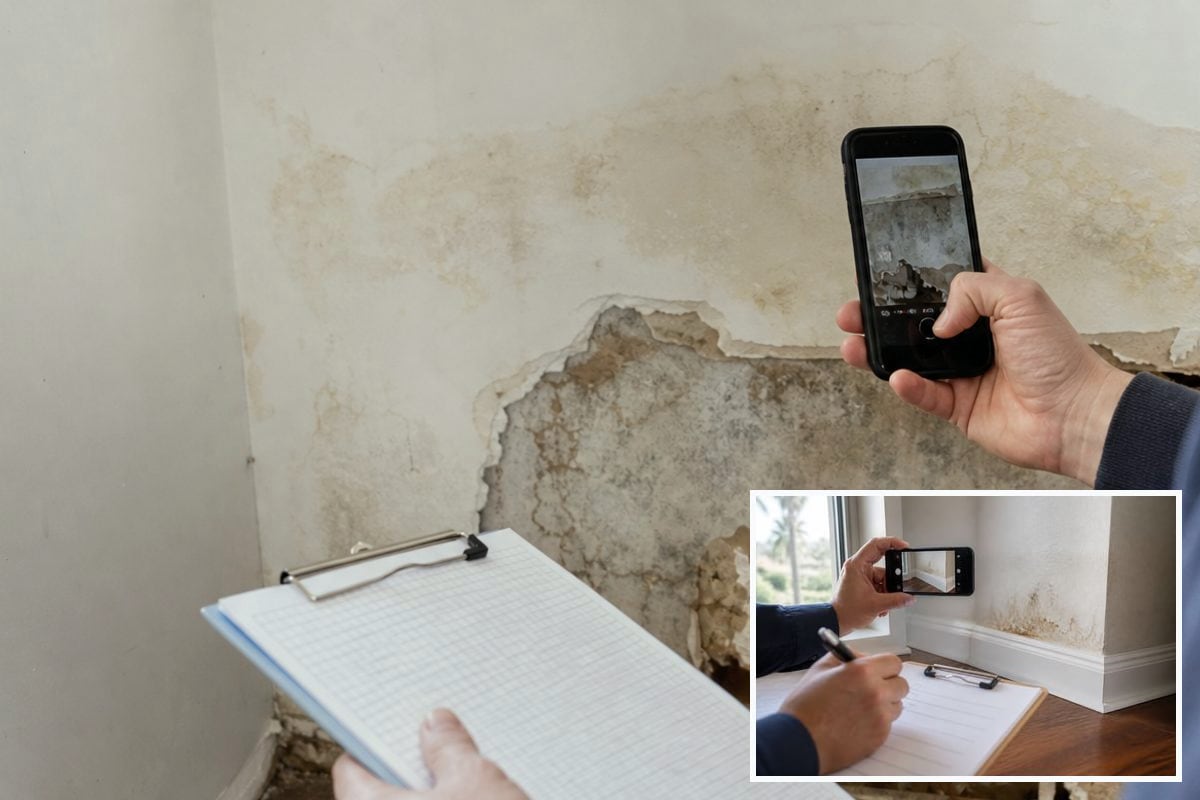
"How much is this going to cost?" is almost always the first question a property owner asks after discovering water, fire, mold, or sewage damage. It's a fair question, and dodging it with vague language helps no one. The honest answer is that restoration costs depend on so many variables that no single number applies to every situation, and any company that quotes a firm price before inspecting your property is guessing.
This guide walks through exactly what drives a restoration estimate up or down, how estimates get calculated, and how to compare quotes intelligently once you have them in hand.
What Determines a Restoration Estimate?
A restoration estimate is determined primarily by the extent and category of damage, the materials involved, the labor and equipment required, site access conditions, and how urgently the work needs to happen. These five factors interact, which is why two seemingly similar losses can carry very different costs.
Extent and Category of Damage
How much area is affected, and how contaminated the water or material is, drives cost more than almost any other factor. Water damage restoration professionals classify water into categories, from Category 1 (clean water, such as a supply line break) to Category 3 (grossly contaminated water, such as sewage backup). Category 3 water requires more extensive protective measures and material removal, which raises cost. A small, clean-water loss caught early will almost always cost less to mitigate than a widespread contaminated loss.
Materials and Structural Complexity
Hardwood flooring, plaster walls, and custom cabinetry cost more to restore or replace than standard drywall and carpet. Older buildings, common throughout Los Angeles's pre-1960s housing stock, sometimes reveal outdated materials like plaster-and-lath walls or original hardwood that complicate both drying and repair.
Labor and Equipment Requirements
Larger losses need more technicians, more air movers, and more dehumidifiers running for longer periods. Specialized equipment, like negative air machines for mold containment, adds cost that a simple drying job would not require.
Access and Site Conditions
A ground-floor unit with easy equipment access costs less to work in than a fifth-floor condo with a single narrow elevator. Site conditions like limited parking, tight loading access, or occupied surrounding units all affect labor time and, by extension, cost.
Timeline and Urgency
Emergency mitigation, especially work needed outside standard business hours, often costs more than scheduled, non-emergency work. Speed matters most in the first 24 to 48 hours after water intrusion, since delay increases the risk of secondary damage like mold growth, which itself adds cost.
How to Evaluate a Commercial Restoration Vendor: A Business Owner's Guide
How Costs Vary by Damage Type
Cost variation by damage type comes down to how invasive the mitigation process is and how much of the affected material typically needs replacement rather than drying or cleaning. Here's how the four major damage types generally compare in terms of cost drivers, without assigning specific numbers that don't apply to your situation.
Water and Flood Damage
Cost depends heavily on how long water sat before mitigation began and what materials absorbed it. Water caught within hours costs less to address than water that sat for days, since prolonged exposure often means replacing rather than drying materials.
Fire and Smoke Damage
Fire damage costs are driven by both direct burn damage and the extent of smoke and soot infiltration, which can travel through HVAC systems far beyond the visible fire zone. Odor removal and soot cleaning on surfaces the fire never touched can add meaningfully to scope.
Mold Remediation
Mold remediation cost depends on the square footage affected, the type of surface involved (porous materials like drywall often need removal rather than cleaning), and whether the underlying moisture source has been identified and fixed. Remediating mold without fixing the source is a common and costly mistake.
Sewage and Sewer Backup Cleanup
Sewage cleanup involves contaminated (Category 3) water, which requires more extensive disposal of affected porous materials and stricter safety protocols. This typically raises cost compared to a clean-water loss of similar size.
How Restoration Estimates Are Calculated
Restoration estimates are typically calculated using standardized line-item pricing databases combined with an in-person inspection that documents the exact scope of affected materials and labor. This industry-standard approach helps keep estimates consistent and defensible, including for insurance purposes.
Estimating Software and Industry Standards
Most professional restoration companies use estimating software that references regional pricing data for materials and labor, updated periodically to reflect current market rates. This is the same category of software insurance adjusters often use, which is part of why aligned, well-documented estimates tend to move through claims more smoothly.
Inspection and Scoping Process
An estimate should always follow an in-person inspection, not a phone-based guess. During scoping, a technician documents affected square footage, materials, moisture readings, and any visible contamination, then builds a line-item estimate from those specifics. Ask to see the itemized breakdown, not just a bottom-line number.
Insurance and Payment Options
Whether insurance covers your restoration cost depends entirely on your specific policy, the cause of damage, and your deductible, and no restoration company can promise coverage on your behalf. This is one of the most common sources of confusion, and it deserves a direct answer rather than a vague one.
- Paying through an insurance claim: Your policy may cover part or all of the cost, minus your deductible, depending on the covered peril and any exclusions.
- Paying out of pocket: Some property owners choose this route for smaller losses to avoid a claim on their record, or when the damage falls below their deductible anyway.
- Financing options: Some restoration companies offer or partner with financing programs for property owners who prefer to spread payments over time.
For a full walkthrough of how a claim moves from report to payout, see How the Property Damage Insurance Claim Process Works. This is general information, not insurance advice. Confirm your specific coverage directly with your insurer.
Paying Through an Insurance Claim
If you're filing a claim, your deductible (the amount you pay before coverage kicks in) applies first, and the settlement amount depends on your policy's terms, including whether it uses actual cash value or replacement cost value. Restoration Estimate vs. Insurance Estimate: Understanding the Difference covers this distinction in depth.
Paying Out of Pocket
Paying directly gives you more control over timeline and vendor choice without insurer involvement, though you take on the full cost yourself. Ask any restoration company directly about their non-insurance pricing structure.
Financing Options
If financing is available, ask about interest rates, repayment terms, and whether the financing is offered directly or through a third-party partner. Read the terms carefully before committing, the same as you would with any financing decision.
Restoration Costs in the Los Angeles Market
Restoration costs in Greater Los Angeles are shaped by the same major-metro dynamics that affect labor and material pricing across the region generally. Labor rates, permitting requirements, and material costs in a large coastal metro like Los Angeles can differ from smaller or more rural markets, simply due to demand and cost of living.
Los Angeles's aging infrastructure adds another local wrinkle. LADWP's water system includes a significant share of mains over 80 years old, and older residential and commercial buildings across the region still have original clay, cast iron, or galvanized supply lines. Restoration jobs in these older structures sometimes uncover more extensive underlying issues once work begins, which can affect the final scope. An accurate estimate for your Greater Los Angeles property requires an on-site inspection. [details pending verification]
How to Manage and Compare Restoration Estimates
Comparing restoration estimates effectively means evaluating scope detail and methodology, not just the bottom-line number. A lower quote with a vague scope often costs more in the end through change orders and missed work.
Getting Multiple Quotes
Getting two to three quotes for non-emergency work lets you compare scope and approach, though an active emergency often means you need to move faster on a single trusted option. When time allows, use the comparison to your advantage.
Questions to Ask About Your Estimate
- Is this a line-item estimate or a lump-sum number?
- What specific materials and labor does it include?
- How was the affected square footage measured?
- What could cause this number to change once work starts?
- Does this estimate account for potential hidden damage?
Setting Realistic Expectations
Setting realistic expectations means understanding that an initial estimate can change once work begins and hidden damage is discovered. This isn't a sign of a bad vendor. It's a normal part of how restoration projects unfold, especially in older buildings.
Hidden damage behind walls, under flooring, or within structural cavities often isn't visible until demolition starts. When that happens, a reputable company documents the change with photos and provides a revised written estimate, sometimes called a supplement, before proceeding with the additional work. Ask upfront how a vendor handles these situations so there are no surprises later.
Frequently Asked Questions About Restoration Costs
What is the average cost of water damage restoration?
Costs vary significantly based on the extent of water intrusion, the materials affected, and how long the water sat before mitigation began. There is no single average that applies to every situation. A qualified restoration company can provide [details pending verification] and a full written estimate after an on-site inspection.
Will my insurance cover the full restoration cost?
Coverage depends entirely on your specific policy, the cause of damage, and your deductible. Some claims are covered fully, others partially, and some causes may be excluded. Always confirm exact coverage details directly with your insurance company, since this is not insurance advice.
What is a restoration deductible?
A deductible is the amount you're responsible for paying out of pocket before your insurance coverage applies to a covered claim. The amount is set by your policy, not by the restoration company. Check your policy documents or ask your insurer directly for your specific deductible amount.
Why do restoration estimates change after work begins?
Hidden damage behind walls, under flooring, or within structural cavities is common and often isn't visible until demolition begins. A reputable company should document any changes with photos and a revised written estimate before proceeding, sometimes called a supplement.
Can I get a restoration estimate without filing an insurance claim?
Yes. You can pay out of pocket or explore financing options instead of filing a claim, which some property owners prefer for smaller losses to avoid a claim on their record. Ask any restoration company directly about non-insurance pricing and payment options.
How long is a restoration estimate valid?
Material and labor costs can shift over time, so most estimates are valid for a limited window, often stated directly on the estimate document. Ask the company providing your estimate for their specific validity period rather than assuming a standard timeframe.
Do commercial restoration estimates work differently than residential ones?
Commercial estimates often account for factors residential ones don't, such as multi-tenant coordination, code compliance, and business interruption considerations. Scope and complexity tend to be greater, which can affect both estimate depth and cost variability. See How to Evaluate a Commercial Restoration Vendor: A Business Owner's Guide for more on commercial-specific factors.
Next Steps
The only way to know what your specific restoration will cost is a real, on-site inspection. LA Water Damage provides written estimates based on the actual condition of your property, not a phone-based guess. Reach out at request a callback or contact form to schedule an inspection.
---