
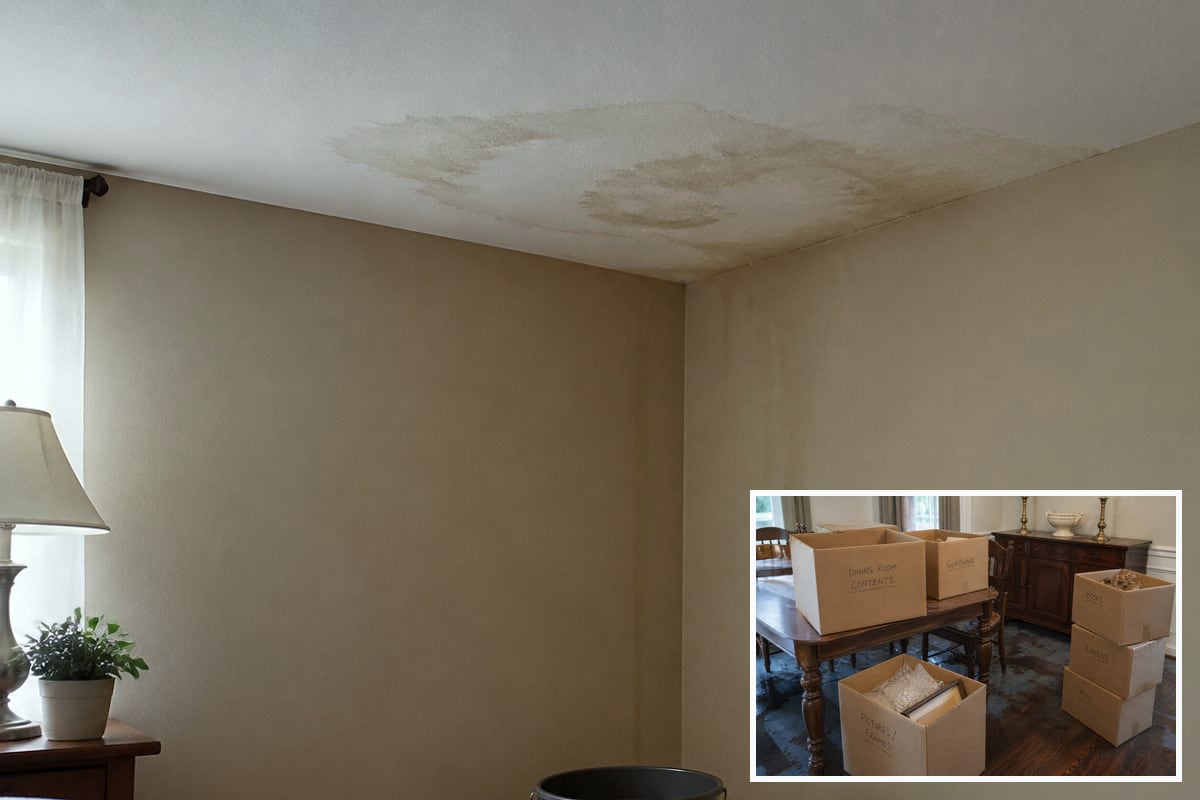
Getting a property damage claim denied, or partially denied, is one of the more frustrating experiences a homeowner or business owner can go through. Often the reason traces back to a policy exclusion, a specific cause of loss the policy simply doesn't cover, buried in language most people never read until after damage has already happened.
A policy exclusion is a specific cause of loss or type of damage that your insurance policy states it will not cover, even if other parts of your policy cover similar-looking damage. Understanding the most common exclusions before you're in a claim situation can help you ask better questions of your insurer, spot coverage gaps early, and understand why a claim outcome landed where it did.
The Most Common Property Damage Exclusions
Property insurance policies commonly exclude gradual damage, flood, earthquake, sewer backup, and certain mold claims, though exact terms vary significantly by insurer and policy. Many of these exclusions surprise property owners specifically because the excluded cause of loss looks, on the surface, a lot like something the policy does cover.
Wear and Tear and Gradual Damage
Wear and tear generally refers to gradual deterioration from age or normal use, as opposed to a sudden, accidental event. Insurers typically distinguish a slow, ongoing leak that damaged a wall over months from a pipe that burst suddenly and flooded a room in an afternoon. The first often falls outside coverage. The second usually doesn't. Los Angeles's older housing stock, with plenty of homes built before 1960 on original galvanized or cast iron plumbing, makes this distinction come up often, since aging pipes tend to fail gradually before they fail completely.
Flood Damage (Often a Separate Policy)
Standard homeowners and commercial property policies typically exclude flood damage from rising water, storm surge, or general overflow. Flood coverage generally must be purchased separately, often through a federal or private flood insurance policy. Given the atmospheric river storms that have hit Los Angeles in recent winters, this is a gap worth understanding before the next wet season arrives, not during it.
Earthquake Damage (Often a Separate Policy)
Earthquake damage is typically excluded from standard property policies in California and generally requires a separate earthquake policy or endorsement. This is one of the most consistently excluded perils in the state, and Los Angeles property owners in particular should confirm whether they carry any earthquake coverage at all, since many don't.
Sewer and Sewage Backup
Sewer and sewage backup is commonly excluded from base property policies but is often available as an optional endorsement. Whether your policy includes it, and to what dollar limit, depends entirely on your specific coverage. If you're dealing with an active backup situation right now, understanding your coverage matters less in the moment than getting the water out and the area sanitized.
Mold Damage
Mold-related coverage varies widely by insurer and policy. Many policies limit or exclude mold damage unless it results directly from a covered event, such as a sudden pipe burst, rather than from long-term moisture exposure. Given Los Angeles's marine-layer humidity in coastal and low-lying neighborhoods, this exclusion matters more here than it might in a drier climate, since ongoing dampness can quietly create conditions for mold growth over time.
Pre-Existing Damage
Pre-existing damage generally refers to damage that existed before your current policy period began, which insurers typically won't cover under a new or renewed policy. This is one of the more disputed exclusion categories, since it can be genuinely difficult to prove when damage actually started, particularly for issues like slow leaks inside walls.
Why Property Damage Claims Get Denied
Claims get denied for a range of reasons beyond straightforward exclusions, including delayed action, thin documentation, and missed filing deadlines. Understanding these common denial triggers helps separate what's within your control from what isn't.
Failure to Mitigate Further Damage
Many policies include a duty to mitigate further damage, meaning delayed action after discovering a loss could affect your claim outcome. This is a general industry practice, not a guarantee of denial or approval. If you notice active water intrusion, addressing it promptly generally works in your favor regardless of what your final claim decision turns out to be.
Inadequate Documentation
Claims with thin documentation, meaning few photos, no clear timeline, or no record of the mitigation steps taken, tend to face more scrutiny and more back-and-forth with adjusters. This doesn't guarantee denial, but it removes some of the evidence that could otherwise support your position.
Late Filing
Most policies include a deadline for reporting a loss, and filing well past that window can jeopardize coverage even for an otherwise valid claim. If you're not sure what your policy's filing deadline is, that's worth confirming with your insurer immediately, not after the fact.
How to Reduce Your Risk of a Denied Claim
Acting quickly and documenting thoroughly are the two factors most within a property owner's control when it comes to reducing claim denial risk, though neither guarantees approval. These steps won't override an actual exclusion, but they remove some of the most common, avoidable reasons claims get contested.
Acting Quickly After Damage Occurs
- Address active water intrusion or fire hazards immediately to prevent further damage.
- Contact your insurer promptly to report the loss and start the claims process.
- Arrange emergency mitigation before secondary damage, like mold, has a chance to develop.
- Keep receipts and records of any emergency steps you take yourself.
Fast mitigation is generally helpful for reducing overall damage and supporting your claim, though it's not a guarantee against denial if an exclusion genuinely applies. If you're facing an active emergency right now, mitigation speed matters more than any of the coverage questions below.
Documenting Damage Thoroughly
Thorough documentation, meaning photos, moisture readings, and a clear written timeline, generally helps your insurer and adjuster evaluate whether damage falls under a covered event or an excluded cause. Questions to Ask Before Hiring a Restoration Contractor covers what to ask a restoration company about how they handle this documentation before you hire one.
Commercial Property Exclusions to Watch For
Commercial property policies carry many of the same exclusions as residential policies, plus additional categories relevant to multifamily, hospitality, and retail buildings. Facility managers across Greater Los Angeles should pay particular attention to a handful of recurring issues.
- Equipment breakdown, often excluded from base commercial property coverage and sold as a separate endorsement.
- Business interruption, which frequently requires its own coverage rider rather than being automatic.
- Older plumbing and HVAC systems in aging multifamily and mixed-use buildings, common throughout Los Angeles, which can trigger gradual-damage exclusion disputes similar to residential wear and tear claims.
- Tenant-caused damage in multifamily and hospitality properties, where responsibility and coverage can get complicated between landlord and tenant policies.
Frequently Asked Questions About Property Damage Claim Exclusions
Is flood damage covered by standard homeowners insurance?
Typically, standard homeowners and commercial property policies exclude flood damage from rising water, storm surge, or overflow, and flood coverage generally must be purchased separately, often through a federal or private flood policy. Coverage terms vary, so confirm directly with your insurer or agent whether flood protection is included.
Does insurance cover sewer or sewage backup?
Sewer and sewage backup is commonly excluded from base property policies but is often available as an optional endorsement. Whether your policy includes it, and to what dollar limit, depends entirely on your specific coverage. Ask your insurer to confirm.
What counts as "wear and tear" that insurance won't cover?
Wear and tear generally refers to gradual deterioration from age or normal use rather than a sudden, accidental event. Insurers typically distinguish this from sudden water intrusion or storm damage, but the line can be disputed. Your policy language and your insurer's claims team make the final determination.
Can a claim be denied if I don't act quickly after damage occurs?
Many policies include a duty to mitigate further damage, meaning delayed action could affect your claim outcome. This is a general industry practice, not a guarantee of denial or approval. Confirm your policy's specific mitigation requirements with your insurer.
Does mold damage get excluded from property insurance?
Mold-related coverage varies widely by insurer and policy, and many policies limit or exclude mold damage unless it results directly from a covered event like a sudden pipe burst. Ask your insurer how mold is treated under your specific policy.
What is a pre-existing damage exclusion?
This generally refers to damage that existed before your current policy period began, which insurers typically will not cover under a new or renewed policy. Documentation of a property's condition before an incident can help clarify what is pre-existing versus new damage.
How does documentation affect whether an exclusion applies?
Thorough documentation, such as photos, moisture readings, and a clear timeline, generally helps your insurer and adjuster evaluate whether damage falls under a covered event or an excluded cause. It does not guarantee coverage, but it supports a clearer claims process.
Next Steps
Exclusions can feel like fine print until they directly affect your payout. If you're dealing with water, fire, sewage, or mold damage right now and want documentation that supports your claim, LA Water Damage can be reached at request a callback or through contact form. For a deeper look at how coverage type interacts with these exclusions, see Replacement Cost vs. Actual Cash Value: What Los Angeles Property Owners Need to Know.
---