
Cost is usually the second question, right after "how bad is it," and it's the hardest one to answer honestly without seeing the property first. Any company that quotes you an exact dollar figure over the phone, before anyone has inspected the damage, is guessing, and that guess can go badly wrong in either direction.
This guide explains what genuinely drives water damage restoration cost, walks through the categories where money typically goes, and shows you how a legitimate estimate actually gets built, so you can evaluate any quote you receive with real understanding instead of just trusting a number.
Quick Answer: What Determines Water Damage Restoration Cost
Water damage restoration cost is driven primarily by the category of water involved, the size and severity of the affected area, and which materials need repair or replacement. [details pending verification] varies enough between projects that an accurate figure requires an on-site assessment rather than a phone estimate.
What Affects the Cost of Water Damage Restoration
Several concrete factors determine what a given water damage project costs, and understanding them helps you make sense of any estimate you receive.
Category of Water (Clean, Gray, or Black)
Category 1 clean water is the least expensive to address since materials often just need drying rather than replacement. Category 2 gray water usually requires more materials to be discarded rather than dried, since contamination risk makes saving them impractical. Category 3 black water, like sewage backup, adds significant cost through required decontamination, personal protective equipment, and disposal of contaminated materials that can't be salvaged.
Size and Severity of the Affected Area
A larger affected area means more equipment running for longer, more materials to assess and potentially replace, and more labor hours overall. Severity matters as much as square footage. A small area with deeply saturated structural materials can cost more to address than a larger area with only surface-level moisture.
Materials and Areas Affected
Some materials cost more to repair or replace than others. Hardwood flooring, tile, and certain types of insulation are more labor-intensive or expensive to replace than standard carpet or drywall. Kitchens and bathrooms tend to run higher due to plumbing fixtures, cabinetry, and finish materials involved.
Accessibility and Emergency Timing
A property that's hard to access, whether due to a multi-unit building's shared hallways, tight parking, or elevator-only access, can add labor time and therefore cost. Emergency, after-hours response can also carry different pricing than a scheduled daytime appointment, which is worth asking about upfront.
Typical Cost Ranges by Repair Type
Repair costs vary by room and repair type, largely because different rooms involve different materials, fixtures, and plumbing complexity.
Cost Considerations by Room (Basement, Bathroom, Kitchen)
| Room or Repair Type | Cost Consideration |
|---|---|
| Basement | Often larger affected area, may involve foundation moisture concerns |
| Bathroom | Plumbing fixtures and tile add complexity and material cost |
| Kitchen | Cabinetry, flooring, and appliances raise both material and labor cost |
| Drywall replacement | Cost scales with square footage and ceiling height |
| Flooring replacement | Varies significantly by material type, hardwood versus carpet versus tile |
[details pending verification] for each category above depends on your specific property and the extent of damage found during inspection.
Cost per Square Foot
Restoration companies commonly estimate using a cost-per-square-foot framework as a starting reference point, though this figure shifts significantly based on water category, material type, and labor requirements. [details pending verification] is not something we'll state without an on-site assessment, since a generic per-square-foot number can be misleading without knowing your specific damage.
Hidden Costs to Budget For
Beyond the visible repair work, a few less obvious costs are worth budgeting for so they don't catch you off guard partway through a project.
- Mold testing or remediation, if moisture wasn't caught early enough to prevent growth
- Content restoration or replacement for damaged furniture, electronics, or belongings
- Temporary storage for unaffected items moved out of the work area
- Permit fees, for any structural repair work that requires local permitting
- Temporary housing, in cases where the property is unsafe to occupy during repairs
- Post-restoration cleaning beyond the immediate affected area
These costs vary significantly by project scope and are best confirmed during your on-site assessment rather than assumed upfront.
How Restoration Estimates Are Built
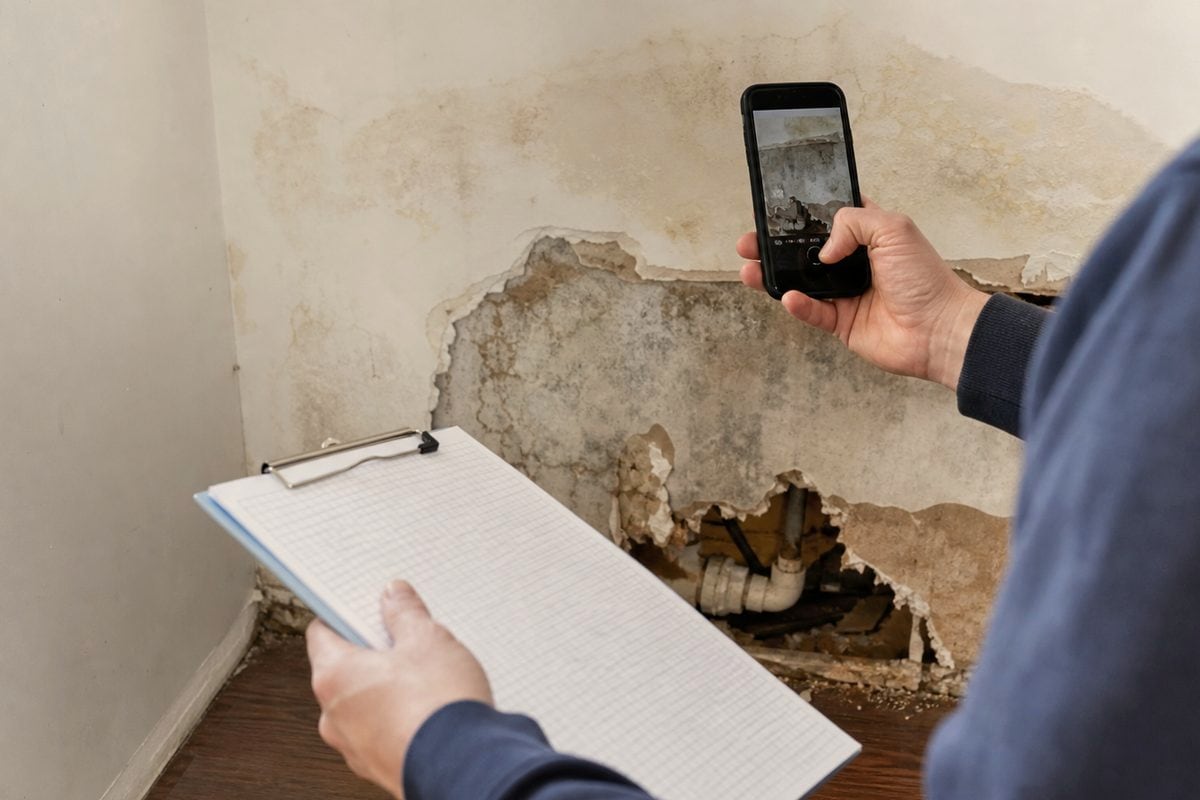
A legitimate restoration estimate starts with an on-site assessment, not a phone call, because accurate pricing requires actually seeing the extent of the damage. Technicians document the category and class of water, measure the affected square footage, identify which materials need drying versus replacement, and calculate the labor and equipment time required. [details pending verification] for details specific to our estimating process. If you want to see how the underlying inspection works before an estimate is built, What Happens During a Water Damage Inspection? covers that step in detail.
Does Insurance Cover Water Damage Restoration Costs?
Many homeowners insurance policies cover sudden, accidental water damage, such as a burst pipe, but often exclude gradual leaks, flooding without separate flood coverage, or damage tied to poor maintenance. Whether your specific loss is covered, and how much of the cost your policy handles, depends entirely on your policy language and the documented cause of the damage. Confirm coverage details directly with your insurance company before assuming what's included, and keep thorough documentation from your inspection and mitigation work, since that's what supports your claim. Water Mitigation vs. Water Restoration: What's the Difference and Which Do You Need?
DIY vs. Professional Restoration Cost
Handling some parts of a water damage response yourself, like moving unaffected belongings or doing basic cleanup, can genuinely reduce labor time and cost. Attempting extraction or drying yourself carries more risk than it might seem worth, though, since missed hidden moisture often leads to mold growth or material failure that costs more to fix later than professional drying would have cost upfront. There's also a liability and warranty consideration. Work performed by unlicensed individuals may not be covered the same way by insurance or backed by any workmanship guarantee. Professional assessment before deciding what to handle yourself is the safer approach, not a sales tactic.
The Cost of Delaying Water Damage Repairs
Delaying water damage repairs tends to increase total cost rather than save money, because moisture that isn't addressed quickly spreads into more materials and raises the odds of mold growth. What could have been a drying-only project can turn into a replace-and-rebuild project if it sits too long.
Structural damage follows a similar pattern. Wood framing and subfloor that stay wet for extended periods can weaken in ways that go beyond cosmetic repair, adding real reconstruction cost that a prompt response would have avoided. This isn't a scare tactic. It's simply how moisture interacts with building materials over time. If you're facing an active situation, How Long Does Water Damage Restoration Take? covers what a realistic response timeline looks like.
How to Reduce Water Damage Restoration Costs
A few practical steps can help keep your restoration cost as low as the actual damage allows, without skipping anything necessary.
- Call a professional as soon as you notice water damage, rather than waiting
- Turn off the water source promptly if you can safely locate it
- Move unaffected belongings out of the work area yourself
- Keep your insurance policy information and documentation organized and ready
- Ask for a written, itemized estimate before work begins
- Confirm with your insurer what documentation they require before cleanup starts
- Address minor leaks and maintenance issues before they become larger losses
Getting an Accurate Water Damage Restoration Quote in Greater Los Angeles
Greater Los Angeles properties bring some specific cost factors into play, including permitting and access considerations for multifamily and commercial buildings, and older plumbing systems, like clay pipe and galvanized supply lines, that can fail in ways that add complexity to a repair. Pricing that ignores these regional realities isn't pricing you can trust.
LA Water Damage builds every estimate from an on-site assessment, not a generic phone quote. [details pending verification] and full pricing details are provided after that assessment, specific to your property. Call request a callback or visit contact form to schedule one across Greater Los Angeles.
Frequently Asked Questions About Water Damage Restoration Cost
What is the average cost of water damage restoration?
Cost varies significantly based on the category of water, the size of the affected area, and the extent of damage to materials and structure. Because every situation is different, an accurate figure requires an on-site assessment. [details pending verification] pending verified current pricing.
Does homeowners insurance cover water damage restoration?
Many policies cover sudden, accidental water damage, such as a burst pipe, but often exclude gradual leaks, flooding, or neglect-related damage. Coverage details vary by policy and carrier, so confirm specifics directly with your insurance company before assuming what's included.
Is water damage restoration cheaper if I do some of it myself?
Handling minor cleanup yourself, such as removing unaffected belongings, can reduce labor time. However, DIY extraction and drying often miss hidden moisture, which can lead to mold and higher repair costs later. Professional assessment is recommended before deciding what to handle yourself.
Does black water cleanup cost more than clean water damage?
Generally, yes. Black water, Category 3, such as sewage backup, requires additional decontamination, protective equipment, and disposal of contaminated materials, which typically adds cost compared to a Category 1 clean-water incident.
What hidden costs should I budget for with water damage repair?
Beyond the visible repair, budget for potential mold testing or remediation, replacement of contents, temporary storage, and in some cases permit fees for structural work. These vary by project scope and are best confirmed during your on-site assessment.
Is a water damage restoration estimate free?
[details pending verification]. Contact us directly to confirm current terms for inspections and estimates in your area.
How is a water damage restoration cost estimate calculated?
Estimators typically assess the category and class of water damage, the square footage and materials affected, and the equipment and labor required, then build a scope of work. Many companies use industry-standard estimating methods to help ensure consistent, itemized pricing. [details pending verification] for details specific to our process.
No two water damage projects cost the same, and anyone promising an exact number before seeing your property is skipping a step that matters. For an honest, itemized estimate based on what's actually happening at your property, call request a callback or visit contact form.