
You just found water pooling under the kitchen cabinets, or a contractor mentioned "mitigation" while your insurance adjuster kept saying "restoration," and now you're not sure if those are the same service or two different bills. That confusion is common, and it costs homeowners real money and time when they hire the wrong scope of work or skip a step they didn't know existed.
Here's the short version. Mitigation stops the damage from getting worse. Restoration repairs what was already damaged. Most water losses need both, in that order. The rest of this guide breaks down exactly what each one includes, when you might only need one, and how to talk about this with your insurance carrier without getting confused by industry jargon.
What Is Water Mitigation?
Water mitigation is the emergency response phase that stops active water damage and prevents it from spreading, through steps like water extraction, moisture control, and securing the property. It happens first, usually within hours of a loss being reported, not days later.
Mitigation is reactive and protective rather than cosmetic. A mitigation crew removes standing water, sets up drying equipment, and takes immediate steps like tarping a roof or boarding up a broken window to stop more water from entering. Technicians also identify the category of water involved, following IICRC S500 guidelines, the industry standard for water damage restoration. Category 1 is clean water, Category 2 has some contamination, and Category 3 is grossly contaminated. That category affects how the crew handles everything from personal protective equipment to what materials can be saved. Mitigation does not repair or rebuild anything. It exists to freeze the damage where it is.
The Water Mitigation Process, Step by Step
Mitigation generally follows a consistent sequence, regardless of which company handles it.
- Source control — stopping the water at its origin, whether that means shutting off a valve or covering a roof breach.
- Safety assessment — checking for electrical hazards and contamination before anyone enters the affected area.
- Water extraction — removing standing water with pumps and extraction equipment.
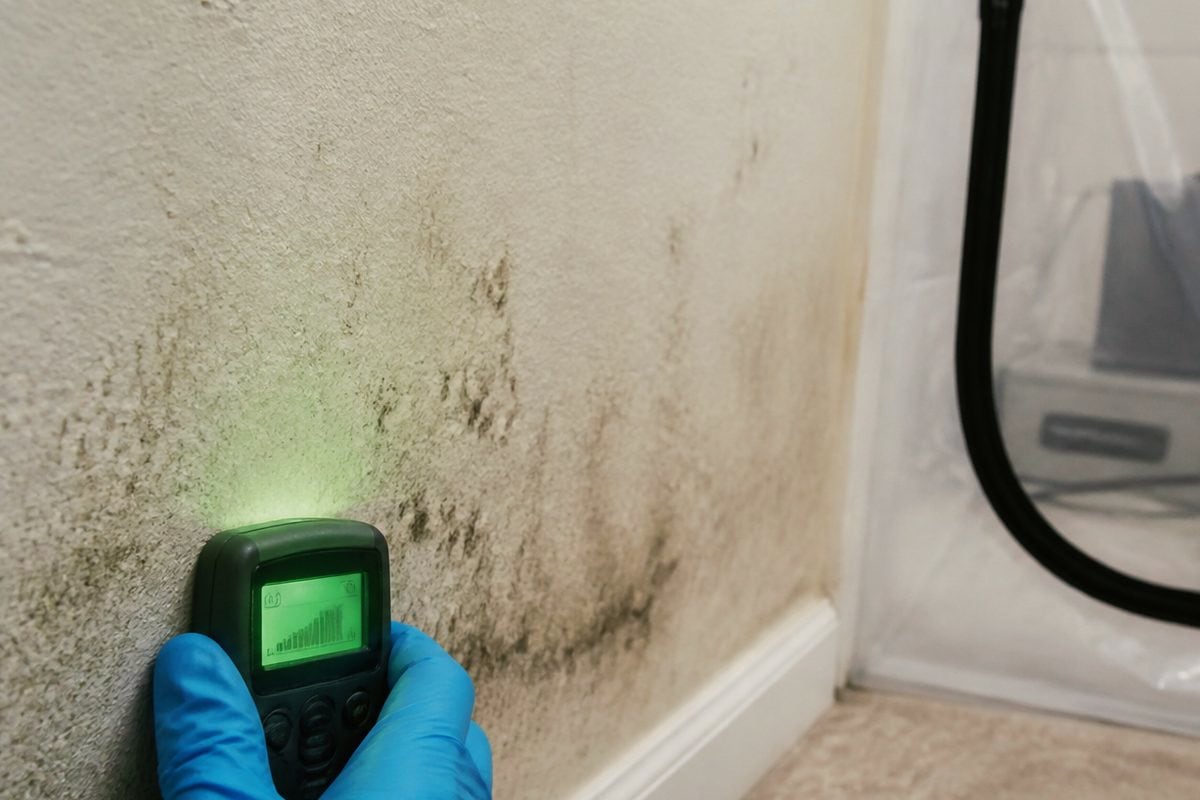
- Moisture mapping — using moisture meters to document exactly how far the water traveled, including behind walls and under flooring.
- Containment — sealing off the affected zone to prevent cross-contamination and to concentrate drying equipment where it's needed.
- Structural drying setup — placing air movers and dehumidifiers to begin removing moisture from building materials.
Each step gets documented with photos and moisture readings, which matters later if you file an insurance claim.
When Mitigation Alone Is Enough
Mitigation alone can be enough if the water was caught early, involved a small area, and didn't touch materials that need replacing. A quick response to a dishwasher overflow on tile flooring, for example, might only require extraction and drying, with no drywall or flooring repair afterward. The determining factor isn't how the water started. It's whether the materials it touched can dry out fully without warping, staining permanently, or growing mold.
What Is Water Damage Restoration?
Water damage restoration is the repair and rebuild phase that follows mitigation, covering everything from drywall replacement and flooring repair to full reconstruction of damaged areas. It only starts once the structure is confirmed dry.
Where mitigation is about stopping and containing damage, restoration is about putting the property back to its pre-loss condition. That can mean something as simple as repainting a water-stained ceiling or as involved as rebuilding a section of subfloor and framing after a Category 3 loss. Restoration work typically requires licensed contractors for anything involving structural components, electrical, or plumbing. For a full breakdown of what this phase covers on its own, see How Much Does Water Damage Restoration Cost?.
The Water Restoration Process, Step by Step
Restoration work is scoped after mitigation confirms the structure is dry and typically includes:
- Removal of unsalvageable materials (damaged drywall, insulation, flooring)
- Repair or replacement of structural components where needed
- Reinstallation of flooring, drywall, trim, and paint
- Reconnection of any affected electrical or plumbing systems
- Final walkthrough to confirm the space matches its pre-loss condition
When You Need Full Restoration, Not Just Mitigation
You need full restoration whenever materials were damaged beyond what drying can fix, which includes swollen drywall, delaminated flooring, or any structural wood that softened or warped. If water sat for more than 24 to 48 hours before mitigation began, or if the water was Category 2 or 3, restoration becomes far more likely because contaminated or long-standing water damages materials in ways drying alone can't reverse.
What Is Water Remediation? (And Why It's Not the Same as Restoration)
Water remediation most commonly refers to removing contamination, especially mold, rather than repairing structural damage. In practice, though, the restoration industry uses "remediation," "mitigation," and "restoration" inconsistently, and you'll see companies use them interchangeably even when they shouldn't.
If your water loss has any mold involvement, ask specifically whether a company performs mold remediation, not just water mitigation, since those are genuinely different skill sets and often require different protocols. For a deeper look at that process specifically, see Mold Inspection and Remediation.
Remediation vs. Restoration: The Key Distinction
Remediation removes something harmful, usually mold or contamination. Restoration rebuilds something damaged, usually structural materials. A project can need one, the other, or both, depending on whether contamination developed and whether materials were physically damaged.
Mitigation vs. Restoration: Key Differences at a Glance
Mitigation and restoration differ across nearly every practical dimension, from timing and cost to whether a homeowner can attempt it themselves. The table below lays out the core differences side by side.
| Factor | Water Mitigation | Water Restoration |
|---|---|---|
| Primary focus | Stop damage from spreading | Repair and rebuild damaged areas |
| Timing | Begins immediately after a loss | Begins after the structure is confirmed dry |
| Typical duration | [details pending verification] | Varies by scope of repairs needed |
| Cost range | [details pending verification] | [details pending verification] |
| DIY feasibility | Limited, for very minor clean-water incidents only | Rarely recommended without licensed contractors |
| Insurance treatment | Often authorized quickly to prevent further loss | Usually requires a scoped estimate and approval |
| Equipment used | Pumps, extractors, air movers, dehumidifiers | Contractor tools, building materials, finishes |
| Who typically performs it | Water damage restoration technicians | Restoration contractors, sometimes general contractors |
If you're unsure which phase your property currently needs, an on-site inspection is the fastest way to find out. What Happens During a Water Damage Inspection?
Why Mitigation and Restoration Both Matter
Skipping either phase creates a real risk of the problem coming back worse than it started, which is why most water losses genuinely need both steps rather than just one.
What Happens If You Skip Mitigation
Skipping mitigation and moving straight to repairs means rebuilding on top of moisture that's still trapped inside the structure. Drywall can look fine on the surface while the material behind it stays wet, which creates ideal conditions for mold growth and can compromise new materials installed too soon. Mitigation isn't optional busywork before the "real" repair work starts. It's what makes restoration actually last.
What Happens If You Skip Restoration
Skipping restoration after mitigation leaves damaged materials in place even though the immediate water threat is gone. Warped flooring, weakened subfloor, or drywall that lost structural integrity won't fix themselves just because the area is dry. Left alone, these compromised materials can lead to secondary issues like mold in wall cavities, pest intrusion through gaps, or flooring that becomes a safety hazard over time.
The Dos and Don'ts of Water Damage
The first few hours after discovering water damage matter more than almost any other point in the process, and a few basic actions can prevent the situation from getting significantly worse.
What to Do Immediately
- Shut off the water source if you can safely identify it
- Turn off electricity to the affected area if outlets or fixtures are near standing water
- Move furniture and valuables away from wet areas if it's safe to do so
- Take photos and video of the damage before any cleanup begins
- Call a water mitigation professional, especially for anything beyond a small, clean spill
What to Avoid
- Don't use a household vacuum on standing water
- Don't enter a room with standing water if there's any chance of electrical contact
- Don't touch or wade through water that could be Category 2 or 3, including any water with an unusual color or odor
- Don't wait to see if it dries on its own
- Don't assume carpet padding or drywall that got wet is automatically salvageable
For anything involving contaminated water, sewage backup, or standing water near electrical systems, professional assessment isn't optional. It's a safety requirement. If you're dealing with an active situation right now, How Long Does Water Damage Restoration Take? covers what to expect once help arrives.
Can You Handle Water Mitigation Yourself?
You can handle very minor, clean-water mitigation yourself, such as mopping up a small dishwasher overflow, but hidden moisture and contamination risk make professional assessment the safer default for anything larger. Moisture can travel well beyond what's visible, soaking into subfloor and wall cavities where a homeowner without a moisture meter simply can't detect it. Gray or black water adds a genuine health risk on top of that. If there's any doubt about how far the water spread or what category it falls into, a professional inspection is worth the cost of ruling it out. What Happens During a Water Damage Inspection?
Does Insurance Cover Water Mitigation and Restoration?
Insurance coverage depends entirely on your specific policy and what caused the water damage, so this is worth addressing directly rather than assuming either way. Most homeowners insurance policies cover sudden, accidental water damage, like a burst supply line, but exclude gradual leaks, poor maintenance, or flooding without separate flood insurance. Many carriers authorize emergency mitigation quickly, since preventing further damage is in everyone's financial interest, while restoration work usually requires a documented scope of work before approval. Confirm your specific coverage details directly with your carrier before assuming what's included, and keep every photo and moisture reading from the mitigation phase, since that documentation directly supports your claim.
How LA Water Damage Handles Mitigation and Restoration in Greater Los Angeles
Greater Los Angeles presents specific challenges for water damage, from older multi-unit buildings with shared plumbing to slab foundations where hidden leaks go undetected for weeks before they surface. LA Water Damage handles both phases of a water loss, from emergency extraction and drying through full repair and reconstruction, so you're not coordinating between separate mitigation and restoration companies during an already stressful situation.
Our team is [details pending verification] and serves [details pending verification] across Greater Los Angeles. If you're dealing with water damage right now, call request a callback or visit contact form to request an assessment.
Frequently Asked Questions About Water Mitigation vs. Water Restoration
Is water remediation the same as water restoration?
Not exactly. Remediation most often refers to removing contamination, commonly mold, while restoration refers to rebuilding and repairing damaged structures and materials. Many companies use the terms loosely, which causes confusion. If your project involves mold, ask specifically whether the company performs remediation, not just mitigation.
Do I need mitigation and restoration, or just one?
Most water damage situations require both. Mitigation stops the damage from getting worse by extracting water and drying the structure. Restoration then repairs or rebuilds what was damaged. Skipping mitigation and going straight to restoration risks trapped moisture and future mold.
Can I do water mitigation myself?
For very minor, clean-water incidents, limited DIY drying may be possible. However, hidden moisture behind walls or under flooring is difficult to detect without professional moisture meters, and gray or black water carries contamination risks. Professional assessment is recommended before deciding.
Will my carpets and walls dry on their own?
Not reliably, and waiting increases the risk of mold growth and structural damage. Materials can look dry on the surface while still holding moisture inside, which is why moisture meters and controlled drying equipment matter more than air drying alone.
Does insurance cover water mitigation and restoration?
Coverage depends on your specific policy and the cause of the water damage. Many policies cover sudden, accidental water damage but exclude gradual leaks or flooding without separate flood coverage. Confirm details directly with your insurance carrier.
How much does water mitigation cost compared to restoration?
Costs vary widely based on the size of the affected area, category of water, and extent of materials affected. [details pending verification] is a placeholder pending verified current pricing. Request an on-site assessment for an accurate estimate.
What's the difference between Category 1, 2, and 3 water?
Category 1 is clean water from a sanitary source. Category 2, or gray water, contains some contamination. Category 3, or black water, is grossly contaminated, such as sewage backup, and requires specialized handling. This classification affects both mitigation and restoration approach.
If you're facing water damage in your home or building right now, don't wait to see whether it resolves on its own. Call request a callback or visit contact form to talk through what you're seeing and get an honest read on whether you need mitigation, restoration, or both.
---