
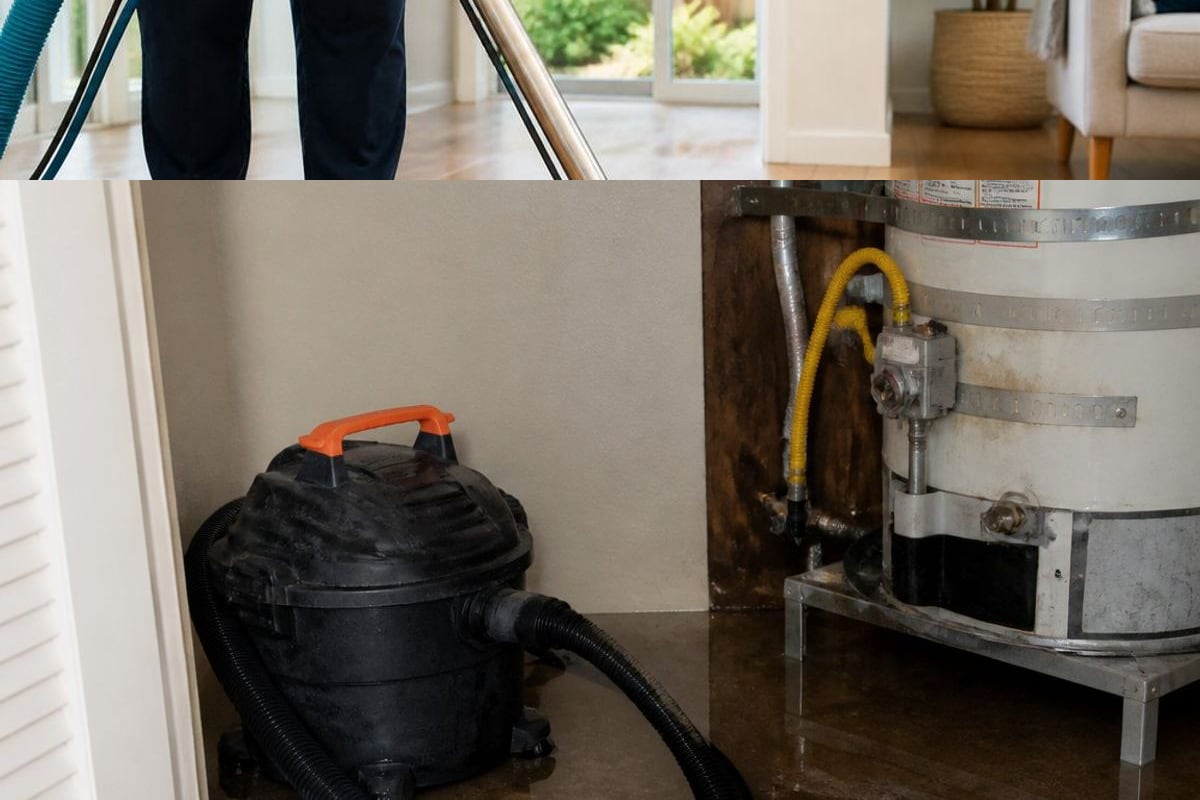
Hiring a restoration contractor often happens under pressure, with active damage in your home or business and a decision that needs to get made quickly. The questions below give you a fast, practical way to evaluate a contractor even when time is short, so you can move quickly without skipping the checks that actually matter.
The most useful questions to ask a restoration contractor cover licensing and insurance, response time, relevant experience, insurance claim support, communication, and what happens if something isn't done right the first time. Below are twelve specific questions worth asking, along with what a strong answer generally sounds like compared to a red flag.
Quick Answer: The Core Questions to Ask
At minimum, ask whether the contractor is licensed and insured, how fast they can respond, whether they've handled damage similar to yours, whether they'll help document your insurance claim, and what their communication process looks like during the project. The twelve questions below expand on each of these, plus a few that are easy to overlook under pressure.
The Essential Questions to Ask Before You Hire
1. Are You Licensed, Insured, and Certified?
This establishes whether the company is qualified to legally and safely perform the work, and whether you're protected if something goes wrong during the project. Ask for specifics, not just a yes, and request documentation if you want to verify independently. Current licensing and certification details for LA Water Damage are available at [details pending verification]. For more on what certifications actually mean, see What Restoration Certifications Mean.
2. How Quickly Can You Respond to an Emergency?
Response time affects how much secondary damage develops before mitigation starts. Ask for a specific, honest answer about typical availability rather than a vague promise, and ask whether that changes for after-hours or weekend emergencies. LA Water Damage's current response availability is outlined at [details pending verification].
3. Do You Have Experience With My Specific Type of Damage?
Water, fire, mold, and sewage damage each require different equipment and techniques. Ask for specific examples of similar jobs the contractor has handled, not just a general claim of broad experience. A confident answer usually includes real detail about the process, not just reassurance.
4. Will You Help Me Navigate My Insurance Claim?
A restoration contractor can generally support documentation for your claim but cannot make coverage decisions on your behalf, since they aren't your insurer. Ask specifically how they handle communication with adjusters and what documentation they provide. For more on how coverage type affects this process, see Replacement Cost vs. Actual Cash Value: What Los Angeles Property Owners Need to Know and Common Property Damage Claim Exclusions Homeowners and Businesses Should Know.
5. How Will You Communicate Throughout the Project?
Ask who your main point of contact will be and how often you'll receive updates, especially for a multi-day or multi-week project. A clear answer here often predicts how smoothly the rest of the project will go.
6. What Does Your Guarantee or Warranty Cover?
Ask specifically what's covered under any warranty, for how long, and what would void it. Avoid vague reassurance and ask for the terms in writing. LA Water Damage's current warranty terms are available at [details pending verification].
7. Do You Handle Both Mitigation and Reconstruction?
Some contractors handle only initial water extraction and drying, while others also manage the full rebuild. Ask directly which phases they cover, so you know upfront whether you'll need to coordinate a second contractor for reconstruction.
8. How Do You Detect Hidden Moisture or Damage?
Ask what tools and methods they use to detect moisture that isn't visible, such as moisture meters or thermal imaging, and how they document what they find. Hidden moisture left untreated is a common cause of secondary damage like mold.
9. How Do You Verify the Work Is Complete?
Ask how a contractor confirms a structure is fully dry or repairs are fully finished, rather than relying on a visual check. A strong answer typically references documented moisture readings compared against dry standards, not just a walkthrough.
10. Who Will Be Working Inside My Property?
Ask whether the crew working in your home or business are direct employees or subcontractors, and whether background checks are part of their hiring process. This matters because restoration work often means strangers in your space for multiple days.
11. Can You Provide References From Recent Jobs?
Ask for references you can actually contact, ideally from jobs similar to yours. A contractor confident in their work should be willing to share this without hesitation or excessive delay.
12. How Long Have You Served the Los Angeles Area?
Local experience matters because Los Angeles has specific challenges, from aging LADWP water infrastructure to older housing stock with original plumbing, that a company unfamiliar with the region may not anticipate. LA Water Damage's current service area and local experience details are available at [details pending verification].
What a Good Answer Sounds Like vs. a Red Flag
A strong contractor generally answers questions directly, with specifics, and is willing to put commitments in writing, while a red flag answer tends to be vague, rushed, or resistant to documentation. The comparison below highlights common patterns.
| Question Area | Good Answer Sounds Like | Red Flag Sounds Like |
|---|---|---|
| Licensing | Specific license and certification details, offered without hesitation | Vague reassurance, no documentation offered |
| Pricing | Written estimate before work begins | Verbal-only quote, pressure to sign immediately |
| Payment | Reasonable payment structure tied to project milestones | Demand for full payment in cash upfront |
| Communication | Clear point of contact and update schedule | No clear answer about who you'll be talking to |
| Insurance help | Explains documentation support, defers coverage decisions to your insurer | Claims they can guarantee your claim will be approved |
Take note of how a contractor handles being asked hard questions. Confidence paired with specifics is a good sign. Defensiveness or vague deflection is worth paying attention to.
Frequently Asked Questions About Hiring a Restoration Contractor
What's the most important question to ask a restoration contractor?
There's no single most important question, but verifying licensing, insurance, and relevant certifications is a strong starting point since it establishes whether the company is qualified to legally and safely perform the work. Response time and insurance-claim support are close seconds for emergency situations.
Should I ask about response time even for non-emergency damage?
Yes. Even damage that doesn't feel urgent, like a slow leak, can worsen quickly, and understanding a contractor's typical availability helps you plan. Ask directly what their scheduling looks like for both emergency and non-emergency requests.
How do I know if a restoration contractor is being honest about their experience?
Ask for specific examples of jobs similar to your damage type and request references you can actually contact. A contractor confident in their work should be willing to share this information without hesitation.
Is it normal for a restoration contractor to ask for payment upfront?
Payment structures vary by company and project size, so it's reasonable to ask how billing works before work begins. Be cautious of anyone demanding full payment in cash before any work starts or before you've seen a written estimate.
Should I ask the contractor to work directly with my insurance company?
It's a fair question to ask, but remember that a restoration contractor is not your insurer and cannot make coverage decisions on your behalf. Ask how they typically support documentation for a claim, then confirm the claims process itself with your insurance company.
What should I ask about hidden damage, like moisture behind walls?
Ask what tools and methods they use to detect moisture that isn't visible, such as moisture meters or thermal imaging, and how they document what they find. Hidden moisture left untreated is a common cause of secondary damage like mold.
Next Steps
These twelve questions won't take long to ask, and the answers you get tell you a lot about how a project is likely to go. If you'd like to ask LA Water Damage directly, reach the team at request a callback or through contact form. For a broader look at the full hiring decision, see How to Choose a Property Restoration Company in Los Angeles.
---