
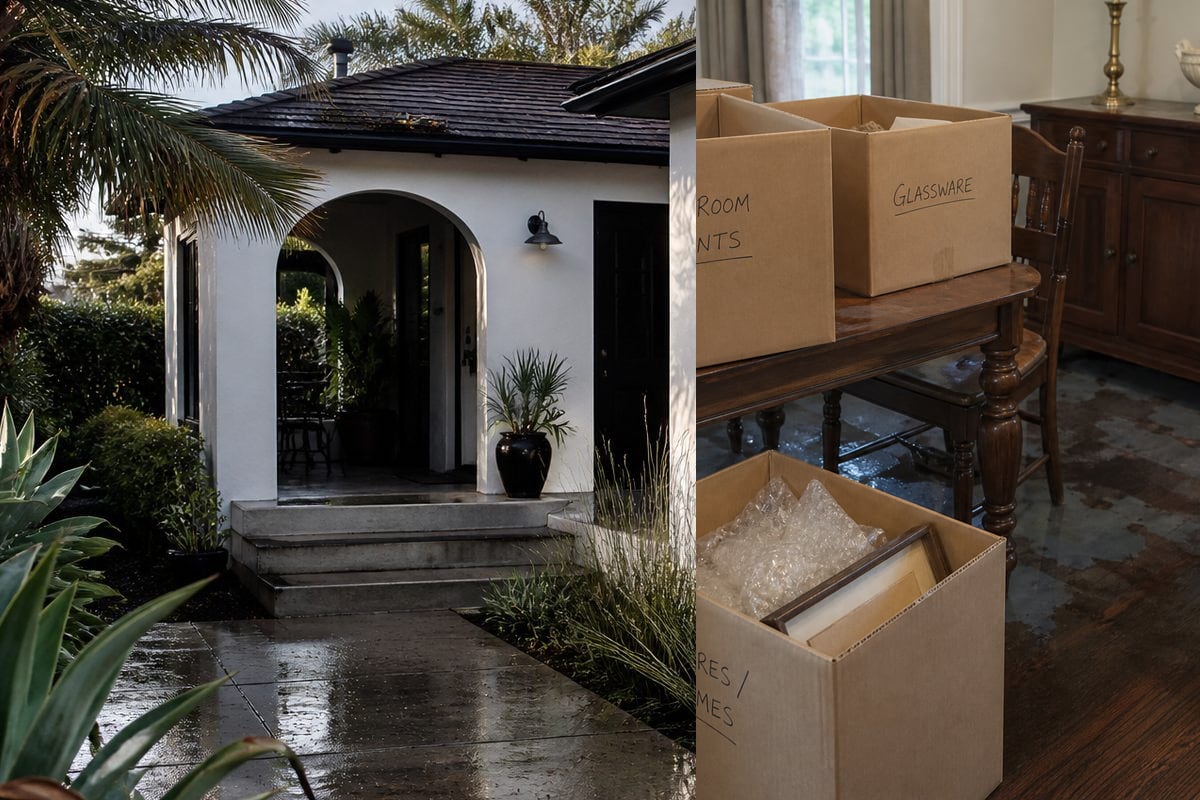
Choosing a restoration company usually isn't something anyone plans for. It tends to happen in the middle of a stressful situation, with water on the floor or smoke damage on the walls, and a decision that needs to get made fast. That combination of urgency and unfamiliarity is exactly what makes this decision worth slowing down for, even by just a few minutes.
A good property restoration company in Los Angeles should be able to show proof of licensing and relevant certifications, explain their scope of work clearly, provide a written estimate, and describe how they work with your insurance company without overstepping into decisions only your insurer can make. This guide walks through what to check before you hire, how residential and commercial needs differ, and what red flags should make you pause.
Verify Licensing and Certifications
Before hiring any restoration company, ask directly about their state contractor licensing status and any industry certifications their technicians hold. Licensing and certification aren't the same thing, and a reputable company should be able to explain both clearly without hesitation.
Why Industry Certifications Matter
Industry certifications generally indicate that a technician or firm has completed training through a recognized standards organization covering specific disciplines, like water extraction, structural drying, or mold remediation. Certifications aren't a complete guarantee of quality work, but they establish a baseline of documented training. What Restoration Certifications Mean breaks down exactly what these credentials typically cover and how to verify them. LA Water Damage's own current certifications are available on request at [details pending verification].
Confirming Proof of Insurance and Bonding
Ask any company you're considering for proof of general liability insurance and, where applicable, bonding. This protects you if something goes wrong during the project, such as accidental property damage, and it's a reasonable request that a legitimate company should be able to fulfill without pushback.
Confirm Scope of Work and Experience
Ask specifically what phases of a restoration project a company handles, since some firms manage only initial mitigation while others also handle full reconstruction. This distinction matters because hiring separately for mitigation and rebuild work can add coordination headaches you don't need during an already stressful project.
Mitigation vs. Full Reconstruction
Mitigation generally refers to the initial water extraction, drying, and stabilization work that limits further damage. Reconstruction refers to the rebuild phase, replacing drywall, flooring, cabinetry, and other materials removed during mitigation. Ask directly whether a company covers both phases or whether you'll need a separate contractor for rebuild work.
How They Document the Drying and Cleanup Process
Ask how a company documents its work, including moisture readings, photos, and a written drying log. This documentation matters for two reasons: it shows the work was actually completed to standard, and it supports your insurance claim regardless of whether your policy uses replacement cost or actual cash value. For more on that connection, see Replacement Cost vs. Actual Cash Value: What Los Angeles Property Owners Need to Know.
Equipment and Techniques Used
Ask what equipment a company uses for extraction and drying, such as truck-mounted extraction units, air movers, and dehumidifiers, and how they verify a structure is fully dry before closing out a project rather than relying on a visual check alone.
Ask About Response Time and Availability
Response time matters because water, fire, and mold damage generally worsen the longer they go untreated, so ask any company you're considering about their typical availability for emergencies in your area. Response windows vary by company, time of day, and current demand, so get a direct answer rather than a vague promise. LA Water Damage's current response availability is [details pending verification].
Understand How They Work With Insurance
A restoration company can generally support your insurance claim through documentation and by communicating with your adjuster, but it cannot make coverage decisions on your behalf, since it isn't your insurer or a public adjuster. Ask how a company typically handles insurance communication, including whether they submit documentation directly to your adjuster or hand everything to you to forward yourself.
Understanding this distinction matters because coverage questions, like whether your claim falls under an exclusion, ultimately rest with your insurance company. Common Property Damage Claim Exclusions Homeowners and Businesses Should Know covers the exclusions that most often affect these decisions.
Get Clear, Written Estimates
Ask for a documented scope of work and written estimate before authorizing any repairs, and clarify upfront how changes to that scope will be communicated and approved. A written estimate protects you from surprise costs later in the project and gives you something concrete to compare if you're getting quotes from more than one company. Specific starting price ranges vary by damage type and scope, and current information is available at [details pending verification].
Residential vs. Commercial Restoration Companies
Commercial restoration often involves added considerations beyond residential work, including tenant coordination, business continuity planning, and compliance requirements specific to the property type. Not every restoration company handles commercial work at the same level of depth as residential jobs, so ask directly about relevant experience.
What Multifamily, Hotel, and Restaurant Properties Should Look For
Multifamily buildings need a company that understands tenant notification and displacement logistics. Hotels and restaurants need minimal disruption to ongoing operations and often need work scheduled around business hours. Ask a prospective company for specifics on how they've approached similar commercial jobs before.
What Healthcare and School Facilities Should Look For
Healthcare and school facilities carry additional compliance and safety considerations, including infection control protocols and coordination around occupied spaces during business hours. Ask directly whether a company has relevant experience with these property types, since the standard residential playbook doesn't always transfer cleanly.
Red Flags to Watch For
Watch for unsolicited door-to-door offers, pressure to sign documents immediately, requests for large upfront cash payments, or reluctance to provide written estimates or proof of licensing and insurance. These patterns show up often enough after major storms and disaster events that it's worth naming directly, without assuming every unfamiliar company is a problem.
- Unsolicited door-to-door solicitation immediately after a storm or widely reported local damage event.
- Pressure to sign a contract or insurance assignment before you've had time to review it.
- Requests for full payment in cash before any work has started.
- No written estimate, or reluctance to provide one when asked directly.
- Vague or evasive answers about licensing, insurance, or certification.
- Refusal to provide references or examples of similar past work.
Take time to verify credentials independently before committing, even when a decision feels urgent.
Local Presence and Availability in Greater Los Angeles
A restoration company's familiarity with Greater Los Angeles matters because local housing stock, climate patterns, and infrastructure shape how damage typically occurs and how it should be addressed. Older homes with original galvanized or cast iron plumbing, aging water mains across the LADWP system, and marine-layer humidity in coastal neighborhoods all create damage patterns that look different from what a national franchise handbook might assume. LA Water Damage's current service area coverage details are available at [details pending verification], and you can reach the team directly at contact form or request a callback with questions about your specific neighborhood.
Frequently Asked Questions About Choosing a Restoration Company
What certifications should a restoration company have?
Look for evidence of recognized industry training and standards, such as IICRC-style credentials, along with proper state contractor licensing. Ask the company directly which certifications their technicians hold and how those credentials are maintained, since requirements and renewal cycles vary.
How quickly should a restoration company respond to an emergency?
Fast response matters because water, fire, and mold damage tend to worsen the longer they go untreated. Ask any company you're considering about their typical response window for emergencies in your area, since this varies by company and situation.
Should I call my insurance company or the restoration company first?
There's no single right answer. Many property owners contact both close together. A restoration company can begin mitigation while you file a claim, but only your insurer can confirm what's covered. When in doubt, ask your insurance company how they prefer the process to start.
Do restoration companies handle both water damage and rebuilding?
Some companies handle only initial mitigation, meaning water extraction, drying, and cleanup, while others also manage full reconstruction. Ask directly whether a company covers both phases or whether you'll need to hire a separate contractor for rebuild work.
What's the difference between a residential and commercial restoration company?
Commercial restoration often involves larger-scale properties like multifamily buildings, hotels, restaurants, healthcare facilities, and warehouses, which can bring added considerations like tenant coordination, business continuity, and compliance requirements. Ask a prospective company about their specific experience with your property type.
How do I get a written estimate before work begins?
Ask for a documented scope of work and estimate before authorizing repairs, and clarify how any changes in scope will be communicated and approved. A reputable company should be willing to walk you through pricing before starting work.
What are red flags when hiring a restoration company?
Watch for unsolicited door-to-door offers, pressure to sign documents immediately, requests for large upfront cash payments, or an unwillingness to provide written estimates or proof of licensing and insurance. Take time to verify credentials before committing.
Next Steps
Choosing a restoration company shouldn't feel like a gamble, even when the timeline feels tight. If you want to talk through your specific situation, whether it's an active emergency or a question you're researching ahead of time, LA Water Damage can be reached at request a callback or through contact form. For a deeper look at specific questions worth asking directly, see Questions to Ask Before Hiring a Restoration Contractor.
---