
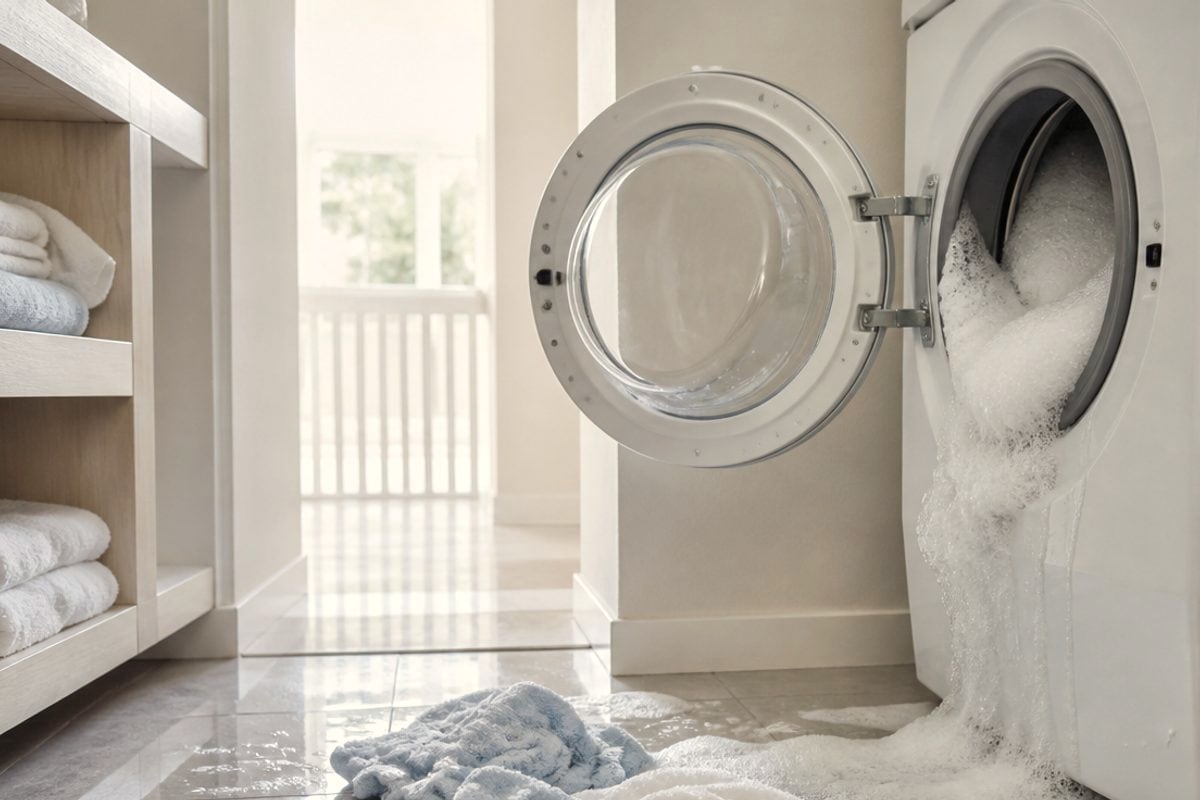
The difference between a smooth insurance claim and a disputed one often comes down to documentation. Once cleanup starts, the physical evidence of exactly how bad the damage was starts disappearing, which is why what you do in the first hours after a flood matters as much as the cleanup itself. This checklist walks through what to document, in what order, and how to protect yourself whether you're a homeowner in the Valley or a business owner managing a multi-unit commercial property in Greater Los Angeles.
Safety First: Before You Document Anything
Personal safety comes before documentation every time, since floodwater can carry electrical hazards and contamination that aren't always visible. Before entering a flooded area to take photos or assess damage, confirm the electricity is off if there's any standing water near outlets or panels, and treat all floodwater as potentially contaminated, since it may carry sewage, chemicals, or debris regardless of its source.
- Do not enter a flooded area with visible electrical hazards.
- Wear waterproof boots and gloves if you need to walk through standing water.
- Avoid direct contact with floodwater on skin, especially open cuts.
- Wait for standing water to recede or professional guidance before assessing structural areas.
Document Everything Before Cleanup Begins
Photograph and video every affected room and item before you move, remove, or clean anything, since accurate documentation is much harder to reconstruct after the fact. This is the single most valuable thing you can do in the first hours after a flood.
- Photograph and video each affected room from multiple angles, including wide shots that show the full extent of standing water or damage.
- Take close-up photos of damaged materials, including flooring, drywall, and furniture.
- Photograph the water line if visible, showing how high water rose against walls or furniture.
- Capture timestamps on photos where possible, either through your phone's automatic metadata or a visible clock or date marker.
- Note the date and approximate time flooding began, even if it's an estimate.
- Walk through room by room and build a simple written or typed inventory as you go, rather than relying on memory later.
Photos and Video to Capture (Exterior, Electrical, Walls, Floors)
Cover the exterior of the property first, showing where water entered and any visible damage to the building envelope. Move inside and photograph electrical panels, outlets, and any visible signs of water contact near wiring. Document walls and flooring separately, since these often show different damage patterns, including staining, warping, or visible saturation that photographs clearly if captured while the damage is fresh.
Serial Numbers, Model Numbers and Inventory Lists
Photograph serial numbers and model numbers on appliances, electronics, and major equipment before they're removed or discarded, since insurers often require this level of detail to process a claim accurately. Build a simple inventory list as you go, noting item, approximate age, and condition, which becomes far more useful for a claim than trying to reconstruct the list from memory weeks later.
How to File a Flood Insurance Claim
Keep Damaged Materials, Samples and Receipts
Keep damaged items and materials until your insurer or restoration provider has documented them, rather than discarding anything early, unless it poses an immediate health hazard. Insurance adjusters and restoration professionals often need to physically inspect damaged materials, not just see photos, to fully assess and document a claim.
- Set aside small samples of ruined materials, such as a swatch of carpet or a piece of drywall, rather than discarding everything.
- Keep any repair or replacement receipts related to the affected items or areas.
- Hold onto original purchase receipts for damaged appliances or furniture if you have them.
- Store samples and receipts together in a dry, labeled container or folder.
- Only discard items that pose a genuine health or safety hazard, and photograph them first.
Filing an Insurance Claim: What to Prepare
Filing a flood insurance claim goes faster and smoother when you prepare your documentation before you call, since a disorganized claim tends to slow down at every stage of review.
- Gather your policy number and contact information for your insurance provider.
- Compile your photo, video, and written inventory documentation.
- Note the date, time, and cause of flooding as best you understand it.
- Contact your insurer to open the claim and request a claim number.
- Ask your insurer what documentation they specifically require, since requirements vary by carrier.
- Schedule an adjuster visit and prepare to walk them through the documented damage.
- Keep copies of everything you submit, including dates sent and confirmation of receipt.
This guidance is general and insurer-agnostic. Your specific policy, whether through the National Flood Insurance Program (NFIP) or a private carrier, will have its own requirements and timelines that your insurer can confirm directly.
Reporting Your Claim and Determining Coverage
Report the claim as soon as reasonably possible after the flood, since most policies have windows for timely reporting. Coverage determination depends on your specific policy type and any endorsements you may have, which is a conversation to have directly with your insurer rather than assuming standard coverage applies.
Working With Your Insurance Adjuster
An adjuster is the person your insurer sends to evaluate the damage and determine what the policy covers. Walk them through your documentation clearly, point out anything that might not be visually obvious, such as a musty odor or a soft spot in flooring, and ask questions about anything in the process you don't understand.
Logging Communications and Keeping Records
Keep a simple written log of every call, email, and in-person interaction related to your claim, including dates, names, and what was discussed. This log becomes valuable if there's ever a dispute or delay, since it gives you a clear record of what was said and when, rather than relying on memory.
Preventing and Documenting Mold Growth
Mold can begin developing within 24 to 48 hours after flooding in a warm, humid environment, which makes fast drying the most effective prevention tool and early documentation important if mold does appear. Photograph any visible mold growth, note the approximate square footage affected, and record how long the area has been wet or humid since the flood occurred.
What to Do After a Sewage Backup
Preventing mold largely comes down to drying affected materials quickly and thoroughly, which is one of the main reasons professional water extraction and structural drying matter beyond just removing visible standing water.
Choosing a Qualified Flood Restoration Company
Look for a restoration company with relevant licensing or certification, such as [details pending verification], clear communication about their assessment process, and a track record of providing documentation that supports insurance claims rather than just performing the cleanup work.
- Confirm licensing and certification before hiring.
- Ask what documentation they provide as part of their service.
- Request a written scope of work and estimate.
- Verify they carry appropriate insurance coverage for the work performed.
- Ask how they coordinate with insurance adjusters, if at all.
LA Water Damage provides restoration services and thorough documentation support, but is not an insurance adjuster and does not process or approve claims on a policyholder's behalf.
Frequently Asked Questions About Documenting Flood Damage
What photos should I take before starting cleanup?
Photograph and video every affected room from multiple angles, close-ups of damaged materials, serial numbers on appliances, and standing water levels before anything is moved or removed. Timestamp images when possible and keep a room-by-room inventory.
Should I throw away damaged items or keep them?
Keep damaged items until your insurer or restoration provider has documented them, unless they pose a health hazard. Set aside small samples of ruined materials like carpet or drywall alongside repair receipts for the claims process.
How soon do I need to document damage after a flood?
Document as early as safely possible, ideally before cleanup begins, since delayed documentation makes it harder to prove the original extent of damage. If you must remove hazardous debris immediately, photograph it first.
Do I need professional documentation for an insurance claim?
Not always, but a professional restoration assessment adds detailed, dated documentation that can strengthen a claim, especially for extensive or structural damage. Homeowner photos remain valuable as a first record.
What if I can't safely access parts of my home to document damage?
Note the inaccessible areas and photograph what you can safely reach. A qualified restoration or inspection professional can assess unsafe areas once conditions stabilize.
How do I document mold that develops after a flood?
Photograph visible mold growth, note the affected square footage, and document musty odors or the timeline since flooding occurred. Mold that appears within 24-48 hours after flooding should be documented and addressed promptly.
What should I look for when choosing a restoration company to help document damage?
Look for relevant licensing or certification, clear communication about the assessment process, and a company that provides detailed written and photo documentation you can use for your insurance claim. [details pending verification]
Next Steps
Thorough documentation protects you during a flood insurance claim, and a professional restoration assessment adds another layer of detail that strengthens your case. If you're dealing with flood damage and need documentation support alongside restoration, LA Water Damage is available to help. Call request a callback or visit contact form.
How to Reduce Flood Risk Around Your Los Angeles Property
Commercial Flood Recovery Planning for Los Angeles Businesses
---