
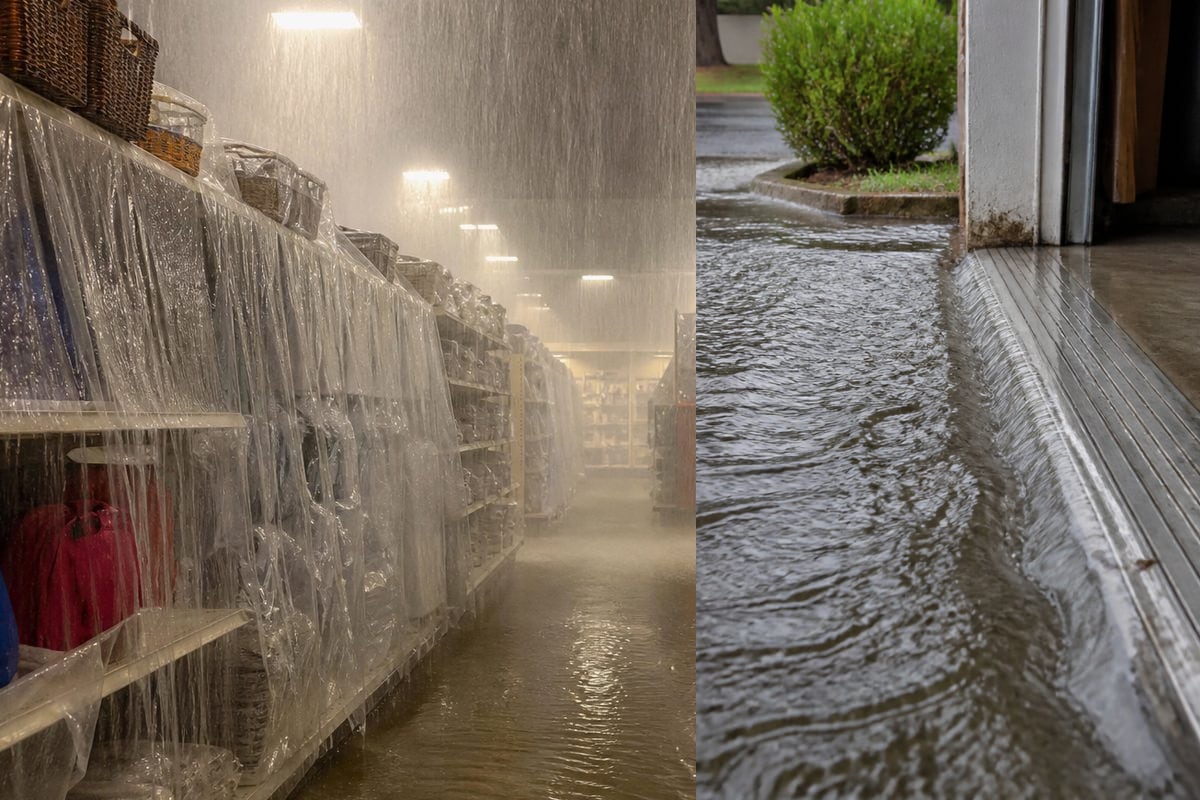
If your Los Angeles home has just been through a water leak, a fire, or a bad winter storm, you have probably heard three words thrown around like they mean the same thing: restoration, reconstruction, and repair. They do not. Understanding the difference matters because it affects your timeline, your insurance claim, and how much say you have in what happens to your own property.
This guide walks through what reconstruction actually is, how it fits into the bigger recovery process, and what Los Angeles property owners specifically need to know about permits, codes, and cost before signing off on a rebuild plan.
What Is Reconstruction After Property Damage?
The Short Answer
Reconstruction is the rebuild phase of property damage recovery. It happens after mitigation is complete and the structure is confirmed dry, safe, and ready to be rebuilt, and it involves replacing framing, systems, and finishes that were removed or destroyed.
Put simply, reconstruction is what turns a stripped-down, damaged structure back into a livable home. It is not the same as cleanup, and it is not the same as a voluntary remodel.
Why Reconstruction Is a Distinct Phase, Not Just "More Repairs"
Reconstruction is a distinct phase because it follows a different set of rules than either mitigation or ordinary maintenance repairs. It requires accurate documentation of what was lost, coordination with permitting agencies, and sign-off that the space is actually ready to be closed up again.
Treating reconstruction as "just more repairs" is where a lot of projects go wrong. A repair fixes a single problem. Reconstruction rebuilds a system, sometimes an entire section of a home, and it has to meet current building code even if the original structure did not. That single fact surprises a lot of property owners in older Los Angeles neighborhoods, and we will come back to it later in this guide.
Restoration vs. Reconstruction vs. Repair: What's the Difference?
Restoration, reconstruction, and repair are three separate phases of property recovery that are often confused because they can happen back to back on the same project. Restoration stabilizes the property, reconstruction rebuilds it, and repair fixes an isolated problem outside of a larger loss.
Restoration (Mitigation) Explained
Restoration, often called mitigation in the industry, is the emergency stabilization phase. Mitigation means stopping active damage and removing materials that cannot be saved, such as extracting standing water, drying wet framing, and removing waterlogged drywall or carpet padding.
Mitigation happens fast, usually within the first hours and days after a loss. Its goal is to stop the damage from spreading, not to make the space look finished again.
Reconstruction Explained
Reconstruction is the rebuild phase that follows mitigation. It replaces the structural and finish components that were removed, from framing and subfloor up through drywall, flooring, and trim.
Reconstruction only starts once the property has been confirmed dry through moisture testing. Building on top of a structure that is still wet is one of the most common causes of expensive, hidden problems later.
Repair Explained
Repair is a narrower, more targeted fix, like patching a single section of roof or replacing one water-damaged section of drywall. Repairs do not necessarily follow a documented scope of loss or involve an insurance claim, though they sometimes do.
The line between a repair and full reconstruction usually comes down to scale. A patched section of ceiling is a repair. Rebuilding an entire kitchen after a slab leak is reconstruction.
Comparison Table: Restoration vs. Reconstruction vs. Repair
| Phase | Purpose | Example Work |
|---|---|---|
| Restoration (Mitigation) | Stop active damage and stabilize the property | Water extraction, structural drying, demolition of unsalvageable materials |
| Reconstruction | Rebuild the property to pre-loss or code-compliant condition | Framing, drywall, flooring, cabinetry, electrical and plumbing rough-in |
| Repair | Fix an isolated, limited problem | Patching one section of roof or wall, replacing a single fixture |
The Reconstruction Process, Step by Step
Reconstruction after property damage generally follows six phases, from confirming the structure is dry through final inspection and clearance. Skipping or rushing any one of these steps is the most common source of callback problems.
Step 1 — Stabilization and Mitigation First
Nothing structural gets rebuilt until mitigation is fully complete. This includes water extraction, drying, and removal of any materials that cannot be saved.
Step 2 — Documentation and Scope of Loss
The scope of loss is the detailed, itemized description of everything that was damaged and needs to be replaced or repaired. A clear, written scope of loss protects you if there is ever a dispute about what the insurance claim should cover.
Step 3 — Permitting and Code Review
Before demolition and rebuild work begins on structural, electrical, or plumbing components, permits typically need to be pulled from the local building department. In Los Angeles, this usually means the Los Angeles Department of Building and Safety.
Step 4 — Demolition and Rough Inspection
Any remaining damaged material is removed down to a clean, stable structure, and the space is inspected before new framing begins. This step confirms there is no hidden rot, corrosion, or mold that mitigation missed.
Step 5 — Framing, Mechanical, and Insulation Work
Structural framing goes back in first, followed by rough electrical, plumbing, and HVAC work, then insulation. This is also the stage where code-mandated upgrades to older systems usually surface.
Step 6 — Finish Work and Final Clearance Testing
Drywall, flooring, paint, and trim go in last, and the project closes with final inspections and clearance testing to confirm the work meets code. This final step is what makes the space livable again.
Property Damage Restoration in Los Angeles
What Reconstruction Actually Includes (Scope of Work)
Reconstruction can cover anything from a single damaged room to a full structural rebuild, and the scope depends entirely on how extensive the original damage was. Most reconstruction projects touch several of the following categories.
Structural Work (Framing, Roofing, Subfloor)
- Replacing damaged wall and floor framing
- Roof deck and roofing system repairs after fire or storm damage
- Subfloor replacement after prolonged water exposure
Interior Finishing (Drywall, Paint, Trim)
- New drywall to replace sections removed during mitigation
- Texture matching and paint
- Baseboards, casing, and trim work
Flooring Replacement
- Hardwood, tile, laminate, or carpet replacement depending on what was lost
- Subfloor leveling and moisture barrier installation where needed
Mechanical, Electrical, and Plumbing Systems
- Electrical panel or wiring updates when damaged or non-compliant with current code
- Plumbing line replacement, particularly relevant in homes with older galvanized supply lines
- HVAC ductwork and equipment replacement after fire or water intrusion
Cabinetry and Built-Ins
- Kitchen and bathroom cabinetry replacement
- Built-in shelving, closet systems, and millwork
Reconstruction by Damage Type
Reconstruction scope changes significantly depending on what caused the original damage, since water, fire, storm, and mold losses each leave a different footprint on a structure.
Reconstruction After Water Damage
Water damage reconstruction usually focuses on flooring, drywall, and subfloor, with special attention to any framing that was exposed to prolonged moisture. In Los Angeles homes with older galvanized plumbing, a single pipe failure can trigger reconstruction across multiple rooms if water traveled along framing before it was discovered.
Water Damage Restoration in Los Angeles
Reconstruction After Fire and Smoke Damage
Fire and smoke damage reconstruction often includes structural framing replacement in directly burned areas, plus drywall and finish replacement throughout areas affected by smoke, heat, and firefighting water. Odor and soot can travel far beyond the visible burn area, which is why scope of loss documentation matters so much here.
Fire and Smoke Damage Restoration in Los Angeles
Reconstruction After Storm Damage
Storm damage reconstruction in Los Angeles frequently centers on roofing, window and door systems, and interior finishes damaged by wind-driven rain during atmospheric river storms. Older roofing systems in many LA neighborhoods were not built for the sustained rainfall these storms can deliver.
Reconstruction After Mold Remediation
Reconstruction after mold remediation replaces any porous material removed during the remediation process, typically drywall, insulation, and sometimes framing if colonization was extensive. This work cannot begin until a clearance test confirms mold levels have returned to a normal, acceptable range.
Mold Remediation in Los Angeles
When Does Reconstruction Begin?
Reconstruction should not begin until moisture testing confirms the structure is fully dry, because building over trapped moisture is one of the leading causes of hidden mold and repeat damage claims. This applies even when a homeowner is anxious to move forward quickly.
Why Reconstruction Can't Start Until the Structure Is Fully Dry
Sealing drywall or flooring over wood framing that still holds elevated moisture traps that moisture inside the wall or floor assembly. Mold can establish within 24 to 48 hours in the right conditions, and once it is behind new finish materials, it is far more expensive to find and fix.
Signs You're Ready to Move From Mitigation to Reconstruction
You are generally ready to move into reconstruction when moisture readings on affected materials return to normal levels for multiple consecutive readings, when a written scope of loss has been finalized, and when any required permits are in hand. Ask your contractor to show you the actual moisture logs rather than taking a verbal "it's dry" at face value.
How Insurance and Cost Factor Into Reconstruction
Insurance coverage for reconstruction depends heavily on your policy type, the cause of damage, and whether you carry actual cash value or replacement cost coverage. Understanding these terms before reconstruction starts can prevent a painful surprise later.
Actual Cash Value vs. Replacement Cost Policies
Actual cash value, often shortened to ACV, pays out the depreciated value of damaged materials, meaning you get less for a 20-year-old roof than a brand new one. Replacement cost coverage, sometimes called RCV, pays to replace damaged materials with new ones of similar kind and quality, without subtracting for age or wear. Knowing which type of policy you carry changes how much reconstruction you can afford out of pocket.
Understanding Actual Cash Value vs. Replacement Cost Insurance in Los Angeles
What's Typically Covered vs. Excluded
Most policies cover reconstruction tied to a sudden, covered peril, like a burst pipe or a fire, but they commonly exclude damage from gradual leaks, long-term neglect, or normal wear. This is why insurers sometimes push back on claims where a pipe appears to have been slowly failing for months before it burst.
[details pending verification] and Cost Range Considerations
Reconstruction costs vary enormously based on square footage, material selections, and whether structural work is involved, so a single number rarely tells the full story. [details pending verification] can offer property owners a general starting reference point, but an accurate estimate always requires an on-site assessment of the actual scope of loss.
How LA Water Damage Coordinates With Your Insurance Adjuster
Coordinating directly with your insurance adjuster during reconstruction helps keep the scope of work, documentation, and payment schedule aligned, reducing the chance of disputes mid-project. LA Water Damage works alongside your adjuster to document damage and communicate scope changes as they come up, though the final coverage decision always rests with your insurance company.
Building Codes and Compliance in Los Angeles and California Reconstruction
Reconstruction in Los Angeles has to meet current California building code, even in older homes that were originally built to a much older standard, and that single fact often changes both the cost and scope of a rebuild. This is one of the most misunderstood parts of the entire process.
Title 24 Energy Standards and What They Mean for Your Rebuild
Title 24 is California's statewide energy code, and it sets requirements for insulation, window efficiency, and certain electrical and lighting systems whenever a home undergoes significant reconstruction. If your rebuild triggers Title 24 compliance, you may need upgraded insulation or windows even if the original materials were perfectly functional before the loss.
Permitting in Los Angeles County
Structural, electrical, and plumbing reconstruction work in Los Angeles typically requires permits from the Los Angeles Department of Building and Safety, and inspections happen at multiple stages of the project. A licensed contractor should be pulling and managing these permits directly, not leaving that responsibility to the homeowner.
Questions to Ask Before You Approve a Reconstruction Plan
Before approving a reconstruction plan, ask specific questions about sequencing, licensing, and timeline rather than accepting a general verbal overview. A contractor who welcomes these questions is generally one worth trusting with the project.
Questions About Scope and Sequencing
Ask for a written scope of work that lists every material and system being replaced, and ask how the contractor sequences framing, mechanical work, and finishes. A vague or verbal-only scope is a warning sign worth taking seriously.
Questions About Licensing and [details pending verification]
Ask to see the contractor's California license number directly and confirm it is active before work begins. [details pending verification] describes what LA Water Damage holds, and any reconstruction contractor you consider should be able to produce equivalent documentation on request.
Questions About Timeline and [details pending verification]
Ask for a realistic timeline broken down by phase, not just a single end date, since permitting delays and material lead times can shift a schedule significantly. [details pending verification] can give you a sense of how quickly a company typically mobilizes once a scope is finalized.
Signs Reconstruction Was Rushed or Done Wrong
Reconstruction that was rushed or done incorrectly usually shows itself through trapped moisture, recurring mold, or code violations discovered well after the project was declared finished. Catching these signs early can save you from a far more expensive second loss.
Trapped Moisture and Hidden Mold
A musty smell, discolored drywall, or unexplained humidity in a recently reconstructed room can indicate moisture was trapped behind new finishes before the structure was fully dry. This is exactly the scenario a proper moisture-testing process before reconstruction is meant to prevent.
Code Violations Discovered Later
Problems like unpermitted electrical work or plumbing that does not meet current code sometimes only surface during a future home sale inspection or a subsequent insurance claim. This is precisely why confirming permits and inspections at the time of the original reconstruction matters so much, not just for safety but for your property's resale value.
How to Choose a Restoration Contractor in Los Angeles
Frequently Asked Questions About Reconstruction After Property Damage
How long does reconstruction after property damage take?
Timelines vary based on damage severity, permitting, and material availability. Minor reconstruction can take a few weeks, while major structural rebuilds after fire or severe flooding can take several months. [details pending verification] gives property owners a realistic starting estimate specific to their scope.
Is reconstruction the same as restoration?
No. Restoration, or mitigation, stabilizes the property and removes damaged materials through drying, cleaning, and demolition. Reconstruction is the rebuild phase that follows, replacing structural and finish components once the space is confirmed dry and safe to build on.
Does homeowners insurance cover reconstruction after water or fire damage?
Most policies cover reconstruction tied to a covered peril, but coverage depends on whether you carry actual cash value or replacement cost coverage, and whether the cause of damage is excluded, like a gradual leak. Review your policy language and confirm scope with your adjuster before work begins.
Can I start reconstruction before the insurance claim is approved?
Sometimes, but it carries real risk. Starting reconstruction before documentation is complete can create disputes over what damage was pre-existing versus loss-related. Most experienced contractors recommend finishing documentation and mitigation before finish work begins.
What permits are required for reconstruction in Los Angeles?
Permit requirements depend on scope. Structural, electrical, and plumbing work typically require permits from the Los Angeles Department of Building and Safety, and projects must meet California Title 24 energy standards. A licensed reconstruction contractor should pull and manage permits on your behalf.
How do I know if my contractor is skipping steps during reconstruction?
Warning signs include finish materials like drywall and flooring going in before moisture readings confirm the structure is dry, no written scope of work, and no permit documentation for structural changes. Ask for moisture logs and permit numbers before finish work starts.
What's the difference between reconstruction and a full remodel?
Reconstruction restores a property to its pre-loss condition, or better where code requires it, and is typically insurance-driven. A remodel is a discretionary upgrade unrelated to damage. The two can overlap when owners choose to upgrade materials during a covered rebuild, which usually means paying the difference out of pocket.
Do I need a separate reconstruction company or can my restoration company handle both?
Many companies, including LA Water Damage, coordinate mitigation and reconstruction under one point of contact, which reduces handoff gaps and rework. If you use separate companies for each phase, insist on written scope documentation passed between them.
Get a Reconstruction Assessment From LA Water Damage
If you are staring at a stripped-down room and trying to figure out what happens next, you do not have to plan the reconstruction phase alone. A clear, written scope of loss and an honest conversation about timeline and code requirements go a long way toward avoiding surprises later.
Why Choose LA Water Damage for Reconstruction in Greater Los Angeles
LA Water Damage coordinates mitigation and reconstruction from a single point of contact, works directly with insurance adjusters, and understands the code and permitting realities specific to older Los Angeles housing stock. To talk through your specific scope of loss, call request a callback or visit contact form.
---