
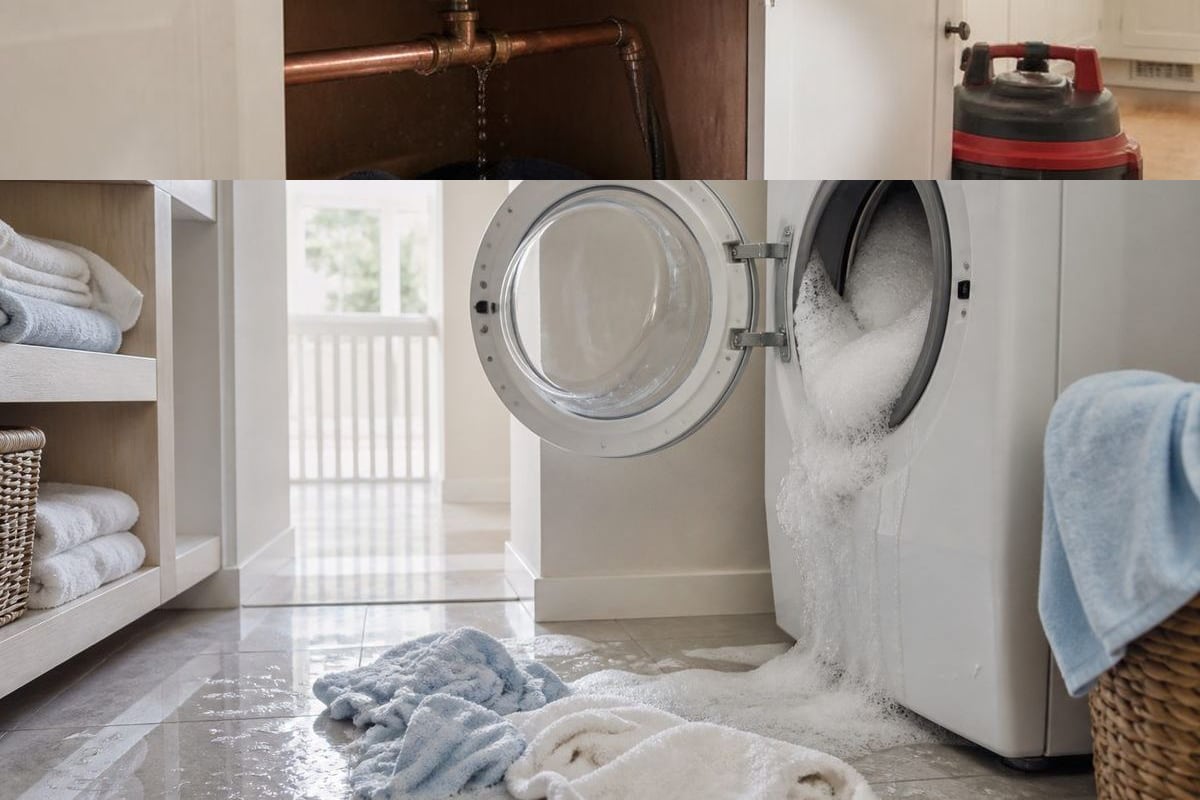
Most people picture flooding as a river-town problem, not a Los Angeles problem. Then an atmospheric river parks itself over the county for three days, storm drains built for a drier climate back up, and a hillside stripped bare by last year's wildfire sends mud straight through someone's living room. Los Angeles floods differently than most cities, and preparing for it means understanding that difference first.
This guide covers why LA floods, how to prepare before a storm arrives, what to do while one is happening, where the insurance gaps are, and what to do the moment damage hits your property.
Why Los Angeles Floods: Local Causes and High-Risk Areas
Los Angeles floods because of a combination of impervious surfaces that send rainwater straight into storm drains instead of soil, storm drain systems that can be overwhelmed by intense atmospheric-river rainfall, and hillsides burned bare by recent wildfires that no longer absorb water the way vegetated slopes do.
Urban Runoff and Impervious Surfaces
An impervious surface is any hard surface, like pavement, rooftops, or concrete, that rain cannot soak into. Much of Los Angeles is covered in impervious surfaces, so heavy rain runs off fast and concentrates in low-lying streets and channels rather than being absorbed gradually by soil.
Wildfire Burn Scars and Debris Flow Risk
A burn scar is an area of land where wildfire has destroyed the vegetation and root systems that normally hold soil in place. When heavy rain falls on a burn scar, it can trigger a debris flow, a fast-moving slurry of mud, rock, and burned material that behaves more like a landslide than a flood. Foothill neighborhoods below recent burn scars face meaningfully higher flood risk than their flood history alone would suggest, even if they have never flooded before.
Neighborhoods and Zones Most Prone to Flooding
Flood risk in Los Angeles concentrates near river basins, low-lying inland areas, coastal communities, and foothill neighborhoods sitting below recent burn scars. Checking FEMA flood maps and city GIS tools for your specific address is the only reliable way to know your actual risk level, since risk can shift year to year as burn scars age and vegetation regrows.
Storm and Flood Preparation Checklist
Effective storm preparation happens in phases: maintaining your property year-round, building an emergency kit before storm season, and taking specific action once a major storm is forecast for Los Angeles.
Before Storm Season: Home and Property Maintenance
Clear gutters and downspouts, check that your yard drains away from your foundation, and trim trees with branches that could fall on your roof or power lines. These small tasks, done in late summer or early fall, prevent a surprising share of storm damage.
Building a Family Emergency Kit and Communication Plan
A basic kit should include water, non-perishable food, flashlights, a battery or hand-crank radio, medications, and copies of important documents. Agree on a family communication plan and an out-of-area contact in case local phone lines are congested during a major storm.
When a Major Storm Is Approaching Los Angeles
Move vehicles away from trees and low-lying streets, secure or bring in outdoor furniture, and charge phones and any backup batteries. If you live below a recent burn scar, review evacuation routes in advance rather than waiting until conditions worsen.
Free Sandbags and City Emergency Resources
The Los Angeles Fire Department has historically distributed free sandbags at neighborhood fire stations ahead of storm season, though availability and locations change by season and storm event. Check LAFD's current alerts before a storm arrives rather than assuming a specific station will have supplies.
Staying Safe During an Active Storm
Staying safe during an active storm in Los Angeles means avoiding flowing water entirely, monitoring official alerts, and knowing what to do if you witness someone in danger.
Never Drive or Walk Through Flowing Water
Just six inches of moving water can affect vehicle control, and flooded roads often hide washed-out pavement or downed lines underneath. LAFD guidance on this point is unambiguous. Turn around rather than attempt to cross.
What to Do If You Witness Storm Damage or Someone in Danger
Call 911 immediately if you see someone in a vehicle or on foot caught in flowing water, and do not attempt a rescue yourself unless you are trained to do so safely. Report downed power lines to your utility provider and to the city rather than approaching them.
Monitoring Alerts: LAFD, MyLA311, and Weather Services
Keep phone alerts enabled during storm season and check LAFD's channels, MyLA311, and National Weather Service alerts directly rather than relying on secondhand social media reports, which often lag or misstate actual conditions.
Flood Insurance in Los Angeles: What Standard Policies Don't Cover
Standard California homeowners insurance policies typically exclude flood damage entirely, covering only water damage caused by specific named perils like a burst pipe, not rising water from storms.
Why Homeowners Insurance Typically Excludes Flood Damage
Flood damage and water damage sound similar but are treated very differently by insurers. A pipe bursting inside your wall is usually a covered peril. Water entering from outside due to a storm, overflowing channel, or debris flow is usually excluded and requires separate flood coverage.
When to Consider a Separate Flood Insurance Policy
If your property sits in or near a designated flood zone, below a burn scar, or in a low-lying area, a separate flood policy through the National Flood Insurance Program or a private flood insurer is worth serious consideration, especially since new flood policies can take up to 30 days to take effect.
[details pending verification] and Coverage Considerations
[details pending verification]. Flood policy cost and available coverage limits vary by flood zone designation, elevation, and construction type, so get a specific quote for your address rather than relying on general estimates.
What to Do After Storm or Flood Damage Hits Your Property
Prioritize safety first, then stop further water intrusion if it is safe to do so, document everything with photos and video, and contact your insurance company and a restoration company promptly.
Immediate First Steps Before Help Arrives
Move valuables to higher ground if it is safe, avoid any area with standing water near electrical outlets or panels, and turn off power to affected areas at the breaker if you can do so without stepping into water.
Documenting Damage for Your Insurance Claim
Photograph and video every affected room, both wide shots and close-up detail, before you move or discard anything. Keep receipts for any emergency repairs and create a written list of damaged items as you go. Property Damage Insurance Resources for California Homeowners covers documentation best practices in full detail.
When to Call a Water Damage Restoration Company request a callback
Waiting to see how bad it gets before calling a restoration company often costs more than early intervention, since standing water and moisture accelerate mold growth within 24 to 48 hours. Call request a callback as soon as it is safe to begin water extraction and drying.
Local Storm and Disaster Preparedness Resources in Los Angeles
Los Angeles residents have access to several free, authoritative preparedness resources at the city, county, and national level, and knowing them before a storm arrives saves critical time.
Los Angeles Fire Department Disaster Preparedness Programs
LAFD runs public disaster preparedness resources including its Community Emergency Response Team, or CERT, program, which trains residents in basic disaster response skills. LAFD's alert channels are also the most reliable source for real-time sandbag and evacuation information during storm season.
LA City and County Emergency Resources
The City of Los Angeles and Los Angeles County both maintain emergency information resources, and MyLA311 provides a direct channel for reporting storm-related hazards like flooding or debris in the street. Emergency Property-Damage Resources in Los Angeles: A Complete Directory catalogs these resources by need type.
Related Risks: Earthquake and Wildfire Preparedness
Storm preparation overlaps significantly with earthquake and wildfire preparedness in Los Angeles, since supply kits, communication plans, and evacuation routes serve all three. Organizations like the American Red Cross and Earthquake Country Alliance offer broader preparedness guidance worth reviewing alongside storm-specific planning.
Frequently Asked Questions About LA Storm and Flood Preparation
Does homeowners insurance cover flood damage in Los Angeles?
Typically no. Standard California homeowners policies generally exclude flood damage, covering only water damage from specific named perils like burst pipes. Flood coverage usually requires a separate policy, and new policies can take up to 30 days to take effect, so timing matters.
Which LA neighborhoods are most at risk for flooding?
Risk is highest near river basins, low-lying inland areas, coastal communities, and increasingly, foothill neighborhoods below recent wildfire burn scars, where vegetation loss dramatically increases debris flow and flash flood risk during heavy rain.
Where can I get free sandbags in Los Angeles?
The Los Angeles Fire Department has historically distributed free sandbags at neighborhood fire stations ahead of storm season. Availability and locations change by season and storm event, so check LAFD's current alerts before a storm arrives.
What should I do the moment I discover storm or flood damage in my home?
Prioritize safety first, then stop further water intrusion if it is safe to do so, document everything with photos and video, and contact your insurance company and a restoration company promptly. Avoid entering areas with standing water near electrical systems.
Is it ever safe to drive through a flooded street?
No. Just six inches of moving water can affect vehicle control, and flooded roads often hide washed-out pavement or downed lines. LAFD guidance is unambiguous. Never walk or drive through flowing water during a storm.
How do I know if my property is in a flood zone?
FEMA flood maps and city or county GIS tools can show your property's designated flood zone. Checking this before storm season helps determine whether separate flood insurance is worth the investment for your specific address.
What's the difference between a storm watch, warning, and evacuation warning in LA?
These represent escalating risk levels issued by weather and emergency-management agencies. An evacuation warning is more urgent than a general storm advisory and means residents in affected debris-flow or flood zones should be ready to leave if conditions worsen.
Get Storm and Flood Damage Restoration Help in Los Angeles
Preparation lowers your risk, but it cannot eliminate it entirely in a city built the way Los Angeles is built. If a storm has already damaged your home, the most useful thing you can do right now is stop the water, document the damage, and get help moving.
Contact LA Water Damage contact form
Call request a callback or visit contact form to reach LA Water Damage for storm and flood damage extraction, drying, and restoration across Greater Los Angeles.
---