
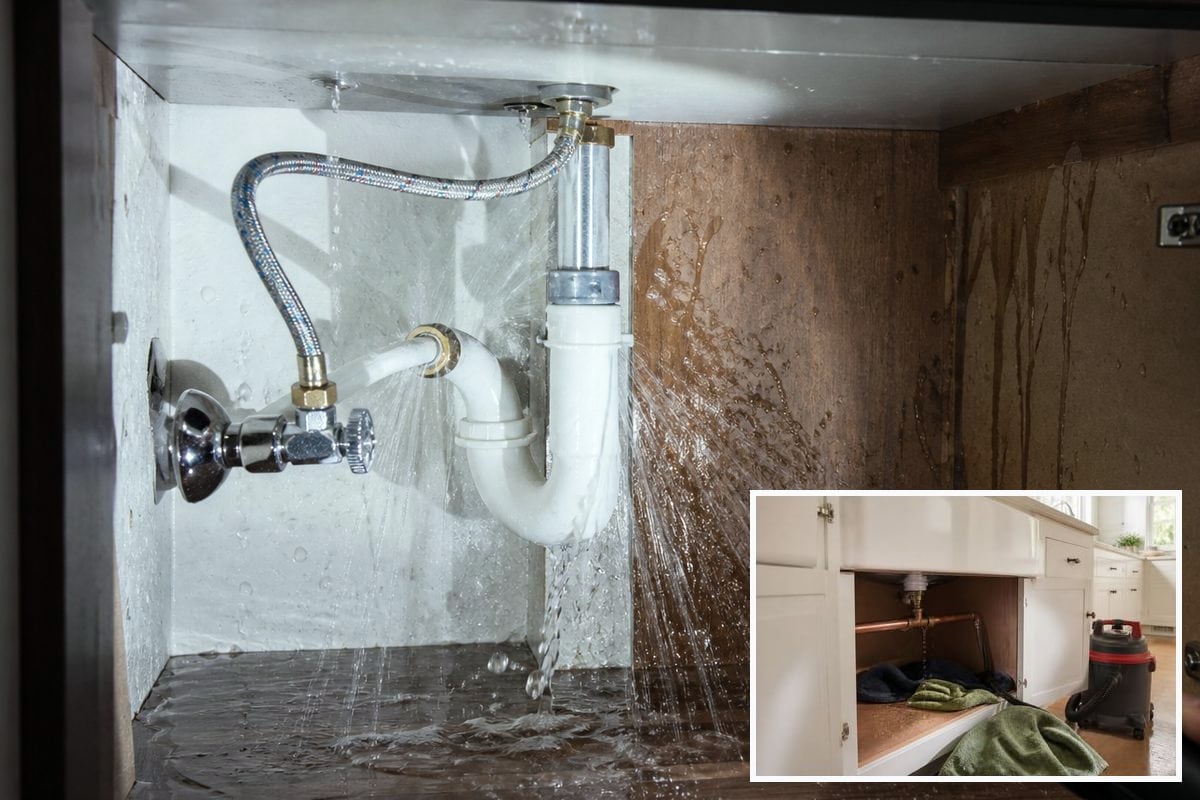
A sewage backup in a hospital corridor or a roof leak above a medical office waiting room isn't just a property problem. It's a problem for patient care, infection control, and, depending on the facility, for continuity of medical services that can't simply pause for a repair crew. Healthcare facilities across Greater Los Angeles, from large hospital systems to small dental and medical offices, face water, sewage, fire, and mold risks that carry higher stakes than a typical commercial building because of who occupies the space. This guide covers why healthcare facilities need a different restoration approach, the services available, and how work gets done around active patient care. To request an assessment, call request a callback or visit contact form.
Why Healthcare Facilities Need Specialized Restoration
Healthcare facilities need specialized restoration because they combine sensitive, often medically vulnerable occupants with critical systems, from medical equipment to climate-controlled storage, that can't tolerate the same disruption a typical office building can.
A restoration crew working in a hospital or medical office is working around people who may already be dealing with a health condition, in a building where certain systems genuinely cannot go offline without a backup plan. That combination changes how the work needs to be sequenced and contained compared to a standard commercial job. Water, sewage, fire, or mold issues near patient care areas, medication storage, or sensitive equipment need coordination with facility staff at a level that goes beyond simply doing the repair work well. When Should You Avoid Disturbing Suspected Mold? covers why that same caution applies even more in a healthcare setting, where occupant vulnerability is already elevated.
Restoration Services for Healthcare Facilities
Restoration services for healthcare facilities cover water damage restoration, sewage backup cleanup, fire and smoke damage restoration, and mold inspection and remediation, each handled with attention to the facility's ongoing patient care obligations. Because many of these services affect areas patients or staff pass through daily, work is generally planned in coordination with facility operations rather than executed on a standard commercial timeline.
Water Damage Restoration
Plumbing failures, roof leaks, and equipment failures in a hospital or medical office get the same extraction and structural drying process as any commercial property, with additional attention to areas near electrical and medical equipment where water poses a compounded risk.
Sewage Backup Cleanup
Sewage backups in a healthcare setting require the same high-risk-category handling as any contaminated water event, with added urgency given the infection control standards healthcare facilities already operate under. Sewage Backup Cleanup covers the general process in more depth.
Fire and Smoke Damage Restoration
Fires in utility rooms, kitchens, or electrical systems bring soot, smoke odor, and often suppression system water damage that needs to be addressed before affected areas can return to clinical use.
Mold Inspection and Remediation
Mold in a clinical or patient-adjacent space carries elevated stakes given occupant sensitivity, and generally calls for careful containment during assessment and remediation. Mold Inspection and Remediation covers what that assessment process looks like.
Keeping Your Facility Open During Restoration
Keeping a healthcare facility open during restoration means planning work around active patient care areas and using containment and controlled airflow practices designed to limit cross-contamination between the work area and clinical spaces.
Working Around Patient Care Areas
Restoration scheduling in an occupied healthcare facility typically works around active patient care hours and departments where possible, with the specific approach depending on the extent of damage and which areas of the facility are affected. A single exam room needing repair looks very different from damage affecting a shared corridor between departments.
Infection Control and Minimal-Disruption Practices
Containment barriers, controlled airflow, and careful debris management help limit cross-contamination between a restoration work area and adjacent patient care spaces. This isn't a place for shortcuts. A restoration approach that works fine in an empty office can introduce real risk in a space where patients have compromised immune systems or open wounds, which is why healthcare-specific containment planning matters from the first day of a project. [details pending verification]. Confirm current certifications and specific infection-control protocols directly before work begins at a regulated healthcare facility, since requirements can vary by facility type and department.
Facility Types We Serve
LA Water Damage provides restoration services for hospitals, medical and dental offices, clinics and urgent care centers, and senior care and assisted living facilities throughout Greater Los Angeles.
Hospitals
Large hospital systems with continuous operations, critical care units, and complex mechanical systems that require careful coordination during any restoration project.
Medical and Dental Offices
Smaller practices where even a single exam room or treatment room being offline can meaningfully affect the schedule and revenue of the practice.
Clinics and Urgent Care Centers
High-traffic facilities where downtime affects a broad patient population that relies on walk-in or same-day access to care.
Senior Care and Assisted Living Facilities
Residential care settings where occupant vulnerability is a constant factor, not just a consideration during a specific medical procedure, which affects how restoration work is planned and contained. Water Damage Restoration for Multifamily Properties covers a related residential-occupancy dynamic in apartment settings.
Emergency Response for Healthcare Facilities
Emergency response for healthcare facilities means being available for water, sewage, and fire emergencies at any hour, since patient care doesn't stop for business hours and neither should the response to a facility emergency that could affect it.
A pipe failure overnight in a hospital wing or a weekend sewage backup at a medical office can't wait until Monday morning for an assessment. [details pending verification]. Establishing a point of contact and a general understanding of your facility's layout before an emergency happens shortens the time between a call and a crew being on-site. To talk through emergency preparedness for your facility, contact contact form or call request a callback.
Frequently Asked Questions About Healthcare Facility Restoration
Straightforward answers to the questions facility managers ask most often.
Does restoration work happen around patient care operations?
Work is typically planned around active patient care areas where possible, with scheduling and containment measures designed to reduce disruption. The specific approach depends on the extent of damage and which areas of the facility are affected.
How does restoration in a healthcare facility address infection control?
Restoration in occupied healthcare settings generally involves containment barriers, controlled airflow, and careful debris management to limit cross-contamination between the work area and patient care spaces. Confirm specific protocols and any applicable certifications directly: request a callback.
Can you handle mold remediation in a hospital or medical office?
Yes, mold inspection and remediation is one of our core services and applies to healthcare facilities. Mold in clinical or patient-adjacent spaces generally requires careful containment given the sensitivity of the environment.
What types of healthcare facilities do you restore?
Hospitals, medical and dental offices, clinics, urgent care centers, and senior care or assisted living facilities across Greater Los Angeles.
How fast can you respond to a healthcare facility emergency?
Response speed depends on the scope of the incident and facility location. [details pending verification]. Water, sewage, and fire emergencies in healthcare settings should be reported immediately given the sensitivity of the environment.
Do you carry specific healthcare-related certifications?
[details pending verification]. Confirm current certifications and regulatory compliance capabilities directly before beginning work at a regulated healthcare facility.
What causes the most common damage in healthcare facilities?
Plumbing failures, sewer backups, roof leaks, and fire or smoke incidents in kitchens or utility areas are common sources, often complicated by the facility's critical systems and continuous occupancy.
Restoration in a healthcare setting has to work around people who can't simply relocate for the duration of a repair project, which is why the right response combines speed with genuine care around infection control and patient safety. If your hospital, clinic, or medical office in Greater Los Angeles needs restoration support, contact LA Water Damage at request a callback or contact form to discuss your facility's specific needs.