
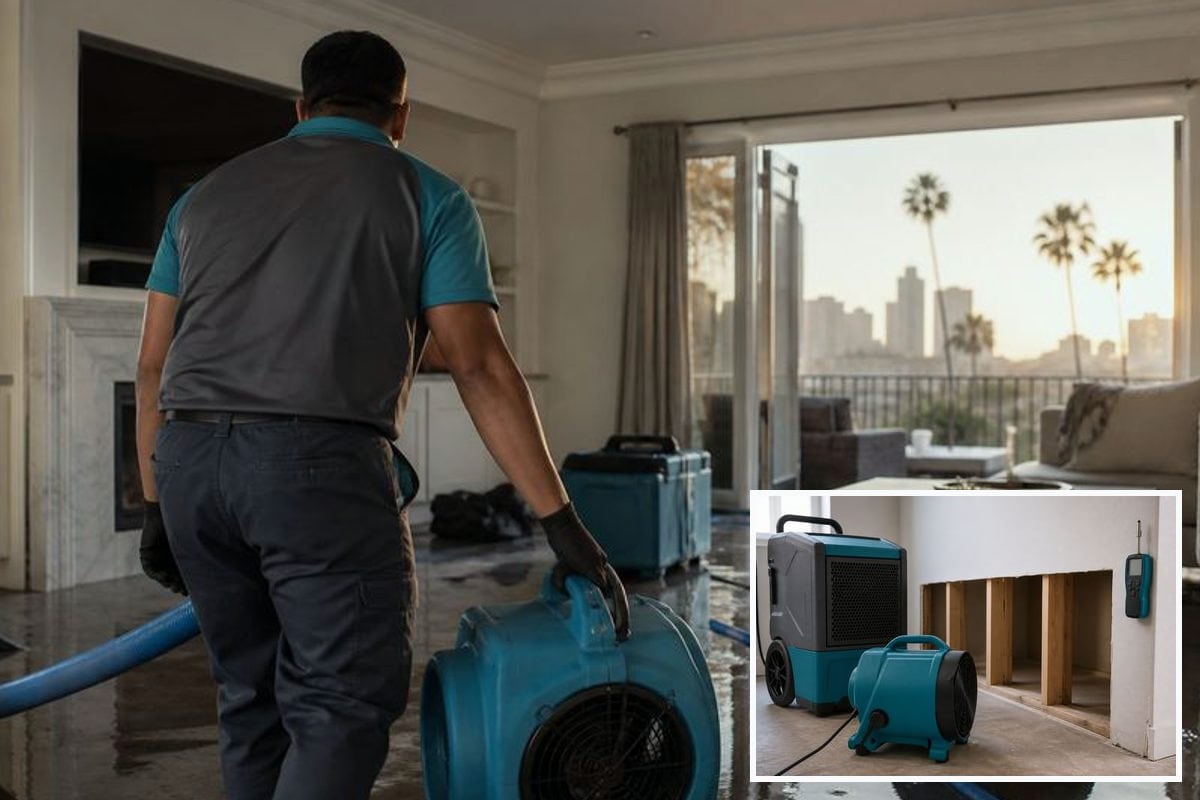
Retail Property Damage Restoration in Los Angeles
Every hour a retail store stays closed is an hour of lost sales, and every day of delay adds pressure on top of already stretched margins. Water damage, fire, sewage backups, and mold growth all threaten more than the building itself in a retail environment. They threaten inventory, foot traffic, and the customer relationships a storefront depends on. LA Water Damage restores retail properties across Greater Los Angeles, from single storefronts in strip malls to multi-location chains, with a focus on getting doors back open as fast as the damage allows.
This guide walks through the damage types most common in retail spaces, what to expect from an emergency response, how to protect inventory during restoration, and how to prepare your store before the next disaster hits. For immediate help, call request a callback or reach out through contact form.
Types of Retail Property Damage We Restore
Retail properties face the same core damage categories as any commercial building, but merchandise, fixtures, and customer-facing spaces raise the stakes on every one of them. Water, fire, sewage, and mold all require fast, careful handling in a space designed to move product and welcome the public.
Los Angeles retail corridors span everything from decades-old strip mall storefronts to newer mixed-use retail developments, and the age of the building matters here. Older commercial buildings across the region often still run original galvanized or cast iron plumbing, which fails more often than newer supply lines, and winter atmospheric river storms regularly push roof and storefront leaks into buildings that see little rain the rest of the year.
Water Damage from Pipe Breaks, Roof Leaks, and Storms
A pipe break behind a stockroom wall, a roof leak over the sales floor, or storm water pushing under a storefront door can all soak inventory, flooring, and fixtures within hours. Water extraction and structural drying need to start quickly to keep moisture from spreading into shelving, drywall, and product packaging. Water Damage Restoration in Los Angeles
Fire and Smoke Damage
Fire damage in a retail store often causes more smoke and soot damage than actual burn damage, since smoke migrates through the entire space, settling into fabric, shelving, and merchandise well beyond the point of origin. Smoke odor is notoriously difficult to remove without proper equipment, and it can linger in inventory long after the visible damage is cleaned up.
Sewage and Plumbing Backups Behind Retail Fixtures
Sewage backups behind retail fixtures, restrooms, or break rooms carry contamination risk that a standard mop-and-bucket cleanup can't safely address. These events often start small and out of sight, behind a fixture or under a sink, before surfacing as a larger problem on the sales floor. Sewage Cleanup and Backup Restoration in Los Angeles
Mold Growth After Undetected Water Damage
Mold can develop behind walls, under flooring, or inside fixtures when moisture from a leak isn't fully dried out, even when the visible damage looked minor at the time. A mold inspection after any water event helps confirm whether hidden moisture remains before it becomes a bigger problem. Mold Inspection and Remediation in Los Angeles
Emergency Response for Retail Stores
A fast, organized emergency response is the single biggest factor in how much a retail store loses to closure time after a damage event. LA Water Damage responds to retail emergencies across Greater Los Angeles and structures the work around limiting how long your doors stay closed.
Response speed depends on damage type, severity, and location, so ask about [details pending verification] before an emergency happens rather than during one. Knowing that expectation in advance helps you plan staffing and customer communication if something does go wrong.
What Happens When You Call request a callback
The first call gathers the essentials: what happened, where in the store, and whether the damage is contained or spreading. A technician confirms safety concerns and schedules an on-site assessment to determine the full scope of work, including equipment needs and estimated project phases, before any repair work begins.
Limiting Store Closure Time
Restoration work can often be phased so parts of a store remain accessible while damaged sections are addressed separately. This depends heavily on where the damage is located and how it affects foot traffic patterns, electrical systems, and structural stability, all of which get evaluated during the initial inspection.
Multi-Location and Franchise Coordination
Multi-location and franchise operators typically benefit from a single point of contact who coordinates response across every affected site rather than treating each location as a separate, disconnected job. Confirm with your provider how they document and communicate across locations, especially if different sites report to different regional managers.
Protecting Inventory and Merchandise During Restoration
Inventory loss often costs a retail business more than the structural damage itself, which makes protecting salvageable merchandise a priority from the first hour of any restoration project. This is an area where clear guidance upfront prevents costly guesswork later.
Salvageable vs. Non-Salvageable Merchandise
Inventory is generally assessed item by item rather than written off in bulk. Some products, especially non-porous items, can be cleaned and salvaged, while porous or contaminated items typically need to be discarded. A thorough assessment during the initial inspection determines which category each affected product falls into.
Documentation for Inventory Insurance Claims
Document affected inventory with photos before cleanup begins, ideally organized by product category or SKU if your point-of-sale system supports it. This documentation becomes the backbone of your insurance claim and speeds up the reimbursement process considerably compared to trying to reconstruct losses after the fact.
Fire and Smoke Restoration for Retail Spaces
Fire and smoke damage requires specialized cleaning that goes well beyond wiping down visible soot, particularly in a retail environment where odor alone can drive customers away even after the store reopens.
Removing Smoke Odor from Fixtures and Inventory
Smoke odor settles into fabric, carpet, drywall, and merchandise in ways that standard cleaning products can't fully address. Specialized odor removal equipment and techniques target the source of the smell rather than masking it, which matters in a retail space where customers will notice a lingering odor immediately.
Restoring Air Quality Before Reopening
Air quality testing and remediation after a fire event helps confirm a space is safe and comfortable for staff and customers before reopening. This step matters as much for customer confidence as it does for actual air safety, since a store that smells like smoke sends a signal customers notice right away.
Reopening Your Store After Damage
Getting a retail store back open involves more than finishing the physical repairs, and planning for that reopening should start well before the last piece of equipment leaves the building.
Coordinating Repairs Around Business Hours
Depending on the extent of damage, some repair work can happen during off-hours or overnight to minimize disruption to any portion of the store still operating. This requires close coordination between the restoration team and store management to align on which hours work best for which phases of the project.
Customer Safety During Active Restoration Work
Clear barriers, signage, and defined work zones help separate customers from active restoration areas during any phase where the store remains partially open. This isn't just a liability consideration. It's also part of maintaining a professional customer experience even mid-repair.
Working With Your Insurance Provider
Most commercial property policies cover sudden water, fire, and storm damage, though coverage details, deductibles, and business-interruption terms vary significantly by policy. Understanding what your policy actually covers before restoration begins helps avoid surprises during the claims process.
Documentation That Supports Faster Claims
A written scope of damage, dated photos, and clear records of communication with your restoration provider all support a smoother, faster insurance claim. Property Management Emergency Restoration Guide
Preparing Your Retail Business Before a Disaster
Store owners and property managers who establish a restoration relationship before an emergency happens consistently move through the process faster than those scrambling to find a qualified provider mid-crisis.
Emergency Response Planning for Store Owners and Property Managers
An emergency response agreement puts your contact information, site details, and expectations on file with a restoration provider in advance. This is a straightforward step that removes one major source of delay when an actual emergency occurs, whether that's a burst pipe over a weekend or storm damage during peak winter storm season.
Frequently Asked Questions About Retail Restoration Services
How fast can a restoration company respond to a damaged retail store?
Response speed depends on the type and severity of damage and location. Contact request a callback to confirm current availability. For a store trying to limit lost sales days, ask about [details pending verification] so you know what to expect before an emergency happens.
Can my store stay open during restoration work?
Sometimes. Depending on the extent of the damage and the area affected, work may be phased so parts of the store remain accessible, or barriers and signage may separate customers from active repair zones. This is assessed on a case-by-case basis during the initial inspection.
What happens to inventory that was exposed to water or smoke?
Inventory is generally assessed item by item. Some products may be cleaned and salvaged, while contaminated or structurally damaged items typically need to be discarded. Document affected inventory with photos before cleanup begins to support your insurance claim.
Does my commercial insurance cover retail store restoration?
Most commercial property policies cover sudden water, fire, and storm damage, though coverage details, deductibles, and business-interruption terms vary by policy. Review your policy or speak with your insurance agent to confirm what is covered before restoration begins.
How do you handle restoration for a business with multiple store locations?
Multi-location and franchise operators typically coordinate through a single point of contact so damage at any location is handled consistently. Confirm with your provider how they document and communicate across multiple sites, especially if locations report to different regional managers.
What causes hidden mold after a retail water leak?
Mold can develop behind walls, under flooring, or inside fixtures when moisture from a leak isn't fully dried out, even if the visible damage looked minor. A mold inspection after any water event helps confirm whether hidden moisture remains.
How soon can I reopen my store after fire or water damage?
Timelines vary significantly based on the extent of damage, required repairs, and inspection or permit requirements. A restoration provider can give you a project-specific estimate after assessing the damage. Ask for this in writing so you can plan staffing and customer communications.
Getting Your Store Back Open
Retail damage isn't just a property problem. It's a revenue problem, a staffing problem, and a customer trust problem all at once. LA Water Damage works with retail owners and property managers across Greater Los Angeles to move through inspection, mitigation, and documentation as efficiently as the damage allows. Office Building Restoration in Los Angeles
Call request a callback or visit contact form to discuss your store's specific situation, whether you need an emergency response right now or want an emergency plan in place before the next storm season.
---