
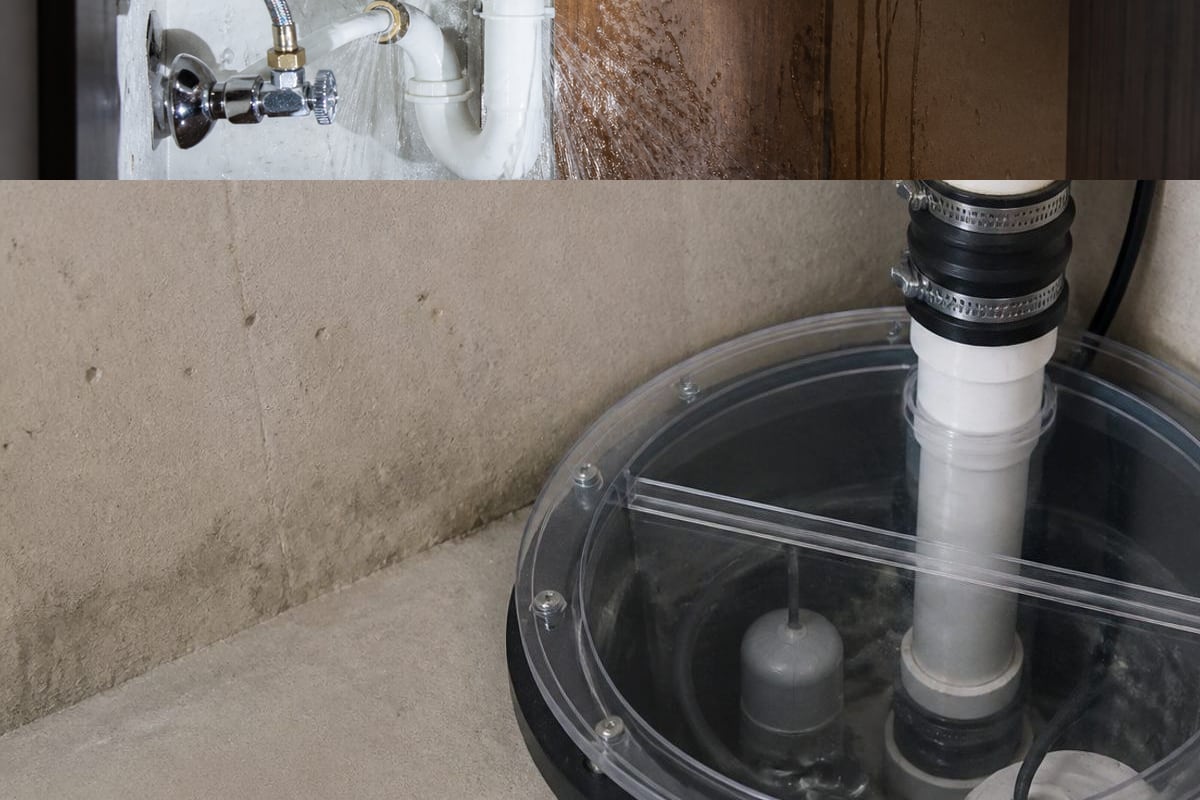
A flooded walk-in cooler on a Friday night, a grease trap backup during the lunch rush, a fryer fire that trips the suppression system and soaks the kitchen along with putting it out. Restaurants face a specific combination of water, sewage, and fire risk that most commercial properties don't, simply because a working commercial kitchen runs water, grease, heat, and open flame in close proximity all day. In Greater Los Angeles, older commercial kitchen infrastructure in many established restaurant corridors adds plumbing and electrical risk on top of the everyday hazards of the business. This guide covers the most common causes of restaurant damage, how water, sewage, and fire restoration work in a commercial kitchen setting, and what it takes to get a restaurant back open. For emergency restoration response, call request a callback or visit contact form.
Common Causes of Damage in Restaurants
The most common causes of damage in restaurants are plumbing leaks and equipment failures, grease trap and sewer backups, and kitchen fires involving suppression system discharge, each of which can shut down operations until it's addressed.
Plumbing Leaks and Equipment Failures
Commercial dishwashers, ice machines, prep sinks, and steam equipment all run water lines that see far more daily use than a residential kitchen. A single failed connection or worn gasket can release a significant amount of water before anyone notices, especially overnight or before opening.
Sewer and Grease Trap Backups
Grease trap overflow and blocked sewer lines are a leading cause of water and contamination issues in commercial kitchens. High grease and food waste volume, combined with aging sewer infrastructure common in older Los Angeles commercial corridors, increases backup risk compared to a typical residential property.
Kitchen Fires and Suppression System Discharge
A kitchen fire brings its own damage, and the suppression system that puts it out adds water and chemical residue on top of it. That combination, fire damage plus suppression discharge, means most kitchen fires require both fire restoration and water extraction in the same response.
Water Damage Restoration for Restaurants
Water damage restoration for restaurants starts with extraction and structural drying, with particular attention to flooring, kitchen equipment, and walk-in coolers, since these areas hold moisture differently than a typical commercial space.
Extraction and Structural Drying
Standing water is removed first, followed by targeted drying using air movers and dehumidifiers placed according to moisture readings in the kitchen, dining room, and any storage areas affected. Commercial kitchen flooring, often sealed concrete or quarry tile over a moisture barrier, dries differently than residential flooring and needs monitoring specific to that material.
Flooring, Equipment, and Walk-In Cooler Considerations
Water that gets underneath or behind fixed kitchen equipment, or into a walk-in cooler's insulation, can be easy to miss without moisture meters and thermal imaging. Walk-in coolers in particular are a common location for hidden moisture, since their insulated panels can trap water against a cold surface for a long time without visible signs on the exterior. When Should You Avoid Disturbing Suspected Mold? covers what to watch for if that trapped moisture turns into a mold problem before it's addressed.
Sewage Backup Cleanup for Commercial Kitchens
Sewage backup cleanup for commercial kitchens requires specialized handling because grease trap overflow and sewer line backups carry contamination beyond what a typical clean-water leak involves, and food service areas need that contamination fully addressed before health inspectors will clear a reopening.
Sewage backups in a kitchen setting fall into the highest-risk water category under IICRC S500 guidelines, which means affected materials, particularly porous ones, generally need to be removed and replaced rather than cleaned and dried. That's a different standard than a clean water leak, and it's one reason a restaurant kitchen backup takes longer to resolve than the volume of water alone might suggest. Sewage Backup Cleanup covers the general cleanup process in more depth. Grease trap overflow specifically brings fats, oils, and food waste into the mix, which adds odor control to the list of things a restoration crew has to address before a kitchen is truly ready to reopen.
Fire and Smoke Damage Restoration for Restaurants
Fire and smoke damage restoration for restaurants covers both the direct cleanup of a kitchen fire and the smoke and odor removal that can linger in the dining room, ventilation system, and fabric surfaces long after the fire itself is out.
Commercial Kitchen Fire Cleanup
Kitchen fires leave soot on hood systems, ceiling tiles, equipment, and walls, along with the suppression system discharge that typically accompanies them. Cleanup addresses both, removing soot and residue while assessing which equipment and surfaces can be cleaned versus which need replacement.
Smoke and Odor Removal
Smoke odor travels through a building's HVAC system and settles into porous materials like drywall, carpet, and upholstered dining furniture, which means a fire confined to the kitchen can still leave a lingering smell in the dining room. Restoration for Hotels and Hospitality Properties covers a similar odor-control challenge in a different commercial setting, where guest-facing odor issues carry their own reputational stakes.
Mold Risk After Restaurant Water Damage
Mold risk rises after restaurant water damage because commercial kitchens already run high humidity from cooking, dishwashing, and steam equipment, and any unresolved moisture from a leak or flood adds fuel to an environment that's already close to the threshold mold needs to grow.
Walk-in coolers, areas behind fixed equipment, and spaces with limited airflow are the most common locations for mold to develop after a water event in a restaurant, because they combine trapped moisture with limited ventilation. A kitchen that reopens before affected materials are fully dry risks a mold problem showing up weeks later, often in a spot that wasn't part of the original water damage assessment. Mold Inspection and Remediation covers what a professional mold assessment looks like if you're not sure whether your kitchen is fully dry after a restoration project.
Getting Your Restaurant Reopened
Getting a restaurant reopened after water, sewage, or fire damage depends on meeting health department sanitation standards, documenting any perishable inventory and equipment losses for insurance, and coordinating repair timelines with your insurance provider throughout the process.
Health Department Considerations
Requirements vary by jurisdiction, but restaurants generally need to meet local health department sanitation standards before service can resume, particularly after a sewage backup or significant water event in food preparation areas. Confirm the specific reinspection requirements that apply to your location with your local health department directly, since restoration timelines need to account for that step, not just the physical repair work.
Perishable Inventory and Equipment Documentation
Spoiled or contaminated inventory typically needs to be discarded, which means documenting it with photos and records before disposal matters for your insurance claim. The same goes for equipment that's been damaged by water, fire, or contamination, even if it still appears to function, since some equipment needs replacement rather than cleaning once contaminated.
Working with Your Insurance Provider
Commercial property insurance for restaurants often includes business interruption coverage alongside property damage coverage, and the two can move on different timelines. Thorough documentation of the damage, the cause, and the losses supports both types of claims, though coverage determinations are made by your insurer based on your specific policy. RCV vs ACV: What Property Owners Need to Know explains a distinction that frequently comes up in equipment and property claims.
Frequently Asked Questions About Restaurant Damage Restoration
Straightforward answers to the questions restaurant owners and operators ask most often.
Will my restaurant need to close during restoration?
It depends on the extent of damage and which areas of the kitchen or dining room are affected. Limited damage may allow partial operation, while significant water, sewage, or fire damage typically requires closing the affected area until it's safe.
How long does restaurant restoration typically take?
Timelines vary widely based on the type and extent of damage, equipment involved, and any health department reinspection required. An accurate timeline can only be given after an on-site assessment.
What should I do about perishable inventory after water or fire damage?
Document losses with photos and records as soon as it's safe to do so, since spoiled or contaminated inventory typically needs to be discarded and documented for your insurance claim.
Does a restaurant need health department clearance to reopen after restoration?
Requirements vary by jurisdiction and the type of damage. Restaurants generally need to meet local health department sanitation standards before reopening. Confirm specific requirements with your local health department.
What causes sewage backups in restaurant kitchens?
Grease trap overflow, blocked sewer lines, and aging plumbing are common causes in commercial kitchens, where high grease and food waste volume increases backup risk compared to residential properties.
Can mold develop after a restaurant kitchen floods?
Yes. Commercial kitchens already have high humidity, and standing water or unresolved moisture after a leak or flood increases mold risk, especially in enclosed spaces like walk-in coolers and behind equipment.
Does insurance cover restaurant water, sewage, or fire damage restoration?
Coverage depends on your specific commercial property policy and the cause of the damage. We can help document losses for your claim, but coverage decisions are made by your insurer.
Every day a restaurant stays closed after water, sewage, or fire damage is lost revenue on top of the repair cost, which makes a fast, coordinated response worth the call. If your Greater Los Angeles restaurant needs emergency restoration, reach LA Water Damage at request a callback or contact form to get an assessment started.
---