
You open a cabinet under the kitchen sink, or pull back a damp rug in the corner of a bedroom, and there it is. Dark, fuzzy, unmistakable. The first instinct for most homeowners in Greater Los Angeles is to grab a spray bottle and start scrubbing. That instinct is often wrong. Mold that looks contained on the surface can be connected to a much larger problem behind the wall, inside the HVAC system, or tied to a water source you can't see. Disturbing it before you understand what you're dealing with can spread spores into rooms that were never affected in the first place. This guide walks through exactly when it's safe to handle a small mold spot yourself, when you should stop and call a professional, and what to do in the meantime while you wait for help.
Why Disturbing Mold Can Make the Problem Worse
Disturbing mold can make a small problem worse because scraping, scrubbing, or even brushing against dry mold growth releases spores into the air, where they can settle on surfaces well outside the original area. Mold reproduces through microscopic spores that spread easily once airborne, and agitating dry or long-established growth is what triggers that release. Once spores are airborne, normal air movement in the home, foot traffic, and HVAC circulation can carry them into hallways, closets, and adjoining rooms that had no mold problem at all. That's the central reason caution matters more than a fast cleanup. According to EPA guidance on mold, remediation strategies are built around limiting disturbance and containing the affected area, not just removing what's visible. A cleanup attempt done in the wrong order can turn a one-room issue into a multi-room one.
How Disturbing Mold Releases Spores
Mold colonies produce spores as part of their reproductive cycle, and those spores sit loosely on the surface of the growth. Scraping, brushing, sanding, or even a strong gust of air from an HVAC vent can dislodge them. Once airborne, spores are light enough to travel on normal air currents throughout a building. Dry, long-undisturbed mold releases spores more readily than damp, recently formed growth, which is one reason professionals move slowly and use containment before touching a suspected area.
Cross-Contamination Risk to Unaffected Areas
Airborne spores don't stay in the room where they started. Open doors, running HVAC systems, and foot traffic carrying spore-laden dust on shoes or clothing all move contamination into hallways, bedrooms, and closets that were previously clean. In a shared-HVAC building such as an apartment complex or office, this risk extends well beyond a single unit. Water Damage Restoration for Multifamily Properties covers how shared systems complicate water and mold issues in multi-unit properties.
Signs You Should Stop and Call a Professional
You should stop and call a professional the moment suspected mold covers a large area, involves your HVAC system, followed a sewage or contaminated water event, keeps returning after a previous cleanup attempt, or affects a household with infants, elderly residents, or anyone who is immune-compromised. Any one of these conditions is a reasonable trigger to stop handling it yourself.
Signs it's time to call in a professional inspection:
- Mold spans multiple building materials or more than one room, rather than a small isolated spot
- The growth is inside or near HVAC ductwork, vents, or the air handler
- The mold followed a sewage backup, flood, or a water source you're not certain was clean
- Mold has come back after you or a previous contractor already tried to clean it
- Infants, elderly residents, or anyone with a compromised immune system or respiratory condition lives in the home
Each of these signals a different kind of risk. A large surface area means more spores get released with any disturbance. HVAC involvement means the entire duct system may already be circulating contamination throughout the building. Contaminated water sources add a layer of risk beyond mold itself. Recurring mold usually means the actual moisture source was never fixed, and cutting into the same wall again without addressing that source wastes time and money. Vulnerable occupants simply have less margin for exposure.
If any of these apply to your situation, avoid further contact with the area and contact LA Water Damage for a professional mold inspection at request a callback or contact form. [details pending verification].
Mold Covering a Large Surface Area
There's no need to calculate exact square footage to know when a mold problem is beyond a DIY wipe-down. If the growth spans more than a single small patch, spreads across a seam between materials, or shows up in more than one room, treat it as a job for a professional rather than a weekend project. General industry guidance treats widespread growth as a remediation job, not a cleaning job.
Mold Inside HVAC Systems or Ductwork
Mold inside ductwork or near the air handler is different from mold on a bathroom tile. The HVAC system is designed to move air through the entire building, which means any spores already in the system have likely traveled further than what you can see. EPA and OSHA guidance both treat HVAC-related mold as a professional job, since disturbing it without proper containment can distribute spores through every vent it serves. [details pending verification]-qualified technicians are equipped to isolate the system before working on it.
Mold Linked to an Uncertain or Contaminated Water Source
Mold that shows up after a sewage backup or a water source you can't verify was clean carries risks beyond typical mold exposure. Water contaminated by sewage falls into the highest-risk category under IICRC S500 guidelines, and mold growing in that environment can carry additional contamination along with it. Handling this kind of mold without professional equipment isn't just an air quality issue, it's a direct contact risk. Sewage Backup Cleanup follows specific containment protocols for exactly this reason.
Mold That Returned After a Previous Cleanup Attempt
If mold keeps reappearing in the same spot, the cleanup addressed the visible growth but not the moisture feeding it. Mold needs a consistent water source to keep growing, so a surface wipe-down without fixing a leak, condensation issue, or ventilation problem is a temporary fix at best. Recurring mold is a strong signal that a professional needs to identify and correct the underlying moisture source, not just clean the surface again.
Mold Affecting Infants, Elderly, or Immune-Compromised Occupants
Mold exposure affects people differently. EPA guidance notes that infants, older adults, and people with asthma, allergies, or weakened immune systems are generally more sensitive to mold and its byproducts. If anyone in this category lives in or regularly visits the affected space, it's worth erring toward caution and professional handling rather than DIY cleanup, even for what looks like a small spot.
Hidden Mold: Signs It's There Without Disturbing It
You can often tell mold is present behind a wall or under flooring without ever seeing it, through a persistent musty odor, water stains, bubbling paint, or warped surfaces in an area with a history of leaks.
A musty, earthy smell that doesn't go away with cleaning or ventilation is one of the most reliable indicators of hidden mold, even when nothing is visible. Water stains on a ceiling or wall, paint that's bubbling or peeling, and drywall or baseboards that feel soft or warped all point to moisture trapped behind the surface, which is exactly the environment mold needs to grow. A recent leak, a slow plumbing drip, or past water damage in that same spot is another strong clue, since mold typically needs sustained moisture over a day or two to begin developing.
Signs of hidden mold behind walls or flooring:
- Musty or earthy odor with no visible growth in the room
- Water stains, discoloration, or rings on ceilings and walls
- Bubbling, peeling, or cracking paint
- Warped, soft, or bulging drywall, baseboards, or flooring
- A known history of leaks, flooding, or plumbing issues in that area
If you notice these signs, resist the urge to cut into the wall or pull up flooring to check yourself. That kind of investigation is exactly the disturbance this guide is warning against. A professional can identify hidden mold using tools like moisture meters and, when needed, air or surface sampling, without cutting into materials first. Mold Testing: Do You Need It and What It Costs explains what that testing process involves and when it's actually necessary.
What to Do Immediately If You Suspect Mold
The first, and most important, action if you suspect mold is to leave it alone. Stop any active moisture source if you can do so safely, restrict access to the area, and ventilate the surrounding space without disturbing the mold itself.
Leave the Material Alone
Don't scrub, scrape, spray, or even wipe the suspected area. Handling it before you understand the extent of the problem risks spreading spores into parts of the home that were never affected.
Identify and Stop the Moisture Source
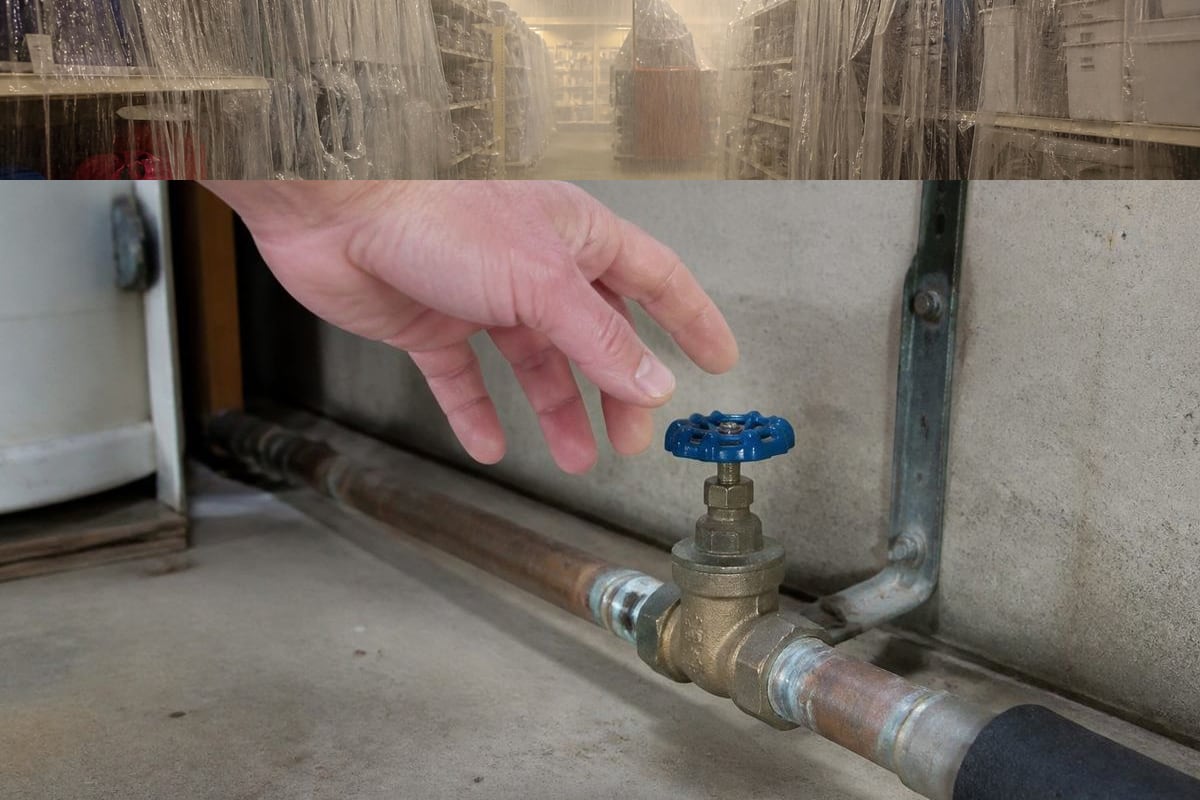
If the mold sits near a visible leak, such as a dripping pipe or a window letting in rain, and you can safely stop the water flow, such as shutting off a supply valve, do that. Don't attempt repairs beyond stopping obvious water flow.
Restrict Access to the Area
Close the door if there is one, and keep children, pets, and anyone in a vulnerable health category away from the space until it's been professionally assessed.
Ventilate Without Disturbing the Surface
Opening a window in the room, where practical, supports general air quality. Avoid pointing fans directly at the mold or running the HVAC system in a way that pulls air across the area, since that can push spores into the duct system.
If You Must Approach the Area Before Help Arrives
If you need to approach a suspected mold area before a professional arrives, wear at minimum a properly fitted respirator, gloves, and eye protection, and use basic containment like closing doors or hanging plastic sheeting to limit how far any disturbed spores can travel.
Minimum Personal Protective Equipment
Basic protection matters even for a brief, cautious look at a suspected mold area. At minimum that means covering your airway, your skin, and your eyes before getting close.
###### Respiratory Protection
An N95 respirator offers basic filtration for brief exposure, though a P100 respirator provides a higher level of protection against mold spores, consistent with general OSHA and NCSU guidance on mold exposure. A standard cloth or surgical mask isn't designed to filter mold spores effectively.
###### Skin and Eye Protection
Disposable gloves prevent direct skin contact with the growth, and well-sealed goggles keep spores away from your eyes, a common route of irritation. Disposable coveralls or clothing you can immediately wash afterward add another layer of protection, especially if you'll be near insulation, drywall dust, or other porous materials.
Basic Containment to Limit Spread
Simple containment measures reduce how far disturbed spores can travel while you wait for a professional. Closing doors between the affected area and the rest of the home, taping over vents in that room, and hanging plastic sheeting across a doorway are all basic, limited containment steps. Full containment, with negative air pressure and sealed barriers, is a professional-grade setup reserved for active remediation work, not something to attempt on your own.
How Professionals Assess and Test Suspected Mold
Professionals assess suspected mold primarily through visual inspection and moisture mapping, and only recommend air or surface sampling in specific situations, such as confirming hidden mold that isn't visible or verifying an area is clear after remediation.
For visible mold, most EPA-aligned guidance treats testing as optional. If you can see it and identify the moisture source, remediation can typically proceed without lab confirmation of what type of mold it is, since the recommended cleanup approach doesn't usually change based on species. Testing becomes genuinely useful in narrower situations, such as when there's a musty odor and no visible growth, when occupants report symptoms but no mold is visible, or when a property needs post-remediation verification that an area is clear. A professional inspection typically starts with a visual walkthrough and moisture readings using a moisture meter, and moves to air or surface sampling only if the situation calls for it. [details pending verification] for inspection and any testing depends on the scope of the assessment.
Commercial and Multifamily Properties: Special Considerations
Commercial and multifamily properties carry higher mold risk than a single-family home because shared HVAC systems, common walls, and higher occupant density mean disturbed mold can affect far more people and units before anyone realizes it's spreading.
A hotel guest room, a hospital wing, or an apartment building with shared ductwork all face a version of the same problem. Once mold enters a shared air system, it isn't isolated to one unit or one room anymore. That raises the stakes for that first decision about whether to disturb a suspected spot or wait for a professional.
Property types where this matters most:
- Multifamily apartment buildings and condominiums with shared walls or HVAC
- Hotels, resorts, and hospitality properties with high guest turnover
- Healthcare facilities, where occupant vulnerability is already elevated
- Schools and offices with high foot traffic and shared ventilation
Water Damage Restoration for Multifamily Properties, Restoration for Hotels and Hospitality Properties, and Restoration for Healthcare and Medical Offices go into more depth on the specific restoration considerations for each property type. In all of these settings, in-house maintenance staff should generally hold off on disturbing suspected mold until it's been properly assessed. [details pending verification].
Why This Caution Matters for Your Health
Mold exposure matters for your health because it's a recognized trigger for respiratory irritation, allergic reactions, and asthma symptoms in sensitive individuals, and disturbing mold increases the concentration of spores in the air you're breathing.
According to EPA guidance, common reactions to mold exposure include coughing, sneezing, throat irritation, and eye or skin irritation, with people who have asthma or mold allergies often experiencing stronger symptoms. The exact health response varies by person, which is part of why blanket reassurance that it's "just a little mold" isn't especially useful advice. Treating suspected mold with caution, rather than disturbing it to get a closer look, keeps spore concentration lower for everyone in the building while a proper assessment gets arranged.
Frequently Asked Questions About Disturbing Suspected Mold
Quick, direct answers to the questions people ask most often about handling suspected mold safely.
Is it ever okay to touch mold myself?
Small, isolated spots on a hard, non-porous surface are generally lower risk if you use gloves and eye protection. But if the mold covers a large area, involves your HVAC system, or followed a sewage or contaminated-water event, stop and contact a professional rather than handling it yourself.
What happens if you accidentally disturb mold?
Disturbing mold can release spores into the air, which may spread contamination to nearby rooms through airflow or foot traffic. If this happens, leave the area, close doors if possible, and avoid running HVAC systems that could circulate spores further until the area can be assessed.
Can mold make you sick if you just walk past it?
Passing by dry, undisturbed mold poses lower risk than physically agitating it, but mold can still affect indoor air quality over time. People with allergies, asthma, or weakened immune systems may be more sensitive. Persistent symptoms near a moldy area warrant professional evaluation.
How do I know if mold is hidden behind my walls?
Common signs include a persistent musty odor without visible mold, water stains, bubbling paint, or warped drywall, or a known history of leaks in that area. If you suspect hidden mold, avoid cutting into walls yourself and have a professional investigate before disturbing the surface.
Do I need to test for mold before cleaning it?
Not always. If mold is visible, most guidance treats testing as optional rather than required before addressing it. Testing becomes more useful when mold isn't visible but is suspected, or when you need to confirm an area is clear after remediation.
Is mold in a bathroom different from mold behind a wall?
Surface mold on tile or grout is typically easier to assess visually and lower risk to disturb briefly with basic protection. Mold behind walls, under flooring, or in HVAC systems is riskier because the extent is unknown and disturbance can spread contamination into concealed spaces.
When should a commercial property call a professional instead of maintenance staff handling it?
Shared HVAC systems, multiple occupied units, and higher foot traffic mean mold in hotels, multifamily buildings, healthcare facilities, or schools can affect more people faster. [details pending verification]-level assessment is generally warranted before in-house staff disturb any suspected mold in these settings.
What should I do while waiting for a professional to arrive?
Restrict access to the area, avoid touching or cleaning the mold, address any active moisture source if it's safe to do so, and avoid running HVAC fans that circulate air through the affected space. For guidance specific to your situation, contact LA Water Damage at request a callback.
If you're dealing with suspected mold in Greater Los Angeles and you're not sure whether it's safe to handle yourself, the safest move is to stop, leave the area alone, and get a professional opinion before doing anything else. LA Water Damage handles mold inspection, water damage, and sewage backup cleanup across the region, including the shared-HVAC and multi-unit properties that carry extra risk. Call request a callback or reach out through contact form to talk through what you're seeing and get a straightforward opinion on next steps.
---