
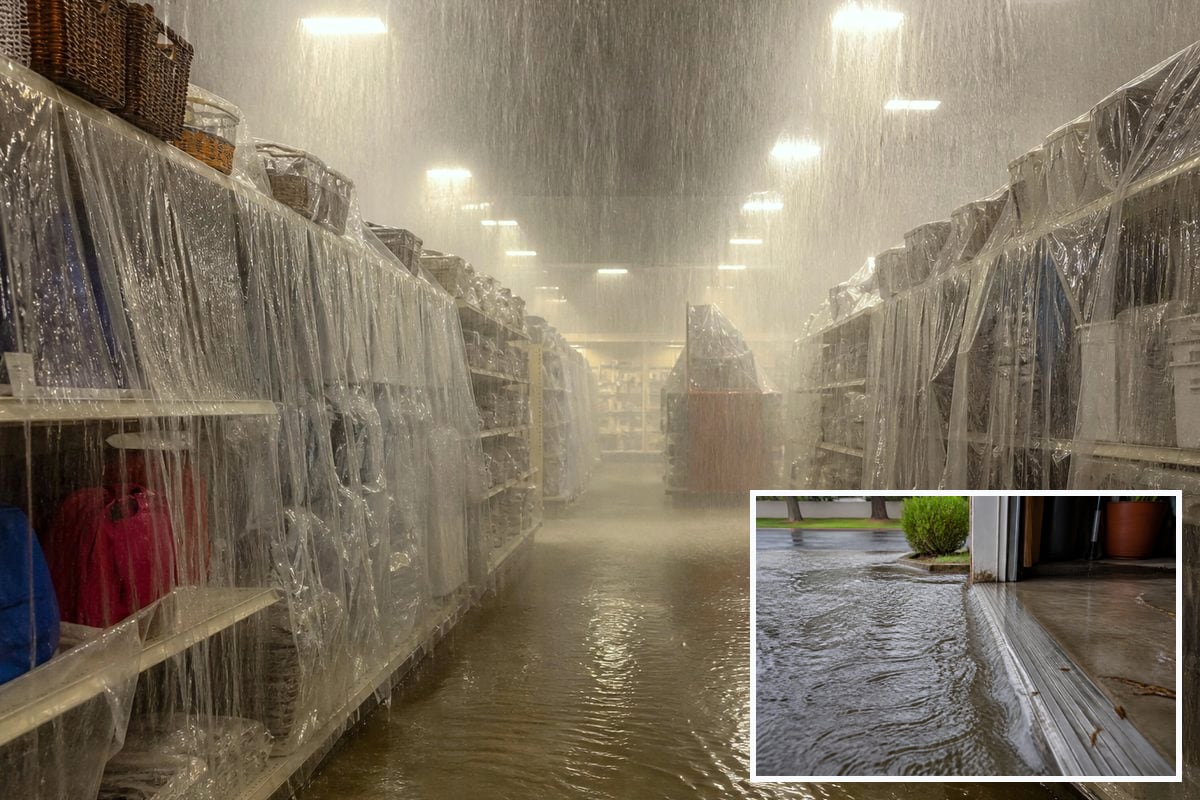
A burst pipe on the fourth floor of an apartment building doesn't just damage one unit. It runs down through ceilings, drips into units below, soaks shared hallway carpet, and can put a dozen residents out of their homes at once. That's the reality of water damage in multifamily properties across Greater Los Angeles, where aging plumbing, low-slope roofs, and dense unit-to-unit construction turn a single leak into a building-wide event. Restoration in this setting is a different job than a single-family home. It means coordinating with property managers, HOA boards, multiple tenants, and often more than one insurance policy, all while trying to keep the building operating. This guide covers what causes water damage in apartment buildings and condos, how a multifamily restoration project typically unfolds, and how to keep disruption for residents to a minimum. To request an assessment for your property, call request a callback or visit contact form.
Why Water Damage Is a Serious Risk for Multifamily Owners
Water damage is a serious risk for multifamily owners because shared walls, floors, and plumbing systems mean damage in one unit routinely spreads to neighboring units, multiplying both the physical damage and the liability exposure for the property owner.
A leak that would be contained to one bathroom in a single-family home can travel through a shared wall cavity or down through a shared floor-ceiling assembly into the unit below in an apartment building. That means more affected square footage, more displaced residents, and often more than one insurance claim running at the same time. Property owners also carry liability exposure tenants don't think about until something goes wrong, including habitability obligations and, in Los Angeles's renter-majority housing market, real questions about temporary relocation and lease obligations during repairs. Getting ahead of water damage with fast extraction and drying limits both the physical spread and the liability tail that follows a slow response.
Common Causes of Water Damage in Apartment Buildings
The most common causes of water damage in Los Angeles apartment buildings are aging plumbing and slab leaks, roof intrusion during winter storms, unit-to-unit appliance leaks, and sewer line backups, all of which are more common in the region's older multifamily housing stock.
Plumbing and Slab Leaks
Much of Greater Los Angeles's multifamily housing stock predates modern plumbing codes, with galvanized supply lines, cast iron drain pipes, and slab-on-grade foundations that hide leaks until they've already caused damage. A slab leak can run for weeks under a concrete foundation before it shows up as a damp carpet or a warm spot on the floor, by which point water has often traveled well beyond the original leak point.
Roof and Exterior Water Intrusion
Los Angeles doesn't get much rain, but when atmospheric river storms roll through in winter, older low-slope roofs common on multifamily buildings are prone to ponding and intrusion at flashing, parapets, and rooftop equipment penetrations. A roof leak on the top floor can travel through multiple units before it's discovered.
Appliance and Unit-to-Unit Leaks
Washing machine supply lines, dishwasher connections, and water heaters fail without warning, and in a multifamily building that failure doesn't stay contained to one unit. Water from a failed appliance in an upper-floor unit routinely damages the ceiling, walls, and belongings of the unit directly below.
Sewer and Sewage Backups
Aging sewer laterals, tree root intrusion, and grease or debris buildup in shared sewer lines can cause backups that affect multiple units connected to the same line. Sewage backups fall into the highest-risk water category and require different handling than a clean water leak. Sewage Backup Cleanup covers the specific steps involved.
Our Multifamily Water Damage Restoration Process
Multifamily water damage restoration typically follows three phases, emergency response and assessment, water extraction and structural drying, and repair and reconstruction, with the overall timeline depending on how many units and shared systems are affected.
Emergency Response and Assessment
The first step is identifying the full scope of the damage, not just what's visible in the unit where it was reported. That means checking adjoining units, shared walls, and common areas for hidden moisture using moisture meters and thermal imaging, since water travels along the path of least resistance and often affects more area than the initial report suggests. [details pending verification].
Water Extraction and Structural Drying
Standing water is extracted first, followed by structural drying using industrial air movers and dehumidifiers positioned based on moisture readings, not guesswork. In a multifamily setting, this step often has to happen across multiple units at the same time, which requires more equipment and more coordination than a single-family job.
Repair and Reconstruction
Once materials are confirmed dry, damaged drywall, flooring, cabinetry, and other materials are removed and rebuilt to match the unit's original condition. For occupied buildings, this phase is typically sequenced to bring units back online as quickly as the drying timeline allows, rather than treating the whole building as one project with one finish date.
To get a restoration crew assessing your property, contact LA Water Damage at request a callback or contact form.
Minimizing Disruption for Residents and Tenants
Minimizing disruption for residents during multifamily water damage restoration comes down to clear communication about access and timelines, and sequencing work so units can be occupied again as soon as it's safe, rather than closing the whole building at once.
Residents want three things during a restoration project. They want to know what's happening, they want to know when they'll get access back, and they want as little disruption to daily life as possible. None of that requires guesswork, it requires a communication plan.
Communication During Restoration
Property managers benefit from having a single point of contact who can relay realistic timelines to residents, rather than residents hearing conflicting information from different crew members. Regular updates, even brief ones, reduce the number of individual calls a property manager fields during a restoration project.
Limited-Access and Occupied-Unit Work
Not every affected unit needs to be vacated. Depending on the extent of damage, work can sometimes be phased around occupied units, with equipment placement and access scheduled to minimize the time residents are displaced. Severity of the damage, not convenience, ultimately determines whether temporary relocation is necessary for a given unit.
Working with Property Managers and Insurance
Working with property managers on a multifamily water damage claim means documenting damage thoroughly enough to support the claim, while coordinating access and timelines across potentially dozens of units and more than one insurance policy.
Multifamily insurance claims are rarely simple. A single water event can trigger a claim against the building's master policy, individual unit-owner policies in a condo association, and sometimes a tenant's renters insurance, all at once.
Documentation for Insurance Claims
Thorough photo and moisture documentation at each stage of the restoration process supports the claims process, whatever policy or combination of policies ends up covering the loss. Coverage determinations are made by the insurance provider based on the specific policy language, not by the restoration company, but detailed documentation makes that process faster and less contentious. RCV vs ACV: What Property Owners Need to Know explains a distinction that frequently comes up during multifamily claims.
Coordinating with Multiple Stakeholders
A property manager, an HOA board, individual unit owners, and tenants can all have a stake in the same restoration project. Clear, consistent communication with each stakeholder group, rather than assuming information will pass informally between them, keeps the project moving and reduces disputes over scope and timeline.
Preventing Water Damage in Multifamily Buildings
Preventing water damage in multifamily buildings comes down to routine inspection of plumbing and roofing, leak detection technology in high-risk areas, and regular maintenance of HVAC and sewer lines, especially in Los Angeles's older multifamily stock.
Routine Inspections and Maintenance
Regular inspection of plumbing connections, water heaters, and roofing, particularly before and after the winter storm season, catches small problems while they're still small. This matters more in Los Angeles's older buildings, where original plumbing and roofing materials are well past their expected service life in many cases.
Leak Detection Systems
Water sensors placed near water heaters, under sinks, and in laundry rooms can alert property staff to a leak within minutes rather than days, which is often the difference between a minor repair and a multi-unit restoration project. When Should You Avoid Disturbing Suspected Mold? covers a related early-warning consideration, since undetected leaks are a leading cause of hidden mold growth.
HVAC and Sewer Line Maintenance
Shared HVAC systems and sewer lines need their own maintenance schedule, since a failure in either can affect far more of the building than a single unit's plumbing. Periodic sewer line inspection, especially in buildings with mature trees near the lateral line, can catch root intrusion before it causes a backup.
Frequently Asked Questions About Multifamily Water Damage Restoration
Straightforward answers to the questions property managers and owners ask most often.
How fast can you respond to water damage at an apartment complex?
Response speed depends on scope, location within Greater Los Angeles, and time of day. [details pending verification]. Emergency water damage should be addressed as quickly as possible to limit structural damage and secondary issues like mold.
Can you restore large complexes with multiple buildings?
Multifamily restoration scope varies by property size and damage extent. Confirm current capacity and crew availability directly: request a callback.
Will my property's insurance cover multifamily water damage restoration?
Coverage depends on your specific policy, the cause of loss, and your insurer's terms. We can help document damage for your claim, but coverage determinations are made by your insurance provider.
How do you minimize disruption for tenants during restoration?
Work is typically planned around occupied units where possible, with clear communication to residents about access needs, noise, and timelines. Severity of damage determines whether temporary relocation is necessary.
What's the difference between multifamily and single-family water damage restoration?
Multifamily properties involve shared systems, including plumbing, HVAC, and roofing, affecting multiple units, more stakeholders such as property managers, HOAs, and multiple tenants, and often require phased work to keep the building operational.
How long does a typical multifamily water damage restoration take?
Timelines vary significantly based on the extent of water intrusion, number of affected units, and materials involved. A precise estimate is only possible after an on-site assessment.
What are the most common causes of water damage in Los Angeles apartment buildings?
Aging plumbing and slab leaks, low-slope roof intrusion during winter storms, unit-to-unit appliance leaks, and sewer line backups are among the most frequent sources in the region's older multifamily stock.
Water damage in a multifamily property rarely stays contained to one unit, which is exactly why a fast, coordinated response matters more here than almost anywhere else. If you're managing a property in Greater Los Angeles and dealing with an active leak, roof intrusion, or sewer backup, LA Water Damage can assess the full scope across your building, not just the unit where it was reported. Call request a callback or request an assessment at contact form to get started.
---