
Restoration for Schools and Educational Facilities in Los Angeles
A burst pipe over a kindergarten classroom on a Tuesday morning is not the same emergency as a burst pipe in an empty office building at midnight. Schools have bell schedules, testing windows, hundreds of children moving through hallways, and a district or board that expects documentation before anyone signs off on repairs. LA Water Damage works with K-12 schools, colleges, and universities across Greater Los Angeles on water, fire, sewage, and mold restoration, with scheduling and communication built around the realities of an occupied campus.
This guide covers the emergencies that most often disrupt school operations, what to expect when you call for help, how work gets scheduled around class time, and what facility directors should have in place before the next incident happens. For immediate assistance, call request a callback or reach out through contact form.
Common Emergencies That Disrupt School and Campus Operations
Schools face the same core damage types as any commercial property, but the stakes are different when hundreds of students and staff are on site every weekday. Water intrusion, sewage backups, fire and smoke events, and mold growth each carry their own safety and scheduling challenges on a campus.
Los Angeles campuses face specific exposure here. Older school buildings across the district often still run galvanized or cast iron supply lines original to construction decades ago, and portable classrooms added over the years frequently have plumbing and roofing that wasn't built to the same standard as the main buildings. Winter atmospheric river storms can push roof leaks and storm intrusion into buildings that handle dry weather fine the other nine months of the year.
Water Damage (Pipe Breaks, Roof Leaks, Storm Intrusion)
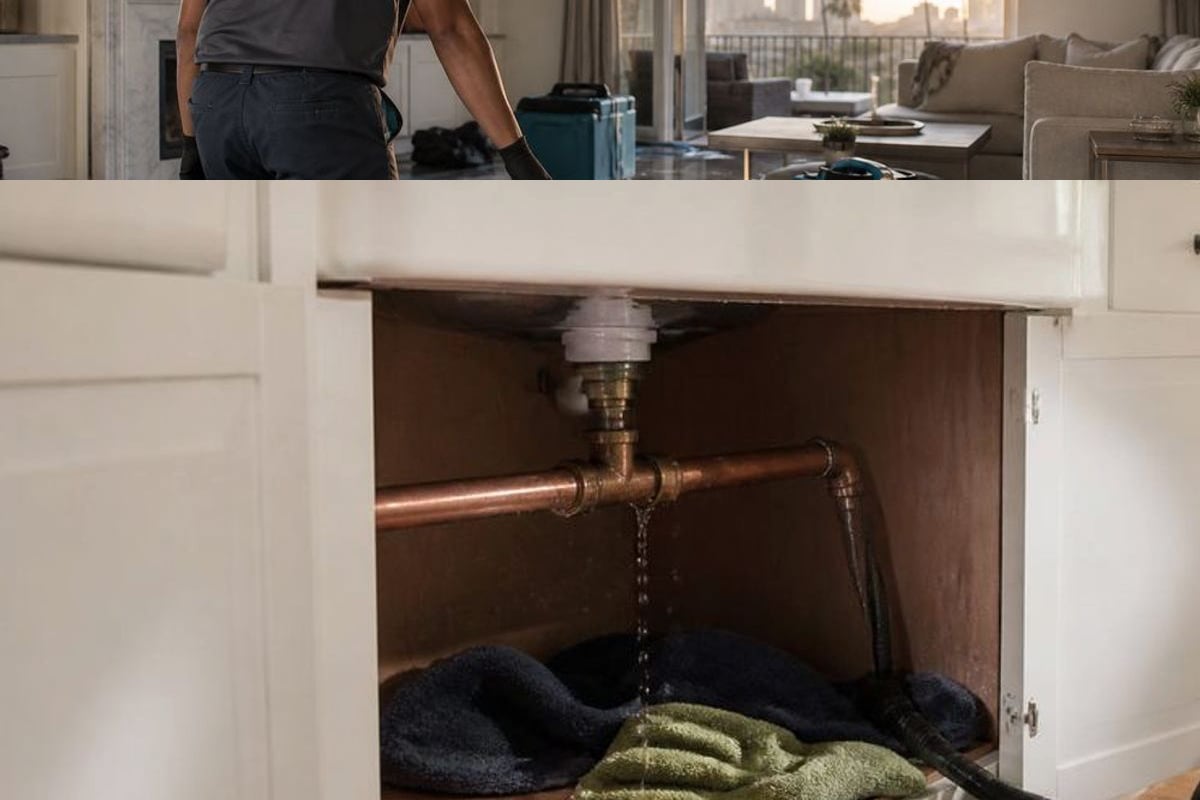
Water damage in schools usually comes from one of three sources, and each one needs a different first response. A pipe break inside a wall or ceiling often shows up as a stain before anyone sees standing water, while a roof leak during an atmospheric river storm can drop water directly into a classroom or library within minutes. Storm intrusion around doors and window seals is common in older buildings where weatherproofing has degraded over time.
Fast water extraction and structural drying limit how far moisture spreads into flooring, drywall, and shared HVAC systems. Water Damage Restoration in Los Angeles
Sewage and Sewer Backups in Restrooms and Cafeterias
A sewage backup is different from a clean water leak because it carries contamination risk, not just moisture damage. Restrooms and cafeteria kitchens are the most common backup points on a campus, since both connect to high-use plumbing lines that see heavy daily volume from hundreds of students.
Affected areas need to be closed off immediately and kept off-limits until cleanup and disinfection are complete. This isn't a case where a mop and some ventilation solves the problem. Sewage Cleanup and Backup Restoration in Los Angeles
Fire and Smoke Damage in Classrooms and Common Areas
Fire and smoke damage in a school can range from a small electrical fire in a classroom outlet to smoke migration through a shared HVAC system that affects an entire wing. Even a contained fire often causes smoke odor and soot residue well beyond the room where it started, settling into porous materials like books, carpet, and acoustic ceiling tiles.
Smoke damage restoration addresses both the visible soot and the odor that lingers in fabric and building materials long after the smoke clears. Fire and Smoke Damage Restoration in Los Angeles
Mold Growth in Portables, Basements, and HVAC Systems
Mold typically develops after moisture from a leak, flood, or chronic humidity goes undetected for days or weeks. Portable classrooms are especially vulnerable because their under-floor spaces and roof seams are harder to inspect than a standard building, and basements and mechanical rooms trap the kind of still, humid air mold needs to take hold.
A mold inspection can confirm whether remediation is needed and define the scope of the work before anyone reoccupies the space. Mold Inspection and Remediation in Los Angeles
Emergency Response for School and Campus Damage
Getting a restoration crew on site quickly matters more on an occupied campus than almost anywhere else, because every hour a classroom, gym, or cafeteria stays closed is an hour of disrupted instruction. LA Water Damage responds to school and campus emergencies across Greater Los Angeles and builds a work plan around your schedule, not the other way around.
Response windows vary by damage type, severity, and location, so ask about [details pending verification] before an incident happens rather than during one. Having that expectation documented in advance saves confusion when something actually goes wrong.
What Happens When You Call request a callback
The first call starts with a few direct questions: what happened, where, and how many people or spaces are affected right now. From there, a technician gathers basic details about the building, confirms access and safety concerns, and schedules an on-site assessment. That assessment determines the full scope of work, including any equipment or crew size needed, before repairs begin.
Working Around Class Schedules, Exams, and Events
Restoration work on a live campus has to respect what's happening in the building that day. Loud equipment like air movers and dehumidifiers can usually run during class hours in areas away from instruction, but anything disruptive near active classrooms, testing sessions, or school events typically gets shifted to a quieter time. Coordinating this well requires the restoration team to actually ask about your calendar, not assume one.
After-Hours, Weekend, and Break-Period Scheduling
Evenings, weekends, and scheduled school breaks are often the best windows for the most disruptive phases of a restoration project, from demolition to major drying setups. A facility director who flags these windows early gives the restoration team room to plan work in phases that minimize how much students and staff ever notice.
Restoration Services for K-12 Schools
K-12 campuses combine classroom buildings, shared common spaces, and outdoor athletic facilities, each with its own restoration considerations. A pipe break in an elementary school library needs a different approach than smoke damage in a high school gym, even though both fall under the same general service.
Classrooms, Libraries, and Administrative Offices
Classrooms and libraries hold materials that are slow and expensive to replace, from books to instructional technology, so protecting salvageable contents matters as much as drying the structure itself. Administrative offices carry similar concerns with paper records and equipment, plus the added pressure of keeping the front office functional during the school day.
Gymnasiums and Athletic Facilities
Gym floors, especially sprung wood floors used for basketball and volleyball, are particularly sensitive to water exposure and can warp or buckle if not addressed quickly. Locker rooms and equipment storage areas also trap humidity, making them a common spot for hidden mold growth after any water event.
Cafeterias and Kitchen Areas
Cafeteria kitchens combine food service equipment, high water and drain volume, and strict health and safety expectations, all of which raise the stakes of any water or sewage event. Restoration in these spaces has to account for both the physical cleanup and getting the kitchen back to a condition that satisfies health code requirements before food service resumes.
Restoration Services for Colleges and Universities
University and college campuses bring a different scale of complexity, spreading damage response across multiple buildings, departments, and sometimes multiple layers of facilities management. Commercial Property Restoration in Los Angeles
Dormitories and Student Housing
Dormitories function like multifamily housing, with dozens or hundreds of residents whose personal belongings and daily routines are affected by any water, fire, or mold event. Communication with resident advisors and housing staff becomes just as important as the physical restoration work itself.
Laboratories and Specialized Equipment Areas
Laboratories and research spaces often contain sensitive equipment and materials that require careful handling during any restoration project. Coordinating with lab managers and departmental staff before work begins helps avoid damage to equipment that a general cleanup crew wouldn't know to protect.
Multi-Building Campus Coordination
A single storm or plumbing failure can affect multiple buildings across a university campus at once. Coordinating crews, equipment, and scheduling across several sites at the same time requires a restoration provider that can scale a response rather than handling one building in isolation.
Working With School Districts and Facility Managers
Public schools and universities typically carry commercial property or public entity insurance, which follows a different documentation process than a standard homeowners claim. Facility directors and risk management teams need a restoration partner who understands that difference from the start.
Documentation for Public-Sector Insurance Claims
Public-sector claims generally require more thorough documentation than a typical residential claim, including photos, a written scope of damage, and records that satisfy district or institutional accounting requirements. Building this documentation correctly the first time helps avoid delays in reimbursement or approval.
Working With Facility Managers and Risk Management Teams
Facility managers and risk management staff are often the single point of contact for a restoration project on a public campus. A clear, consistent line of communication with this team, rather than piecemeal updates to different staff members, keeps a project moving and keeps everyone's expectations aligned.
Preparing Your Campus Before a Disaster Happens
The best time to establish a relationship with a restoration provider is before an emergency, not during one. Facility directors who set up a documented plan in advance cut down on the confusion and delay that come with scrambling to find a qualified vendor mid-crisis.
Emergency Response Planning for Facility Directors
An emergency response agreement, sometimes called an ERA, puts your site details, contact information, and expectations on file with a restoration provider before anything goes wrong. This is standard practice for facility directors managing risk across multiple buildings or a district-wide portfolio.
What to Include in a Campus Emergency Contact Plan
A solid campus emergency contact plan lists who to call first, in what order, for water, fire, sewage, and mold events, along with after-hours contact information and any site-specific access instructions a crew would need after school hours. Keeping this plan updated and shared with all relevant staff means nobody is searching for a phone number during an actual emergency.
Safety Considerations for Occupied Schools
Bringing outside crews onto a campus full of children raises legitimate safety questions, and any restoration provider working in schools should expect to answer them directly. Reputable companies follow visitor and contractor protocols required by the district or institution, including check-in procedures and identification requirements.
Technician Screening and On-Campus Protocols
Ask any provider directly about their technician screening process and on-site check-in protocol before work begins, and request documentation for your records. [details pending verification]
Keeping Students and Staff Safe During Restoration Work
Restoration equipment, exposed wiring, and wet or unstable surfaces all present hazards around students who may not recognize a work zone as off-limits. Clear barriers, signage, and coordination with school staff about which areas are closed help keep active restoration zones separate from normal foot traffic.
Frequently Asked Questions About School Restoration Services
How quickly can a restoration company respond to a school emergency?
Response times vary by damage type, location, and severity. Contact request a callback to confirm current availability in your area. For urgent events affecting occupied classrooms, ask about [details pending verification] before an incident occurs so your facility team has a documented expectation on file.
Can restoration work happen while school is in session?
Yes, in many cases. Work is often scheduled around class hours, exams, and school events, with noisier or more disruptive tasks reserved for evenings, weekends, or breaks. Coordinate directly with the restoration provider and your facility manager to build a schedule that limits interruption to instruction.
What should a school do immediately after discovering water or sewage damage?
Shut off the water source if safely possible, restrict access to the affected area, document the damage with photos, and contact a restoration provider and your insurance carrier. Avoid using affected electrical outlets or equipment until the area has been assessed.
Does homeowners-style insurance apply to school property damage?
Schools typically carry commercial property or public entity insurance rather than homeowners policies. Coverage details, deductibles, and claims processes vary by district or institution. Confirm specifics with your risk management office and insurance carrier.
Are restoration technicians screened before working on a school campus?
Reputable restoration companies typically follow visitor and contractor protocols required by the school or district. Ask any provider directly about their technician screening and on-site check-in process before work begins, and request documentation for your records.
How does mold develop in schools, and is it dangerous?
Mold typically develops after unresolved moisture from leaks, flooding, or high humidity, especially in portables, basements, and HVAC systems. Some people are more sensitive to mold exposure than others. A mold inspection can determine whether remediation is needed and the appropriate scope of work.
What is a sewage backup, and how is it different from a water leak?
A sewage backup involves wastewater from plumbing or sewer lines, which carries contamination risk and requires different handling than clean water intrusion. Affected areas, often restrooms, cafeterias, or lower-level rooms, should be closed off until cleanup and disinfection are complete.
Can a school set up a restoration plan before an emergency happens?
Yes. Many facility directors establish a relationship with a restoration provider in advance so contact information, site details, and expectations are already documented. This reduces delays and confusion during an actual emergency. Ask about [details pending verification] coverage for your district's campuses.
Getting Help for Your Campus
School and campus damage doesn't wait for a convenient time, and neither should your response plan. Whether you're managing a single K-12 site or a multi-building university campus across Greater Los Angeles, LA Water Damage works with facility directors and risk management teams to limit disruption and document the process for insurance and district requirements. Property Management Emergency Restoration Guide
Call request a callback or visit contact form to talk through your campus's specific situation, whether you're dealing with active damage or want to put an emergency response plan in place before you need it.
---