
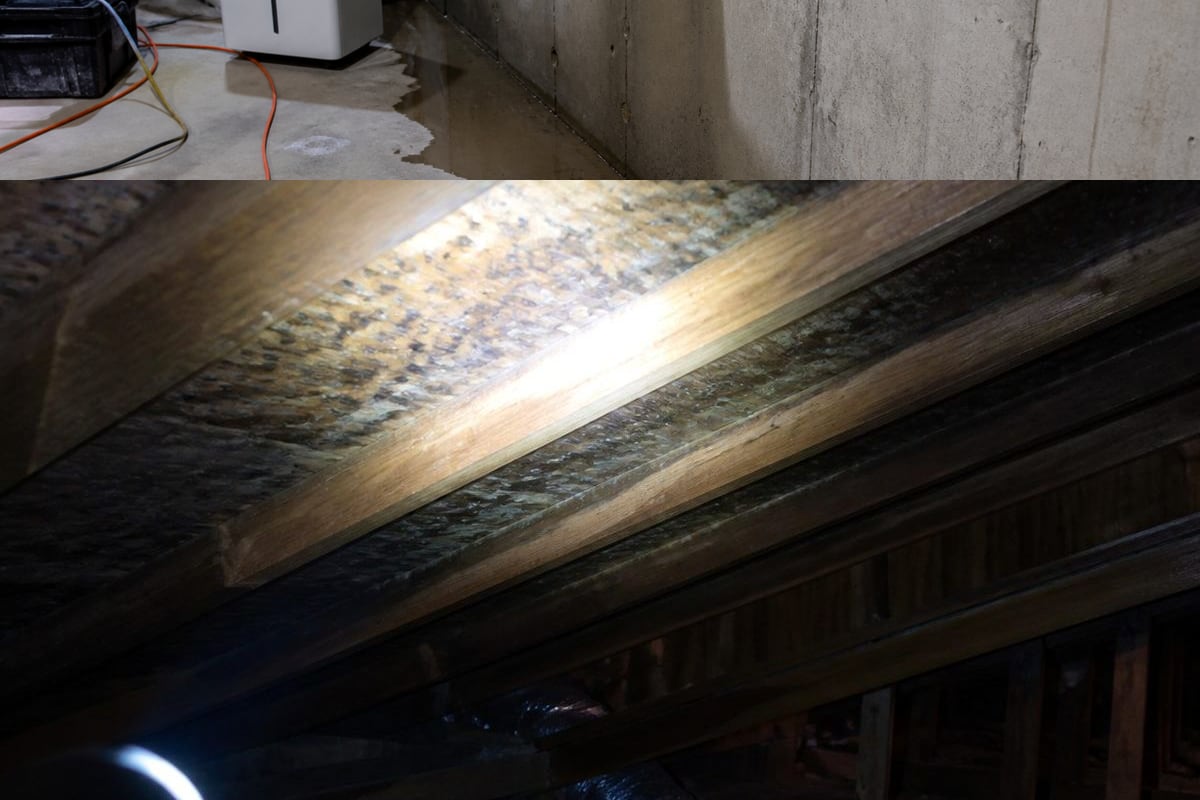
A commercial property damage claim lives or dies on paper, not just on the quality of the repair work. Adjusters, multiple policies, tenants, and sometimes business income coverage all depend on a documentation trail that most property owners have never fully mapped out before their first major loss. This checklist walks through every phase of that trail, from records you should be keeping before anything happens to the final package you submit to your insurer.
Why Commercial Claim Documentation Is More Extensive Than Residential
Commercial claim documentation is more extensive than residential documentation because commercial losses typically involve more stakeholders, higher claim values, and financial records that residential claims almost never require. A single-family home claim usually involves one homeowner and one policy. A commercial claim can involve a property manager, multiple tenants, several insurance policies covering different aspects of the loss, and a business income component tied to actual revenue history.
That complexity is not a reason to feel overwhelmed. It's a reason to organize documentation by category from the start rather than trying to reconstruct it later from memory.
Pre-Loss Records That Strengthen a Future Claim
The records you keep before a loss happens make the biggest difference in how smoothly your claim moves afterward. Baseline photos of the property in normal condition, an up-to-date asset register, and maintenance logs give an adjuster something concrete to compare post-loss damage against.
- Baseline photos or video of key spaces, taken periodically
- An asset register listing major equipment, fixtures, and contents with approximate values
- Maintenance and inspection logs for plumbing, roofing, and HVAC systems
- A current copy of your emergency contact directory, covered in Commercial Emergency Response Plan Template for Property Damage Emergencies
Documentation Fundamentals Every Commercial Claim Needs
Every commercial claim, regardless of size or cause, needs four fundamental categories of documentation working together: initial scene evidence, a mitigation timeline, financial records where business income applies, and completion verification. Missing any one category weakens the overall claim package, even if the other three are strong.
Initial Loss Documentation at the Scene
The documentation you capture in the first hour at the scene becomes the foundation every later document builds on. Take photos and video before any cleanup begins, note the exact time damage was discovered, and identify the apparent source if visible.
- Time-stamped wide shots of the affected area from multiple angles
- Close-up photos of specific damage points and any visible source
- Video walkthrough narrating what you're seeing as you record
- A written incident report noting discovery time, who was notified, and initial actions taken
- Names and contact information of anyone who witnessed the damage occur
Photos, Video, and Moisture or Damage Readings
Moisture readings taken by a restoration professional at the start of mitigation establish the extent of the loss in measurable terms, not just visual description. These readings, combined with photos, give the adjuster objective data rather than relying on written description alone.
Mitigation Evidence and Response Timeline
Mitigation evidence is the documented record showing when the loss was reported, when mitigation work began, and what specific steps were taken to prevent further damage. Insurers use this timeline to evaluate whether reasonable steps were taken to limit the loss, which directly affects claim outcomes.
- Date and time the loss was first reported to the restoration provider
- Date and time mitigation work actually began on-site
- Daily drying logs showing moisture readings and equipment placement
- Photos documenting equipment setup and progress at each visit
- Notes on any delays and the reason for them
The Business Income and Interruption Record
If your policy includes business interruption coverage, you need a separate financial record proving the actual revenue impact of the loss, since this typically requires documentation beyond the physical damage file. This record generally includes financial statements showing revenue history for comparison, the specific length of the interruption period, and any extra expenses incurred to keep the business operating during recovery.
Keep this financial record separate from the physical damage file but cross-reference the same incident timeline, since adjusters will compare the two. For more on how this connects to keeping the business running during the project itself, see Business Continuity During Property Restoration.
The Contents and Inventory Record
A contents and inventory record documents everything damaged or destroyed inside the affected space, separate from the structure itself. Photograph each damaged item individually where practical, note approximate age and condition before the loss, and reference your pre-loss asset register if one exists.
Restoration Scope, Estimates, and Invoices
The restoration scope document, along with itemized estimates and invoices, forms the record of what work was actually performed and what it cost. Keep every version of the scope if it changes during the project, along with dated invoices tied to specific work phases rather than a single lump-sum total. Reach out through contact form if you need a scope assessment for your property.
Clearance, Completion, and Verification Documents
Clearance and completion documents confirm the restoration work met the applicable completion standard and that the property is safe to reoccupy. This typically includes moisture-clearance testing results and a final walkthrough sign-off, and where specific standards apply, reference [details pending verification] for the exact protocol used.
- Final moisture-clearance readings compared against baseline
- Dated walkthrough sign-off from the restoration provider
- Any third-party clearance testing results, where applicable
- Photos of the completed, restored space
Organizing Documentation Across Multiple Policies
Commercial properties often carry more than one relevant policy, such as a general property policy alongside earthquake or specialty riders common in Greater Los Angeles, and organizing documentation across them prevents confusion and duplicate submissions. Keep a master timeline referencing every claim number, policy, and adjuster contact, with subfolders for each policy's supporting records. This makes it easier to track which policy covers which cost category and avoids submitting the same document twice under different claim numbers.
Submitting a Strong Commercial Claim Package
A strong claim package presents every category of documentation in a clear, organized sequence rather than as a loose collection of files, making it easier for the adjuster to process quickly.
- Compile pre-loss records and the initial scene documentation first
- Add the mitigation timeline and daily drying logs in chronological order
- Include the business income record, if applicable, as a separate section
- Attach the contents and inventory record
- Add the restoration scope, estimates, and invoices
- Close with clearance and completion documents
- Submit through your insurer's designated claim process, keeping a complete copy for your own records
Frequently Asked Questions About Commercial Restoration Documentation
What is the most important document to start a commercial insurance claim?
Photo and video documentation taken as soon as it's safe to do so, before any cleanup begins, is generally the most critical starting point. It establishes a baseline record of the damage that supports every document that follows, including mitigation evidence and repair estimates.
How is commercial claim documentation different from a residential claim?
Commercial claims typically involve more stakeholders, including tenants, multiple insurance policies, and business income coverage, along with higher claim values and additional record types like contents and inventory logs and business interruption financials that residential claims rarely require.
What is a mitigation evidence and response timeline?
It's a documented record showing when the loss was reported, when mitigation work began, and what steps were taken to prevent further damage. Insurers use this timeline to evaluate whether reasonable steps were taken to limit the loss.
Do I need separate documentation for business income loss?
Yes, if your policy includes business interruption coverage. This typically requires financial records showing revenue history, the length of the interruption period, and extra expenses incurred to keep operating, separate from the physical property damage record.
Does federal disaster assistance require different documentation than an insurance claim?
Federal disaster assistance programs generally have their own documentation requirements, which can overlap with but are not identical to insurance claim documentation. Check current requirements directly with the relevant agency, since program details and eligibility criteria change.
What are clearance and completion documents in a restoration claim?
These are the records confirming that restoration work met the applicable completion standard, such as moisture-clearance testing or a final walkthrough sign-off. They verify the property is safe to reoccupy and mark the formal close of the restoration phase of the claim.
How should a business owner organize documentation across multiple insurance policies?
Keep a master timeline referencing every claim number, policy, and adjuster contact, with subfolders for each policy's supporting records. This prevents duplicate submissions and makes it easier to track which policy covers which cost category.
Good documentation is the difference between a claim that moves smoothly and one that stalls on missing information. If you want help organizing a documentation approach for your property before a loss happens, or need support during an active claim, contact LA Water Damage at request a callback or through contact form.
---