
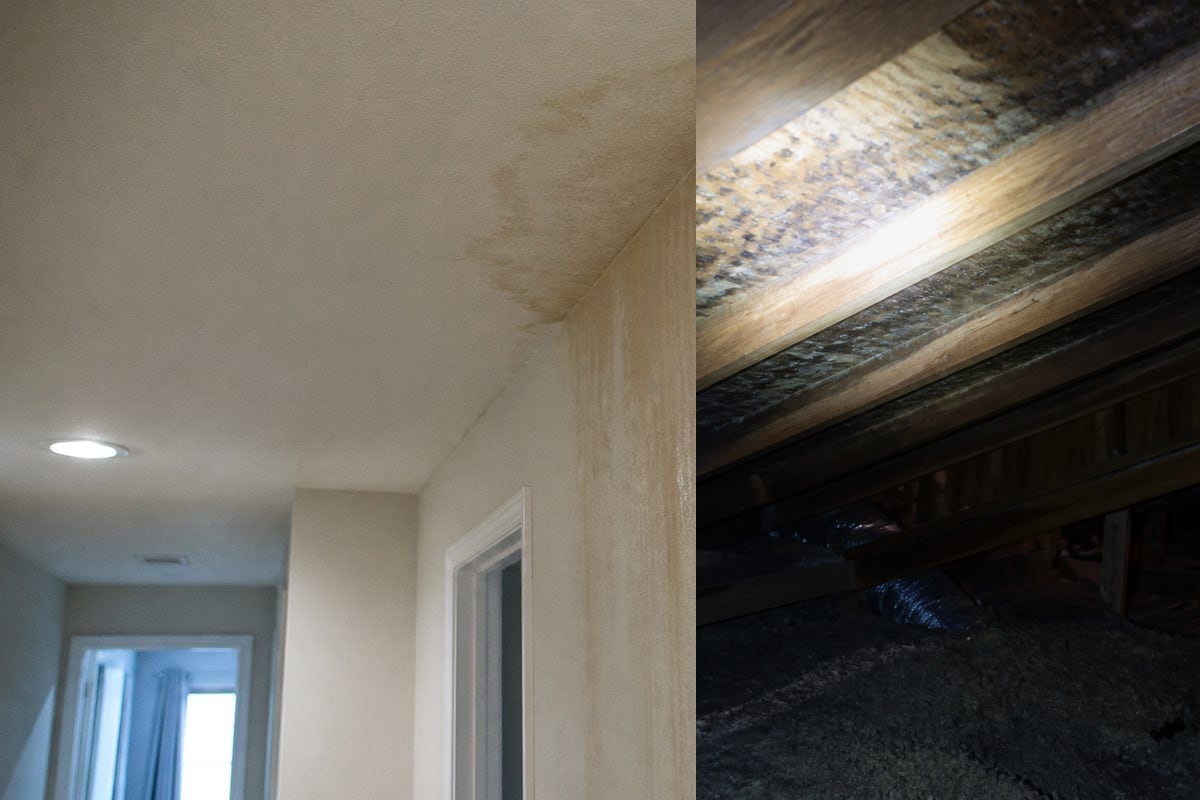
A burst pipe or sewage backup does not just damage a building. It threatens the revenue, staffing, and tenant relationships that depend on that building staying operational. For commercial property owners and facility managers across Greater Los Angeles, the real question after a loss is rarely just "how do we fix this." It's "how do we keep the business running while we fix it."
This article covers what business continuity actually looks like during an active restoration project, from phased work strategies to the documentation that protects your business interruption claim.
Restoration, Remediation, and Recovery: What Each Term Actually Means
Restoration, remediation, and recovery describe three related but distinct phases of responding to property damage. Remediation removes the hazard, restoration rebuilds the structure, and recovery is the broader process of returning the business to full operation.
Remediation typically refers to removing a hazard such as mold or contaminated material so it can no longer spread. Restoration refers to repairing and rebuilding the structure and contents afterward, returning the space to its pre-loss physical condition. Recovery is the wider umbrella term covering the full return to normal operations, including the business and financial side that restoration alone does not address. Many projects require remediation and restoration in sequence, with business recovery running in parallel the whole time.
How Property Damage Threatens Business Continuity
Property damage threatens business continuity by cutting off access to revenue-generating space, disrupting staffing schedules, and straining relationships with tenants or customers who depend on the property functioning normally. A retail space that closes for even a few weeks loses foot traffic it may not fully recover. A multifamily building with displaced tenants faces both revenue loss and habitability obligations at the same time.
The disruption compounds when communication breaks down. Tenants who don't know when they can return, or customers who show up to a closed storefront without warning, translate operational damage into reputational damage on top of the physical loss. This is why continuity planning has to start before the restoration work does, not after.
Minimizing Downtime and Protecting Revenue During Restoration
The single biggest lever for protecting revenue during restoration is isolating the damaged area so the rest of the property can keep functioning, rather than treating the whole building as closed by default. This is often possible even on significant losses, depending on the extent of damage and life-safety considerations.
Phased and Partial Restoration to Stay Operational
Phased restoration means containment barriers isolate the affected zone while work proceeds, and unaffected areas of the property continue operating on a normal or near-normal schedule. A multi-tenant retail center with water damage in one unit, for example, may be able to keep neighboring units fully open behind proper containment and air management, rather than closing the entire property.
| Approach | When It Works | Trade-Offs |
|---|---|---|
| Phased/partial restoration | Damage is localized, structure is stable, containment is feasible | Requires more coordination and containment setup |
| Full closure | Damage is widespread, structural or life-safety concerns exist | Simpler logistics, higher revenue loss |
Off-hours work is another common tactic, where noisy or disruptive phases of the project happen outside normal business hours to reduce operational conflict. Whether phased restoration is realistic for your property depends on a direct assessment, not a general rule, so this is worth discussing early with your restoration provider through contact form.
Prioritizing Critical Spaces and Equipment
Not every square foot of a commercial property carries equal weight for continuity. Identify the spaces and equipment that most directly generate revenue or support critical operations, such as a server room, a kitchen, a point-of-sale area, or a primary entrance, and prioritize those in the restoration sequencing conversation with your provider.
Building Pre-Loss Relationships With a Restoration Partner
The best time to choose a restoration company is before you need one, not during an active emergency when pressure and limited options narrow your decision-making. A pre-loss relationship means the provider already has basic property information on file and you've already reviewed their qualifications without the urgency of an ongoing loss shaping the decision.
What to Evaluate Before You Have an Emergency
Before adding a restoration provider to your continuity plan, evaluate the following:
- Licensing and relevant certifications ([details pending verification])
- Documented experience with commercial-scale losses, not just residential
- Service area coverage across Greater Los Angeles
- How the provider handles multi-stakeholder communication on larger properties
- Typical response availability ([details pending verification]), confirmed directly rather than assumed
- Willingness to discuss past commercial project experience openly, which is covered in more depth in How to Evaluate Commercial Restoration Case Studies and Track Records
Reach out through contact form to establish that relationship before you need one.
Communicating With Tenants, Staff, and Customers During Restoration
Clear, timely communication is what turns a disruptive restoration project into a manageable one for the people who depend on your property. Tenants and staff need to know what's happening, when, and what it means for them, even if the full timeline isn't certain yet.
Build a simple communication checklist into your continuity plan:
- Initial notice explaining what happened and immediate safety information
- Expected impact on access, parking, or operations
- A single point of contact for questions
- Habitability or relocation information for affected residential tenants, where applicable
- Regular updates, even short ones, rather than long silences between communications
Documentation That Supports Continuity and Insurance Claims
Documentation is what connects the physical restoration work to the financial side of recovery, particularly any business interruption coverage your policy includes. Photos, moisture logs, and a written incident timeline give both the restoration company and the insurer a clear record of what happened and when.
Keep a running file that includes time-stamped photos from before cleanup began, an incident log noting when the damage was discovered and reported, financial records showing revenue history for comparison, and records of any extra expenses incurred to keep operating during the disruption. A complete breakdown of what this file should contain is covered in Commercial Restoration Documentation Checklist.
Aligning Restoration Planning With Your Insurance Coverage
Many commercial policies include business interruption coverage, but the terms, triggers, and required documentation vary significantly by policy. Review your coverage with your insurance agent before a loss occurs, not after, so you understand what documentation the policy requires and avoid discovering a coverage gap only once damage has already happened.
Employee and Occupant Safety During Active Restoration Work
Whether it's safe for employees or occupants to remain on-site during active restoration depends on the type and extent of the damage, not a blanket rule. Restoration crews typically use containment barriers and air scrubbing equipment in affected zones to limit contamination and airborne particulates, but occupied areas outside the containment should still be evaluated case by case.
Ask your restoration provider directly about air quality monitoring practices and containment setup for your specific property before work begins. General OSHA workplace safety guidance applies to commercial job sites, and a responsible provider should be able to speak clearly to how their containment and safety practices align with it.
Testing and Updating Your Continuity Strategy Over Time
A continuity strategy that hasn't been tested is a theory, not a plan. Review it at least annually, walk through the phased-restoration approach with your restoration partner even when nothing is actively wrong, and update contact information and priority-space lists whenever your tenant mix, staffing, or building systems change. This pairs directly with the emergency response side of planning covered in Commercial Emergency Response Plan Template for Property Damage Emergencies.
Frequently Asked Questions About Business Continuity During Restoration
What is the difference between restoration and remediation?
Remediation typically refers to removing a hazard, such as mold or contaminated material, so it can no longer spread. Restoration refers to repairing and rebuilding the structure and contents afterward, returning the space to its pre-loss condition. Many projects require both remediation and restoration in sequence.
Can a business stay open while restoration work is happening?
In many cases, yes, particularly with phased or partial restoration that isolates the affected area with containment barriers while the rest of the property continues operating. Whether it's feasible depends on the extent of damage, safety considerations, and the specific space affected.
How far in advance should I choose a restoration company?
Establishing a relationship before a loss occurs, rather than searching during an active emergency, gives property owners time to review qualifications and response expectations without the pressure of an ongoing incident. Ask about licensing, service area coverage, and how the company handles commercial-scale losses.
What role does documentation play in business continuity after a loss?
Documentation connects the physical restoration work to the financial side of recovery, including business interruption insurance claims. Photos, moisture logs, and a written incident timeline give both the restoration company and the insurer a clear record of what happened and when.
Is it safe for employees to be on-site during active restoration?
It depends on the type and extent of damage. Restoration crews typically use containment barriers and air scrubbing in affected zones, but occupied areas should be evaluated case by case. Ask your restoration provider directly about air quality monitoring and containment practices for your property.
How does business continuity planning connect to a commercial insurance policy?
Many commercial policies include business interruption coverage, but the terms and triggers vary significantly by policy. Reviewing your coverage with your insurance agent before a loss occurs, and understanding what documentation it requires, helps avoid gaps discovered only after damage has occurred.
Business continuity during restoration comes down to preparation, clear communication, and documentation that holds up when your insurer reviews it. If you're building out a continuity strategy for your property or want to talk through what phased restoration could look like for your specific building, contact LA Water Damage at request a callback or through contact form.
---