
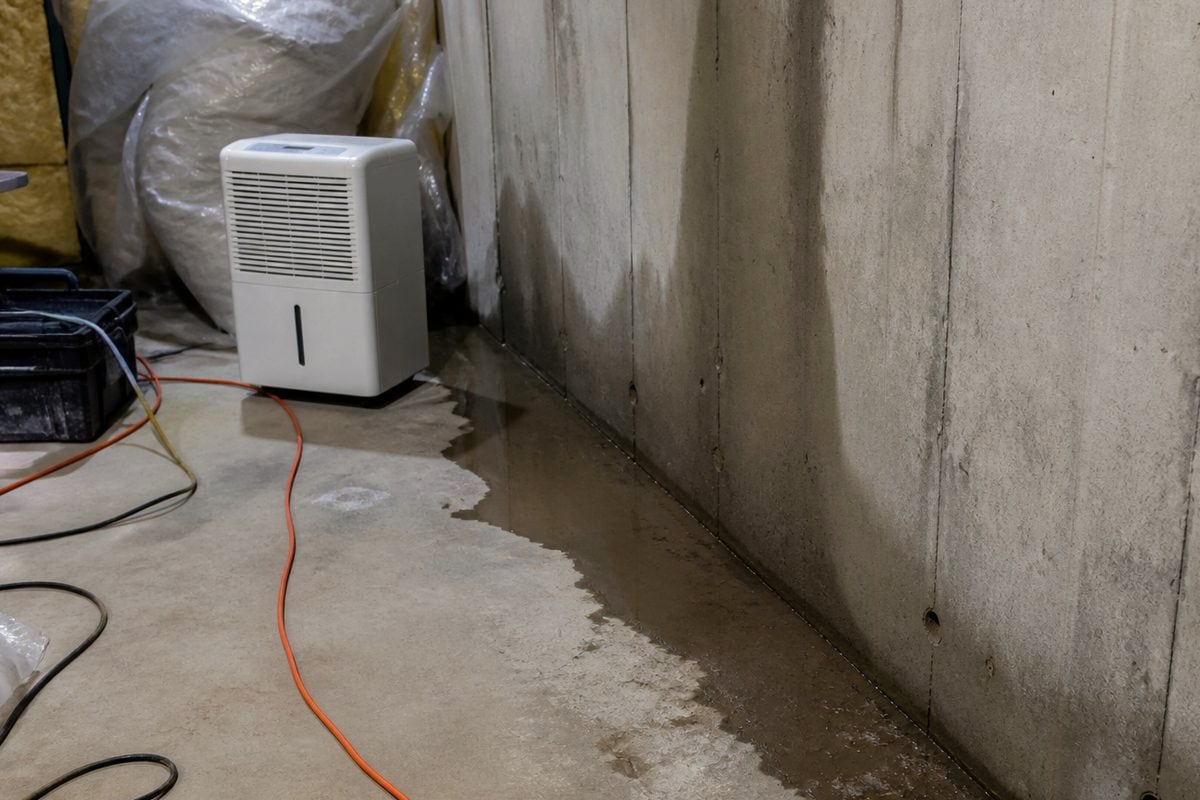
Before any water gets extracted or any drywall gets replaced, someone has to figure out exactly what happened, how far it spread, and what it means for your property. That's the inspection, and it's the step that determines everything that follows, including how much work is actually needed and whether your insurance claim holds up.
Most homeowners have never seen a water damage inspection happen and don't know what to expect walking in. This guide covers the full process step by step, the tools inspectors actually use, and the questions worth asking before you commit to any company's recommendations.
What Is a Water Damage Inspection?
A water damage inspection is a professional assessment that identifies the source of water intrusion, measures how far moisture has spread, and documents the scope of damage before any repair work begins. It's the diagnostic step that everything else depends on.
Unlike a quick visual walkthrough, a proper inspection uses specialized tools to detect moisture that isn't visible to the eye, including moisture trapped behind walls, under flooring, or inside insulation. The findings from this step directly shape whether you need mitigation, restoration, or both. Water Mitigation vs. Water Restoration: What's the Difference and Which Do You Need?
The Inspection Process, Step by Step
A water damage inspection typically follows a structured sequence designed to identify the source, classify the water, and map how far it traveled before any cleanup begins.
- Initial visual walkthrough — the inspector looks for obvious signs of damage, water stains, warping, and standing water.
- Source identification — determining where the water originated, whether that's a plumbing failure, roof leak, appliance malfunction, or external flooding.
- Category and class determination — classifying the water by contamination level and assessing how much moisture the affected materials absorbed.
- Moisture mapping — using tools to check walls, flooring, and ceilings well beyond the visibly wet area, since water travels along the path of least resistance, not in a neat, contained circle.
- Documentation — photographing damage and recording moisture readings, which supports both the repair plan and any insurance claim.
- Scope of work summary — outlining what mitigation and, if needed, restoration work the findings point to.
Identifying the Source of the Water
Finding the source matters because it determines whether the problem is actually fixed or just temporarily addressed. An inspector traces the water back to its origin, whether that's a failed supply line, a roof breach, or a slow leak that's been running for weeks, since treating symptoms without stopping the source guarantees the damage returns.
Determining the Category and Class of Water Damage
Category refers to contamination level, ranging from clean Category 1 water to grossly contaminated Category 3 black water. Class refers to how much moisture was absorbed and how hard the structure will be to dry, following the IICRC S500 Class 1 through 4 framework. Both classifications shape every decision that follows, from what personal protective equipment technicians use to how aggressive the drying plan needs to be.
Inspecting the Interior, Exterior, and Hidden Areas
A thorough inspection covers more than the room where the damage is obvious. Inspectors check adjacent rooms, wall cavities, subfloor, attic spaces if relevant, and exterior sources like roofing, gutters, or grading that might be feeding water into the structure. Hidden areas matter most in older Greater Los Angeles housing stock, where original plumbing and slab foundations can hide a leak for a long time before it surfaces.
Tools Inspectors Use
Water damage inspectors rely on a small set of specialized tools to detect moisture that isn't visible to the naked eye, which is what separates a real inspection from a casual walkthrough.
Moisture Meters
Moisture meters measure the moisture content inside a material, like drywall or wood, by contact or non-invasive scanning. Readings get compared against an unaffected reference area in the same structure to establish what "normal" looks like for that specific building.
Thermal Imaging Cameras
Thermal imaging cameras detect temperature differences on surfaces, which often indicate moisture presence behind walls or under flooring, even though the camera itself doesn't measure moisture directly. It's used alongside moisture meters, not as a replacement for them.
Hygrometers
Hygrometers measure relative humidity in the air, which helps technicians understand ambient conditions that affect both the current damage and the drying plan that follows. Some inspectors also use borescopes, a small camera on a flexible cable, to visually check inside wall cavities without cutting into drywall unnecessarily.
Warning Signs You May Have Water Damage
Certain visible and sensory cues often point to water damage even before any inspection happens, and catching them early can prevent a small problem from becoming a large one.
- Water stains or discoloration on ceilings, walls, or floors
- A persistent musty odor, especially in a room that wasn't recently cleaned
- Warped, buckled, or soft flooring
- Peeling, bubbling, or cracking paint or wallpaper
- Visible mold growth, especially in corners or near baseboards
- Unexplained increases in your water bill
- Soft or spongy drywall when pressed gently
If you're noticing any of these signs, scheduling an inspection sooner rather than later limits how far the damage can spread.
How Long Does a Water Damage Inspection Take?
A typical residential water damage inspection takes roughly an hour or two for most homes, though the exact time depends heavily on the property's size and how extensive the suspected damage is. Larger properties, commercial buildings, or situations involving multiple affected rooms understandably take longer. [details pending verification] for a specific estimate on your property.
Questions to Ask During an Inspection
Asking the right questions during an inspection helps you understand what you're actually paying for and whether the recommendations make sense for your specific situation.
- What category and class of water damage did you find, and what does that mean for the repair plan
- What [details pending verification] does your company hold
- What exactly does the scope of work include, and what's explicitly not included
- How will this documentation support my insurance claim
- What happens if hidden damage is found once work begins
- Is a written estimate provided before work starts
- What's the realistic timeline for the next steps
Asking a company directly about its licensing and certifications, rather than taking marketing claims at face value, is one of the simplest ways to protect yourself from post-disaster scams.
What You Can Safely Do Before Help Arrives
There are a few safe, useful steps you can take before an inspector arrives, as long as the situation doesn't involve contaminated water or electrical risk.
- Shut off the water source if you can safely locate it
- Turn off electricity to the affected area if outlets or fixtures are near water
- Move furniture, electronics, and valuables away from the wet area
- Take photos and video of the damage before touching anything
- Avoid walking through standing water that looks discolored or smells unusual
If there's any doubt about contamination or electrical safety, wait for a professional rather than risking direct contact. For anything beyond a small, contained, clean-water spill, professional assessment should come first.
What Happens After the Inspection
Once the inspection is complete, the findings translate directly into a mitigation plan and, if needed, a restoration plan, along with documentation you'll want for your insurance claim.
How Inspection Findings Lead to a Mitigation and Restoration Plan
The inspector's documented category, class, and moisture map become the basis for a scope of work. That scope determines what equipment gets deployed for mitigation and whether restoration, like drywall replacement or flooring repair, will be needed once the structure is confirmed dry. Water Mitigation vs. Water Restoration: What's the Difference and Which Do You Need?
Documentation for Insurance Claims
The photos, moisture readings, and written scope of work from your inspection form the backbone of your insurance claim. Insurers generally want to see clear evidence of the damage's cause and extent before approving coverage, so thorough inspection documentation directly affects how smoothly your claim moves.
Why a Thorough Inspection Matters
A thorough inspection matters because it's the only reliable way to catch hidden moisture before it turns into a much larger problem, like mold growth or structural weakening. A rushed or surface-level inspection can miss moisture that's already traveled well beyond the visibly wet area, leading to repairs that address the symptom but not the full extent of the damage. Getting this step right the first time protects both your property and your insurance claim.
Water Damage Inspections in Greater Los Angeles
Greater Los Angeles homes and buildings present specific inspection challenges, from pre-1960s clay pipe and galvanized supply lines that fail without much warning to slab foundations that can hide a leak for weeks before it surfaces anywhere visible. Renter-occupied multi-unit buildings, which make up a large share of LA's housing stock, add another layer of complexity when water damage crosses unit boundaries.
LA Water Damage inspects residential and commercial properties across Greater Los Angeles, using moisture mapping to find what a visual walkthrough alone would miss. Our team is [details pending verification]. Call request a callback or visit contact form to schedule an inspection.
Frequently Asked Questions About Water Damage Inspections
Is a water damage inspection free?
This varies by company and situation. [details pending verification]. Contact us directly to confirm current inspection terms for your property.
Do I need an inspection if the damage looks minor?
Yes, in most cases. Water can travel behind walls, under flooring, and into insulation where it's not visible, so a minor-looking spill can hide a larger moisture problem. A professional assessment is the most reliable way to confirm the true extent of damage.
What's the difference between an inspection and a full assessment?
The terms are often used interchangeably. Generally, an inspection identifies the source and visible extent of damage, while an assessment may go further to document category and class of water, moisture readings throughout the structure, and a recommended action plan.
How do inspectors find hidden water damage?
Inspectors use tools like moisture meters and thermal imaging cameras to detect moisture behind walls, under flooring, and in other areas not visible to the eye, comparing readings against unaffected reference areas.
Can I do my own water damage inspection?
You can look for visible warning signs like stains, odors, or warped materials yourself, but detecting hidden or extensive moisture typically requires professional tools and training. If you suspect damage beyond a small, visible spill, professional assessment is recommended.
What common mistakes do people make before an inspection?
Common mistakes include delaying the inspection, using regular household fans in contaminated water, and not documenting damage with photos before cleanup begins. Waiting can allow moisture to spread further or increase mold risk.
What happens if the inspection finds hidden damage?
The inspector documents the affected areas and typically recommends a mitigation and, if needed, restoration plan based on the category of water and extent of damage found. This documentation also supports any insurance claim you file.
An inspection is the step that makes every decision afterward more accurate, from your repair scope to your insurance claim. If you suspect water damage anywhere in your property, don't wait for it to become obvious. Call request a callback or visit contact form to schedule an assessment.
---