
Water is dripping through your ceiling and your first real question isn't "how do I stop this." It's "who pays for this." That's a normal reaction, not a selfish one. Water damage repairs in a Los Angeles home can run from a few hundred dollars for a small drywall patch to tens of thousands for a full structural dry-out, and most homeowners have no idea where their policy draws the line until they're standing in it.
This guide walks through what a standard homeowners policy typically covers, what it typically excludes, and what actually protects your claim in the first 24 hours. None of this replaces your actual policy documents or a conversation with your agent. Every insurer writes coverage slightly differently, and Los Angeles adds its own wrinkle: older housing stock with clay pipe, cast iron, and galvanized supply lines that fail in ways newer construction rarely does.
What Homeowners Insurance Typically Covers for Water Damage
Most standard homeowners policies cover water damage that is sudden and accidental, meaning it happened quickly and without warning rather than building up over months of neglect. This is the single most important distinction in the entire claims process, and it applies almost regardless of which carrier wrote your policy.
Dwelling coverage generally pays to repair the structure itself, from drywall and flooring to cabinetry. Personal property coverage typically applies to belongings damaged in the same event, from furniture to electronics. Coverage usually kicks in for scenarios like these.
- A supply line under the sink lets go overnight
- A water heater tank ruptures without warning
- A washing machine hose blows out mid-cycle
- Wind-driven rain enters through storm damage to your roof
Sudden Pipe Bursts and Plumbing Failures
A pipe that bursts suddenly, without prior signs of leaking, is the clearest example of covered water damage. Insurers view this as an unpredictable mechanical failure rather than something the homeowner should have caught and fixed earlier.
Los Angeles has a meaningful stake in this category. A large share of LADWP's water mains are more than 80 years old, and much of the city's older housing still runs on original galvanized or cast iron supply lines. Those materials corrode from the inside, and when they fail, it's often sudden even though the underlying wear took decades.
Appliance and Water Heater Failures
A washing machine hose that bursts, a dishwasher line that disconnects, or a water heater tank that ruptures is typically treated the same way as a burst pipe; it's accidental discharge, and standard policies commonly cover the resulting damage. The appliance itself may or may not be covered separately depending on your policy's personal property terms.
Storm- and Roof-Related Leaks
Rain that enters your home because wind or a fallen branch damaged your roof is usually covered as storm damage, since the roof failure was the sudden, external cause. This is different from a roof that has been slowly failing for years and finally lets water through, which insurers may treat as a maintenance issue instead.
Water Damage Categories and Classes Explained
What Homeowners Insurance Typically Does Not Cover
Standard homeowners insurance generally excludes water damage that developed gradually or resulted from a maintenance issue the homeowner could reasonably have caught. This is where most coverage disputes actually happen, and it's worth understanding before you ever file a claim.
- Gradual leaks and deferred maintenance. A slow drip under a sink that finally rots the cabinet floor after months is commonly treated as a maintenance failure, not a sudden loss.
- Sewer and drain backup without an endorsement. Standard policies frequently exclude sewage or drain backup unless you purchased a separate water backup rider.
- Groundwater seepage. Water that seeps up through a foundation, crawl space, or basement wall is usually excluded, since it's considered a chronic drainage or grading issue rather than an accident.
Gradual Leaks and Deferred Maintenance
Insurers generally expect homeowners to perform basic upkeep, and a leak that persisted long enough to cause visible warping, staining, or mold is often flagged during a claim review. Regular inspection of visible plumbing, especially in older LA homes, is one of the few genuinely preventive steps that also protects your coverage.
Sewer and Drain Backup (Without Add-On Endorsement)
If sewage has backed up into your home, check your declarations page for a water backup endorsement before assuming you're covered. Los Angeles's aging sewer infrastructure and heavy renter-occupied multifamily stock make backup incidents more common in older buildings than newer construction, which makes this endorsement worth confirming rather than assuming.
Groundwater Seepage in Crawl Spaces and Basements
Water rising from the ground rather than entering through a specific accidental event is typically treated as a long-term drainage problem. This matters more in Los Angeles than people expect, since the region's atmospheric-river winter storms can push saturated soil against foundations built decades ago without modern waterproofing.
Water Damage vs. Flood Damage: Why the Difference Matters for Your Policy
Water damage and flood damage are not the same thing to an insurance company, even though they can look identical once your floor is soaked. Water damage generally means an internal source, like a pipe or appliance, while flood damage means rising water from an external source like a storm or overflowing waterway.
| Situation | Typically Treated As | Common Coverage Source |
|---|---|---|
| Pipe bursts inside the wall | Water damage | Standard homeowners policy |
| Rain enters through a damaged roof | Water damage (storm-related) | Standard homeowners policy |
| Street flooding enters through the front door | Flood damage | Separate flood insurance policy |
| Rising groundwater during heavy rain | Flood damage | Separate flood insurance policy |
Standard homeowners insurance generally does not cover flooding from rising external water, which typically requires a separate flood insurance policy. This distinction has real weight in Los Angeles, where California's evolving FAIR Plan situation and the 2026 AB 1680 reform effort have put insurance access and coverage gaps in the news for homeowners statewide. If you're unsure whether your property carries flood coverage, confirm it directly with your carrier rather than assuming your homeowners policy has you covered.
Category and Class of Water Damage Can Affect Your Claim
The category and class assigned to your water damage during a professional assessment can shape both the scope of restoration work and the documentation behind your claim. Category refers to how contaminated the water is, while class refers to how much area and material has absorbed it.
Category 1 clean water, such as a supply line break, is treated very differently from Category 3 black water, such as a sewage backup, both in terms of health risk and required remediation steps. A restoration company's category and class notes, using standard industry terminology from the IICRC S500 framework, often become part of the documentation an adjuster reviews.
Water Damage Categories and Classes Explained
How Contaminated Water (Category 2/3) Changes the Claims Conversation
When water is contaminated, insurers and adjusters often expect more extensive documentation, since the remediation itself is more involved and typically requires specialized equipment and protective procedures. This doesn't change whether the underlying cause is covered, but it does change the size and complexity of the claim.
What to Do in the First 24 Hours to Protect Your Insurance Claim
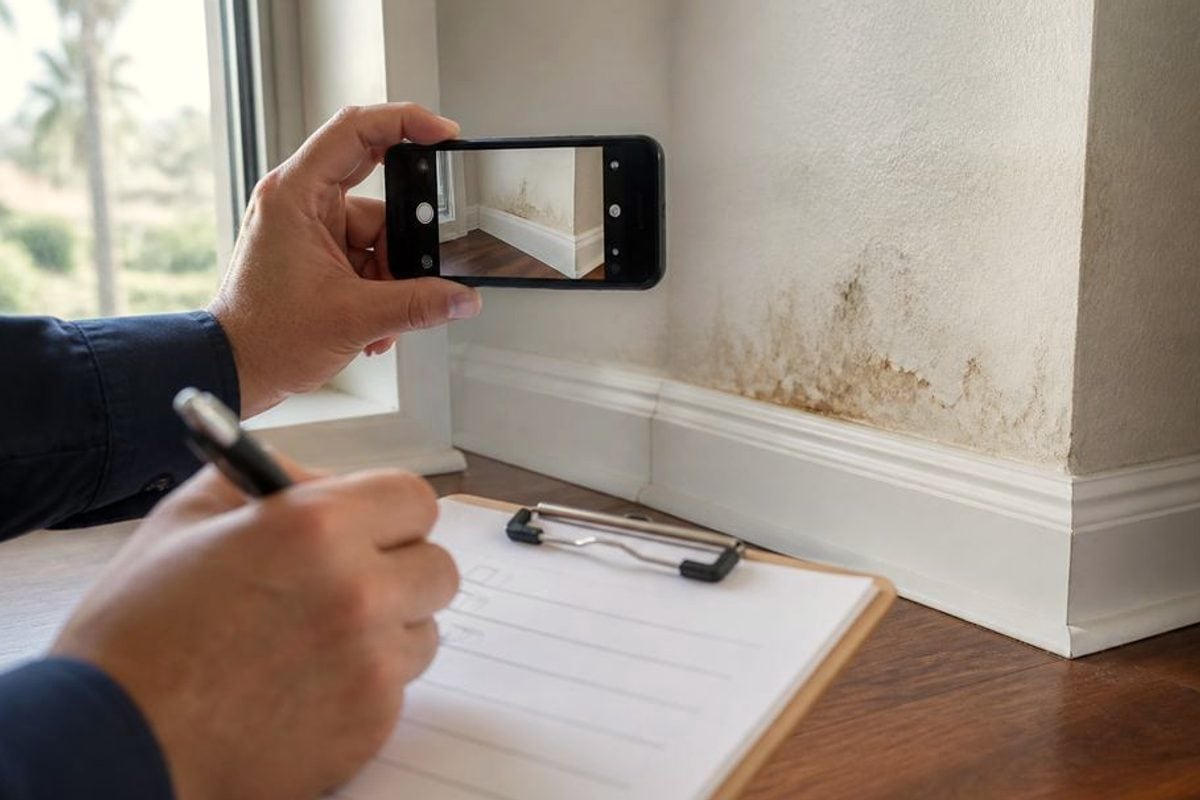
The single biggest factor in protecting your water damage claim is documenting everything before you start cleaning up. Insurers expect prompt notice and clear evidence, and both start in the first hours after you discover the damage.
- Shut off the water source if it's still active, using the main valve if you can't isolate the specific fixture.
- Photograph and video every affected area before moving anything or starting cleanup.
- Note the date and time you discovered the damage, since most policies require prompt reporting.
- Contact your insurance company to open a claim and ask what documentation they require.
- Call a restoration company to begin moisture assessment and mitigation, since most policies also require you to prevent further damage once you're aware of it.
Most policies place a duty on the homeowner to mitigate further loss once damage is discovered, which is one reason acting quickly matters for your claim, not just your home. If you need emergency water extraction, call request a callback to reach our team.
Stop the Source and Document Before You Touch Anything
It's tempting to start mopping up immediately, but pausing for photos first genuinely helps your claim later. A few extra minutes of documentation can prevent disputes over the extent of damage weeks down the line.
Photograph and Log Every Affected Area
Wide shots that show the whole room, close-ups of specific damage, and a simple written timeline all strengthen your file. Include damaged belongings, not just structural damage, since personal property claims often get less scrutiny when the documentation is thorough from the start.
Why Professional Moisture Readings Strengthen a Claim
A moisture meter reading taken by a restoration technician creates an objective, timestamped record of how far the water traveled, which is far more persuasive to an adjuster than a homeowner's visual description alone. This kind of documentation is exactly where a restoration company earns its place in the claims process.
How a Restoration Company Supports (Not Replaces) Your Insurance Process
A restoration company's role in your insurance claim is documentation and coordination, not negotiation or advocacy. LA Water Damage is not a public adjuster or a law firm, and we don't determine what your policy covers. What we do provide is the evidence that helps your claim move smoothly.
Documentation and Reporting Restoration Crews Typically Provide
Photo and video reporting, moisture mapping across affected rooms, and category and class notes using standard industry terminology are typical deliverables from a professional mitigation team. These records give your adjuster a clear, technical picture of the loss rather than a homeowner's best guess.
Working Alongside Your Adjuster: What to Expect
A restoration crew can coordinate scheduling with your adjuster's inspection and provide the technical documentation they request, which often speeds up the review process. The final coverage decision, including what's approved and at what value, always rests with your insurer. If you'd like documentation support during a claim, reach our team at request a callback or contact form.
Common Reasons Water Damage Claims Get Denied
Most water damage claim denials trace back to a handful of predictable issues, and understanding them ahead of time is one of the best ways to protect your own claim.
- Late reporting. Waiting weeks to report damage can undercut the "sudden and accidental" framing insurers look for.
- Evidence of pre-existing damage. Staining, warping, or mold predating the reported incident can suggest a longer-term issue.
- Lack of documentation. Claims with thin photo evidence and no professional moisture readings are harder to substantiate.
- Maintenance neglect. A slow leak the homeowner should have noticed and fixed is a common basis for denial.
- Missing endorsements. Sewer backup and certain other causes require add-on coverage that not every policy includes by default.
Water Damage Insurance Coverage Across Greater Los Angeles
Water damage insurance questions come up constantly across Greater Los Angeles, partly because the region's housing stock spans everything from 1920s bungalows with original plumbing to modern high-rise condos. [details pending verification] Older multifamily buildings, common throughout a renter-majority city like Los Angeles, often add another layer of complexity, since building owners and individual tenants may carry different types of coverage for the same incident.
If you're dealing with active water damage anywhere in Greater Los Angeles, our team can provide the documentation and mitigation support your claim needs. Reach us at request a callback or contact form.
Frequently Asked Questions About Water Damage Insurance Coverage
Does homeowners insurance cover a burst pipe?
Most standard homeowners policies treat a burst pipe as sudden and accidental damage, which is commonly covered, while damage traced to a slow, long-term leak is often excluded as a maintenance issue. Every policy differs, so confirm the specifics with your insurance agent before assuming coverage either way.
Is sewer backup covered by homeowners insurance?
Sewer and drain backup is frequently excluded from a standard policy unless you purchased a separate endorsement. If your Los Angeles home has experienced a sewage backup, check your declarations page for a water backup rider and call your agent to confirm.
Does homeowners insurance cover flood damage from heavy rain?
Standard homeowners insurance generally does not cover flooding from rising external water, which typically requires separate flood insurance. Rain that enters through a damaged roof or window, however, is often treated differently. Confirm the exact cause with your carrier.
Will my insurance cover mold caused by water damage?
Mold coverage is usually limited and often depends on whether the underlying water damage itself was covered and addressed promptly. Many policies cap mold remediation costs or exclude mold from prolonged, undetected moisture. Ask your insurer directly about mold sub-limits.
How quickly do I need to report water damage to my insurer?
Most policies require prompt notice, and delayed reporting is a common reason claims get denied or reduced. Report the loss to your carrier as soon as it's safe to do so, and keep dated photos and notes from the moment you discover the damage.
Can a restoration company help with my insurance claim?
A restoration company can document the damage with photos, moisture readings, and category and class notes that support your claim, and can coordinate scheduling with your adjuster. This is documentation support, not insurance advice or claims advocacy. The final coverage decision always rests with your insurer.
Does homeowners insurance cover water damage from an appliance like a washing machine?
Sudden appliance failures, such as a washing machine hose bursting, are commonly covered as accidental discharge. Damage from a slowly leaking appliance that went unaddressed for months is more often treated as a maintenance exclusion.
What's the difference between a water damage category and a water damage class?
Category refers to the water's contamination level, whether clean, grey, or black water. Class refers to the extent of the damage and how much material has absorbed moisture. Both affect how a restoration project, and sometimes a claim, gets scoped. Water Damage Categories and Classes Explained
Next Steps
Insurance questions rarely have a simple yes or no answer, and that's frustrating when your home is actively damaged. If you're dealing with water damage right now anywhere in Greater Los Angeles, our team can begin documentation and mitigation while you work through the coverage details with your insurer. Call request a callback or visit contact form to reach us.
---