
What Is Contents Restoration? A Property Owner's Guide
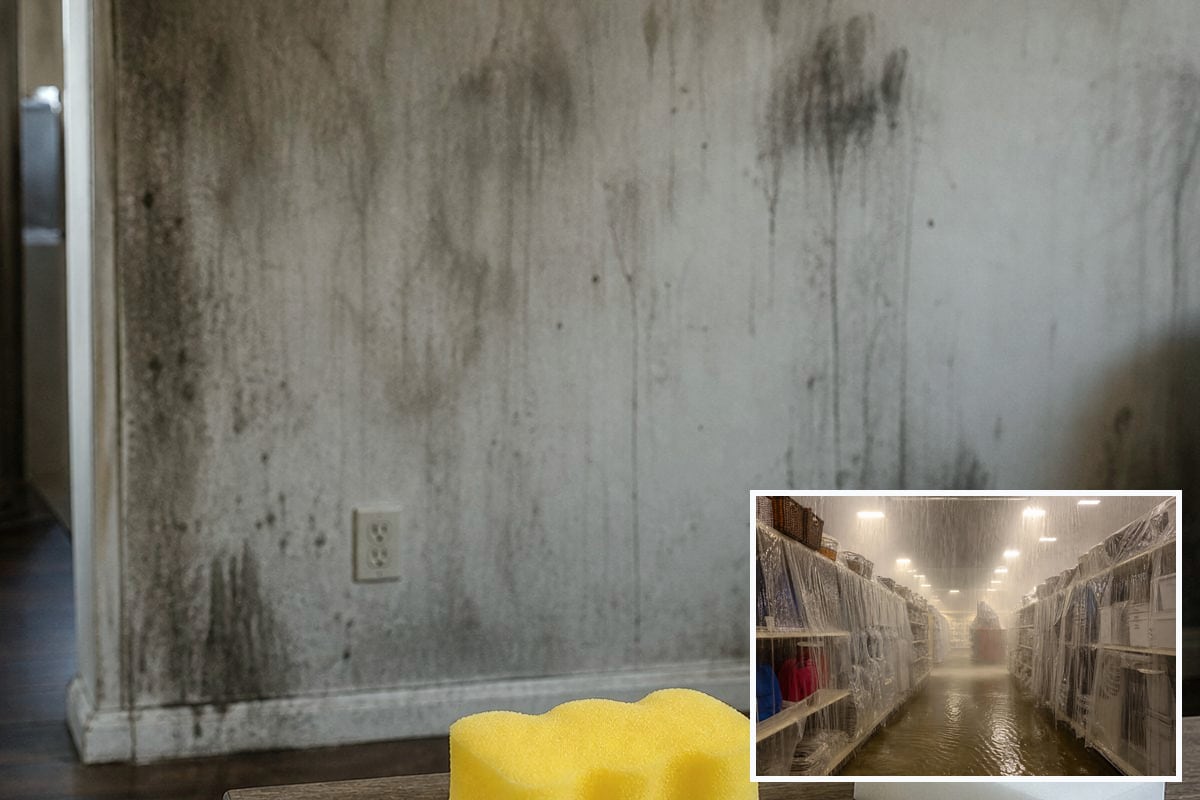
There's a particular kind of gut punch that hits when you're standing in a water-damaged living room looking at soaked photo albums, a smoke-stained couch, and a filing cabinet full of soggy documents, wondering if any of it is salvageable. Structural repairs get most of the attention in restoration conversations, but for most people, the belongings inside the house are what actually feel irreplaceable. This guide explains what contents restoration is, what can realistically be saved, how the process works, and how to think through the restore-versus-replace decision without guessing.
What Is Contents Restoration?
Contents restoration is the cleaning, repair, and recovery of personal belongings after fire, water, smoke, or mold damage, distinct from the structural work done on the building itself. The goal is to save and return items to pre-loss condition rather than replace them outright.
Where structural restoration deals with walls, flooring, and framing, contents restoration deals with everything you'd pack into a moving truck. That distinction matters because the two often run on separate timelines and involve different specialists, even on the same job.
Contents Restoration vs. Structural Restoration
Structural restoration addresses the building itself, drying, repairing, or rebuilding walls, floors, and fixed elements. Contents restoration addresses your possessions separately, often at an offsite facility, so specialized cleaning can happen safely while structural work continues without your belongings in the way.
What Items Can Be Restored?
Most categories of personal belongings, including fabrics, furniture, electronics, documents, and photographs, have established restoration techniques, though the outcome depends heavily on the type and extent of damage and how quickly restoration begins.
| Item Category | Common Damage Type | Typically Restorable? |
|---|---|---|
| Fabric and textiles | Water, smoke, mold | Often, depending on fiber type and contamination level |
| Photographs and documents | Water, fire, mold | Often, with specialized handling started quickly |
| Furniture | Water, smoke, fire | Depends on material and structural damage |
| Electronics | Water, smoke, corrosion | Sometimes, depends on how quickly it's assessed |
| Documents and paper products | Water, fire, mold | Often for water damage, more limited for fire |
| Other personal belongings | Varies | Case by case |
Fabric and Textiles
Clothing, upholstery, and linens affected by smoke or water can often be professionally cleaned and deodorized, though heavily contaminated or structurally weakened fabric may not be salvageable.
Photographs, Mementos, and Family Heirlooms
Specialized drying and cleaning techniques exist specifically for water-damaged, smoke-damaged, or mold-affected photographs and heirlooms. Speed matters enormously here. Photographs left wet for days are far less likely to be recoverable than ones addressed within the first 24 to 48 hours.
Furniture
Wood furniture can sometimes be dried, cleaned, and refinished. Upholstered furniture depends on how deeply water or smoke penetrated the cushioning and frame. Structural damage, such as swelling or warping in wood joints, sometimes makes restoration impractical.
Electronics
Water-affected electronics should not be powered on until assessed, since doing so can cause additional internal damage. Some devices can be professionally cleaned and restored if assessed quickly, while others with deep internal water intrusion may not be recoverable.
Documents and Paper Products
Important papers, from tax records to legal documents, can often be dried and stabilized after water damage using specialized freeze-drying or vacuum techniques. Fire-damaged paper is more limited in what can be recovered, depending on the extent of charring.
Other Personal Belongings
Items like artwork, rugs, and decorative objects are evaluated individually, since restoration techniques vary widely by material and the specifics of the damage involved.
When Do You Need Contents Restoration?
Contents restoration becomes relevant any time personal belongings are affected by fire, smoke, water, storm, or mold damage, with the appropriate approach varying depending on which type of damage occurred.
After Fire or Smoke Damage
Smoke odor and soot residue can affect items throughout a property, even ones not directly touched by flames, since smoke travels and settles on surfaces broadly.
After Water Damage or Flooding
Water-affected belongings need attention quickly, since prolonged moisture exposure leads to mold growth, material breakdown, and odor that becomes progressively harder to reverse.
After Storm Damage
Storm-related damage, including wind-driven rain intrusion common during Los Angeles's atmospheric-river winter storms, can affect belongings even in areas of a home that weren't obviously flooded.
After Mold Contamination
Items in a space with mold growth can become contaminated even without direct water contact, since spores travel through the air and settle on nearby fabrics and surfaces.
The Contents Restoration Process, Step by Step
The contents restoration process generally moves through assessment and inventory, pack-out to a secure facility, specialized cleaning and deodorization, and finally return and reinstallation once the space is ready.
- Assessment and inventory: Every affected item is documented, typically with photos and a written inventory, before anything leaves the property.
- Pack-out and secure storage: Belongings are packed and moved to a secure facility away from the active worksite.
- Cleaning and restoration: Items undergo specialized cleaning appropriate to the material and damage type.
- Deodorization and sanitization: Odor removal and sanitizing treatments address smoke, mold, or contamination odors that standard cleaning doesn't fully resolve.
- Return and reinstallation: Restored items are returned and placed back once the property is ready to receive them.
Assessment and Inventory
A documented inventory protects both you and your claim, establishing exactly what was affected and its condition before restoration work begins.
Pack-Out and Secure Storage
Pack-out means having your belongings inventoried, packed, and moved to a secure facility for cleaning away from the active worksite, protecting them from further damage while structural repairs happen.
Cleaning and Restoration
Specialized cleaning methods vary by material, from ultrasonic cleaning for hard items to specific fabric treatments for textiles. This work uses professional-grade equipment and products. It is not something to attempt with household cleaning supplies, particularly where smoke or mold contamination is involved.
Deodorization and Sanitization
Deodorization addresses lingering odor from smoke or mold that surface cleaning alone often can't fully remove, while sanitization reduces microbial contamination on affected items using professional-grade methods appropriate to each material.
Return and Reinstallation
Once the property is dried, repaired, or rebuilt as needed, restored items are returned and placed back in their original locations, completing the process.
Contents Restoration vs. Replacing Your Belongings
Whether restoring an item makes more sense than replacing it depends on the item's condition, its sentimental value, and its replacement cost, with a professional assessment usually clarifying which path fits your specific situation.
Cost Comparison Considerations [details pending verification]
[details pending verification] Restoration is often more cost-effective for furniture, electronics, and irreplaceable items, while heavily damaged low-value items may be more practical to simply replace. Not everything should be restored. Sometimes replacement is genuinely the better financial and practical choice, and a restoration company that says so directly is being straight with you rather than trying to save everything for the sake of a bigger invoice.
What Can't Be Replaced (Sentimental and Irreplaceable Items)
Family photographs, heirlooms, and items with sentimental rather than purely financial value deserve extra effort even when the cost-benefit math is less clear-cut than it would be for a piece of furniture, because no insurance payout replaces what those items actually mean to you.
Is Contents Restoration Covered by Insurance?
Many homeowners insurance policies cover contents restoration when it's tied to a covered loss, though coverage details, including whether your policy pays actual cash value or replacement cost, vary by policy.
What Adjusters Typically Look For
Adjusters generally want documentation of each item's pre-loss condition and value, along with a clear connection between the damage and a covered cause of loss. RCV vs ACV: How Insurance Payouts Work explains how your policy's payout structure affects what you actually receive for damaged contents.
Questions to Ask Before Pack-Out Begins contact form
Ask how items will be inventoried and documented, whether photos are taken before pack-out, and how the company communicates which items are being restored versus recommended for replacement. contact form
What to Do Right After a Disaster Affects Your Belongings
The most useful immediate steps are avoiding unnecessary handling of wet or damaged items, not powering on wet electronics, and getting a professional assessment started as quickly as possible, since time affects what's ultimately salvageable.
Immediate Steps to Protect Contents
Move unaffected items away from the damaged area if it's safe to do so. Avoid rubbing or wiping wet photographs, which can cause more damage than the water itself. Don't turn on electronics that got wet. Document the scene with photos before anything is moved, if possible.
When to Call a Professional request a callback
Speed matters, especially for water and mold-affected items, since damage and odor can worsen quickly. request a callback The sooner assessment and pack-out begin, the more items are typically salvageable.
How LA Water Damage Handles Contents Restoration in Greater Los Angeles
Our Process [details pending verification]
LA Water Damage documents and inventories belongings before pack-out on every Greater Los Angeles job, so property owners have a clear record of what was affected and how it's being handled. [details pending verification]
Licensing and Insurance [details pending verification]
Contents restoration work is carried out under applicable California licensing and insurance requirements. [details pending verification]
Frequently Asked Questions About Contents Restoration
What exactly is contents restoration?
Contents restoration is the cleaning, repair, and recovery of your personal belongings after fire, water, smoke, or mold damage, as opposed to the structural work done on the building itself. The goal is to save and return items to pre-loss condition rather than replace them outright.
Can sentimental items like photos and heirlooms actually be saved?
Often, yes. Specialized techniques exist for photographs, documents, and heirlooms damaged by water, smoke, or mold, though outcomes depend on the extent of damage and how quickly restoration begins. Not every item can be saved, but many that look ruined can be recovered.
Is it cheaper to restore my belongings or just replace them?
It depends on the item's condition, sentimental value, and replacement cost. [details pending verification] Restoration is often more cost-effective for furniture, electronics, and irreplaceable items, while heavily damaged low-value items may be more practical to replace. A professional assessment can clarify which makes sense for your situation.
Where do my belongings go during contents restoration?
Typically, items are inventoried, packed out, and moved to a secure facility for cleaning, deodorizing, and repair away from the active worksite. This protects them from further damage while structural repairs happen and allows specialized cleaning methods to be used safely.
Will my homeowners insurance pay for contents restoration?
Many policies cover contents restoration when it's tied to a covered loss, but coverage details vary by policy. contact form Ask your restoration company to document the condition and value of items before pack-out to support your claim.
How fast do I need to act to save my belongings?
Time matters, especially for water and mold-affected items, since damage and odor can worsen quickly. [details pending verification] The sooner assessment and pack-out begin, the more items are typically salvageable.
Next Steps
If fire, water, or mold has affected your belongings and you're trying to figure out what's salvageable, LA Water Damage can assess your contents and walk you through the restore-versus-replace decision honestly. Reach out in Greater Los Angeles at request a callback or contact form.