
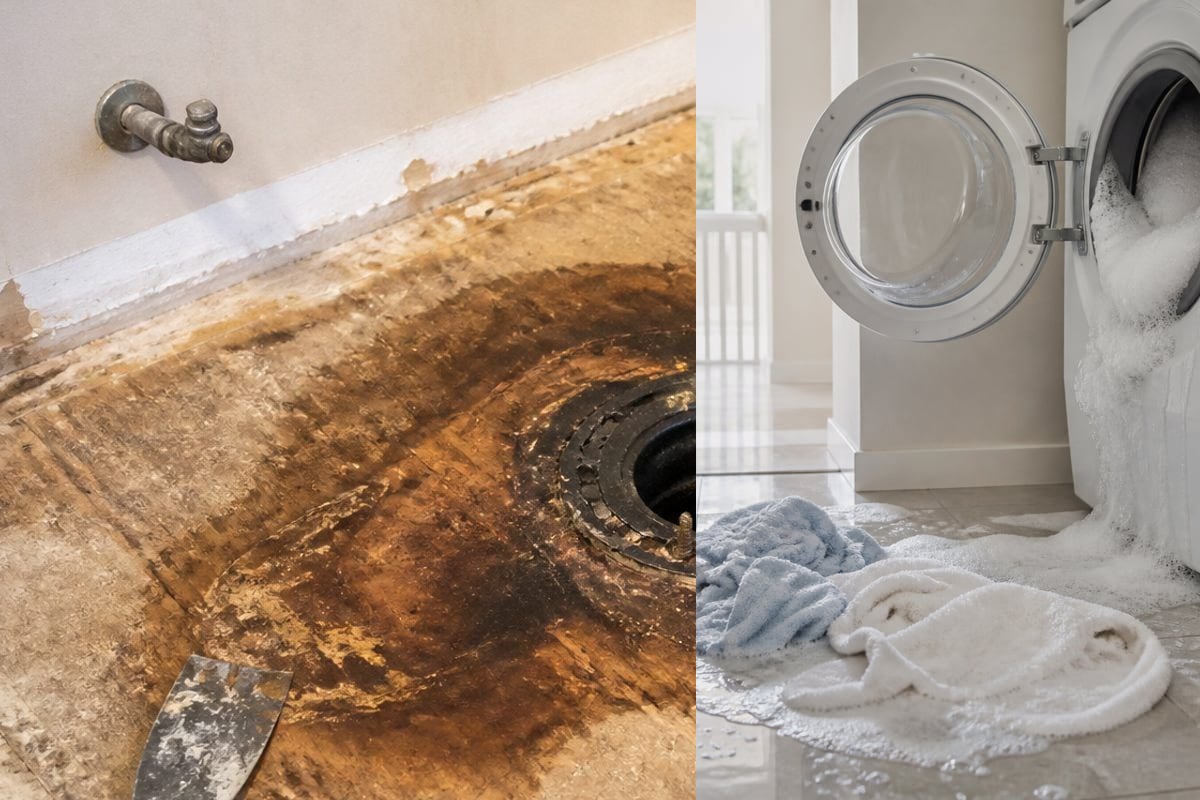
A burst supply line on the fourth floor of a Koreatown apartment building does not stay on the fourth floor. It runs down through electrical chases, soaks the unit below, and pools in a shared corridor before anyone even calls the front office. Multifamily damage moves fast and it moves sideways, through walls that single-family homeowners never have to think about.
Los Angeles has one of the highest renter populations of any major American city, and its apartment stock ranges from 1920s courtyard buildings to newer podium-style construction over parking garages. That mix creates a restoration challenge that most national guides never address, because most restoration content is written for a homeowner standing in their own kitchen, not a property manager coordinating twelve units, three insurance policies, and a building full of understandably upset residents.
This guide is written for that property manager, that HOA board member, and that condo owner who needs a straight answer about what happens next.
Why Multifamily Water, Fire, and Mold Damage Is Different From a Single-Family Home
Multifamily damage differs from single-family damage because one failure point, a burst supply line, a kitchen fire, or a cracked drain stack, can affect dozens of units and shared systems at once, requiring coordination across ownership, management, and multiple insurance policies simultaneously.
A single-family homeowner deals with one insurance adjuster and one household's belongings. A multifamily event usually involves a master policy holder, several individual tenant or condo-owner policies, a property management company, and sometimes an HOA board, all of whom need accurate information at the same time.
Shared Plumbing, Shared Risk — How One Unit's Failure Spreads
Most apartment buildings share vertical plumbing chases, meaning a supply line failure on one floor can send water through walls and ceilings into units several floors below within minutes. Older buildings with galvanized steel supply lines are especially prone to sudden pinhole leaks after decades of internal corrosion, a known issue across much of Los Angeles's pre-1980s housing stock.
Common Areas, Corridors, and Amenity Spaces Complicate Cleanup
Corridors, stairwells, laundry rooms, and lobbies are used by every resident, so damage there cannot simply be closed off the way a single bedroom can. Restoration crews often need to maintain at least one clear, safe path through common areas at all times, which changes how equipment gets placed and how long drying takes.
Los Angeles Building Stock: Aging Pipes, Post-War Construction, and Podium-Style Apartments
Los Angeles apartment stock spans several distinct eras, each with its own failure pattern. Pre-1960s buildings often still have galvanized or cast iron supply lines nearing the end of their service life. Post-war wood-frame buildings are common targets for California's soft-story retrofit rules, discussed later in this guide. Newer podium-style construction, meaning wood-frame residential units built above a concrete parking podium, introduces a different risk: water intrusion at the podium deck can be harder to trace and can affect the parking structure below as well as units above.
What to Do in the First 60 Minutes of a Multifamily Water, Fire, or Sewage Emergency
Shut off the water source if it is safely accessible, then call your property manager and a restoration company immediately. Speed in the first hour has more effect on total damage and mold risk than almost any decision made later in the process.
For Property Managers and HOA Boards
Locate the building's main shutoff and any per-unit shutoffs before an emergency happens, not during one. When damage occurs, document the affected units and common areas with photos, notify residents of immediate safety issues, and contact both your master insurance carrier and a restoration company. Water Damage Restoration Process in Los Angeles: What to Expect walks through what happens once crews arrive.
For Individual Tenants and Unit Owners
If water, smoke, or sewage affects your unit, move valuables away from the source if it is safe, take photos before touching anything, and notify your property manager or landlord right away. Do not assume someone else has already reported it. Your own renters or HO-6 policy may cover your belongings separately from the building's master policy.
When to Call request a callback vs. When to Call 911
Call 911 first for any life-safety issue, active fire, gas smell, or electrical hazard. Once the scene is safe, call request a callback to begin water extraction, structural drying, or fire cleanup before damage compounds overnight.
The Multifamily Restoration Process, Step by Step
Multifamily restoration generally follows five stages, though the order and overlap depend on the type of damage and how many units are affected.
- Emergency water extraction or fire scene stabilization
- Structural drying with industrial dehumidification and airflow equipment
- Damage assessment across affected units and shared systems
- Remediation work, including mold treatment, odor removal, or demolition of unsalvageable materials
- Reconstruction and final inspection before residents return
Water Extraction and Structural Drying in Multi-Unit Buildings
Water extraction removes standing water first, then dehumidifiers and air movers pull moisture out of walls, subfloors, and ceiling cavities over several days. In multi-unit buildings, drying often needs to happen simultaneously in more than one unit, since water rarely stays confined to where it started.
Fire and Smoke Damage Restoration in Shared-Wall Construction
Smoke travels through shared HVAC returns, wall cavities, and corridors far beyond the unit where a fire started. Even units with no visible fire damage may need smoke odor treatment and soot cleaning, which is often the part residents are most surprised by. Fire and Smoke Damage Restoration in Los Angeles covers the technical process in more depth.
Mold Remediation Across Adjoining Units
Mold can grow within 24 to 48 hours in moisture-affected drywall, so any unit adjoining a water event should be inspected even without obvious staining. Containment barriers and negative air pressure, which keeps contaminated air from escaping a work zone, are standard practice when treating mold near occupied units. Mold Remediation in Los Angeles: A Homeowner's Guide explains the remediation process in full.
Sewage Backup Cleanup in Common Lines
A blocked or broken common sewer line can back up into multiple units at once, and sewage is classified as Category 3 water, meaning it is grossly contaminated and requires specialized cleanup and disposal of affected porous materials. This is not a situation for do-it-yourself cleanup in a shared building.
Contents Pack-Out, Inventory, and Storage for Displaced Residents
When a unit needs extended drying or reconstruction, crews may pack out belongings, inventory them, and move them to climate-controlled storage until residents can return. A written inventory protects both the resident and the restoration company if any dispute arises later.
Keeping Residents Safe and Informed During Restoration
Clear, timely communication reduces resident frustration more than almost any other single factor during multifamily restoration, even when the news is not good.
Temporary Relocation and Additional Living Expense Coordination
Not every water or fire event requires residents to leave. Minor, contained damage with functioning utilities often allows people to stay in place while drying equipment runs. Larger events involving unsafe structural conditions, contaminated water, or extended reconstruction usually do require relocation, and additional living expense coverage, often called ALE, can help offset temporary housing costs under a tenant's or owner's policy.
Communicating With Tenants: Notices, Timelines, and Expectations
Residents want three things during restoration: what happened, how long it will take, and what they need to do. Written notices posted in common areas, combined with direct updates to affected units, prevent rumors and reduce the volume of individual calls to the front office.
Occupied-Site Safety Protocols During Active Repairs
Reputable crews use containment barriers, negative air machines for mold work, and clearly marked equipment to keep occupied buildings safe during active repairs. Ask your restoration company how they plan to protect residents who are not directly affected but still live nearby.
Cost and Insurance for Multifamily Restoration in Los Angeles
Multifamily restoration cost and coverage depend on which policy applies, since master policies, individual condo-owner HO-6 policies, and renters insurance each cover different pieces of the same event.
Master Policy vs. Individual Tenant/Condo-Owner (HO-6) Coverage
| Damage Type | Typically Covered By | Notes |
|---|---|---|
| Building structure, shared plumbing, common areas | Master policy | Held by HOA or building owner |
| Interior finishes in a condo unit | HO-6 policy or master policy, depending on the building's bylaws | Check your specific building's insurance documents |
| Personal belongings | Individual renters or HO-6 policy | Master policy generally excludes contents |
| Loss of use / temporary housing | Depends on which party's coverage applies | Confirm with your specific carrier |
What Typically Drives Cost Up or Down [details pending verification]
Cost tends to rise with the number of affected units, the presence of Category 2 or 3 contaminated water, and how long the building sat wet before crews arrived. [details pending verification]. Choosing the lowest bid over the most thorough one is a common false economy, since incomplete drying often leads to recurring mold and a second, more expensive round of work later.
Working With Property Management Companies and Adjusters
Property managers often coordinate directly with insurance adjusters on behalf of the building, while individual tenants deal with their own carriers for contents. Clear documentation from the restoration company, including moisture readings and photos, helps both processes move faster.
Seismic Retrofit and Structural Considerations After Major Damage
Major structural repair after fire or water damage can intersect with California's mandatory seismic retrofit rules for certain older apartment buildings, even though restoration itself does not automatically trigger a retrofit requirement.
California Soft-Story Retrofit Ordinances and Restoration Timing
A soft-story building is a wood-frame structure with a weak first floor, often due to ground-level parking or large window openings, that is vulnerable to collapse in an earthquake. Los Angeles has mandated retrofits for identified soft-story buildings for years, and if your building falls under that mandate, restoration work may need to align with retrofit timing and permitting.
When Restoration Overlaps With Required Structural Upgrades
If damage affects a wall or floor system that is also part of a required retrofit, it is worth asking your contractor and structural engineer whether combining the work makes sense. Doing so once, rather than twice, usually saves both money and resident disruption.
How to Vet a Multifamily Restoration Company in Los Angeles
The right restoration company for a multifamily building should carry active California contractor licensing, appropriate insurance, and clear experience with occupied, multi-unit properties, not just single-family homes.
Licenses, Certifications, and Insurance to Ask About [details pending verification]
[details pending verification]. At minimum, confirm active California contractor licensing and general liability coverage before signing anything, and ask directly whether the crew has handled occupied multifamily buildings before.
Response Time Expectations [details pending verification]
[details pending verification]. Response speed varies by provider, time of day, and location across Greater Los Angeles, so confirm current availability directly rather than assuming a generic promise applies to your address.
Questions to Ask Before You Sign a Work Authorization
Ask who will be the single point of contact for the building, how residents will be notified of daily work schedules, how contents are inventoried, and how the company documents damage for insurance purposes. A company that answers these clearly, without vague reassurance, is usually the safer choice.
Related Multifamily Property Damage Services
Multifamily restoration often overlaps with a few adjacent services that property managers should know about before an emergency, not during one.
Asbestos and Lead Testing in Older LA Buildings
Buildings constructed before 1980 may contain asbestos in flooring, insulation, or joint compound, and buildings before 1978 may have lead-based paint. Testing before demolition or reconstruction work is standard practice and often required by law in older Los Angeles buildings.
Odor Removal and Deep Sanitation
Smoke, sewage, and prolonged moisture can leave lingering odors even after visible damage is repaired. Deep sanitation and odor treatment, sometimes using ozone or hydroxyl equipment, address what standard cleaning cannot.
Insurance Documentation and Billing Support
Detailed moisture logs, photos, and scope-of-work documentation from your restoration company make claims easier for both the master policy and any individual tenant claims tied to the same event. Property Damage Insurance Resources for California Homeowners covers this process in more detail for individual owners.
Frequently Asked Questions About Multifamily Restoration in LA
Do I need to evacuate my apartment during water damage restoration?
Not always. Minor unit-level water damage often allows residents to stay, especially once standing water is removed and drying equipment is running. Larger events involving structural drying, mold risk, or safety hazards may require temporary relocation. contact form to discuss your specific situation.
Who pays for water damage repairs in an apartment, the landlord or tenant?
Generally, the building's master insurance policy covers structural and common-area damage, while a tenant's own renters or HO-6 policy covers personal belongings. Responsibility depends on the cause of damage and lease terms, so always confirm with your insurer and property manager.
How fast can a restoration company respond to a multifamily emergency in LA?
Response speed depends on the provider, time of day, and building location across Greater Los Angeles. [details pending verification]. Call request a callback to confirm current availability for your address.
Does restoration work trigger California seismic retrofit requirements?
Not automatically, but major structural repair or reconstruction can intersect with Los Angeles's mandatory soft-story retrofit ordinances for older wood-frame apartment buildings. It is worth asking your contractor whether your building falls under a retrofit mandate before repairs begin.
Can restoration crews work while the building stays occupied?
Yes, in most cases. Reputable multifamily restoration teams follow occupied-site safety protocols, containment barriers, negative air pressure for mold work, and scheduled communication with residents, to minimize disruption while work continues.
What certifications should I look for in a multifamily restoration contractor?
[details pending verification]. At minimum, confirm active California contractor licensing and appropriate insurance coverage before authorizing work.
How long does apartment building water damage restoration typically take?
Timelines vary widely based on the number of units affected, material types, and drying conditions. A single unit may take days, while multi-unit or structural damage can take considerably longer. Ask your contractor for a project-specific estimate in writing.
Get Emergency Multifamily Restoration Help in Los Angeles
Multifamily damage is rarely simple, and it is not something a property manager should have to sort out alone at ten o'clock at night with three worried tenants on the phone. Whether you are managing a small courtyard building in Silver Lake or a larger complex near Downtown LA, getting an experienced team on-site quickly limits both the physical damage and the disruption to residents.
Contact LA Water Damage contact form
Call request a callback or visit contact form to reach LA Water Damage for multifamily water, fire, mold, and sewage restoration across Greater Los Angeles.
---