
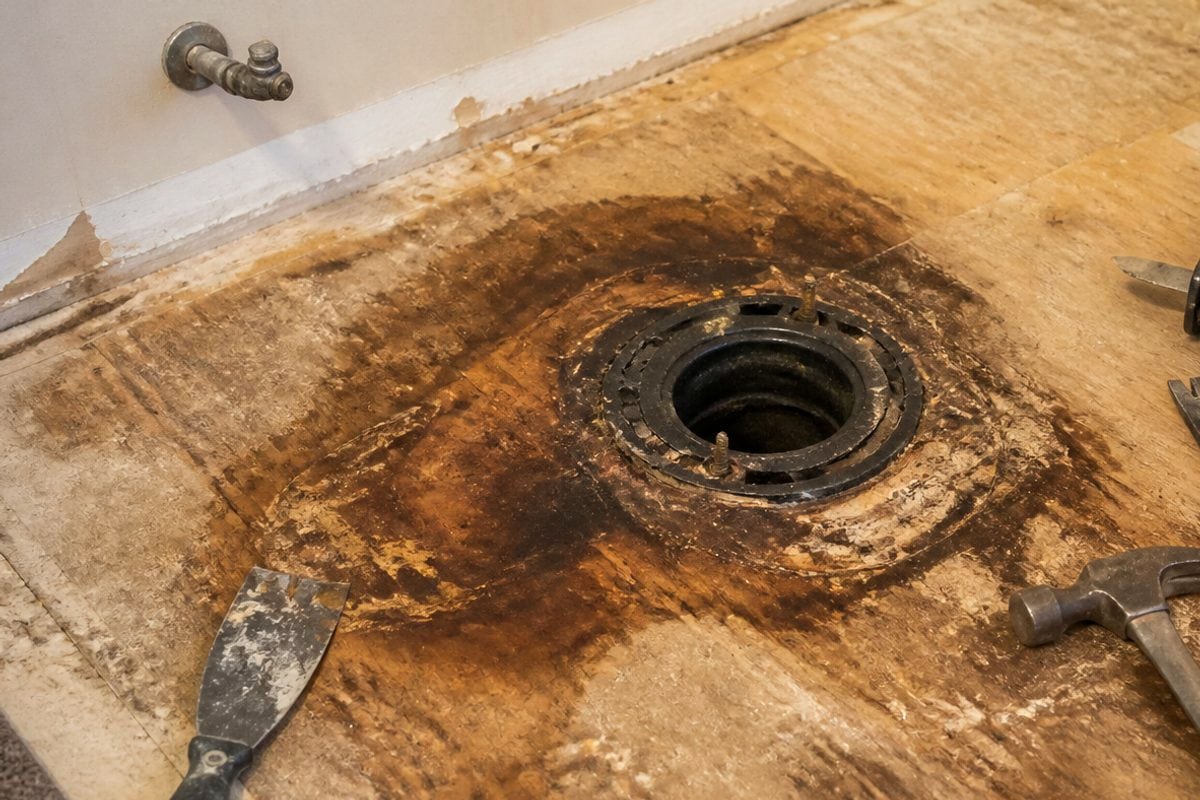
Water damage rarely stays where you can see it. It travels behind walls, under flooring, and into cavities that look completely normal from the outside. Moisture mapping is how restoration professionals find that hidden water and track it through the drying process. Here's what it actually involves, how to read one if you're handed a moisture map, and when it genuinely matters for your situation.
What Is Moisture Mapping?
Moisture mapping is the process of measuring and documenting moisture levels across an affected area using a moisture meter, then comparing those readings to an unaffected baseline to identify hidden water damage. It goes beyond a visual inspection, giving restoration teams actual data on where moisture is elevated and by how much.
Rather than relying on what looks wet or dry, moisture mapping uses instrument readings taken at multiple points, often recorded against a floor plan, to build a clear picture of the affected area. This map then guides the drying plan and gets checked repeatedly to confirm progress.
Why Moisture Mapping Matters in Water Damage Restoration
Moisture mapping matters because it finds water damage that isn't visible, directs the drying plan to where it's actually needed, and creates a documented record that supports insurance claims. Without it, drying efforts can miss hidden moisture pockets entirely.
Finding Hidden Water Damage
A room can look and feel completely dry while the wall cavity behind it or the subfloor beneath it is still holding significant moisture. Moisture mapping catches this by measuring inside the material itself, not just judging by appearance or touch.
Guiding the Drying Plan
Once elevated moisture areas are identified, equipment placement and drying strategy are built around the actual data rather than a general assumption about where water likely spread. This targeted approach is more efficient and more thorough than treating an entire space uniformly.
Preventing Mold and Secondary Damage
Because moisture mapping identifies hidden dampness early, it helps prevent the kind of prolonged, undetected moisture that leads to mold growth and further structural damage. Mold Inspection and Remediation After Water Damage
Supporting Insurance Claim Documentation
A documented moisture map, with dated readings taken over the course of drying, provides objective evidence of the extent of damage and the drying process. This can meaningfully support an insurance claim by showing both the scope of the loss and confirmation of when the affected area reached an acceptable dryness standard.
How Moisture Mapping Works
Moisture mapping works by taking an initial set of baseline readings, mapping moisture levels across the entire affected area, and then repeating those readings throughout the drying process to track progress. It is not a one-time measurement but an ongoing process that runs alongside drying.
Initial Assessment and Baseline Readings
A technician starts by taking moisture readings at unaffected reference points in the same structure, establishing what a normal, dry reading looks like for that specific building's materials. This baseline is essential, since acceptable moisture levels vary by material and even by building.
Mapping the Affected Areas
Readings are then taken systematically across the affected area, often at multiple points per room, and recorded, sometimes overlaid on a floor plan to visually show where moisture is elevated relative to the baseline. This creates the actual "map" the process is named for.
Ongoing Monitoring Through the Drying Process
Moisture mapping doesn't stop after the first visit. Readings are taken repeatedly throughout drying to confirm that moisture levels are trending back toward the baseline. How Water Extraction Works and How Structural Drying Works cover the two processes moisture mapping most directly supports.
Tools Used in Moisture Mapping
Moisture mapping relies primarily on pinless and pin-type moisture meters, sometimes supplemented by thermal imaging cameras, to measure and locate moisture within building materials. Each tool serves a slightly different purpose in building a complete picture.
| Tool | How It Works | Best Used For |
|---|---|---|
| Pinless (non-invasive) meter | Uses electromagnetic signals to scan moisture below the surface without damaging material | Quick scanning across large areas without marking surfaces |
| Pin-type (invasive) meter | Uses two small probes inserted into the material to measure moisture content directly | Precise readings at specific points, including inside cavities |
| Thermal imaging camera | Detects temperature differences that often indicate moisture behind walls or under flooring | Locating areas that need closer inspection with a moisture meter |
Pinless (Non-Invasive) Moisture Meters
These meters scan a surface without penetrating it, using electromagnetic signals to detect moisture below the surface. They're useful for quickly checking large areas, like a wall or floor, without leaving any marks.
Pin-Type (Invasive) Moisture Meters and Probes
Pin-type meters use two small probes inserted directly into the material, giving a precise reading of moisture content at that exact point. These are often used to confirm a reading from a pinless scan or to check inside cavities that a surface scan can't fully assess.
Thermal Imaging Cameras
Thermal cameras don't measure moisture directly. They detect temperature differences, since wet materials often read cooler than dry ones nearby, which helps technicians identify areas that need a closer look with an actual moisture meter.
Reading and Understanding Your Moisture Map
A moisture map shows relative moisture levels compared to a dry baseline, which means an area can register as "damp" even if it looks and feels completely dry to the touch. This confuses a lot of homeowners looking at their first moisture map, and it's worth explaining clearly rather than glossing over.
Why a "Dry" Area Can Still Show Damp Readings
Materials can hold moisture below the surface that isn't visible or detectable by touch. A moisture meter measures the actual moisture content within the material itself, which is why a spot that looks and feels dry can still register as elevated compared to a normal, dry baseline reading taken elsewhere in the same structure. This isn't a sign something went wrong. It's the whole point of using instruments instead of relying on appearance.
Why Moisture Maps Change Over Time
Moisture maps are taken repeatedly throughout the drying process, and readings should generally trend toward the baseline over time as drying equipment does its work. If readings plateau or fail to improve across multiple checks, it can indicate that drying equipment needs adjustment or that a moisture source hasn't been fully addressed yet.
When Is Moisture Mapping Used?
- After any flooding event, to confirm the full extent of water spread beyond what's visible
- Following a leak that was discovered after it had time to spread, such as a slow supply line leak
- As part of documentation for an insurance claim related to water damage
- Throughout a structural drying job, to confirm progress and completion
- Any time visible drying seems complete but a musty smell or other concern persists
Can You Do Moisture Mapping Yourself?
Consumer-grade moisture meters can give you a general sense of dampness, but they don't offer the calibrated accuracy, consistent methodology, or documentation that professional moisture mapping provides. For a small, contained spill that you're confident you fully addressed, a basic meter can offer useful peace of mind.
For anything beyond that, especially situations involving an insurance claim or genuine uncertainty about how far water spread, professional moisture mapping is considerably more reliable. It isn't that DIY checking has no value. It's that the stakes and complexity of most real water damage situations go beyond what a single consumer device can confidently confirm.
When to Call a Professional for Moisture Mapping
Call a professional for moisture mapping any time you're dealing with a water damage event beyond a minor, fully-contained spill, or when you need documented readings to support an insurance claim. The combination of calibrated equipment and consistent methodology is what makes professional moisture mapping meaningfully more reliable than a one-off consumer reading.
Reach out at request a callback or contact form and we can walk you through what moisture mapping would look like for your specific situation, including realistic timing ([details pending verification]).
Frequently Asked Questions About Moisture Mapping
How is moisture mapping done?
A technician uses a moisture meter to take readings across the affected area and unaffected reference points, then records those readings, often overlaid on a floor plan, to create a visual map of where moisture is elevated. This map is repeated over the course of drying to track progress against the original baseline.
How long does moisture mapping take?
The initial mapping typically takes a portion of the first on-site visit, depending on the size of the affected area. Because moisture mapping continues throughout the drying process to verify progress, the full mapping timeline generally matches the duration of the drying job itself, not just the first visit.
What's the difference between moisture mapping and a general water damage assessment?
A general assessment identifies visible damage and likely causes. Moisture mapping goes further, using instruments to measure and document moisture levels in materials that look dry on the surface, creating a data-based record used to guide the drying plan and confirm when materials have actually reached a safe moisture level.
Can I do moisture mapping myself?
Consumer-grade moisture meters can give a general sense of dampness, but professional moisture mapping uses calibrated instruments, consistent methodology, and documentation practices that support insurance claims and verify true dryness. For anything beyond a minor, contained spill, professional moisture mapping is more reliable.
Why does my moisture map show a damp reading in an area that looks dry?
Materials can hold moisture below the surface that isn't visible or noticeable to the touch. A moisture meter measures relative moisture content within the material itself, which is why a spot that looks and feels dry can still register as damp compared to a normal baseline reading elsewhere in the home.
Does moisture mapping help with insurance claims?
Yes. A documented moisture map provides objective, dated evidence of the extent of water damage and the drying process, which can support an insurance claim by showing the scope of the loss and confirming when the affected areas reached an acceptable dryness standard.
Will my moisture map change during the drying process?
Yes, moisture maps are taken repeatedly throughout the drying process. Readings should generally trend toward the baseline dry standard over time. If they plateau or don't improve, it may indicate the drying equipment needs adjustment or that a moisture source hasn't been fully addressed.
Getting Help With Moisture Mapping
If you want a real answer about how far water actually spread in your home, rather than a guess based on what looks dry, moisture mapping is how you get one. Call request a callback or visit contact form to schedule an assessment.