
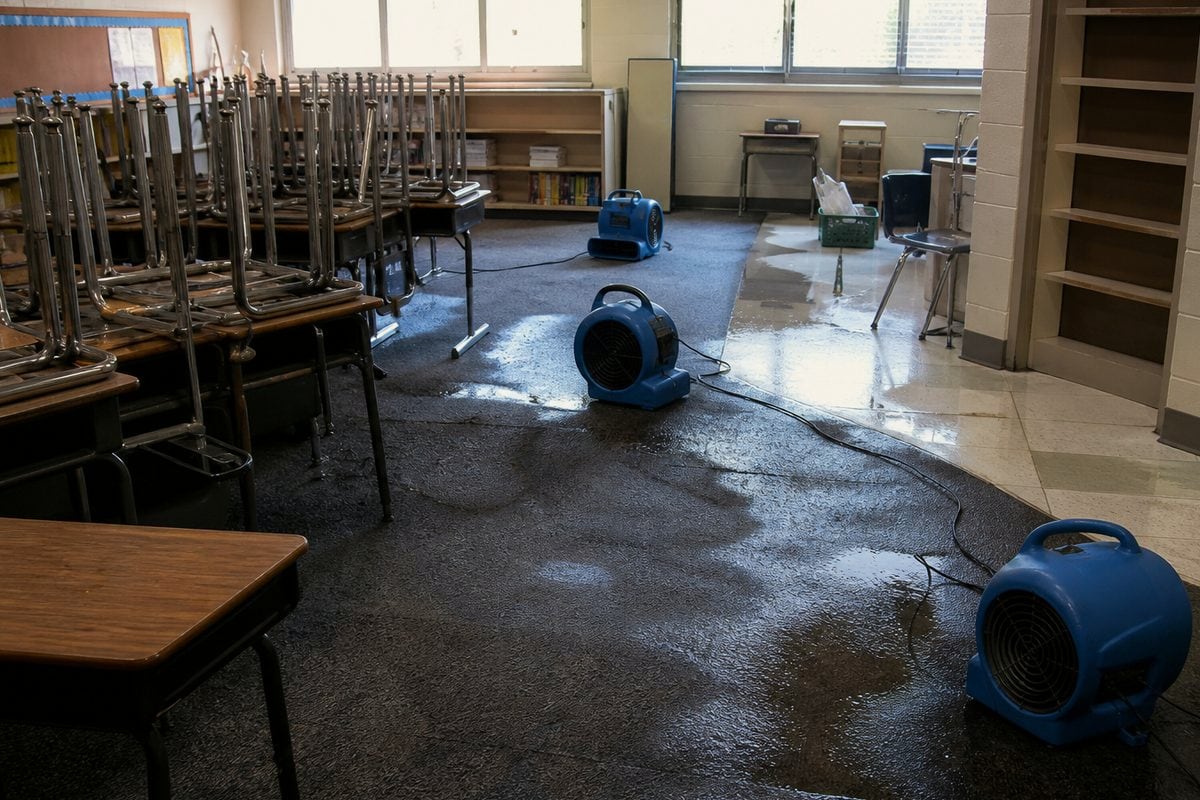
Water Damage to Carpet and Padding: Can It Be Saved?
When carpet gets soaked, most homeowners ask one question: can this be saved? The real answer is actually two questions, because carpet and the padding underneath it often have very different outcomes even from the same water event. This guide walks through why that split matters, how to tell if you are dealing with clean or contaminated water, what to do in the first hour, and how professional drying decides what stays and what goes.
What Happens to Carpet and Padding When They Get Wet
Carpet fiber and the padding beneath it absorb water very differently, which is the root reason they often end up with different fates after the same flood. Carpet fiber itself, especially synthetic fiber, tends to resist water somewhat and can often be cleaned and dried successfully. The backing beneath the fiber and the padding underneath that are far more absorbent and sit in direct contact with the subfloor, which means they hold onto moisture much longer and are more prone to developing mold, even when the visible carpet surface feels dry.
Clean Water vs. Contaminated Water: Why the Source Matters
The source of the water is one of the biggest factors in whether wet carpet and padding can be saved, because clean water and contaminated water carry very different health risks and drying outcomes. Clean water, such as from a supply line leak or an overflowing bathtub, carries relatively low health risk, and carpet exposed to it has a reasonable chance of being dried and reused if addressed quickly. Contaminated water, sometimes called gray or black water depending on the source, includes sewage backups, floodwater from outside, and appliance overflows that have picked up bacteria along the way. Carpet and especially padding exposed to contaminated water are typically not salvageable, since drying does not eliminate the contamination risk.
Water Categories Explained (Clean, Gray, Black Water)
How Long Your Carpet Has Been Wet Changes the Outcome
As a general guideline, carpet and padding that sit wet for more than 24 to 48 hours face a significantly higher risk of mold growth and odor that cleaning alone cannot resolve. This is not an absolute cutoff, since humidity, airflow, and water volume all affect how quickly problems develop, but it is a useful benchmark for understanding why speed matters. Water source shortens that window considerably, since contaminated water creates risk almost immediately regardless of how long it has been sitting.
What to Do Immediately If Your Carpet Gets Soaked
Getting as much water out as quickly as possible, without creating a safety hazard, gives your carpet its best chance of being saved. What you do in the first hour matters more for carpet than almost any other material in your home.
Step-by-Step Immediate Water Removal
- Stop the source of the water if you can safely do so.
- Move furniture and any items in contact with the wet carpet to prevent staining and further absorption.
- Remove as much standing water as possible with a wet vacuum, working in sections.
- Increase airflow with open windows or fans if it is safe to do so and the water is clean.
- Avoid walking heavily on saturated carpet, since it can push water deeper into the padding.
DIY or Call a Professional?
For small amounts of clean water caught quickly, removing excess water yourself and increasing airflow can genuinely help. Larger volumes of water, water that has been standing for more than a day, or any water connected to a sewage backup or exterior flooding needs a professional due to contamination risk and the limits of household equipment. Standing water near outlets or electrical cords also warrants caution before you approach the area at all.
Can the Carpet Be Saved? Can the Padding Be Saved?
These are two separate questions, and the answer to each is often different. Carpet exposed to clean water and dried quickly can often be cleaned and reused. Padding, because it sits directly against the subfloor and absorbs far more water, is replaced in most water-damage situations even when the carpet on top survives.
When Carpet Can Typically Be Dried and Reused
Carpet has a good chance of being saved when the water was clean, the exposure was brief, and professional extraction and drying happen promptly. Synthetic carpet fibers generally hold up better through this process than natural fiber carpets like wool.
Why Padding Often Needs Replacement Even When Carpet Survives
Padding's high absorbency and direct contact with the subfloor mean it holds moisture far longer than carpet fiber, creating an ideal environment for mold even when the surface above it looks and feels dry. Because of this, replacing padding while cleaning and reusing the carpet above it is a common and cost-effective outcome, rather than a sign that the whole floor needs to be replaced.
Can Water-Damaged Hardwood Floors Be Saved?
Signs of Mold, Mildew, and Odor Risk Under Carpet
A musty smell that persists even after the carpet surface feels dry is one of the clearest signs that moisture and possibly mold remain in the padding or subfloor below. Other signs include discoloration on the underside of carpet when lifted, a cool or damp feeling underfoot in one area, or visible dark spotting where the carpet meets the wall. If you notice these signs, a professional mold inspection is a reasonable next step rather than assuming a surface cleaning will resolve it.
How Professionals Dry and Restore Wet Carpet and Padding
Professional carpet drying starts with getting water out fast, then uses controlled airflow and moisture monitoring to confirm the carpet, padding, and subfloor are actually dry, not just dry to the touch.
Water Extraction
Commercial extraction equipment removes far more water, far faster, than a household wet vacuum, which matters since speed directly affects whether padding and subfloor can be saved.
Structural and Carpet Drying
Air movers and dehumidifiers are positioned to dry the carpet, subfloor, and surrounding structure following the drying approach outlined in the IICRC S500 standard, with moisture monitoring throughout to confirm progress.
Sanitizing and Odor Treatment
Once drying is confirmed, an antimicrobial or sanitizing treatment is often applied to address bacteria and odor, particularly in cases involving anything beyond the cleanest water sources.
When Replacement Is the Safer Option
Replacement becomes the safer choice when water was contaminated, exposure was prolonged, or the carpet backing has started to delaminate from the padding. In these situations, drying does not address the underlying health risk or structural breakdown, and attempting to save the material can end up costing more than starting fresh.
Repair vs. Replacement Cost Considerations
Cost comparisons between drying and replacement depend on several factors specific to your situation.
- Square footage affected
- Whether padding alone needs replacement or carpet does too
- Water category involved
- Whether subfloor drying or repair is also needed
- How long the water sat before professional response began
- Whether odor treatment or mold remediation is required
[details pending verification] An on-site assessment gives you a scope-based estimate rather than a generic price.
Carpet Warranty and Water Damage
Most manufacturer carpet warranties are limited to specific defects, like premature wear or seam failure, and typically do not cover water damage from flooding, leaks, or other external events. Warranty terms vary significantly by manufacturer and carpet line, so checking your specific documentation is the only reliable way to know what your warranty actually covers in a water damage situation.
Wet Carpet and Padding in Greater Los Angeles Homes
Carpet water damage in Greater Los Angeles often stems from the region's winter storm season, plumbing failures in older buildings, and the concentration of multifamily and apartment housing across the region, where a leak in one unit can affect carpet in adjoining units below. [details pending verification]
Frequently Asked Questions About Water-Damaged Carpet and Padding
Can wet carpet padding be saved, even if the carpet itself is fine?
Usually not. Padding is far more absorbent than carpet fiber and sits directly against the subfloor, so it tends to hold moisture longer and is more likely to develop mold even when the carpet on top looks and feels dry. In most water-damage situations, padding is replaced even when the carpet itself is cleaned and reused.
How long can carpet stay wet before it needs to be thrown out?
As a general guideline, carpet and padding exposed to water for more than 24 to 48 hours have a significantly higher risk of mold growth and odor that cleaning alone can't resolve. The water source also matters, since contaminated water shortens that window considerably.
Is it safe to clean up flooded carpet myself?
For small amounts of clean water caught quickly, removing excess water with a wet vacuum and increasing airflow can help. However, larger volumes of water, standing water for more than a day, or any water from a sewage backup or exterior flooding should be handled by a professional due to contamination and mold risk.
Does homeowners insurance cover water-damaged carpet?
Coverage depends on the cause of the water damage and your specific policy. Sudden, accidental events like a burst pipe are more commonly covered than gradual leaks or flooding from an outside water source. Check your policy details or speak with your insurance adjuster to confirm.
What's the difference between clean water and contaminated water damage to carpet?
Clean water, such as from a supply line, carries lower health risk and gives carpet and padding a better chance of being saved if dried quickly. Contaminated water, such as from a sewage backup or floodwater, carries bacteria and other risks that typically require full replacement of the padding and often the carpet as well.
How do professionals dry carpet without ruining it?
Professional drying typically involves extracting as much water as possible first, then using commercial air movers and dehumidifiers to dry the carpet and subfloor in a controlled way, followed by moisture monitoring to confirm the area is fully dry before anyone walks on it. This differs from household fans, which mainly move air across the surface.
Will my carpet warranty cover water damage?
Most manufacturer warranties are limited to specific defects, like premature wear or delamination, and typically don't cover water damage from flooding, leaks, or other external events. Check your specific warranty documentation, since terms vary by manufacturer and carpet line.
Get Emergency Carpet Water Extraction From LA Water Damage
Fast, professional water extraction gives your carpet and padding the best possible chance of being saved. LA Water Damage provides carpet and padding water extraction and drying across Greater Los Angeles, with a clear explanation of what can realistically be saved and what should be replaced. Our technicians are [details pending verification].
Call request a callback or visit contact form to schedule an assessment.