
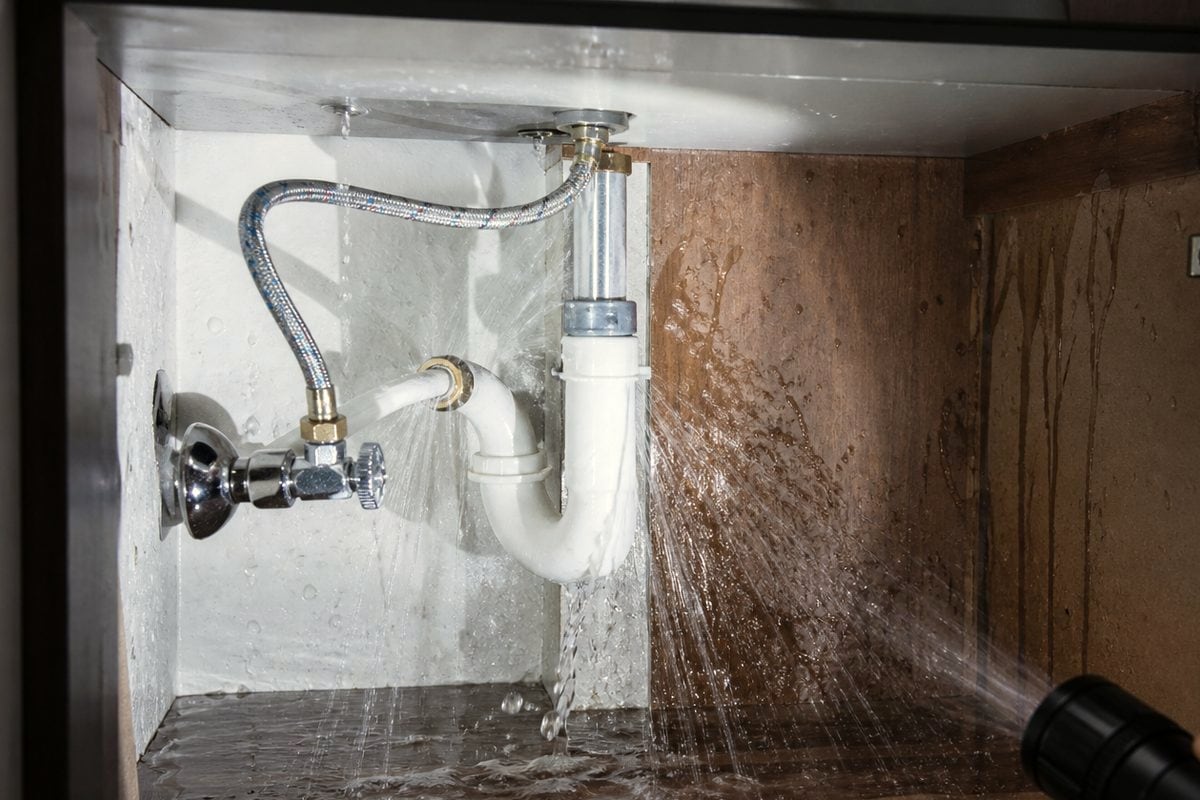
Once standing water is gone, it's tempting to think the problem is solved. It usually isn't. Walls, subfloors, and cabinetry can hold significant moisture long after a room looks and feels dry, and that hidden moisture is exactly what leads to mold and long-term structural damage. Structural drying is the science-driven process that addresses this, and understanding how it works helps explain why it takes longer, and matters more, than most people expect.
What Is Structural Drying?
Structural drying is the process of removing moisture that has been absorbed into a building's materials, such as drywall, subflooring, framing, and cabinetry, after a water damage event. It goes beyond removing standing water, targeting the moisture that has soaked into the structure itself.
This process uses a combination of air movement, dehumidification, and temperature management to pull moisture out of materials and evaporate it into the air, where it can then be removed by dehumidifiers. Done properly, it restores materials to a safe, stable moisture level rather than just making a room look dry.
Why Structural Drying Matters After Water Damage
Structural drying matters because materials that stay damp beneath the surface create ongoing risk for mold growth and structural weakening, even after visible water is gone. A room can look completely normal while the wall cavity or subfloor beneath it is still saturated.
Left unaddressed, that hidden moisture leads to warped flooring, weakened framing, and the kind of mold growth that affects indoor air quality. How aggressively an area needs to be dried also depends on what type of water caused the damage in the first place.
Water Contamination Categories (Clean, Gray, Black Water)
Water damage is generally grouped into three contamination categories. Category 1 is clean water from a source like a supply line. Category 2, sometimes called gray water, carries some contamination, such as water from a washing machine or dishwasher. Category 3, or black water, is heavily contaminated, most commonly from a sewage backup. The category affects both the health precautions needed during drying and the overall cleaning approach used. Sewage Backup Cleanup: Health Risks and Restoration Steps
| Category | Description | Example Source |
|---|---|---|
| Category 1 (Clean) | Water from a clean source, no contamination | Supply line, rainwater |
| Category 2 (Gray) | Water with some contamination | Washing machine discharge, dishwasher overflow |
| Category 3 (Black) | Heavily contaminated water | Sewage backup, flooding from an external source |
How Water Affects Different Building Materials
Drywall, subflooring, insulation, and cabinetry all absorb and release moisture at different rates. Porous materials like drywall and insulation tend to absorb water quickly and require sustained airflow to dry fully, while denser materials like solid wood dry more slowly but often hold up better structurally. Understanding these differences is part of what shapes the drying plan for any given job.
The Four Core Principles of Professional Drying
Professional structural drying relies on four core principles working together: temperature, humidity control, air movement, and evaporation. In plain terms, warmer air holds more moisture, dehumidifiers pull that moisture out of the air once it's released, air movers speed up evaporation from wet surfaces, and the whole system works as a cycle rather than any one factor doing the job alone.
- Temperature: Moderately warm air helps materials release moisture faster than cold air does
- Humidity control: Dehumidifiers remove moisture from the air so evaporation can continue rather than stalling out
- Air movement: Air movers direct airflow across wet surfaces, speeding up the rate materials release moisture
- Evaporation: The actual transfer of moisture from a material into the air, which is what all the other factors work to accelerate
This is essentially applied science, sometimes called psychrometry, the study of air and moisture behavior. Understanding it in plain terms helps explain why simply running a couple of box fans rarely dries a structure properly.
The Structural Drying Process Step by Step
Structural drying follows five general steps: assessment, water removal, evaporation, dehumidification, and final monitoring to confirm materials have actually reached a safe moisture level. Each step builds on the last, and skipping any of them risks leaving moisture behind.
Step 1: Assessment and Moisture Detection
Before any equipment is set up, the affected area is assessed using moisture meters and sometimes thermal imaging to determine exactly which materials and areas are wet. This step, closely related to moisture mapping, establishes a baseline that later readings are measured against. What Is Moisture Mapping?
Step 2: Water Removal and Extraction
Any remaining standing water is removed before drying equipment is deployed, since drying around standing water is far less effective. How Water Extraction Works
Step 3: Evaporation and Air Movement
Air movers are positioned to direct airflow across wet surfaces and, where needed, into wall cavities or under cabinetry, accelerating the rate at which materials release their absorbed moisture into the air.
Step 4: Dehumidification and Temperature Management
Dehumidifiers remove the moisture that evaporation has released into the air, preventing it from simply resettling on nearby surfaces. Temperature is managed to support the process rather than working against it.
Step 5: Monitoring and Verification
Moisture readings are taken repeatedly throughout the drying process and compared against a dry baseline. Drying is considered complete only when materials measure within a normal, safe moisture range, not simply when the space looks or feels dry.
Equipment Used in Structural Drying
Structural drying relies on industrial-grade air movers, dehumidifiers, moisture meters, and sometimes thermal imaging cameras and air scrubbers, depending on the specific job. This equipment moves and removes moisture far more effectively than household fans and box units.
Moisture Meters and Thermal Imaging
Moisture meters, both pin and pinless types, measure the actual moisture content inside a material rather than relying on how it looks or feels. Thermal imaging cameras help locate temperature differences that often indicate moisture behind walls or under flooring, guiding where equipment and attention are focused.
Air Movers, Dehumidifiers, and Air Scrubbers
Air movers are positioned strategically, not just aimed randomly around a room, to direct airflow across specific wet surfaces and cavities. Dehumidifiers, sized to the space and moisture load, pull the resulting humidity out of the air. Air scrubbers are sometimes used alongside this equipment to help manage air quality during the drying process, particularly when contamination or mold risk is a factor.
Mold Prevention Through Proper Drying
Proper, prompt structural drying significantly reduces the conditions mold needs to grow, since mold generally requires sustained moisture and can begin developing within roughly 24 to 48 hours in favorable conditions. This makes drying speed and thoroughness a genuine mold-prevention measure, not just a comfort issue.
Drying that is too slow, stops too early, or misses hidden moisture pockets can allow mold to take hold even after a space looks completely dry. This is exactly why moisture monitoring throughout the process matters as much as the initial equipment setup. If you already suspect mold has developed, a professional inspection is the right next step rather than continued drying alone. Mold Inspection and Remediation After Water Damage
When Structural Drying Is Necessary
- Water has soaked into drywall, subflooring, insulation, or cabinetry
- Standing water sat for more than a few hours before being addressed
- A burst pipe, appliance failure, or roof leak released a significant volume of water
- A sewage backup or other contaminated water event occurred, requiring both drying and decontamination
- Moisture meter readings confirm elevated levels in materials that appear visually dry
Why DIY Drying Often Falls Short
DIY drying often falls short because household fans and dehumidifiers cannot reach moisture trapped in wall cavities, under flooring, or deep within insulation the way professional equipment and monitoring can. For a very minor, isolated spill, basic fans and a dehumidifier can genuinely help.
The bigger issue is confirmation. Without a moisture meter, there is no reliable way to know whether a wall cavity or subfloor has actually reached a safe moisture level or simply feels dry on the surface. That gap is where hidden mold problems most often develop, well after the visible cleanup felt finished.
When to Call a Structural Drying Professional
Call a structural drying professional any time water has reached wall cavities, subflooring, insulation, or cabinetry, or when you cannot confirm with actual measurements that an area has fully dried. This is especially true for larger events or anything involving contaminated water.
Response timelines depend on the specifics of the job ([details pending verification]). Call request a callback or visit contact form to talk through your situation and what a proper drying plan would look like.
Frequently Asked Questions About Structural Drying
How long does structural drying take?
Drying time depends on how much water intruded, which materials were affected, humidity levels, and airflow. A single room with minor water intrusion generally dries faster than multiple rooms with saturated flooring, drywall, and cabinetry. Ask your restoration provider for a timeframe specific to your situation ([details pending verification]).
Can I dry my house myself after water damage?
For very minor, isolated spills, fans and a dehumidifier can help. However, water that reaches wall cavities, subflooring, or insulation is difficult to fully dry without professional equipment and moisture monitoring, and residual dampness is a common cause of hidden mold. Larger or contaminated-water events are best handled by a professional.
What equipment do professionals use for structural drying?
Professional structural drying typically involves industrial-grade air movers, dehumidifiers, moisture meters, and sometimes thermal imaging cameras and air scrubbers, depending on the situation. This equipment moves and removes moisture far more effectively than household fans, and monitoring equipment confirms materials have actually reached a safe moisture level.
What are the water contamination categories, and why do they matter?
Water damage is generally grouped into clean water (Category 1), gray water with some contamination (Category 2), and black water that is heavily contaminated, such as sewage backup (Category 3). The category affects both the health precautions needed and the drying and cleaning approach used.
Does structural drying really prevent mold?
Proper, prompt drying significantly reduces the conditions mold needs to grow, since mold generally requires sustained moisture and can begin developing within roughly 24 to 48 hours in favorable conditions. Drying that is too slow, incomplete, or misses hidden moisture pockets can allow mold to take hold even after visible water is gone.
How do I know if structural drying is actually complete?
Professionals use moisture meters to confirm that materials like drywall, flooring, and framing have returned to a normal moisture range, not just that they look or feel dry to the touch. Visual dryness alone isn't a reliable indicator, since materials can hold moisture below the surface.
When is structural drying necessary versus just wiping up water?
If water has soaked into flooring, drywall, insulation, or cabinetry, or if standing water sat for more than a few hours, structural drying is generally necessary to prevent hidden moisture and mold. A quick spill that's immediately wiped and doesn't reach porous materials typically doesn't require full structural drying.
Getting Help With Structural Drying
If a room looks dry but you're not confident it actually is, that gap between appearance and reality is exactly what structural drying, backed by real measurements, is built to close. Call request a callback or visit contact form to get a professional read on your space.
---