
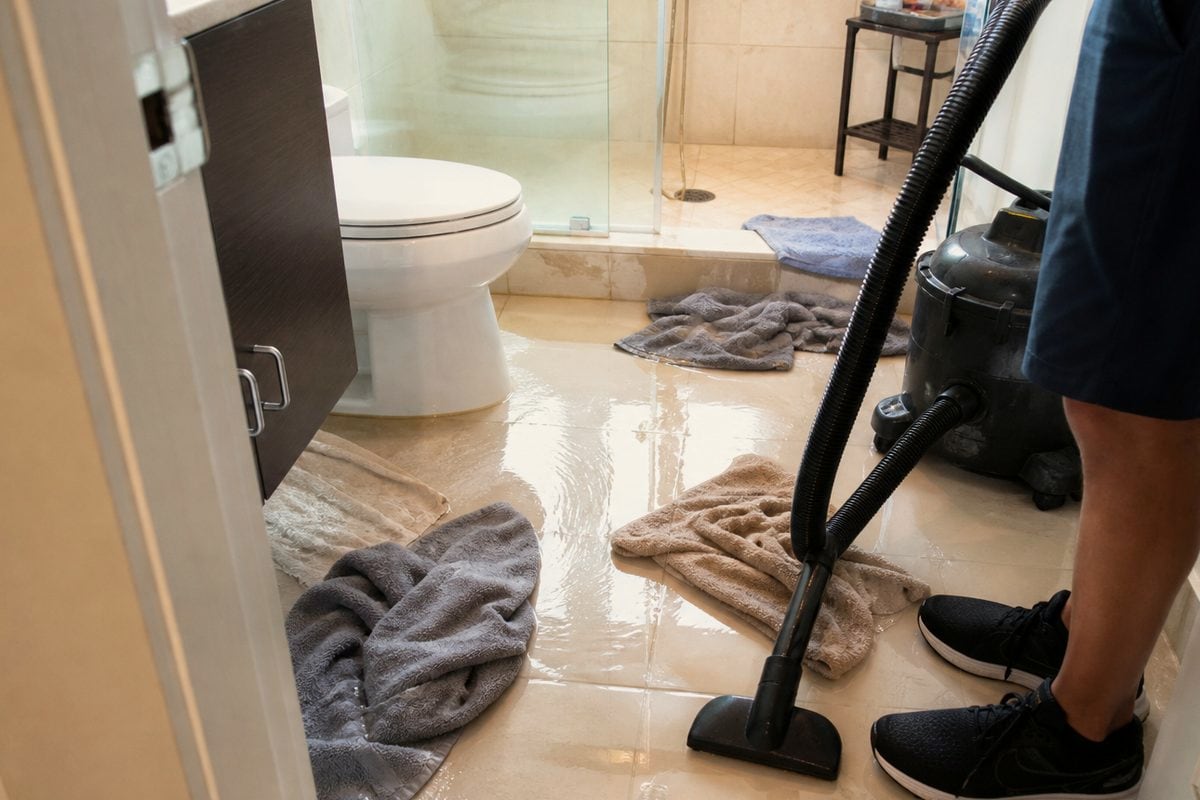
"How long is this going to take" is usually the first question people ask once the initial shock of water damage wears off, right after "how much is this going to cost." It's a fair question, and the honest answer is that it depends on several specific factors, not a single fixed number anyone can promise you over the phone.
This guide walks through a realistic phase-by-phase timeline, the factors that push a project longer or shorter, and what you can personally do to keep the process moving without cutting corners that create bigger problems later.
Quick Answer: Typical Restoration Timeframes
Water damage restoration typically takes anywhere from a few days for minor, contained damage to several weeks or longer for extensive damage requiring reconstruction. Mitigation, the extraction and drying phase, usually finishes within the first week, while restoration and repairs can extend well beyond that depending on scope.
Phase-by-Phase Restoration Timeline
Water damage restoration moves through five general phases, each with its own typical timeframe, though every project varies based on damage severity and insurance approval speed.
| Phase | Typical Range | What Happens |
|---|---|---|
| Assessment and inspection | Same day to 1 day | Source identification, category and class determination, moisture mapping |
| Water extraction and removal | Same day to 1 day | Standing water removed with pumps and extraction equipment |
| Drying and dehumidification | Several days to about a week | Air movers and dehumidifiers run until materials reach a verified dry standard |
| Cleaning and sanitization | 1 to 2 days | Affected surfaces cleaned, sanitized, and treated for odor or contamination |
| Repairs and reconstruction | Days to several weeks | Drywall, flooring, and structural repairs, scoped after the structure is dry |
These ranges reflect general industry norms, not a guarantee for any specific project. The actual timeline for your property depends on the factors covered in the next section.
Factors That Affect the Timeline
Several variables determine whether a water damage project wraps up in days or stretches into weeks, and most of them come down to how much damage occurred and how quickly decisions get made.
Extent and Category of Water Damage
Clean, Category 1 water is faster to address than Category 2 or 3 water, since contaminated water requires additional decontamination steps and often means more materials need to be removed and replaced rather than dried and saved. A Category 3 sewage backup, for example, adds real time to the process compared to a clean supply line break.
Size of the Affected Area
A single bathroom takes less time to dry and repair than an entire flooded first floor. Larger affected areas mean more equipment needs to run longer, more materials need inspection, and more repair work follows once drying is complete.
DIY vs. Hiring a Professional
Attempting extraction or drying yourself before calling a professional can actually extend the overall timeline if it delays proper assessment or leads to incomplete drying that has to be redone. Professional equipment dries materials faster and more thoroughly than consumer fans and dehumidifiers.
Insurance Approval Process
Waiting for claim approval before certain repair or reconstruction work begins can add time to the restoration timeline, depending on your insurer's process. Emergency mitigation is often authorized quickly to prevent further loss, but full restoration usually needs a scoped, approved estimate first.
Timeline by Severity: Minor vs. Extensive Damage
Minor damage typically resolves faster than extensive damage because it involves less area, cleaner water, and materials that can be dried rather than replaced.
| Severity | Typical Timeline | Example |
|---|---|---|
| Minor | Several days | Small clean-water spill, contained to one room, no structural materials affected |
| Moderate | About one to two weeks | Larger clean or gray water incident affecting flooring and some drywall |
| Extensive | Several weeks or longer | Category 3 loss, large affected area, or damage requiring structural reconstruction |
These figures reflect typical patterns, not promises, since every property and every loss is genuinely different.
What Happens If You Delay Water Damage Repairs
Delaying water damage repairs gives moisture more time to spread into additional materials and significantly increases the risk of mold growth, since mold needs moisture and time to develop. What starts as a contained, dryable problem can turn into one requiring full material replacement if it sits too long.
Beyond mold, delayed repairs also raise the odds of structural weakening in wood framing and subfloor, which is harder and more expensive to address the longer it goes untreated. This isn't about creating panic. It's simply how moisture and building materials interact over time, and it's the core reason mitigation professionals emphasize acting quickly rather than waiting to see what happens. What Happens During a Water Damage Inspection?
How to Speed Up the Restoration Process
A few practical steps on your end can help keep the restoration timeline as short as the damage allows, without cutting corners on the work itself.
- Call a professional as soon as you notice water damage, rather than waiting to see if it resolves on its own
- Have your insurance policy information ready when you make the call
- Take photos and video of the damage before cleanup begins
- Clear a path for equipment and crews to access the affected area
- Remove unaffected belongings from the workspace yourself if it's safe to do so
- Respond promptly to any requests from your insurance adjuster
- Ask your restoration company what you can do to help keep the timeline moving
Water Damage Restoration Timelines in Greater Los Angeles
Greater Los Angeles adds a few regional variables to restoration timelines, including winter atmospheric-river storms that can affect multiple properties at once and older housing stock with clay pipe or galvanized supply lines that fail in ways newer plumbing typically doesn't. Multi-unit buildings, common across the region, can also add coordination time when damage crosses unit lines or involves shared systems.
LA Water Damage handles the full restoration timeline, from initial inspection through final repairs, across Greater Los Angeles. Our team responds within [details pending verification]. Call request a callback or visit contact form to get a realistic timeline for your specific situation.
Frequently Asked Questions About Water Damage Restoration Timelines
How long does water extraction take?
Water extraction for a typical residential incident often takes place within the first day of response, though larger or more severe losses can take longer. The exact time depends on the volume of water and the size of the affected area.
How long does drying take after water damage?
Structural drying is usually the longest phase of restoration, since materials need to reach a verified dry standard rather than just appear dry. Multiple days are typical, with more extensive or deeply saturated damage taking longer.
Is water damage permanent if not treated quickly?
Water damage itself isn't necessarily permanent, but delays increase the risk of secondary problems like mold growth, warping, and structural weakening that can become harder and more extensive to repair. Prompt professional assessment reduces this risk.
Does insurance approval delay the restoration timeline?
It can. Depending on your policy and insurer's process, waiting for claim approval before certain repair or reconstruction work begins may add time, though emergency mitigation is often authorized to start immediately to prevent further damage. Confirm your policy's specifics with your carrier.
How long should fans run after water damage?
Fans and drying equipment typically need to run until moisture readings confirm the affected materials have reached a normal, dry baseline, not on a fixed schedule. Turning equipment off too early is a common reason drying is incomplete.
How long does sewage or black water cleanup take?
Category 3, black water, situations, such as sewage backups, generally require additional decontamination and disposal steps beyond standard water damage, which can extend the timeline compared to clean-water incidents. [details pending verification] for a specific estimate.
What's the difference between minor and extensive water damage timelines?
Minor, contained damage affecting a small area with clean water generally resolves faster than extensive damage involving large areas, contaminated water, or structural materials requiring reconstruction, which can extend the process considerably.
Every water damage timeline is a little different, which is exactly why an on-site assessment matters more than a generic estimate. If you want a realistic timeline for your property, call request a callback or visit contact form.
---