
Insurance paperwork has a way of showing up at the exact moment you have the least patience for it, right after your ceiling has caved in or your hallway is under an inch of water. This guide exists to translate that paperwork into plain language, name the real resources available to California homeowners, and say clearly where a standard policy stops covering you.
Money and coverage anxiety are real, and there is no point dancing around them. Most homeowners do not know the difference between replacement cost and actual cash value until a depreciated check arrives that is smaller than expected. This guide covers that gap and several others.
What California Homeowners Insurance Typically Covers
California homeowners insurance typically covers water damage from sudden internal failures like burst pipes, wind and hail damage, fire, theft, and liability, while generally excluding flood, earth movement, and damage caused by ongoing neglect.
The Most Common Homeowners Claims in California (Water, Wind, Fire, Theft)
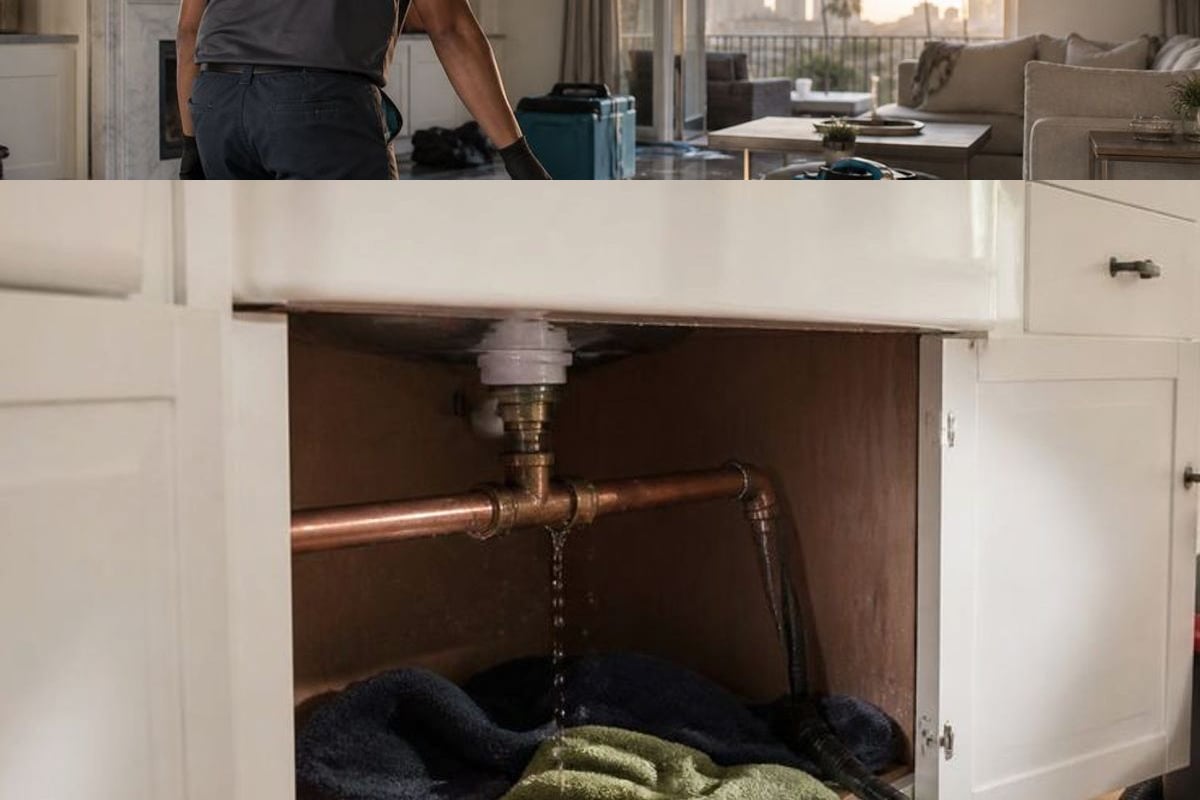
Water damage is the most common homeowners claim in California, driven mostly by interior plumbing failures rather than storms. Wind and other weather-related claims follow, with fire and theft claims occurring less often but frequently at a higher cost per claim due to the scale of loss involved.
What's Usually Excluded — Flood, Earth Movement, and Neglect
Standard homeowners policies generally exclude flood damage, earth movement such as earthquakes or landslides, and damage caused by long-term neglect or lack of maintenance. These require separate coverage, and insurers can deny a claim if they determine the damage resulted from a maintenance issue rather than a sudden, covered event.
Wildfire-Related Coverage Considerations
Wildfire coverage has become a significant issue in California's insurance market, with some carriers limiting new policies in high-risk areas and more homeowners relying on the state's FAIR Plan as a coverage option of last resort. Ongoing reform efforts aim to stabilize this market, so it is worth reviewing your specific wildfire coverage annually rather than assuming it has stayed the same.
What to Do Immediately After Property Damage
Protect the property from further loss, contact your insurance agent or company promptly, and call a restoration company if the damage involves water, fire, or mold that needs professional mitigation.
Protecting the Property From Further Loss
Most policies require you to take reasonable steps to prevent additional damage, like covering a broken window or shutting off a leaking pipe, once the immediate danger has passed. Keep receipts for any temporary repair materials, since these are often reimbursable.
Contacting Your Insurance Agent or Company
Report the loss as soon as reasonably possible, even for damage that seems minor. Many homeowners under-document small damage because it does not seem worth a claim, then face denial later when it compounds into something larger and harder to explain.
When to Call a Restoration Company request a callback
Delaying mitigation while waiting for contractor bids can increase both damage and total claim cost, particularly with active water intrusion, since mold risk grows within 24 to 48 hours. Call request a callback to begin mitigation while your claim process moves forward in parallel. Water Damage Restoration Process in Los Angeles: What to Expect explains what happens once a crew arrives.
How to Document Property Damage for an Insurance Claim
Thorough documentation means photographing and recording every affected area, inside and out, before repairs begin and keeping a written record of damaged items and receipts throughout the process.
Exterior Damage: Roof, Gutters, Windows, Siding
Photograph the full roofline, gutters, windows, and siding from multiple angles, including wide establishing shots and close-up detail of specific damage like missing shingles or cracked siding.
Interior Damage: Water Stains, Drywall, Flooring, Belongings
Document water stains, warped flooring, damaged drywall, and affected belongings room by room. Avoid throwing anything away until your adjuster has had a chance to review it, even items that seem clearly ruined.
Photo and Video Documentation Best Practices
Take both wide shots that show context and close-up shots that show detail, and consider a slow video walkthrough of the entire affected area as a supplement to photos. Timestamp your documentation where possible.
Creating a Home Inventory Before and After Loss
A home inventory made before any damage occurs, even a simple video walkthrough of your home once a year, makes post-loss documentation dramatically faster and more credible to an adjuster.
Replacement Cost vs. Actual Cash Value: Why It Matters
Replacement cost pays what it costs to repair or rebuild with similar materials today with no deduction for age, while actual cash value subtracts depreciation, meaning an older roof or appliance is reimbursed at its depreciated value rather than full replacement price.
| Coverage Type | What It Pays | Common Use |
|---|---|---|
| Replacement Cost Value (RCV) | Full cost to repair or replace, no depreciation deducted | Standard on many modern homeowners policies |
| Actual Cash Value (ACV) | Replacement cost minus depreciation | Common for older roofs, appliances, or specific endorsements |
How Depreciation Affects Your Payout
Depreciation is calculated based on the item's age and expected lifespan, so a 15-year-old roof rated for 20 years might be reimbursed at a fraction of its replacement cost under an ACV policy. Many RCV policies pay the depreciated amount first, then release the remaining "recoverable depreciation" once repairs are completed and documented.
Building Code Upgrade Coverage
Older homes rebuilt after major damage often must meet current building codes, which can cost more than simply restoring what was there before. Some policies include a specific ordinance or law endorsement to cover this gap. Check your declarations page to see if you have it.
Temporary Housing and Additional Living Expenses
Additional Living Expense coverage, often called ALE, reimburses reasonable costs of temporary housing, meals, and related expenses when your home becomes uninhabitable due to a covered loss.
What ALE Coverage Typically Includes
ALE typically covers the cost difference between your normal living expenses and your temporary ones, such as a hotel or short-term rental, extra restaurant meals, and sometimes pet boarding. Coverage limits and duration vary significantly by policy.
Arranging Temporary Housing After Major Damage
Keep every receipt related to temporary housing and increased living costs, and confirm your ALE limits with your insurer before committing to an extended stay somewhere expensive, since exceeding your limit means paying the difference yourself.
Choosing a Contractor and Restoration Company During a Claim
Vetting a contractor during an active insurance claim means confirming licensing, understanding how their documentation supports your claim, and staying alert for the predatory practices that follow disasters in California.
Vetting Licenses and Insurance [details pending verification]
[details pending verification]. Verify active licensing through the California Contractors State License Board before signing any work authorization, and confirm the company carries appropriate liability insurance.
How Restoration Documentation Can Strengthen Your Claim
Detailed moisture readings, drying logs, and damage photographs from a restoration company create an independent, professional record that can support your claim and reduce disputes over scope or cause of loss. This is a genuine advantage of working with an experienced restoration provider rather than a general handyman.
Avoiding Post-Disaster Contractor Scams
Be wary of unsolicited door-to-door offers immediately after a storm or fire, and never pay the full project cost upfront. Get multiple estimates when your situation allows for it, though mitigation itself should not wait on the bidding process if active water intrusion is ongoing.
What to Do If Your Claim Is Denied or Underpaid
If your claim is denied or underpaid, start by requesting a written explanation from your claims manager, then escalate through internal review, state regulatory channels, or outside professional help if the dispute remains unresolved.
Your Rights Under California's Fair Claims Settlement Practices Regulations
California's Fair Claims Settlement Practices Regulations require insurers to act in good faith, respond to claims within specific timeframes, and provide clear reasons for any denial. Insurers who violate these rules can face regulatory action from the state.
Escalating: Claims Manager, Mediation, and the CA Department of Insurance
If a conversation with your claims manager does not resolve the dispute, the California Department of Insurance offers a consumer hotline and free mediation for qualifying disaster-related claims. This is a genuinely useful, no-cost escalation path many homeowners do not know exists.
When to Consult a Public Adjuster or Attorney
A public adjuster is a licensed professional who represents policyholders, not insurers, in negotiating a claim, usually for a percentage of the settlement. For larger or more contentious claims, especially after a denial, consulting a public adjuster or an attorney experienced in insurance disputes can be worth the cost.
California Insurance Consumer Resources
California homeowners have access to independent, nonprofit resources that are not trying to sell additional coverage, which makes them worth weighing against insurer-published guidance.
California Department of Insurance Hotline and Services
The California Department of Insurance regulates insurance companies operating in the state and offers a consumer hotline, complaint process, and mediation services for eligible disputes. It is a free, government resource worth bookmarking before you ever need it.
United Policyholders and Nonprofit Consumer Advocates
United Policyholders is a nonprofit consumer advocacy organization focused specifically on helping policyholders understand and navigate the claims process, particularly after major disasters. Their guidance is independent of any insurance company's interest in the outcome. Emergency Property-Damage Resources in Los Angeles: A Complete Directory lists additional recovery-focused resources.
Frequently Asked Questions About California Property Insurance Claims
What is the most common type of homeowners insurance claim in California?
Water damage is by far the most common, driven mostly by interior plumbing failures rather than storms or floods. Wind and hail damage and other miscellaneous covered losses follow, with fire and theft claims occurring less frequently but often at higher cost per claim.
What's the difference between replacement cost and actual cash value?
Replacement cost pays what it costs to repair or rebuild with similar materials today, with no deduction for age. Actual cash value subtracts depreciation, so an older roof or appliance is reimbursed at its depreciated value, not full replacement price.
Does California homeowners insurance cover flood damage?
No. Standard homeowners policies exclude flood damage, including damage from mudslides and landslides, except in specific wildfire-related circumstances. Flood coverage generally requires a separate policy through the National Flood Insurance Program or a private flood insurer.
What should I do if I disagree with my insurance settlement offer?
Start by talking to your claims manager and requesting a written explanation. If unresolved, you can contact the California Department of Insurance, which offers a toll-free consumer hotline and free mediation for qualifying disaster-related claims.
How do I document damage properly for my insurance claim?
Take wide shots of each affected room plus close-up photos of specific damage, both inside and outside the property. Keep receipts, create a written inventory of damaged items, and avoid throwing anything away until your adjuster has reviewed it.
Will restoration company documentation help my insurance claim?
Yes. Detailed moisture readings, drying logs, and damage photographs from a restoration company create an independent, professional record that can support your claim and reduce disputes over scope or cause of loss.
What are Additional Living Expenses (ALE) and am I covered?
ALE coverage reimburses reasonable costs of temporary housing, meals, and related expenses when your home is uninhabitable due to a covered loss. Coverage limits and duration vary by policy, so review your declarations page carefully.
Get Restoration Help That Supports Your California Insurance Claim
An insurance claim and a restoration project run on parallel tracks, and the two go smoother when they are coordinated instead of separate. Thorough documentation from day one protects you regardless of how the claims process unfolds.
Contact LA Water Damage contact form
Call request a callback or visit contact form to reach LA Water Damage for restoration work backed by the documentation your insurance claim needs.
---