
Quick answer: Fire damage restoration moves through assessment, securing the property, water removal, smoke and soot cleaning, and finally reconstruction, and the full process can take anywhere from days to months depending on severity.
A fire doesn't end when the flames go out. What happens in the days and months after, the cleaning, the drying, the rebuilding, determines whether a property comes back stronger or stays damaged longer than it needed to. This guide covers the full arc of that process, including the reconstruction phase that most guides barely mention.
What Is Fire Damage Restoration?
Fire damage restoration is the process of cleaning, drying, and repairing a property after a fire, covering everything from smoke removal to full structural reconstruction. The term covers three related but distinct phases: cleaning removes soot and debris, restoration addresses smoke odor and water damage, and reconstruction rebuilds anything that can't be salvaged.
Understanding these as connected phases, rather than one single event, helps set realistic expectations for both timeline and scope.
Common Types of Fire and Smoke Damage
Fire damage typically shows up as char, soot, smoke residue, and water damage, each requiring a different remediation approach. Not every affected surface looks obviously burned, which is why a full assessment matters more than a visual walkthrough.
- Char — Direct burning of materials, usually requiring removal and replacement rather than cleaning
- Soot — Fine, often acidic residue that can stain surfaces permanently if not treated quickly
- Smoke residue and odor — Can travel through HVAC systems and settle far from the fire's origin
- Water damage — From firefighting efforts, capable of causing mold growth within 24 to 48 hours if not addressed
The Fire Restoration Process, Step by Step
Fire restoration generally follows damage assessment, securing the property, water removal, smoke and soot cleaning, contents handling, and sanitizing, before reconstruction begins. Skipping or rushing any of these steps tends to cause problems later, whether that's mold growth or lingering odor.
Damage Assessment and Inspection
Technicians inspect the full property, not just the visibly burned areas, since smoke and water damage often extend well beyond the fire's origin. This assessment shapes the entire restoration plan.
Securing the Property (Board-Up and Roof Tarping)
Damaged windows, doors, and roof sections get boarded up or tarped to prevent weather exposure and unauthorized access while work continues. Los Angeles's winter atmospheric-river storms make this step especially important if a fire happens during rainy season.
Water Removal From Firefighting Efforts
Extracting standing water and drying the structure comes next, since delayed drying is one of the most common causes of secondary mold damage after a fire. Fire Damage Restoration Cost Factors explains how this step affects overall project cost.
Smoke, Soot and Odor Removal
Surfaces get cleaned with methods matched to the material and the type of residue, from dry sponging to wet cleaning to specialized odor treatments like thermal fogging for stubborn smoke smell.
Contents Packout and Restoration
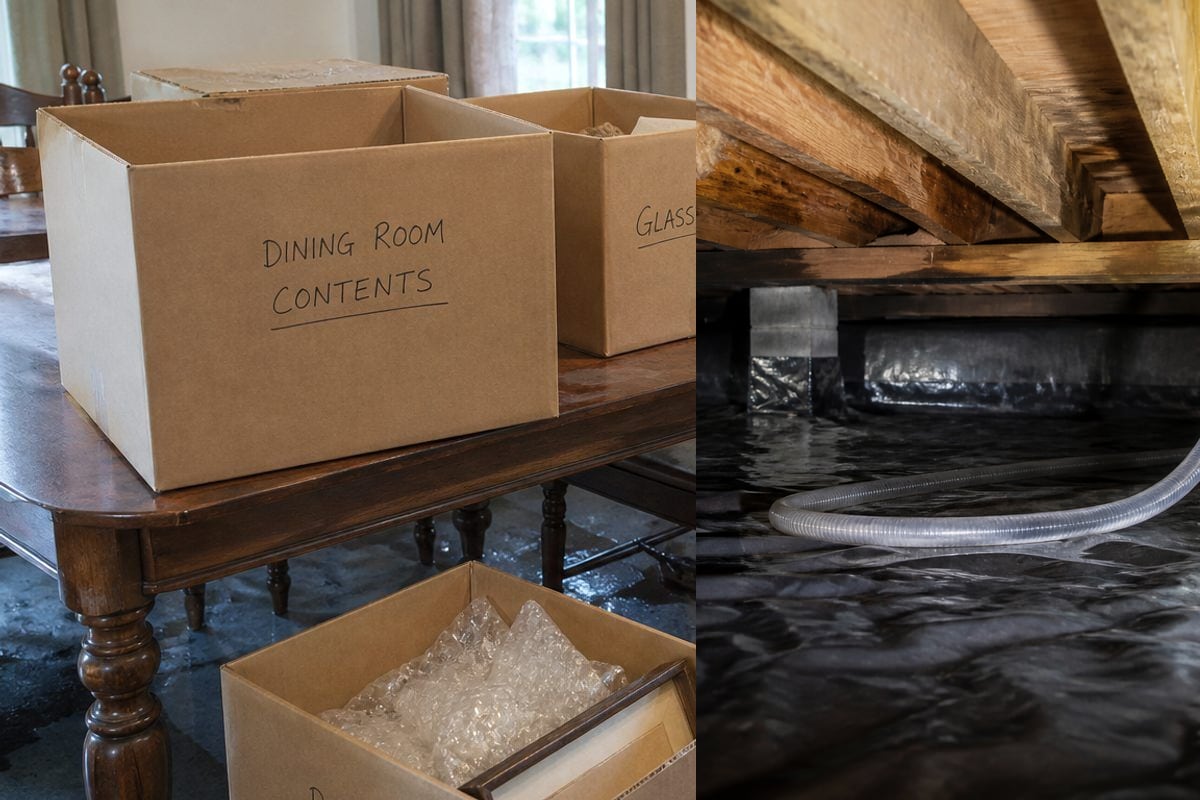
Belongings that can be saved are removed to a controlled environment for cleaning and restoration, while the structure itself is worked on separately. This also protects contents from further exposure during reconstruction.
Cleaning and Sanitizing
Once surfaces are cleaned and dried, sanitizing addresses any contamination from firefighting water or combustion byproducts before the space is considered move-in ready.
Request emergency response by contacting LA Water Damage at request a callback, with a typical response window of [details pending verification].
Reconstruction: Rebuilding After Fire Damage
Reconstruction after a fire covers demolishing unsalvageable materials, rebuilding damaged structural elements, and passing final inspections before the property is livable again. This phase deserves real depth because it's often where restoration guides stop short, treating rebuild as an afterthought rather than the substantial project it actually is.
Demolition of Unsalvageable Materials
Charred framing, water-damaged drywall, and contaminated insulation typically need to be removed entirely rather than cleaned. Demolition scope depends on how far the fire and firefighting water traveled through the structure.
Structural Repairs and Rebuilding
Rebuilding restores framing, drywall, flooring, and finishes to match or improve on the property's pre-fire condition. In Los Angeles, older housing stock sometimes means reconstruction surfaces outdated wiring or plumbing that needs upgrading to current code as part of the rebuild, not just replacing what burned.
Final Inspections and Move-Back-In
Before a property is cleared for move-back-in, it typically needs final building inspections confirming the reconstruction meets code. Air quality should also be verified, especially after significant smoke exposure, before residents or employees return full-time.
What to Do (and Not Do) Immediately After a Fire
Immediately after a fire, focus on safety, insurer notification, and property security, while avoiding cleaning, repairs, or discarding items until damage has been documented. What you do in the first hours can affect both your restoration outcome and your insurance claim.
What to Do After a Fire
- Wait for fire officials to clear the property before re-entering
- Contact your insurance company promptly
- Photograph and document all damage before touching anything
- Secure the property against weather and unauthorized access
- Contact a restoration professional for an assessment
What Not to Do After a Fire
- Don't clean soot or smoke residue before it's documented
- Don't turn on HVAC systems that may have circulated smoke and contaminants
- Don't discard damaged items before photographing them
- Don't attempt electrical repairs yourself
- Don't assume undamaged-looking areas are actually unaffected
Health Risks of Fire, Smoke and Soot Exposure
Smoke and soot exposure carries real respiratory risk, and fire-damaged structures can also hide structural hazards that aren't obvious to an untrained eye. This isn't meant to alarm you, just to explain why professional handling matters for anything beyond the most minor surface damage.
Soot particles can be fine enough to penetrate deep into lungs, and lingering smoke residue can continue affecting indoor air quality long after a fire is out. Restoration crews use personal protective equipment and air scrubbing technology for exactly this reason. If you or anyone in your household has respiratory sensitivity or ongoing symptoms after fire or smoke exposure, consult a health professional. This general safety information isn't a substitute for medical advice.
How Long Does Fire Restoration and Reconstruction Take?
Fire restoration and reconstruction timelines vary by project scope and severity, so there's no single standard duration that applies across properties. A property with limited smoke damage and no structural loss might be restored in a couple of weeks. A property needing significant demolition and rebuild can take several months from assessment through final inspection.
Rather than relying on a generic timeline, a restoration provider can walk your specific property and give you a project-based estimate that reflects your actual scope of damage.
Can You Clean Up Fire Damage Yourself?
Minor surface soot on non-porous materials can sometimes be handled by homeowners, but structural damage, HVAC contamination, and health risks from smoke exposure generally call for professional equipment and training. The line between what's safe to DIY and what isn't comes down to scope and material type.
A light dusting of soot on a tile countertop is very different from soot embedded in carpet fibers or drywall that's absorbed smoke odor. Structural elements, anything involving standing water, and any area with visible char should go to professionals, both for safety and to avoid making insurance documentation harder later. A professional assessment can tell you exactly what falls into each category for your specific property.
How Insurance Fits Into the Restoration Process
Most standard homeowners and commercial insurance policies cover fire damage restoration and reconstruction, though coverage specifics depend on your policy's limits and exclusions. Money worry and insurance confusion tend to peak right around the start of the restoration process, which is exactly when good documentation matters most.
Restoration and insurance work in parallel, not in sequence. Documentation gathered during the assessment and cleanup phases directly supports your claim, and delays in either process tend to slow down the other. Fire Damage Insurance Claim Documentation Guide covers exactly what documentation your claim needs and how to organize it. See our full insurance documentation guide for the complete walkthrough.
Frequently Asked Questions About Fire Restoration and Reconstruction
Is fire remediation the same as fire restoration?
The terms are often used interchangeably, though "remediation" sometimes refers specifically to removing smoke, soot and odor, while "restoration" covers the full process including structural repair and reconstruction. In practice, a full-service provider handles both under one project scope.
Can all my belongings be saved after a fire?
It depends on the material, how close it was to the fire, and how much smoke or soot exposure it received. Non-porous items like glass and metal are often salvageable with cleaning, while porous items like fabric and upholstery may retain smoke odor even after cleaning and sometimes need replacement.
How soon should fire restoration start after a fire?
Restoration should begin as soon as the fire department clears the property for entry, since soot and smoke residue can cause additional damage the longer they sit untreated. Water used to extinguish the fire can also lead to mold growth if not addressed quickly.
Can I stay in my home during fire restoration?
This depends on the extent of the damage and whether the affected areas are separated from livable space. For significant structural, smoke or air-quality concerns, temporary relocation is often recommended until restoration is complete.
Do I need a professional for fire damage cleanup, or can I do it myself?
Minor surface soot on non-porous surfaces can sometimes be cleaned by homeowners, but structural damage, HVAC contamination, and health risks from smoke and soot exposure generally call for professional equipment and experience. A professional assessment can help you understand what's safe to handle yourself.
What's involved in the reconstruction phase after a fire?
Reconstruction typically includes demolishing unsalvageable materials, rebuilding damaged structural elements, and completing final inspections before the space is livable again. The scope depends heavily on how much of the structure was affected by the fire and any related water damage.
Does insurance cover the full fire restoration and reconstruction process?
Most standard homeowners and commercial policies cover fire damage restoration and reconstruction, though specifics depend on your policy's coverage limits and exclusions. Review your policy and document damage thoroughly to support your claim.
Fire restoration and reconstruction is a longer road than most people expect walking in, but it follows a predictable process once you understand the phases. If your property in Greater Los Angeles needs fire and smoke restoration or reconstruction, contact LA Water Damage at request a callback or contact form to schedule an assessment.