
Not all smoke residue behaves the same way, and treating it like it does is one of the most common mistakes in post-fire cleanup. Wipe the wrong type of residue with the wrong method and you can smear it deeper into a surface instead of removing it.
This guide breaks down the main types of smoke residue, explains the science behind why each needs a different cleaning approach, and walks through what professional treatment actually looks like for each one.
Why Smoke Residue Isn't All the Same
Smoke residue varies based on what burned, how hot the fire was, and how fast it consumed materials, and those factors determine the residue's texture, adhesion, and odor profile. A fire that races through paper and wood produces very different residue than one that smolders through synthetic foam for hours.
Heat level changes particle size and how residue bonds to surfaces. Fast, hot fires tend to produce drier, more powdery particles. Slow, low-temperature fires tend to produce stickier, more penetrating residue. The material that burned matters just as much, since plastics, wood, and cooking grease each leave chemically distinct films behind. This is why identifying the residue type is the first real step in cleaning it correctly, not an afterthought.
The Four Main Types of Smoke Residue
Restoration professionals generally classify smoke residue into four types: dry smoke, wet smoke, protein residue, and fuel or fireplace residue, each requiring its own cleaning approach based on how it bonds to surfaces.
Dry Smoke Residue (Fast, High-Heat Fires)
Dry smoke comes from fast-burning, high-heat fires, commonly involving paper, wood, and other fast-consuming materials. It leaves a fine, powdery residue that sits more on the surface than embedded within it, which generally makes it easier to remove with dry cleaning methods like chemical sponges, as long as it's addressed before moisture or humidity sets it further.
Wet Smoke Residue (Slow, Smoldering Fires)
Wet smoke comes from slower, smoldering fires burning at lower temperatures, often involving plastics, rubber, and synthetic materials. It leaves a sticky, smearing residue with a strong, penetrating odor. Because it's already partially melted into surfaces by the time the fire is out, wet smoke residue is one of the harder types to remove without spreading it further.
Protein Residue Smoke (Kitchen and Grease Fires)
Protein residue smoke typically comes from kitchen or grease fires, where cooking fats and proteins are the primary fuel. Visually, it's often nearly invisible, leaving little more than a faint yellowish film, but it carries an intensely strong and persistent odor that's disproportionate to how little residue you can actually see. Standard surface cleaning frequently misses it entirely because there's so little to visibly target.
Fuel and Fireplace Residue
Residue from fuel sources, such as heating oil, or from fireplace and wood-stove use, tends to combine soot-like carbon particles with an oily or waxy component depending on the fuel source. This residue can be more corrosive to metal fixtures over time and often requires a cleaning approach that addresses both the carbon and the oily film separately.
Why Each Type of Residue Needs a Different Cleaning Approach
Different residue types bond to surfaces through different chemical and physical mechanisms, and using one cleaning method across all of them either fails to remove the residue or actively spreads it deeper into the material. This mechanistic difference is the entire reason a one-size-fits-all approach to smoke cleaning doesn't work.
Dry smoke sits relatively loosely on surfaces, which is exactly why introducing a wet cleaning agent too early can push those dry particles into pores and fibers where they become far harder to remove. Wet smoke residue, already sticky by nature, requires solvent-based or specialized cleaning agents that can break down its adhesion rather than smear it further with a standard wipe. Protein residue's near invisibility means the wrong first step is often not using the wrong method, but skipping cleaning of a surface entirely because no residue was visible, leaving the odor source untouched. Fuel and fireplace residue's oily component often needs a degreasing step that dry-smoke cleaning methods don't include at all.
This is also why professionals identify the residue type before choosing a technique, rather than defaulting to a single go-to cleaning product for every fire job.
How Long You Have Before Smoke Residue Sets In
Smoke residue generally bonds more firmly to surfaces the longer it's left untreated, and certain residue types can begin corroding metal fixtures within a relatively short window. This is a real time-sensitivity factor, not manufactured urgency.
Humidity and temperature both accelerate how quickly residue sets into porous materials, which is part of why post-fire cleanup timing matters in a place like Los Angeles, where marine-layer humidity can linger in coastal and valley areas alike. Corrosive residue types, particularly those from fuel or protein sources, can begin affecting metal hardware, appliances, and fixtures more quickly than people expect. A professional assessment soon after a fire helps limit how much residue spreads or embeds before cleanup begins, and [details pending verification] reflects how LA Water Damage generally approaches response timing for these calls.
Why DIY Smoke Residue Cleaning Often Makes It Worse
DIY smoke residue cleaning often makes the problem worse because using the wrong method for the residue type can smear it deeper into a surface or leave the actual odor source untouched. This is a mechanical problem, not just a matter of elbow grease.
A well-intentioned homeowner wiping down soot-covered walls with a wet rag, for instance, can push dry smoke particles into paint and drywall pores rather than lifting them off. Someone scrubbing at a protein residue film with an all-purpose cleaner may remove the visible layer while leaving embedded odor compounds fully intact in the material underneath. None of this means homeowners can't do any cleaning at all. It means the type of residue should genuinely guide the method, and getting that wrong tends to cost more time and money to fix than starting with a professional assessment would have.
How Professionals Clean and Treat Smoke Residue
Professional smoke residue cleaning starts with identifying the residue type, then applies surface-specific cleaning techniques followed by dedicated odor removal, rather than treating every job the same way.
Inspection and Identifying Residue Type
A technician examines the fire's likely source, the materials that burned, and the texture and appearance of the residue itself to determine whether it's dry, wet, protein-based, or fuel residue. This identification step drives every decision that follows.
Surface and Structural Cleaning
Cleaning methods are matched to residue type, which might include dry chemical sponges for drier residue, solvent-based agents for wet or sticky residue, or targeted degreasing for protein and fuel residue. Surfaces are typically cleaned in a specific order to avoid cross-contaminating cleaner areas with residue from dirtier ones.
Odor Removal
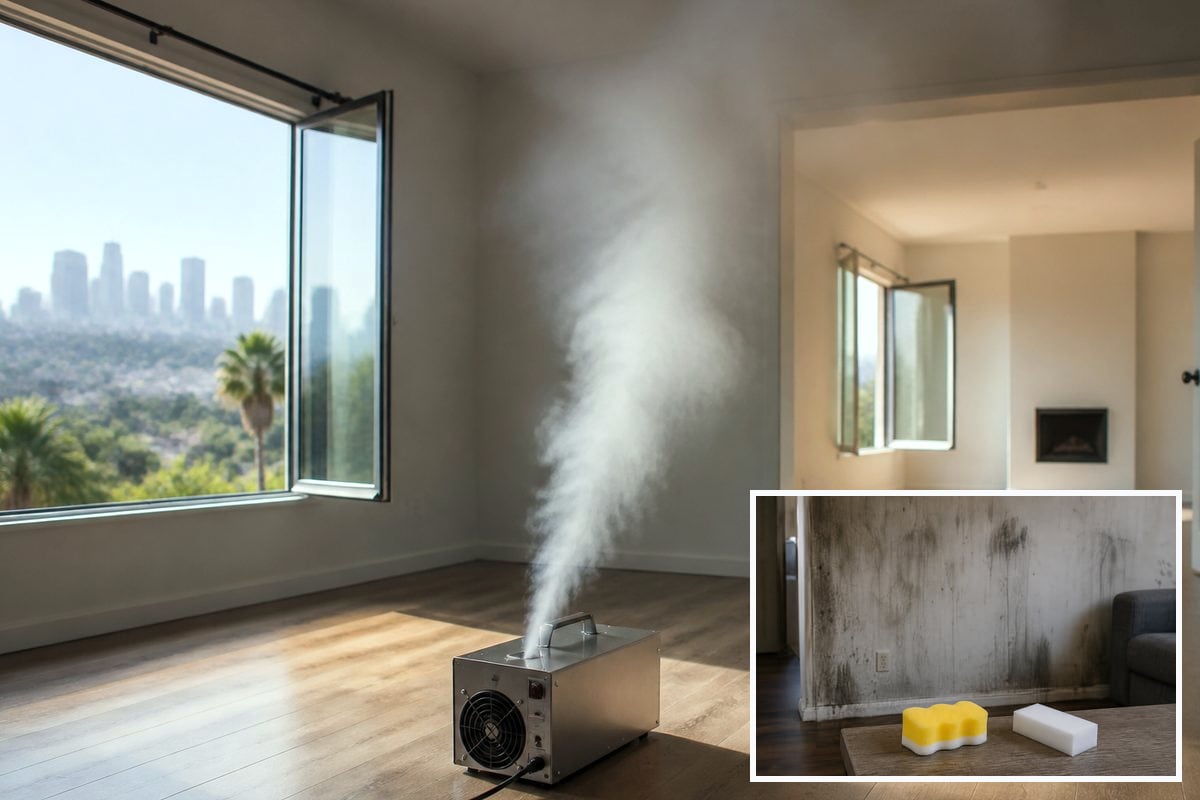
Once surface residue is addressed, dedicated odor treatment, which can include HEPA vacuuming, air scrubbing, or thermal fogging in unoccupied spaces, targets the odor compounds trapped in porous materials and HVAC systems that surface cleaning alone doesn't reach.
How Fire Damage Restoration Works covers where this cleaning step fits within the broader fire restoration process, from initial assessment through final reconstruction.
Does Insurance Cover Smoke Residue Cleanup?
Most homeowners insurance policies provide some coverage for smoke residue cleanup tied to a covered fire event, though exact terms and exclusions depend on your individual policy. As with most fire-related claims, confirming your specific coverage directly with your insurer is the only reliable path.
Documentation matters here too. Photograph affected areas before cleanup begins and keep records of the type of residue identified and the cleaning approach used, since this can support your claim if questions come up about the scope of covered work.
Sewage Cleanup vs. Water Damage Cleanup covers a similarly nuanced insurance classification issue on the water damage side.
Frequently Asked Questions About Smoke Residue Cleaning
What are the main types of smoke residue?
The main types are dry smoke (from fast, high-heat fires burning materials like paper and wood), wet smoke (from slow, smoldering fires involving plastics and synthetics), protein residue smoke (typically from kitchen or grease fires), and fuel or fireplace residue. Each type behaves differently on surfaces and requires a different cleaning approach.
Why can't the same cleaning method be used for every type of smoke residue?
Different residue types bond to surfaces differently. Dry smoke often wipes away more easily, while wet smoke residue is sticky and smears if the wrong method is used. Protein residue is often nearly invisible but carries a strong odor that requires specialized treatment. Using one method for all types can spread damage or fail to remove odor.
How quickly should smoke residue be cleaned after a fire?
Smoke residue can begin bonding more firmly to surfaces and penetrating materials the longer it sits, and corrosive residue can affect metal fixtures over time. Prompt professional assessment helps limit how much residue spreads or embeds into porous materials.
Can I clean smoke residue myself?
Minor, easily accessible surface residue may be manageable with the right protective equipment, but incorrect cleaning methods can smear residue deeper into surfaces or fail to address odor trapped in HVAC systems and porous materials. Professional cleaning uses residue-specific techniques that are difficult to replicate at home.
Is protein residue smoke damage dangerous?
Protein residue from kitchen fires is often nearly invisible but can leave a strong, persistent odor and a thin greasy film. While it may look less severe than heavy soot, it still requires specialized cleaning to fully remove the odor and residue.
Does insurance cover smoke residue cleanup?
Most homeowners insurance policies provide some coverage for fire-related smoke damage, but the specifics depend on your individual policy. Contact your insurance provider to confirm your coverage before beginning cleanup.
How do professionals identify which type of smoke residue is present?
Professionals typically assess the source of the fire, the materials that burned, and the appearance and texture of the residue to determine whether it's dry, wet, protein-based, or fuel residue, which then guides the cleaning approach used.
Get Professional Smoke Residue Cleanup in Los Angeles
Getting the residue type right is the difference between a cleanup that actually works and one that spreads the problem further. LA Water Damage assesses smoke residue type before recommending a cleaning approach for homeowners across Greater Los Angeles, from dry smoke to protein and fuel residue.
Call request a callback or visit contact form to schedule an assessment.