
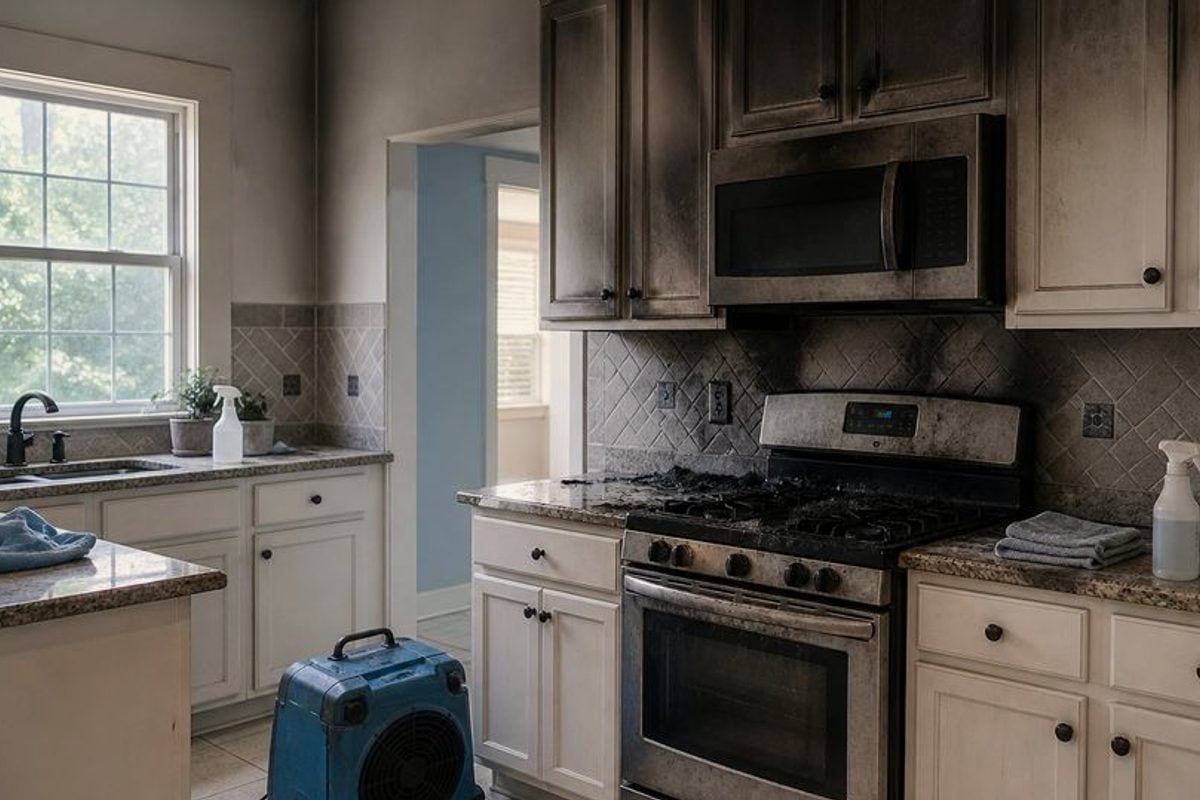
A sewage backup is one of the more unpleasant emergencies a homeowner can face, and it's also one where the wrong first move can turn a bad situation into a genuinely dangerous one. Sewage carries contamination that ordinary water damage doesn't, which changes both the safety calculus and the cleanup approach. Here's exactly what to do, in order, from the moment you discover a backup through getting your property fully restored.
Immediate Safety Steps
The first priority after discovering a sewage backup is keeping people and pets away from the contaminated area, since sewage water falls into what the restoration industry calls category 3 water, meaning it's grossly contaminated and carries real health risk on contact.
Keep People and Pets Away From the Affected Area
Close off the affected room or area immediately, and keep children and pets away from any standing water or wet surfaces. Contamination can spread beyond the visibly wet area through foot traffic, so limiting movement in and out of the space matters from the very first minute.
Protective Clothing and Equipment
Anyone entering the affected area, even briefly, should wear waterproof gloves and boots at minimum, along with eye protection if there's any risk of splashing. Avoid direct skin contact with the water, and wash hands and any exposed skin thoroughly with soap and water immediately afterward.
Ventilation and Cleaning Agent Safety
Open windows and increase ventilation in the affected area if possible, since sewage backups often carry strong odors and airborne contaminants that build up in an enclosed space. Never mix cleaning chemicals, particularly bleach and ammonia-based products, since the combination can produce dangerous fumes.
If you're dealing with an active backup right now, call request a callback for emergency assistance.
Is Sewage Backup Dangerous? Understanding the Health Risks
Yes, sewage backup is dangerous, because it carries bacteria, viruses, and other pathogens that pose genuine health risks on contact or through airborne exposure. This is why the restoration industry classifies raw sewage as category 3 water, the most contaminated of the three recognized water damage categories.
Category 3 water can contain everything from E. coli and other bacteria to viruses and parasites, depending on the source of the contamination. Direct contact, inhalation of contaminated aerosols, and even secondary contamination from touching surfaces that were exposed all carry health risk, which is why proper protective equipment and, in many cases, professional remediation matter more here than with cleaner categories of water damage.
DIY Cleanup vs. Calling a Professional
Whether you can safely handle a sewage backup yourself depends mainly on the size of the spill, how long it's been sitting, and whether it's confined to a small, easily cleaned area. Small, contained backups with proper protective equipment may be manageable without a professional. Larger backups, standing water, or contamination that's been sitting for more than a few hours generally call for professional extraction and disinfection.
| Factor | DIY May Be Appropriate | Call a Professional |
|---|---|---|
| Size of spill | Small, contained to one hard-surface area | Covers multiple rooms or a large area |
| Time exposed | Discovered and addressed quickly | Sitting for hours or discovered late |
| Materials affected | Hard, non-porous surfaces only | Carpet, drywall, subflooring, upholstery |
| Equipment needed | Basic PPE and disinfectant | Industrial extraction and air scrubbing equipment |
| Health risk factors | Healthy adults, no vulnerable household members | Children, elderly, or immunocompromised residents present |
When DIY Cleanup Is Appropriate
A small sewage spill confined to a hard-surface area like a bathroom floor, discovered quickly and cleaned with proper protective equipment and appropriate disinfectant, is generally within reach for a capable homeowner. Even then, thorough disinfection and drying matter as much as the initial cleanup.
Why Professional Extraction Is Often Necessary
Once sewage water has soaked into carpet, drywall, or subflooring, or covered a larger area, professional extraction becomes the safer and more effective option, since specialized equipment removes contaminated water and moisture that household tools simply can't reach. Professional restoration also brings proper disposal of contaminated materials and verified disinfection, which matters both for health and for insurance documentation. [details pending verification]
What to Remove and What Can Be Saved
Whether an item can be saved after sewage exposure depends mainly on whether it's porous or non-porous, since porous materials absorb contamination in a way that can't be reliably cleaned out.
Flooring, Walls and Building Materials
Carpet and carpet padding exposed to sewage generally cannot be safely saved and should be removed and discarded. Drywall that absorbed contaminated water typically needs to be cut out and replaced, often extending somewhat above the visible water line since moisture wicks upward. Hard flooring like tile or sealed concrete can often be cleaned and disinfected, while wood flooring depends heavily on the extent and duration of exposure.
Furniture, Appliances and Personal Belongings
Non-porous items, such as sealed metal, glass, or hard plastic, can often be cleaned and disinfected successfully. Porous items, including upholstered furniture, mattresses, and fabric-covered belongings, usually cannot be safely salvaged after sewage exposure, since contamination absorbs into the material in a way surface cleaning can't fully remove.
Flood Damage Documentation Checklist for Homeowners and Businesses
Disinfection and Drying the Property
Thorough disinfection follows water extraction, using appropriate disinfectants on all surfaces that contacted contaminated water, not just the areas that look visibly dirty. Drying comes next, and it needs to happen fast, since damp conditions after a sewage backup create the same mold risk as any other water event, generally within 24 to 48 hours in a warm, humid space.
Professional-grade drying equipment, including air movers and dehumidifiers, brings moisture levels in affected materials down faster and more thoroughly than open windows and box fans typically can, particularly once water has reached subflooring or wall cavities.
Restoring the Home or Business After Sewage Damage
Restoration after a sewage backup follows the same general sequence as other water damage restoration, assessment, extraction, disinfection, drying, and then repair or reconstruction of any materials that couldn't be saved, but with extra attention to contamination control throughout. A qualified restoration provider handles proper disposal of contaminated materials, verifies disinfection is complete, and documents the process for insurance purposes.
LA Water Damage provides sewage backup restoration services for homes and businesses across Greater Los Angeles, with attention to relevant licensing or certification, including [details pending verification]. Contact us to begin an assessment.
Preventing Future Sewage Backups
- Install a backwater valve to prevent municipal sewer backups from entering your home.
- Avoid pouring grease, wipes, or other non-flushable items down drains.
- Schedule periodic sewer line inspections, especially in older homes with clay or cast iron pipe.
- Address slow drains or gurgling sounds early, before they become a full backup.
- Consider root treatment if trees near your sewer line have caused problems before.
A deeper look at exactly what causes sewer backups, and how to prevent them long term, is worth reading if this is a recurring issue at your property.
Frequently Asked Questions About Sewage Backup Cleanup
Can sewage contamination spread to rooms that weren't visibly flooded?
Yes. Sewage water can wick into walls, subflooring, and adjoining rooms through porous materials even when standing water is confined to one area. Airborne contaminants can also spread through HVAC systems, which is why a full assessment matters.
Can furniture and personal belongings be saved after sewage exposure?
It depends on the material and how long it was exposed. Non-porous items like sealed metal or glass can often be cleaned and disinfected, while porous items such as upholstered furniture, carpet, and drywall usually cannot be safely salvaged.
Does homeowners insurance cover sewage backup cleanup?
Coverage varies by policy. Many standard policies exclude sewer backup unless a specific endorsement or rider was added. Check your policy directly or speak with your insurer to confirm what's covered.
Is it safe to clean up sewage myself?
Small, contained backups may be manageable with proper PPE and disinfection, but sewage carries bacteria and pathogens that pose real health risks. Larger backups, standing water, or exposure lasting more than a few hours generally call for professional extraction.
How much does sewage backup cleanup cost?
Cost depends on the extent of contamination, materials affected, and square footage involved. [details pending verification]
What personal protective equipment do I need for sewage cleanup?
At minimum, waterproof gloves, boots, and eye protection are recommended, along with a well-ventilated space. Avoid direct skin contact with sewage water and wash thoroughly afterward.
Next Steps
Sewage backups need a fast, careful response, both for your health and for your property. If you're dealing with an active backup or need professional cleanup and restoration, LA Water Damage is available to help across Greater Los Angeles. Call request a callback or visit contact form.
---