
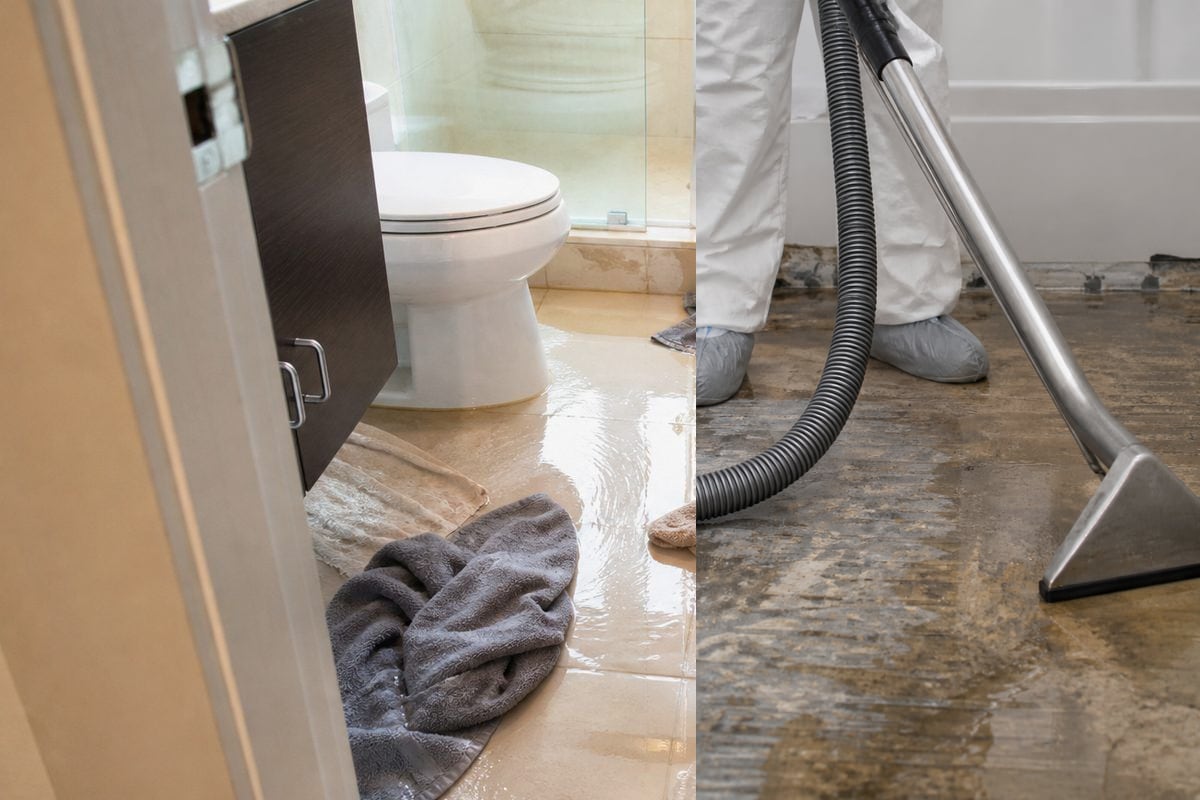
Once you've decided to call a professional after a sewage backup, the next question is usually simple: what exactly are they going to do? This guide walks through the full sewage decontamination process, from the first safety assessment to final reconstruction, so you know what to expect at every stage. If you're still deciding whether a backup needs professional attention at all, Why Sewage Water Requires Professional Cleanup covers why Category 3 water requires this level of process in the first place.
The Sewage Decontamination Process at a Glance
Professional sewage decontamination generally follows six stages, starting with safety assessment and containment, moving through extraction, disinfection, and structural drying, and finishing with waste disposal and restoration. Knowing the sequence helps you understand why a technician can't simply "clean it up and go" in one visit.
- Safety assessment and containment
- Sewage extraction and material removal
- Cleaning and disinfection
- Structural drying
- Waste disposal and equipment decontamination
- Restoration and repair
Each stage depends on the one before it. Skipping containment, for example, risks spreading contamination into the drying and disinfection phases that follow.
Step 1: Safety Assessment and Containment
The first step in professional sewage cleanup is a safety assessment that identifies the extent of contamination and sets up physical containment before any cleanup begins. This protects both the technician and the rest of the property from cross-contamination during the work that follows.
Personal Protective Equipment and Site Safety
Technicians working in a Category 3, or black water, environment wear protective suits, gloves, and respiratory protection appropriate to the level of contamination present. This isn't precautionary theater. Raw sewage can carry bacteria, viruses, and parasites, and PPE is what makes it possible to safely work in direct contact with contaminated materials for extended periods.
Containing the Contaminated Area
Physical barriers, such as plastic sheeting and negative air pressure where needed, keep contaminated air and debris from spreading into unaffected parts of the property while work is underway. In multifamily buildings common across Greater Los Angeles, this containment step matters even more, since shared hallways, stairwells, and HVAC systems can otherwise carry contamination into units that were never directly affected.
Step 2: Sewage Extraction and Material Removal
Sewage extraction removes standing contaminated water first, followed by removal of porous materials that absorbed water and cannot be safely decontaminated in place. Extraction equipment pulls water out of carpet, flooring, and any pooled areas, which stops ongoing wicking into surrounding materials.
Materials commonly removed at this stage include saturated carpet and padding, affected drywall, and in some cases insulation and subflooring, depending on how long the water sat and how far it traveled. What Materials Must Be Removed After Sewage Damage? covers exactly which materials fall into this category and how that decision gets made, so this article won't duplicate the full breakdown here.
Step 3: Cleaning and Disinfection
Cleaning and disinfection targets pathogens that have penetrated surfaces and materials, going well beyond removing visible waste and debris. This is the step that separates decontamination from ordinary cleaning, and it's worth understanding in a bit more detail.
How Disinfectants Are Selected
Restoration professionals use disinfectants appropriate for the type and level of contamination present, chosen for their effectiveness against the categories of pathogens associated with sewage exposure. Product selection also accounts for the surface being treated, since a disinfectant safe on tile may not be appropriate for wood or fabric.
Application and Verifying Effectiveness
Disinfectant is applied to all affected nonporous and semi-porous surfaces, and technicians typically allow the recommended contact time before wiping down or rinsing, since disinfectants need time on a surface to work. Verification generally involves visual inspection and moisture testing to confirm the area is ready for the next phase, rather than a single wipe-and-done pass.
Step 4: Structural Drying
Structural drying uses air movers and dehumidifiers to bring moisture levels in walls, flooring, and framing back to a safe range after cleaning and disinfection are complete. This step matters because even a fully disinfected surface can support mold growth if it stays wet, undoing the decontamination work that came before it.
Technicians use moisture meters to track drying progress across different materials, since wood, drywall, and concrete all dry at different rates. In Los Angeles, marine-layer humidity near the coast can slow this process compared to drier inland areas, which is one reason drying times vary property to property rather than following a fixed schedule.
Step 5: Waste Disposal and Equipment Decontamination
Materials removed during cleanup that cannot be salvaged are bagged, sealed, and disposed of according to local guidelines for contaminated waste, while equipment used on site is cleaned and disinfected before it leaves the property. [details pending verification] for specifics on regional disposal requirements that apply to your property. This step also protects against a subtle risk, that equipment carrying trace contamination gets moved to the next job site without proper decontamination.
Step 6: Restoration and Repair
Once the property is fully dry and disinfected, restoration and repair work begins, which can include replacing drywall, flooring, and any structural elements that were removed earlier in the process. This phase turns a decontaminated, empty space back into a livable or usable room, and it's where the visible progress of the project usually becomes obvious again after the less visible work of drying and disinfection.
LA Water Damage coordinates the transition from decontamination to reconstruction so you're not managing separate contractors for each phase. Call request a callback or visit contact form to schedule an assessment.
How Long Does Sewage Decontamination Take
There is no single timeline for sewage decontamination, since it depends on how much material needs removal, how far contamination traveled, and how long the water sat before cleanup began. A contained bathroom backup discovered quickly looks nothing like a multi-room event that sat overnight, and the two require very different amounts of removal, drying, and disinfection time. A technician can give you a property-specific estimate only after an on-site assessment, which is why timelines aren't quoted upfront without seeing the damage.
Frequently Asked Questions About Sewage Decontamination
How long does professional sewage decontamination take?
Timeline depends on the extent of contamination, how many materials need removal, and how long the water sat before cleanup began. Minor incidents may resolve faster than large-scale backups affecting multiple rooms. A technician can give you a property-specific estimate after an on-site assessment.
What's the difference between cleaning and decontaminating sewage-affected areas?
Cleaning removes visible waste and debris. Decontamination goes further, addressing pathogens that have penetrated surfaces and porous materials, using targeted disinfection and, when needed, material removal to eliminate contamination that cleaning alone cannot reach.
Can sewage contamination spread beyond the area I can see?
Yes. Contaminated water can wick into subflooring, wall cavities, and adjoining rooms through porous materials and airflow. This is why professional assessment typically covers a wider footprint than the visibly affected area alone.
What should I avoid doing after discovering a sewage backup?
Avoid walking through the contaminated area unprotected, using fans that could spread airborne contaminants before containment, and attempting to clean porous materials like carpet with household products. This can spread pathogens rather than remove them.
How is contaminated waste disposed of after sewage cleanup?
Contaminated materials that cannot be salvaged are typically bagged, sealed, and disposed of according to local waste-handling guidelines for biohazard material. [details pending verification] for specifics on regional disposal requirements.
Is the disinfection process safe for people and pets in the home?
Professional-grade disinfectants are applied by trained technicians following product safety guidelines, and treated areas are typically allowed to dry and off-gas before re-occupancy. Always follow the technician's specific re-entry guidance for your property.
If you're weighing whether a backup at your property needs this full process or something lighter, Why Sewage Water Requires Professional Cleanup explains the health reasoning behind it, and Basement Sewage Backup Cleanup Guide covers how this process applies specifically to below-grade spaces. For a walk-through of what happens at your property, call LA Water Damage at request a callback or visit contact form.
---