
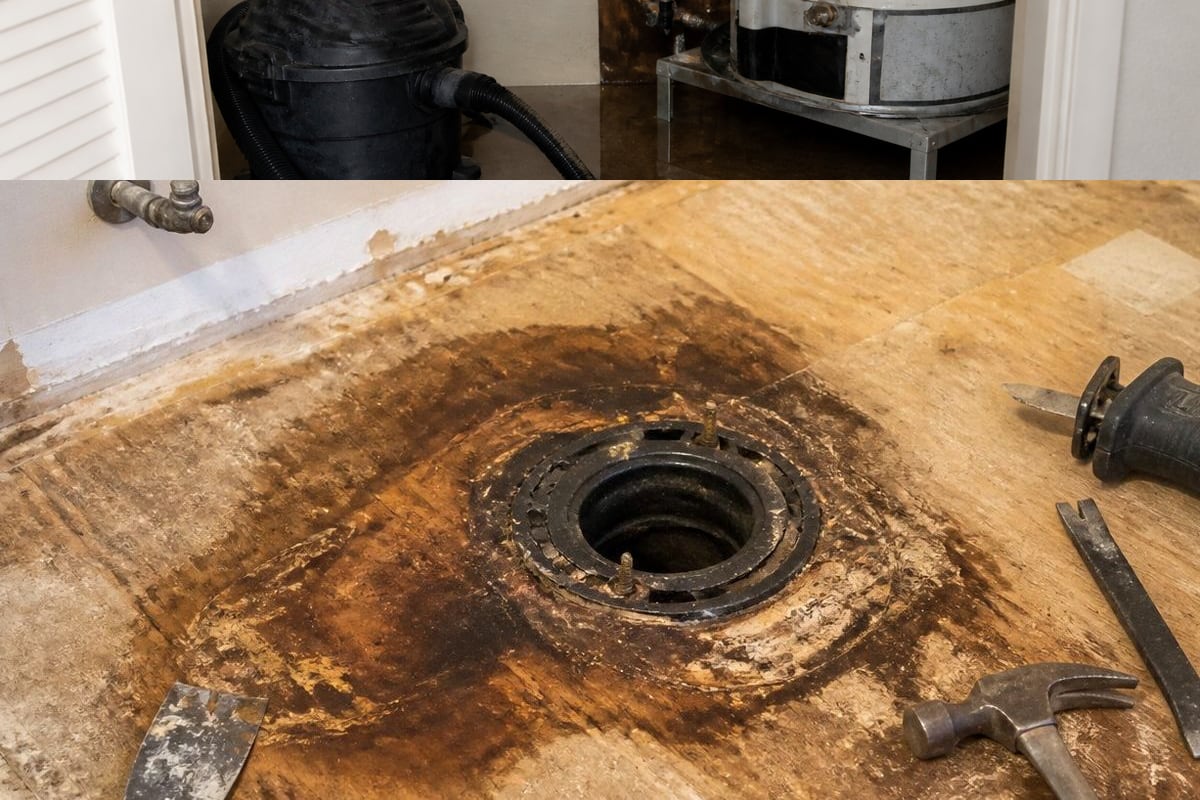
A toilet overflow is one of those household moments that triggers instant panic, and the first question most people ask is the right one: is this clean water or sewage? The honest answer is that it depends entirely on what caused the overflow, not on how the water looks. A toilet overflowing from a stuck fill valve is a very different event than one backing up from a clogged sewer line, even though both leave water on your bathroom floor.
This guide walks through how to tell the difference, what to do in the first ten minutes, and when a spill that looks manageable actually needs a trained restoration professional. Whether you're dealing with a single overflow or worried about a recurring problem in a Greater Los Angeles apartment or older home, understanding the water category is the first step toward handling it safely.
Is Toilet Overflow Water Always Contaminated?
No. Toilet overflow water falls into one of three general categories, and the source of the overflow, not the fact that it came from a toilet, determines which one you're dealing with. Restoration professionals use an industry water-category classification system ([details pending verification]) to describe contamination levels, and understanding these categories helps you judge risk correctly instead of guessing.
Clean Water (Category 1)
Category 1 water comes from a clean source, such as a supply line issue or a stuck fill valve that overflows the tank or bowl before any waste has entered the water. This water hasn't touched sewage and generally poses low health risk if it's addressed quickly. That said, clean water doesn't stay clean forever, which matters more than most people realize.
Gray Water (Category 2)
Gray water carries some level of contamination, often chemical or biological, but isn't raw sewage. An overflow that has picked up soap residue, cleaning products, or minor organic matter typically falls here. It carries more risk than clean water and should be treated with caution, including gloves and proper ventilation during cleanup.
Black Water / Sewage (Category 3)
Black water is grossly contaminated and includes water containing human waste, which is what most people mean when they say "sewage." This category carries bacteria, viruses, and other pathogens capable of causing illness. Black water overflows, whether from a clogged toilet backing up waste or a sewer main issue pushing water back into the home, require professional handling in nearly every case.
| Category | Typical Cause | Contamination Level | Recommended Response |
|---|---|---|---|
| Category 1 (Clean) | Fill valve or supply line malfunction | Low, if addressed quickly | Prompt DIY extraction often acceptable |
| Category 2 (Gray) | Overflow with soap, minor waste residue | Moderate | Caution advised, PPE recommended |
| Category 3 (Black/Sewage) | Waste backup, clogged drain, sewer main issue | High | Professional cleanup strongly recommended |
How Fast Does Clean Water Turn Into Sewage?
Standing water begins picking up bacteria from flooring, subflooring, and surrounding surfaces within hours, not days. Even water that started out clean doesn't stay that way once it sits on bathroom tile, seeps under baseboards, or soaks into grout lines that already carry bacteria from normal bathroom use.
The exact timeframe shifts depending on room temperature, humidity, and what the water is sitting on. A tile floor in a well-ventilated bathroom holds up better than water pooling against drywall or carpet padding. This is exactly why a "small, clean" overflow still deserves prompt attention. The sooner it's addressed, the lower the contamination risk becomes, and the less likely you are to need extensive material removal later.
What to Do in the First 10 Minutes After a Toilet Overflows
The first ten minutes should focus on stopping the water source, protecting people and belongings, and avoiding actions that make the overflow worse. Speed matters here more than technique.
Stop the Water Source
Locate the shutoff valve behind or beside the toilet, usually a small oval handle low on the wall, and turn it clockwise until it stops. If you can't find it or it's stuck, shutting off the main water supply to the home is the next fastest option. Stopping the water source is always the first priority, before you touch a mop or towel.
Protect People, Pets, and Belongings
Keep children and pets out of the affected area, especially if there's any chance the water is Category 2 or 3. Move rugs, towels, trash cans, and anything on the floor away from the spreading water. If the overflow is significant, unplug nearby electronics or outlets if it's safe to do so without stepping in water.
Do Not Flush Again
Flushing again seems like an instinctive fix, but it almost always makes things worse if the overflow is caused by a clog or blockage further down the line. Do not attempt to plunge a toilet that's actively overflowing from a suspected main-line backup, since this can push contaminated water further into the bathroom or force it back up faster.
Why Did the Toilet Overflow? Common Causes
Most toilet overflows trace back to a blockage somewhere in the plumbing system, ranging from a simple clog to a much larger sewer line problem. Knowing the likely cause helps you judge whether this is a one-time fluke or a sign of something bigger.
- A clog caused by too much toilet paper, wipes, or a foreign object
- A partially blocked drain line further down the plumbing system
- Tree root intrusion into an older sewer lateral, common in Greater Los Angeles neighborhoods with mature trees and mid-century plumbing
- A blocked or overloaded sewer main affecting multiple fixtures at once
- A malfunctioning fill valve or float causing a clean-water overflow unrelated to any blockage
Warning Signs a Plumber Should Check
If your toilet has overflowed more than once, or if other drains in the home are also slow or gurgling, that pattern points to something beyond a simple clog. Multiple fixtures backing up around the same time is a strong signal of a main line issue, not a one-off user error, and it's worth having a licensed plumber inspect the line before the next overflow happens. How to Prevent Sewer and Drain Backups
Overflows in Apartments and Multi-Unit Buildings
In apartments, condos, and other multi-unit buildings common throughout Greater Los Angeles, an overflow doesn't always stay contained to one unit. Shared plumbing lines mean water can travel between floors, affecting the unit below and shared structural elements like subflooring and ceiling drywall. Property management or an HOA typically needs to be notified quickly, both to address the plumbing issue and to coordinate any necessary restoration work across affected units.
DIY Cleanup vs. Calling a Restoration Professional
A small, clean-water overflow caught within minutes can often be handled with towels, a wet vacuum, and disinfectant, but black water overflows and anything that has soaked into flooring or drywall generally call for professional cleanup. The deciding factor isn't how the job looks, it's the water category and how far it has spread.
When You Might Handle It Yourself
If the overflow is confirmed Category 1, caught quickly, limited to a hard-surface floor, and hasn't reached baseboards or adjacent rooms, cleaning it up yourself with proper ventilation and disinfectant is often reasonable.
When to Call Professionals Immediately
Any suspected Category 3 sewage overflow, standing water that has soaked into carpet, drywall, or subflooring, or an overflow affecting more than a small area should go to trained professionals. The health risk from contaminated water isn't something consumer-grade cleaning products are designed to fully address.
The Professional Toilet Overflow Cleanup Process
Professional cleanup follows a structured process built around assessment, extraction, material removal, sanitization, and verified drying, not just mopping up visible water. Each step exists to address contamination that isn't visible to the eye.
Assessment and Contamination Testing
A trained technician first identifies the water category and maps how far it has traveled, checking under flooring and behind baseboards where water often spreads unseen.
Water Extraction and Removal
Industrial extraction equipment removes standing water far more thoroughly than a household wet vacuum, reducing how long contaminants sit on surfaces.
Removal of Unsalvageable Materials
Porous materials that have absorbed Category 3 water, such as carpet padding, drywall, or particleboard, often can't be safely sanitized and need to be removed and properly disposed of.
Antimicrobial Treatment and Sanitization
Affected surfaces are treated with antimicrobial products designed to address bacteria and pathogens left behind, not just visible residue.
Structural Drying and Verification
Commercial dehumidifiers and air movers dry the structure fully, and moisture meters verify that hidden moisture inside walls or subflooring has actually returned to a safe level before the job is considered complete.
If you're dealing with a toilet overflow that involves suspected sewage contamination anywhere in Greater Los Angeles, contact LA Water Damage at request a callback or contact form. [details pending verification]
Health Risks of an Untreated Toilet Overflow
Untreated sewage-contaminated water carries real health risks, including exposure to E. coli and other bacteria commonly found in human waste. Beyond the immediate contamination, standing water of any category that isn't fully dried within a reasonable window creates conditions for mold growth, which brings its own respiratory concerns.
- Bacterial and viral pathogens from Category 3 water can cause gastrointestinal illness with direct contact
- Respiratory irritation can develop from mold growth in materials left damp too long
- Skin irritation is possible from prolonged contact with contaminated water
- Children, pets, and immunocompromised individuals face elevated risk and should be kept away from the affected area until it's fully addressed
Common Mistakes That Make the Damage Worse
The most common mistake is treating a toilet overflow as a surface cleaning job when contamination has actually reached the subfloor or wall cavities. A handful of avoidable errors show up again and again.
- Using consumer-grade wet vacuums or mops on Category 3 water instead of proper extraction equipment
- Waiting hours or days before addressing standing water, giving bacteria and moisture more time to spread
- Cleaning only visible surfaces while water has already soaked into baseboards or subflooring
- Skipping antimicrobial treatment because the area "looks clean" afterward
- Not checking for water that traveled to an adjacent room or, in multi-unit buildings, the unit below
Does Insurance Cover Toilet Overflow Cleanup?
Coverage depends on the cause of the overflow and the specific terms of your policy, and there's no universal yes or no answer. Some policies cover sudden, accidental overflows while excluding damage tied to lack of maintenance or a sewer backup unless you've added a specific endorsement. Confirming coverage directly with your insurance provider before assuming reimbursement is the only reliable path forward. Does Insurance Cover a Sewage Backup?
How to Prevent Future Toilet Overflows
Most future overflows are preventable with a few consistent habits and periodic maintenance checks.
- Avoid flushing wipes, paper towels, or anything other than toilet paper and human waste
- Watch for early warning signs like slow drainage or gurgling sounds in other fixtures
- Have a licensed plumber inspect the line if overflows happen more than once
- Know where your shutoff valve is before you need it in an emergency
For a full breakdown of prevention strategies, including backwater valves and seasonal considerations for Greater Los Angeles rainfall, see How to Prevent Sewer and Drain Backups.
Frequently Asked Questions About Toilet Overflow Cleanup
Is toilet overflow water always sewage?
No. Toilet overflow water falls into three general categories, clean water from a fresh supply line issue, gray water that's mildly contaminated, and black water or sewage from waste. The category depends on the cause of the overflow, not just the fact that it came from a toilet. When in doubt, treat it as contaminated until confirmed otherwise.
How long before clean water becomes contaminated?
Standing water begins picking up bacteria and contaminants from flooring, subflooring, and surrounding materials within a matter of hours, not days. The exact timeframe varies with temperature, humidity, and surface type, which is why prompt extraction matters even for overflows that start as clean water.
Can I clean up a toilet overflow myself?
A small clean-water overflow caught quickly can often be handled with towels, a wet vacuum, and disinfectant. Black water overflows, standing water that has soaked into flooring or drywall, or any overflow affecting more than a small area should be handled by trained professionals due to contamination risk.
What should I do first when my toilet overflows?
Stop the water at the shutoff valve behind the toilet, remove people and pets from the area, avoid flushing again, and start protecting nearby belongings and flooring. Do not attempt to plunge a toilet that is actively overflowing from a suspected main-line blockage.
Does homeowners insurance cover toilet overflow damage?
It depends on the cause and your specific policy. Some policies cover sudden, accidental overflows while excluding damage from lack of maintenance or sewer backups without an added endorsement. Confirm coverage details directly with your insurance provider. See our full guide on sewage backup insurance coverage.
Why does my toilet keep overflowing?
Recurring overflows usually point to a clog further down the line, a partially blocked sewer main, tree root intrusion, or a venting issue rather than a one-time user error. If overflows repeat, a plumber should inspect the line before more cleanup is needed.
Is toilet overflow water dangerous even if it looks clear?
Clear-looking water is not automatically safe. Overflow water can still carry bacteria from the plumbing system even when it does not appear cloudy or discolored, so visual inspection alone is not a reliable safety test.
What happens if a toilet overflows in an apartment or condo?
In multi-unit buildings, overflow water can travel between units and floors, affecting neighbors below and shared structural elements. Property management or an HOA typically needs to be notified quickly, and professional assessment helps determine the full extent of the damage.
Need Emergency Toilet Overflow Cleanup in Greater Los Angeles?
If you're dealing with a toilet overflow anywhere in Greater Los Angeles and you're unsure whether it's clean water or sewage, LA Water Damage can assess the situation and handle extraction, sanitization, and drying properly. [details pending verification] Call request a callback or reach out through contact form to get started. [details pending verification]
---