
Most standard homeowners and renters policies do not automatically cover sewer backup damage, which surprises a lot of people at the worst possible moment. Coverage generally requires a specific endorsement added to your policy, and without one, you could be facing the full cost of cleanup and repairs on your own. The details vary by insurer and by policy, so the only way to know your actual coverage is to check your declarations page or ask your agent directly.
This guide explains what causes a sewer backup, how standard coverage typically works, what a backup endorsement actually includes, and what to do immediately if a backup happens in your Greater Los Angeles home.
What Causes a Sewer Backup?
Sewer backups typically happen when something blocks water from flowing normally through the sewer line, forcing it back up through the lowest drains in a home. Understanding the common causes helps you judge whether your situation might qualify for coverage under your specific policy language.
- Clogs from grease, wipes, or foreign objects in the line
- Tree root intrusion into aging sewer laterals
- Municipal sewer main overload, often during heavy rain
- Aging or damaged pipes, common in older Greater Los Angeles housing stock
- Deferred maintenance on private sewer lines
For a full prevention guide, see How to Prevent Sewer and Drain Backups.
Does Standard Homeowners or Renters Insurance Cover It?
Generally, no. Most standard homeowners and renters policies specifically exclude sewer and drain backup damage unless a separate endorsement or rider has been added. This is one of the more commonly misunderstood exclusions in residential insurance, because people assume any water damage inside their home is automatically covered.
The only reliable way to confirm your own situation is to review your policy's declarations page for a sewer backup endorsement, or to call your agent and ask directly. Insurers vary in how they word this coverage, so don't assume your policy behaves the same way a neighbor's or a friend's does.
What Is a Sewer Backup Endorsement?
A sewer backup endorsement is an add-on to a standard policy that specifically covers damage from water backing up through drains or sewer lines, which would otherwise be excluded. It's typically available for a modest additional premium and needs to be requested specifically. It isn't automatically included in most base policies.
What a Sewer Backup Endorsement Typically Covers
- Damage to the structure of the home from backed-up sewage or drain water
- Damage to personal belongings affected by the backup
- Cleanup and remediation costs, up to policy limits
What It Typically Does Not Cover
- Damage caused by lack of maintenance on the homeowner's own private sewer line
- Flooding from external sources like rising groundwater, which usually requires separate flood insurance
- Backups exceeding the endorsement's specific coverage limit, which is often lower than the policy's overall dwelling coverage
How Much Does Adding Sewer Backup Coverage Cost?
Sewer backup endorsement costs vary by insurer, location, and coverage limit, and no single figure applies universally across policies. [details pending verification] Rather than relying on a generic number, ask your insurance agent for a quote specific to your policy and coverage limit preference, since this is typically one of the more affordable endorsements available.
Is Sewer Backup Coverage Worth It?
For many homeowners, the relatively modest cost of adding sewer backup coverage is worth weighing against the significant expense of an uncovered sewage event, though the right answer depends on your individual risk factors and budget.
Reasons it may be worth adding:
- Older homes with aging pipes carry higher backup risk
- Properties near mature trees face elevated root intrusion risk
- The cost of an endorsement is typically much lower than the cost of an uncovered cleanup and repair
Reasons some homeowners skip it:
- Newer plumbing systems may carry lower backup risk
- Some homeowners prioritize other coverage additions based on their specific property risks
- Coverage limits on the endorsement may not fully cover a severe event anyway
Who Is Responsible for a Sewer Backup: You or the City?
Responsibility for a sewer backup generally depends on where the blockage occurs, with the private sewer lateral typically falling to the property owner and the municipal main line typically falling to the city or utility. The private lateral is the pipe connecting your home to the public sewer main, and issues within that section are usually your responsibility to fix and, in many cases, your responsibility to pay for related damage.
If the blockage originates in the municipal main line itself, and multiple properties are affected simultaneously, the city or utility may bear some responsibility, though this varies by jurisdiction and often requires documentation to establish. Confirming the specific rule for your property with your local water or sewer authority is worth doing before assuming either way. [details pending verification]
What to Do Immediately After a Sewer Backup
Acting quickly and safely after a sewer backup limits both health risk and property damage.
- Avoid contact with the contaminated water and keep children and pets away from the area
- Ventilate the space if possible by opening windows, but avoid using central HVAC if the backup is near ductwork
- Turn off electricity to the affected area if you can do so safely without stepping in water
- Call a professional restoration company rather than attempting cleanup of black water yourself
- Avoid touching or moving contaminated materials until documentation is complete
Toilet Overflow Cleanup: Clean Water or Sewage?
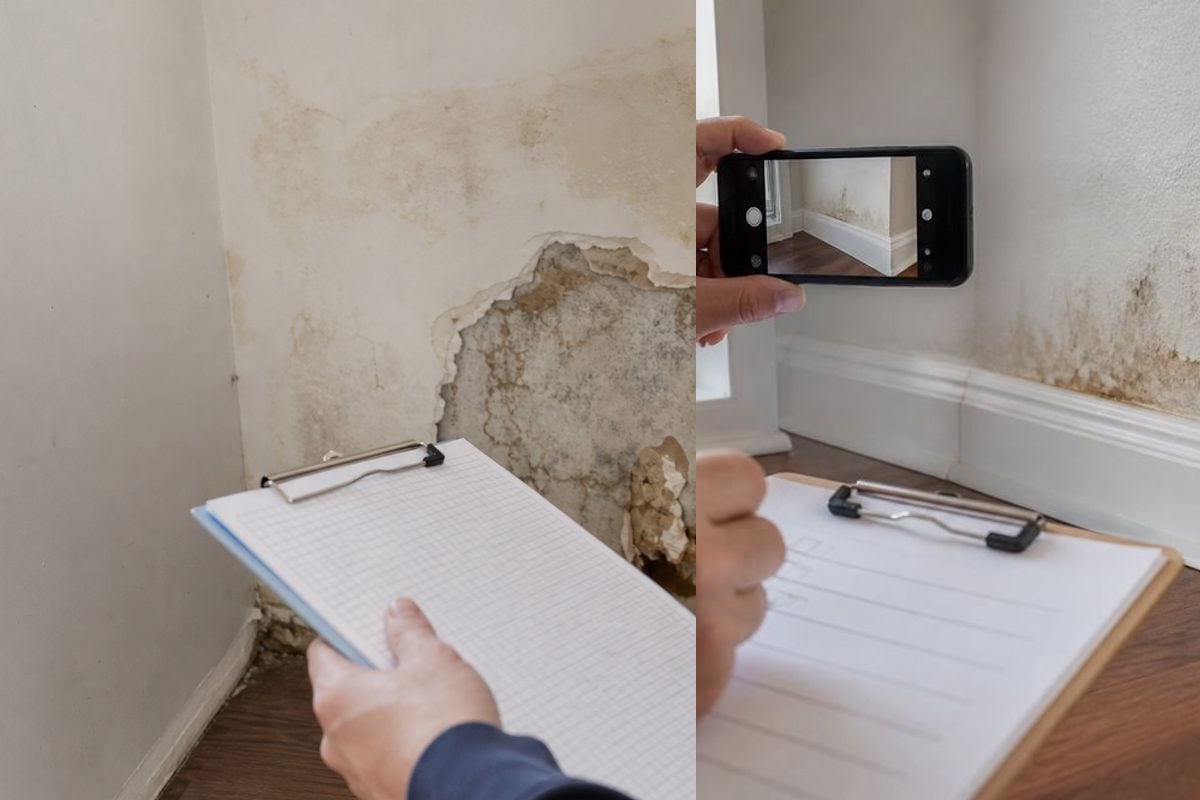
Documenting Sewage Damage for an Insurance Claim
Thorough documentation before and during cleanup is one of the most important things you can do to support an insurance claim, regardless of whether coverage ultimately applies. Insurers rely heavily on documentation to evaluate claims, and gaps in that record can slow down or complicate the process.
- Photos and video of all affected areas before any cleanup begins
- A written timeline of when the issue was discovered and reported
- Moisture readings and an itemized loss list from your restoration provider
- All invoices and communication records related to the cleanup
Look for a restoration company that documents every job thoroughly, since that record becomes the backbone of your claim. Sewage Cleanup Cost Factors
Frequently Asked Questions About Sewer Backup Insurance
Does homeowners insurance automatically cover sewer backup?
Generally, no. Most standard homeowners policies exclude sewer and drain backup damage unless a specific endorsement or rider has been added. Coverage details vary by insurer and policy, so the only reliable way to know is to check your declarations page or ask your agent directly.
Is a toilet backup covered by insurance?
It depends on the cause. A backup from a plumbing malfunction inside your home may be treated differently than one caused by a municipal sewer line issue. Review your policy's water damage and sewer backup provisions, or ask your insurer directly, since terms vary.
Does renters insurance cover sewer backup?
Renters insurance can sometimes include or offer sewer backup coverage for personal belongings, though building and structural repairs are typically the landlord's or property owner's responsibility. Renters should confirm what their specific policy includes with their insurance provider.
What's the difference between sewer backup coverage and flood insurance?
Sewer backup coverage generally applies when water backs up through drains or plumbing, while flood insurance covers water entering from outside the home, such as rising groundwater or overflowing waterways. The two are usually separate coverages, and having one does not guarantee the other.
Who is responsible for a sewer backup, me or the city?
Responsibility often depends on where the blockage occurs. Issues within your property's private sewer lateral are typically the homeowner's responsibility, while problems in the municipal main line may fall to the city or utility. Jurisdiction rules vary, so this is worth confirming locally.
How do I document sewage damage for an insurance claim?
Take photos and video of the damage before any cleanup begins, keep a written timeline of when you discovered and reported the issue, save all receipts and invoices, and request detailed documentation from your restoration company, including moisture readings and an itemized loss list.
Will filing a sewer backup claim raise my insurance rates?
This varies by insurer, your claims history, and state regulations, and it is not something a restoration company can answer on your insurer's behalf. Ask your insurance agent directly how a claim like this may affect your premium before and after filing.
Get Help Documenting Sewage Damage in Greater Los Angeles
LA Water Damage is not an insurance provider and cannot confirm what your policy covers, but we can thoroughly document a sewage event to support your claim, whatever the outcome. If you're dealing with a sewer backup anywhere in Greater Los Angeles, call request a callback or contact us at contact form. [details pending verification]
---