
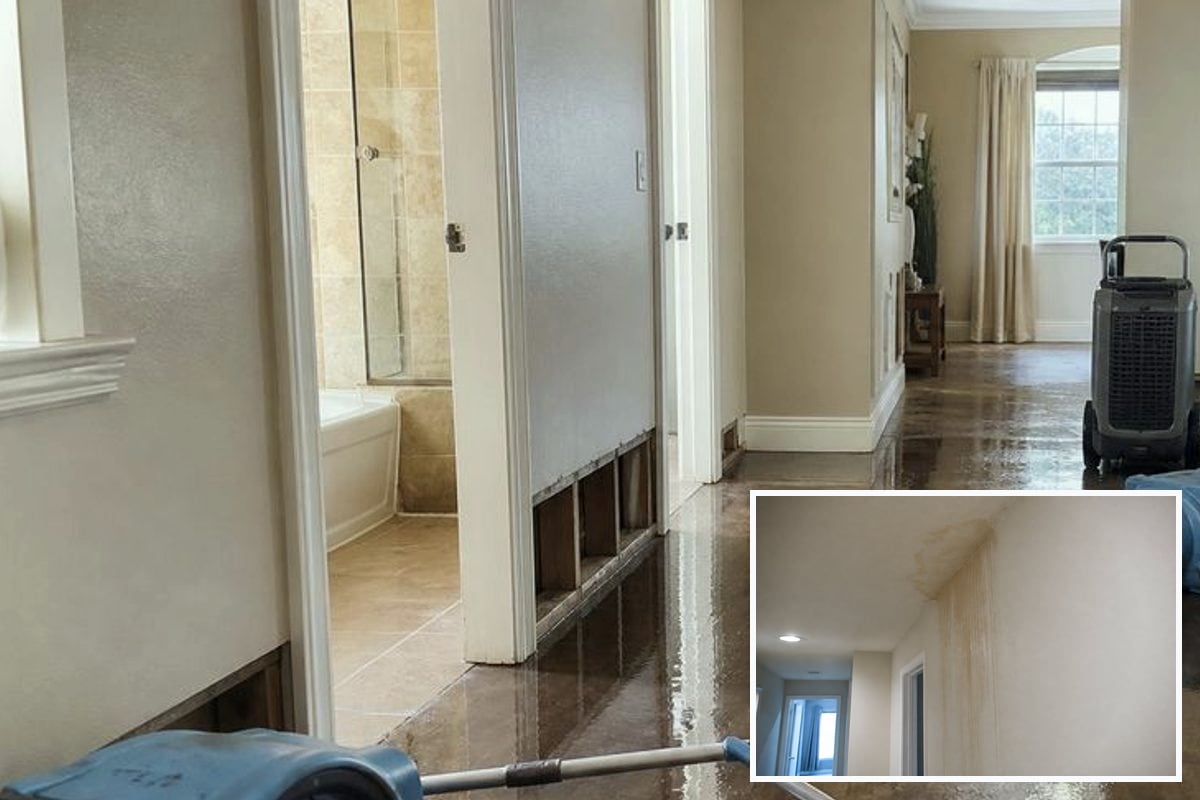
Nobody deals with a sewage backup and wants a vague answer about what it's going to cost. The honest reality is that sewage cleanup pricing depends on several variables specific to your situation, and no reputable company can give you an accurate number without inspecting the damage first. What a homeowner or business owner can do ahead of time is understand exactly which factors drive cost up or down, so an estimate makes sense instead of feeling like a mystery.
This guide breaks down the real cost drivers behind sewage cleanup, what additional expenses often follow, how insurance may or may not help, and the right questions to ask before hiring anyone.
What Determines the Cost of Sewage Cleanup?
Sewage cleanup cost is driven primarily by the extent of the affected area, the category of water involved, and the accessibility and type of materials that need to be removed or treated. These four factors interact with each other, which is why two seemingly similar jobs can end up priced very differently.
Extent of Damage
Larger affected areas generally cost more because they require more extraction, more antimicrobial treatment, and more drying equipment running for longer. A single bathroom overflow contained to one room is a very different scope than water that traveled under flooring into an adjacent hallway or room.
Water Category (Clean, Gray, or Black Water)
Black water contamination increases cost because it typically requires removal of porous materials that can't be safely sanitized, in addition to the extraction and drying work needed for any water event. Clean water damage, by comparison, often allows more materials to be dried and salvaged in place. Toilet Overflow Cleanup: Clean Water or Sewage?
Location and Accessibility of the Affected Area
A ground-floor bathroom with clear access costs less to address than a second-floor unit in a multi-story building or a space with limited equipment access. Accessibility affects both labor time and the type of equipment that can realistically be brought in.
Materials Affected
Carpet, drywall, subflooring, and cabinetry each respond differently to contaminated water, and some can be cleaned and dried in place while others need to be removed entirely. The mix of materials involved has a direct effect on scope.
| Cost Factor | Lower Cost Scenario | Higher Cost Scenario |
|---|---|---|
| Extent of damage | Small, contained area | Multiple rooms or levels affected |
| Water category | Category 1 (clean) | Category 3 (black water) |
| Accessibility | Ground floor, open access | Upper floor, tight access points |
| Materials affected | Hard flooring, tile | Carpet, drywall, subflooring |
Additional Costs to Expect
Beyond the core extraction and sanitization work, several related costs often follow a sewage event, and it's worth planning for them rather than being surprised later.
Repairs
Once cleanup is complete, structural repairs like drywall replacement, flooring reinstallation, or plumbing fixes are typically handled separately from the restoration work itself. [details pending verification]
Mold Remediation (If Needed)
If moisture wasn't fully addressed within a reasonable window, mold growth can develop and require separate remediation. Fast, thorough drying during the initial cleanup is one of the best ways to avoid this additional cost entirely.
Replacement of Damaged Belongings
Furniture, rugs, and other contents affected by black water often can't be salvaged and need to be replaced, which is a cost separate from the structural cleanup itself.
Does Insurance Cover Any of the Cost?
Coverage for sewage cleanup costs depends heavily on your specific policy and the cause of the backup, and there's no blanket answer that applies to every homeowner. Many standard policies exclude sewer backup damage entirely unless you've added a specific endorsement, which means a portion of your cost could be entirely out of pocket depending on your coverage. Confirming the details directly with your insurance provider before assuming any reimbursement is the only reliable approach. Does Insurance Cover a Sewage Backup?
DIY Cleanup vs. Hiring a Professional: Cost Tradeoffs
The upfront cost of DIY cleanup looks lower, but it often shifts risk rather than eliminating cost, especially with black water contamination. A fair comparison has to account for equipment, health risk, and the possibility of incomplete drying leading to bigger problems later.
| Factor | DIY Cleanup | Professional Cleanup |
|---|---|---|
| Equipment needed | Consumer wet vacuum, towels | Industrial extraction and drying equipment |
| Health risk | Higher, especially with Category 3 water | Managed with proper PPE and containment |
| Time investment | Significant personal time, uncertain results | Efficient, equipment-driven process |
| Category 3 suitability | Not generally recommended | Standard practice |
How to Reduce Your Sewage Cleanup Cost
A few practical habits genuinely help keep cost lower without cutting corners on safety.
- Act quickly. The longer contaminated water sits, the more materials it affects and the larger the scope of work becomes
- Document everything with photos and video before cleanup begins, which supports any insurance claim
- Address the root cause, not just the visible water, so you're not paying for repeat cleanup from the same issue
- Ask for a clear, itemized estimate so you understand exactly what you're paying for
Questions to Ask Before Hiring a Sewage Cleanup Company
Asking the right questions upfront protects you from surprises and helps you compare providers fairly.
- What exactly is included in this estimate, and what could add to it later?
- How do you determine the water category, and will that be documented?
- Do you handle insurance documentation directly, or is that on me?
- What does your typical [details pending verification] look like for a job like mine?
- Do you carry [details pending verification] relevant to contaminated water cleanup?
- Will you provide moisture readings and drying verification before calling the job complete?
If you're ready for a professional assessment of your situation, contact LA Water Damage at request a callback or contact form for a scope evaluation.
Frequently Asked Questions About Sewage Cleanup Cost
What is the biggest factor in sewage cleanup cost?
The extent of the affected area and the category of water involved (clean, gray, or black water) are typically the two biggest cost drivers. Black water contamination requires more extensive removal of affected materials and sanitization, which generally increases the scope of work.
Does homeowners insurance cover sewage cleanup cost?
Coverage depends on the cause of the backup and your specific policy. Many standard policies exclude sewer backup unless a specific endorsement was added. Confirm your coverage directly with your insurer before assuming any portion of the cost will be reimbursed.
Is sewage cleanup more expensive than water damage cleanup?
Sewage cleanup generally costs more than clean-water damage restoration because contaminated materials often cannot be salvaged and must be safely removed and disposed of, in addition to the extraction and drying work required for any water damage.
Can I reduce sewage cleanup cost by acting quickly?
Yes, generally. The longer contaminated water sits, the more materials it can affect, which tends to increase the scope of removal and restoration work. Fast extraction typically limits how far the damage spreads.
Should I get multiple quotes for sewage cleanup?
Getting more than one assessment can help you understand the scope of work and compare approaches, similar to any home repair project. Ask each provider to explain what's included in their estimate and how they determine water category and affected materials.
What questions should I ask before hiring a sewage cleanup company?
Ask what's included in the estimate, how they determine the water category, whether they handle insurance documentation, what their [details pending verification] typically looks like, and whether they carry [details pending verification] relevant to contaminated water cleanup.
Get a Sewage Cleanup Estimate in Greater Los Angeles
If you're dealing with a sewage backup anywhere in Greater Los Angeles, LA Water Damage can assess the scope of damage and provide a clear, itemized estimate before any work begins. Call request a callback or contact us at contact form to get started. [details pending verification]
---